
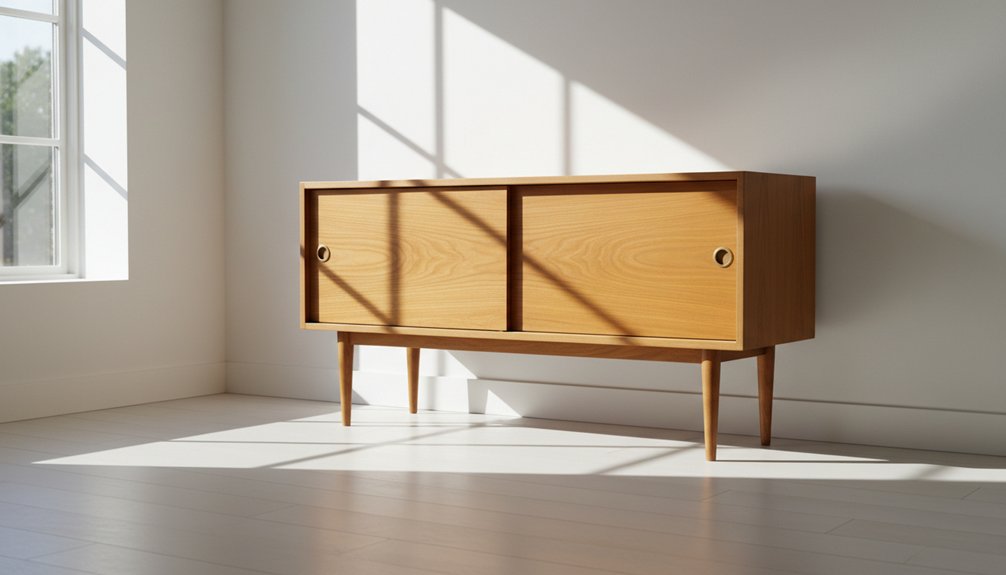
Mid-century modern furniture, which spans the 1940s to the 1960s, emphasizes function through its clean lines and organic curves. This style avoids excessive ornamentation, focusing instead on practical design. You can identify authentic mid-century modern pieces by their tapered legs and a mix of materials such as teak wood and molded plywood. These furniture items often feature neutral color palettes, occasionally highlighted by bold accents.
When evaluating mid-century modern furniture, look for the “form follows function” principle in each design. This principle ensures that each piece serves a purpose while maintaining aesthetic appeal. Authentic designs can seamlessly integrate into both contemporary and traditional interiors, making them versatile choices for various settings.
To distinguish genuine mid-century modern furniture from reproductions, check for specific details such as construction methods and material quality. Authentic pieces often showcase craftsmanship, with attention to detail that mass-produced items lack. Additionally, familiarizing yourself with reputable brands and designers from this era can help you identify valuable pieces.
To find authentic mid-century modern furniture, explore vintage shops, estate sales, and online marketplaces dedicated to mid-century styles. Establish a budget before shopping, as prices can vary significantly based on the piece’s condition, rarity, and provenance. Be cautious of reproductions that may look similar but lack the quality and character of original designs.
What Is Mid-Century Modern Furniture and Why It Never Goes Out of Style
Mid-century modern furniture defines a specific design style that appeared between the 1940s and 1960s. This style features clean lines, organic curves, and functional simplicity. Designers focused on minimal ornamentation and practicality in their creations.
Mid-century modern design embraced clean lines and functional simplicity, rejecting excessive ornamentation in favor of practical, purposeful furniture creation.
The movement thrived as manufacturers began using innovative materials like molded plywood, fiberglass, and metal. Post-war optimism and technological advancements heavily influenced this aesthetic.
Mid-century modern pieces efficiently blend form and function, making them suitable for daily use. Their timeless appeal arises from their versatility. These designs fit seamlessly into both contemporary and traditional interiors.
For example, Eames chairs and Noguchi tables integrate well into various spaces without looking outdated. This enduring relevance drives collectors and homeowners to seek authentic mid-century modern furniture consistently. Traditional furniture styles emphasize historical references, which further enhances the appreciation for mid-century modern designs in today’s interiors.
5 Design Principles That Make Mid-Century Modern Furniture Instantly Recognizable
When you analyze authentic mid-century modern furniture, you’ll notice several key characteristics that define this design era. The principle of form follows function drives every design choice, ensuring each piece is both practical and visually appealing.
Designers create clean, straight lines and soft organic curves, reflecting the influence of nature. The elegance of mid-century modern furniture stems from minimal ornamentation and visible structural elements that highlight craftsmanship.
Manufacturers often incorporate tapered legs that angle outward, enhancing both stability and aesthetic appeal. You’ll see a blend of materials such as wood, metal, glass, and plastic, showcasing the innovative spirit of the post-war era.
Color palettes typically feature neutral tones, with occasional bold accent colors to add interest. Low-profile silhouettes promote an airy, uncluttered atmosphere in any space.
These design elements function together cohesively, making mid-century modern furniture easily recognizable, regardless of the specific designer or manufacturer. By understanding these fundamentals, you can appreciate the craftsmanship and thought that go into creating each piece. Additionally, the use of solid wood furniture is a hallmark of many mid-century modern designs, providing durability and timeless appeal.
Teak, Molded Plywood, and Tapered Legs: Materials That Define the Era
After World War II, manufacturers transformed three essential materials—teak, molded plywood, and tapered legs—into the foundation of mid-century modern design.
Teak wood emerged as the preferred choice due to its rich color and exceptional durability. Danish craftsmen selected Burmese and Thai teak for its resistance to warping and low maintenance needs. The warm honey tones of this tropical hardwood paired well with the clean lines characteristic of the era’s design language.
Danish craftsmen chose teak for its durability, rich honey tones, and resistance to warping—qualities that perfectly complemented mid-century modern’s clean aesthetic.
Molded plywood innovations changed furniture construction methods significantly. Designers learned to mold layers of wood into curved shapes, enabling the creation of sleek, sculptural furniture pieces. Charles Eames was a key figure in these advancements, developing chairs that balanced comfort with aesthetic form.
Tapered legs became a defining feature of mid-century modern furniture. These legs, which are thinner at the bottom than at the top, provided a light, floating look that contrasted sharply with the heavy, bulky furniture styles of previous eras.
This combination of teak, molded plywood, and tapered legs not only defined the mid-century modern aesthetic but also addressed practical needs for durability and functionality in everyday furniture. Additionally, the clearance for walkways in room layouts enhances the overall functionality and feel of spaces furnished with mid-century modern pieces.
Where to Find Quality Mid-Century Modern Furniture (Vintage vs. New)
Understanding the unique materials and design elements of mid-century modern furniture helps you identify authentic pieces when you shop. You can find original vintage furniture from the 1940s to 1960s through several specific channels. Vintage marketplaces, such as estate sales, auctions, and specialized dealers, provide access to genuine pieces. These original items often exhibit signs of wear but represent historical value and craftsmanship that modern reproductions can’t match.
If you prefer furniture in pristine condition, look for new reproductions. Licensed manufacturers create these reproductions using contemporary production techniques. Companies like Herman Miller and Knoll produce authorized versions of classic mid-century modern designs. While these reproductions come at a premium price, they offer warranties and consistent quality, ensuring you receive a reliable product.
To meet your needs, explore various platforms. Online marketplaces, antique stores, and contemporary furniture retailers cater to different preferences. Your decision between vintage and new furniture hinges on your budget, desired condition, and authenticity standards.
For instance, if you want a unique piece with character, vintage options may suit you better. Conversely, if you need a flawless item that adheres to the original design, consider new reproductions.
Spotting Authentic Pieces: Labels, Construction Clues, and Red Flags
To distinguish a genuine mid-century modern piece from a convincing knockoff, start by examining authenticity indicators.
Look for manufacturer labels, stamps, or tags under the furniture. Authentic pieces typically feature branded markings from reputable companies like Herman Miller, Knoll, or Eames.
Next, inspect construction techniques. Original mid-century furniture uses quality joinery methods, such as dovetail joints and mortise-and-tenon connections, and solid wood frames instead of particle board.
Check for hand-finished details and the use of proper screws rather than staples.
Identify red flags that indicate a fake. Inconsistent wood grain patterns, plastic components in place of metal, and overly perfect finishes without natural wear suggest inauthenticity.
Feel the weight of the piece; authentic mid-century modern furniture generally uses heavier, premium materials.
Lastly, examine the hardware for period-appropriate fasteners and mechanisms consistent with the manufacturing standards of that era.