

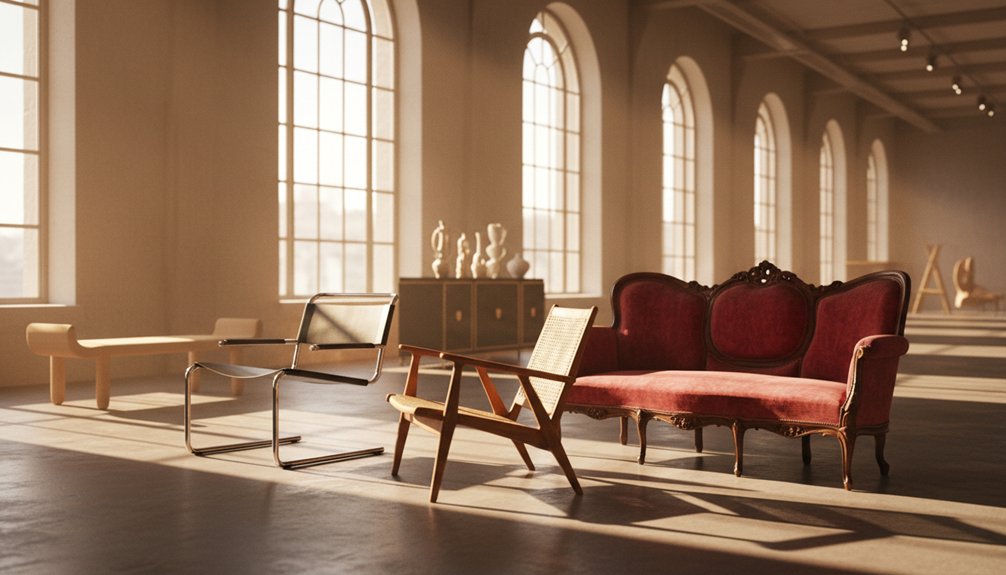
Furniture styles vary significantly in design and function, encompassing both traditional and contemporary movements. Traditional styles like Georgian and Queen Anne feature intricate carvings and luxurious upholstery. In contrast, contemporary styles focus on minimalism and practicality, prioritizing simple forms and functionality.
Mid-century modern furniture emphasizes clean lines and organic shapes, which work well in various settings. Industrial design utilizes raw materials such as exposed brick and metal, creating a rugged aesthetic that appeals to many. Scandinavian furniture centers around neutral color palettes and minimalistic designs, making it ideal for those seeking a calm, uncluttered environment. On the other hand, bohemian styles favor vibrant patterns and eclectic combinations, allowing for personal expression through diverse textures and colors.
Understanding these distinct furniture styles helps you make informed choices when furnishing your space. Selecting pieces that align with your aesthetic and lifestyle creates a cohesive look. Additionally, mixing styles can enhance your interior, offering a unique blend that balances visual appeal with personal identity. It’s essential to consider how different styles interact to ensure the overall design remains harmonious while reflecting your individuality.
Understanding Major Furniture Styles and Design Families
When you shop for furniture or assess pieces in your home, knowing the major design families is essential. Understanding these design families allows you to make informed decisions about what’ll fit in your space and match your personal taste.
Furniture styles have evolved over centuries, showcasing cultural values and technological advancements. Traditional styles include Colonial, Georgian, and French Provincial. These styles feature detailed woodwork and formal proportions, making them suitable for classic interiors.
Contemporary movements like Scandinavian and Industrial emphasize minimalist aesthetics and functional design, ideal for modern homes. Modern homes often blend styles, mixing elements from different periods to create unique environments.
Recognizing these design families helps you identify authentic pieces, understand pricing structures, and intentionally mix styles. This knowledge streamlines the furniture shopping process, transforming it from overwhelming to straightforward.
Traditional and Classic Furniture Styles Explained
Traditional and classic furniture styles influence interior design through distinct historical references and design principles. Recognizable features include ornate details, rich wood finishes, and symmetrical proportions that convey elegance and durability.
Understanding traditional furniture is essential for selecting pieces that enhance any space. Traditional styles include Queen Anne, known for its curved legs and soft shapes, and Chippendale, characterized by intricate carvings and strong lines. By identifying these specific styles, you can choose furniture that adds timeless sophistication to your home or office.
When considering traditional furniture, assess the wood types used and the craftsmanship involved in the construction. Solid hardwoods like oak, cherry, and mahogany provide durability and aesthetic appeal. Recognize that traditional furniture often requires careful maintenance to preserve its beauty over time.
Limitations exist in terms of modern functionality. Traditional furniture may not always suit contemporary spaces or accommodate modern technology. Consider your space and lifestyle when selecting traditional pieces to ensure they fit your needs.
For practical applications, aim to incorporate traditional furniture in a way that complements your existing decor. Pair a Queen Anne dining table with upholstered chairs to maintain a cohesive look. Use Chippendale accent pieces to create focal points in living areas. This approach ensures that your traditional furniture enhances the overall aesthetic without overwhelming your space.
Defining Traditional Furniture Style
Traditional furniture style emerges from European elegance and American heritage, showcasing ornate carvings, rich wood finishes, and symmetrical designs. This style prioritizes balance and proportion, which you can see in the quality craftsmanship of each piece.
For example, traditional furniture often features dovetail joints, hand-carved details, and durable hardwoods like mahogany and cherry.
When you examine traditional furniture, you’ll notice specific design elements such as curved legs, rolled arms, and decorative moldings. These features reflect the principles of 18th and 19th-century design, which continue to influence modern pieces.
Many homeowners actively engage in antique restoration to maintain the historical value and authentic character of these items, ensuring they remain functional and visually appealing.
Comfort is crucial in traditional furniture design. Upholstered seating commonly uses classic patterns like damask, toile, and floral prints, which contribute to warm, inviting spaces.
Classic Design Key Elements
Classic design elements serve as the backbone of furniture that maintains its elegance over time. Craftsmen recognize these pieces by their superior workmanship and meticulous attention to detail.
Traditional furniture incorporates high-quality materials such as mahogany, cherry, and walnut, which contribute to its enduring appeal.
Key elements of classic furniture include:
- Ornate detailing: Carved wood accents and decorative moldings enhance visual interest and texture.
- Rich upholstery: Fabrics like damask, velvet, and brocade provide comfort and luxury.
- Curved lines: Graceful shapes in chair backs, table legs, and cabinet silhouettes create a soft yet structured look.
- Symmetrical proportions: Balanced design elements promote harmony and elegance in furniture layout.
These characteristics collectively produce furniture that withstands fleeting trends.
Classic pieces often feature darker wood finishes and neutral color palettes, which help them integrate seamlessly into various room settings.
The intricate detailing sets these items apart from modern styles, making them easy to identify and appreciate.
Historical Period Influences
Throughout history, furniture design has served as a direct reflection of the cultural values and artistic movements of specific eras. For instance, during the 1800s, Victorian furniture showcased ornate carvings, dark woods, and elaborate upholstery, emphasizing luxury and social status. This style resulted in heavy, decorative pieces that dominated interior spaces.
In contrast, the 1920s saw the rise of Art Deco furniture, which favored geometric patterns, chrome accents, and sleek lines. This movement embraced modern materials and bold colors, representing a significant shift toward a more streamlined aesthetic.
Each historical period contributes distinct elements to furniture design. For example, Renaissance pieces often incorporate classical motifs, while Baroque furniture is recognized for its dramatic curves and gilt finishes.
Understanding these historical influences is essential for identifying authentic period pieces and selecting styles that align with personal aesthetic preferences. By recognizing the specific characteristics of each era, furniture makers today can draw inspiration from the past while creating contemporary designs that resonate with current trends.
Mid-Century Modern and Industrial Furniture Styles
Mid-century modern and industrial furniture styles significantly influence contemporary interior design.
Mid-century modern furniture, which developed between the 1940s and 1960s, features distinct characteristics like tapered legs, organic curves, and minimal ornamentation. Designers prioritize functionality and aesthetic simplicity in this style, making it suitable for various living spaces.
In contrast, industrial furniture emphasizes raw materials. Designers use exposed metal, reclaimed wood, and unfinished surfaces to showcase a piece’s structural elements. This style appeals to those who appreciate a rugged, utilitarian look in their homes.
Both styles contribute to modern interiors by providing options that range from sleek and polished to raw and authentic.
Mid-century modern furniture often suits more formal settings or minimalist designs, while industrial pieces work well in lofts or more casual environments.
When selecting furniture, consider how each style aligns with your overall design vision and the atmosphere you want to create.
Defining Mid-Century Aesthetics
Mid-century modern furniture emerges from a conscious design choice to eliminate excessive ornamentation after World War II. Designers prioritized practicality by creating pieces with clean lines, organic forms, and functional simplicity. You can recognize this aesthetic through its specific characteristics that emphasize both form and function.
Key elements of mid-century modern design include:
- Natural materials: Designers commonly use teak, walnut, and molded plywood, which highlight the wood’s natural beauty and durability.
- Bold colors: Popular color choices include mustard yellow, avocado green, and burnt orange. These vibrant tones complement neutral shades to create a balanced look.
- Tapered legs: Furniture pieces often feature tapered legs, which provide a light and elevated appearance, enhancing the overall aesthetic.
- Integration with nature: Designers focus on large windows and seamless indoor-outdoor connections, promoting a harmonious relationship with the environment.
Mid-century modern furniture is designed for accessibility, allowing average families to enjoy quality pieces without the exclusivity of wealth.
This approach reflects a commitment to mass production while maintaining a high standard of craftsmanship.
Industrial Design Characteristics
As factories and warehouses converted into residential spaces in the late 20th century, industrial furniture design became prominent. This style emphasizes raw materials, highlighting exposed elements such as concrete, brick, and weathered wood. Industrial furniture features metal components like steel frames, iron pipes, and aluminum details, showcasing a focus on functional construction methods. The design philosophy celebrates imperfections, choosing to highlight them rather than hide them.
Industrial furniture works well in open spaces because its bold, utilitarian aesthetic makes a strong visual statement. These pieces typically feature clean lines, minimal ornamentation, and a neutral color palette dominated by blacks, grays, and browns. The style prioritizes practicality; each piece of furniture serves a specific purpose while maintaining visual interest through texture and material contrast. This approach creates authentic and unpretentious environments.
Industrial furniture design often involves selecting materials that offer durability and character. For example, using reclaimed wood adds history and uniqueness to each piece. Metal finishes can vary from polished to distressed, allowing for customization according to personal preferences.
When arranging industrial furniture, consider the layout that maximizes space and enhances the overall aesthetic of the room.
Limitations of industrial furniture include potential weight issues due to metal components and the challenge of integrating softer elements to balance the aesthetic. To overcome these limitations, incorporate textiles such as cushions or rugs that soften the overall design.
Scandinavian, Bohemian, and Rustic Furniture Styles
Three furniture styles have gained popularity among homeowners and interior designers: Scandinavian, Bohemian, and Rustic. Each style offers specific characteristics that can enhance your living space.
Scandinavian furniture design focuses on simplicity. This style features clean lines and neutral colors.
Furniture pieces prioritize functional design and space optimization. Common materials include natural wood, which adds warmth to the aesthetic.
Bohemian furniture style encourages creativity and personal expression. This style is defined by:
- A mix of patterns and vibrant colors that create visual interest.
- Layered textiles sourced from various cultures, enhancing depth.
- Vintage and handmade furniture, which adds character to the space.
- Decorative elements inspired by global influences, enriching the overall design.
Rustic furniture design emphasizes a connection to nature. This style incorporates weathered wood and stone accents.
Earthy tones create a grounded atmosphere, while cozy textures—such as wool blankets and leather upholstery—contribute to comfort in the space.
Familiarizing yourself with these furniture styles allows you to curate spaces that genuinely reflect your personality and lifestyle preferences.
Contemporary Minimalist Furniture Style Characteristics
Contemporary minimalist furniture addresses the need for organized and calm living spaces. This style features clean lines and simple forms that prioritize functionality. Every piece of furniture is designed to serve a specific purpose without unnecessary decoration.
Minimalist furniture commonly uses a color palette dominated by whites, grays, blacks, and neutral tones. These colors create a serene environment that minimizes visual distractions. The furniture pieces are often low-profile with smooth surfaces and geometric shapes, emphasizing simplicity. You won’t find elaborate embellishments or busy patterns in minimalist designs.
Storage solutions are integrated into the furniture to keep belongings hidden and support a clutter-free aesthetic. This design approach promotes the selection of fewer, high-quality pieces instead of numerous lower-quality items.
Matching Furniture Styles to Your Room and Lifestyle
When you select furniture for your home, you directly influence how your space looks and functions for daily activities. Understanding the practical use of each room helps you choose furniture that meets your needs while reflecting your lifestyle.
Consider these key factors when matching furniture to your space:
- Assess your daily routines – Identify how you use each room. For example, if you work from home, prioritize a functional desk and comfortable chair in your office space.
- Measure your available space – Ensure furniture dimensions fit your room. Measure the length and width of the area to avoid overcrowding and maintain open pathways.
- Evaluate storage needs – Select furniture that offers practical storage solutions. For instance, choose a coffee table with drawers or an ottoman that opens for storage to keep your living area organized.
- Consider traffic patterns – Arrange furniture to facilitate easy movement. Place chairs and tables to create clear walking paths, especially in high-traffic areas like the living room and hallway.
By focusing on one room at a time, you can choose furniture that supports your specific needs and maintains a cohesive look throughout your home.
This method ensures your selections enhance both functionality and aesthetics.
Combining Different Furniture Styles in One Space
Mixing different furniture styles in a room enhances visual appeal and reflects personal style. To create effective eclectic combinations, choose furniture pieces that share a common element, such as color, wood tone, or scale.
Begin with a dominant style as your base and incorporate accent pieces from other styles. For instance, place mid-century modern chairs next to a traditional dining table. Combine industrial lighting fixtures with rustic wooden furniture to achieve a cohesive look.
To maintain balance among styles, pay close attention to proportions and placement. Avoid overcrowding the space with too many competing styles; limit your selection to two or three distinct styles per room.
Group similar items together to enhance cohesion. Use neutral colors throughout the space to create a unifying effect.
In practical application, select furniture that complements each other rather than clashes. For example, if you choose a modern sofa, opt for a vintage coffee table that shares a similar color palette.
This method ensures that each piece contributes to a harmonious design without overwhelming the room.