

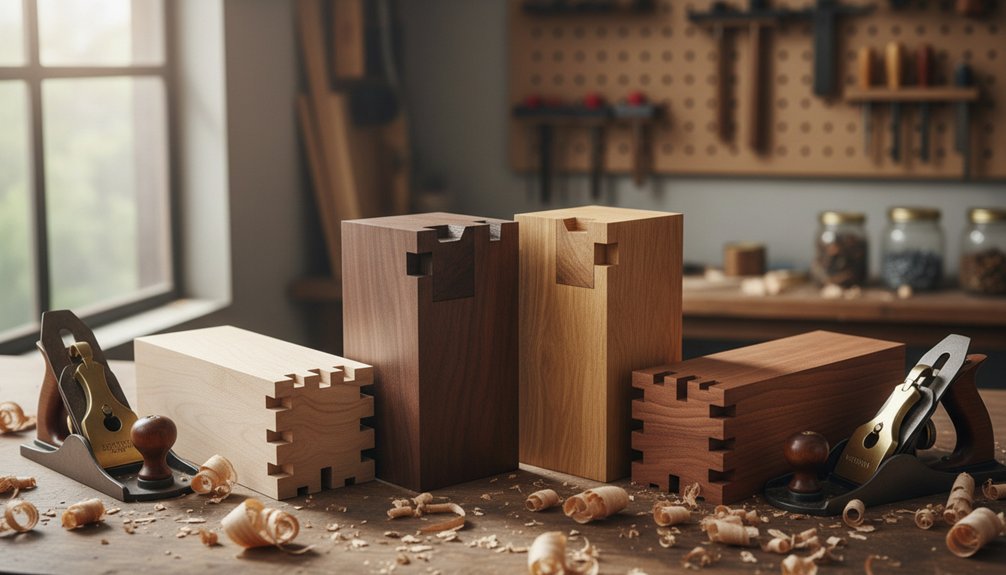
Solid wood furniture provides durability and aesthetic appeal through various materials like oak, walnut, mango, and teak. Each type serves specific purposes: oak works well in high-traffic areas due to its strength, while teak withstands moisture, making it ideal for outdoor furniture.
When selecting finishes, consider your maintenance preferences. Oil finishes nourish the wood but require regular reapplication. Lacquer offers a hard surface that resists scratches, while wax provides a natural look but needs frequent upkeep.
Quality craftsmanship is evident in joinery techniques such as dovetail and mortise-and-tenon joints. These methods enhance the furniture’s strength and longevity.
Traditional furniture styles often showcase intricate carvings and rich finishes, appealing to those who appreciate classic design. In contrast, contemporary styles focus on clean lines and minimalism, fitting modern spaces.
Understanding these differences allows you to choose furniture that not only complements your home but also endures through proper care.
What Is Solid Wood Furniture and Why It Matters?
Solid wood furniture consists of items constructed solely from natural timber. These pieces don’t include any particle board, plywood, or engineered wood in their structural components.
Authentic solid wood furniture uses real lumber throughout, from visible surfaces to hidden frameworks.
Solid wood furniture offers durability that significantly outperforms alternative materials. These pieces endure daily wear for decades and often gain character as they age.
Built to last generations, solid wood furniture withstands decades of use while developing distinctive character that only improves with time.
You can refinish scratched surfaces multiple times, which extends their lifespan and maintains their functionality.
The aesthetic appeal of solid wood furniture sets it apart from manufactured options. Each piece features unique grain patterns and natural color variations that synthetic materials can’t replicate.
Solid wood furniture adds warmth and character to your space while preserving its structural integrity and visual beauty over years of use.
In summary, solid wood furniture provides durability and aesthetic appeal through its natural construction and timeless design.
Oak vs. Walnut vs. Mango vs. Teak: Wood Type Comparison
When selecting furniture for your home, the type of wood you choose directly impacts both its appearance and performance.
Oak provides exceptional durability, making it suitable for high-traffic areas. Oak withstands daily wear and maintains its structural integrity for decades. The wood’s prominent grain patterns add visual interest to any space.
Walnut offers rich, dark tones that enhance sophisticated interiors. However, walnut is softer than oak, which means it requires more careful handling to avoid dents and scratches.
Mango wood appeals to eco-conscious buyers, as it’s sourced from fruit-bearing trees that have completed their production cycle. This sustainable practice gives mango wood a second life. The wood features unique color variations and interesting patterns, making each piece distinctive.
Teak wood is ideal for outdoor furniture due to its natural resistance to moisture and insects. Teak contains natural oils that protect it from weather damage, ensuring longevity in outdoor settings.
Each wood type serves distinct needs and design preferences. Understanding these characteristics helps you make an informed choice based on your specific requirements.
Oil, Lacquer, or Wax: Choosing the Right Solid Wood Finish
To protect your solid wood furniture and enhance its natural beauty, choose a suitable finish based on your needs. The finish you select impacts both the appearance and the maintenance requirements of the wood.
Oil Finish: Oil finishes penetrate deeply into wood fibers. They create a natural look while allowing the grain to show through.
You apply oil finishes easily, but remember that they require regular reapplication, typically every 6 to 12 months, depending on usage.
Lacquer Finish: Lacquer provides exceptional durability. It creates a protective barrier that resists scratches and moisture.
Lacquer dries quickly, often within 30 minutes, and offers either a glossy or matte appearance. Use lacquer in high-traffic areas, where maximum protection is necessary.
Wax Finish: Wax creates a soft sheen and smooth feel on wood surfaces.
However, it requires frequent buffing, usually every 1 to 3 months, to maintain its appearance. Wax works best for pieces that experience minimal wear.
Combination Finish: A Combination Finish offers versatile protection and aesthetic appeal.
You can blend oil and lacquer for a finish that provides the deep penetration of oil with the durability of lacquer.
Your choice of finish depends on how you plan to use the furniture and the level of maintenance you’re willing to commit to.
Consider the intended use and the specific characteristics of each finish before making your decision.
Dovetail vs. Mortise-and-Tenon: Quality Joinery Explained
Dovetail joints provide strong connections through interlocking wedge-shaped pins. These pins fit together tightly, making them ideal for drawer construction because they resist pulling forces effectively. The design of the dovetail joint creates a mechanical lock that doesn’t depend solely on glue, ensuring durability.
Dovetail joints create mechanical locks through wedge-shaped pins that resist pulling forces without relying solely on adhesive strength.
Mortise-and-tenon joints create robust connections by fitting a tenon, which is a protruding piece, into a mortise, a rectangular cavity. This method excels in constructing chair and table frames where components meet at angles. The mortise-and-tenon joint delivers strength and stability, making it a preferred choice for furniture that endures pressure.
Both dovetail and mortise-and-tenon joints require skilled craftsmanship and indicate high-quality furniture. While machine-cut joints are available, hand-cut versions generally exhibit superior precision and fit.
When assessing furniture, examine the corners of drawers and the connections of frames to identify these premium construction methods.
Dovetail joints offer excellent resistance to pulling forces, making them suitable for drawers. Mortise-and-tenon joints provide stability in angled connections, making them effective for chair and table frames.
Both joinery types signify quality, and hand-cut joints showcase a higher level of craftsmanship compared to machine-cut versions.
Which Solid Wood Furniture Works Best in Each Room?
Selecting solid wood furniture for each room requires knowledge of the specific needs and conditions of that space. You must align the type of wood and the furniture pieces with the room’s purpose and moisture levels.
Bedroom furniture needs soft woods****. Use pine or cherry for dressers and bed frames in climate-controlled environments. Soft woods provide durability and comfort, making them ideal for personal spaces.
Living room furniture requires durable hardwoods****. Choose oak or maple for coffee tables and entertainment centers. These hardwoods withstand daily use and maintain their appearance over time.
Dining room furniture should feature stable woods****. Opt for walnut or mahogany, as these types resist wear from frequent dining activities. Stable woods ensure longevity and aesthetic appeal in dining areas.
Office furniture needs solid hardwoods. Use sturdy woods for desks that require significant weight support. Choosing the right hardwood will enhance functionality and durability in a workspace.
Entryway furniture must be moisture-resistant**. Teak is an excellent choice because it withstands humidity** and fluctuating temperatures. This property makes teak ideal for entryways that experience varying conditions.
Avoid using outdoor furniture indoors. Outdoor furniture often has weather-resistant treatments that can release harmful gases in enclosed spaces.
Using furniture designed for indoor environments will ensure better air quality and safety.
Traditional vs. Contemporary Solid Wood Furniture Styles
When you shop for solid wood furniture, you’ll encounter two primary design approaches: traditional and contemporary.
Traditional wood furniture showcases intricate details, curved lines, and deep finishes. These elements work together to create a classic and timeless look that enhances the character of your space.
In contrast, contemporary solid wood furniture focuses on clean lines, minimal embellishments, and natural wood colors. This design approach offers a modern and streamlined aesthetic that can make a room feel more open and fresh.
Understanding these differences helps you choose the right style for your home. Traditional furniture tends to suit spaces that call for warmth and richness, while contemporary pieces fit well in settings that prioritize simplicity and functionality.
Each style has its strengths, and the choice depends on your personal taste and the overall vibe you want to create in your environment.
Traditional Wood Style Characteristics
Traditional wood furniture features distinct characteristics that showcase craftsmanship and design principles rooted in history. When you look for traditional pieces, focus on specific elements that define their timeless appeal.
Key characteristics include:
- Intricate carvings and moldings enhance chair legs, table edges, and cabinet doors, adding visual interest and detail.
- Deep, rich finishes in woods like mahogany, cherry, and walnut highlight the natural grain patterns and contribute to the overall beauty of the piece.
- Curved lines and ornamental details such as cabriole legs and ball-and-claw feet provide graceful silhouettes, reinforcing the classic aesthetic.
- Formal proportions emphasize symmetrical designs and balanced compositions, making these pieces suitable for sophisticated settings.
- Decorative hardware with brass or bronze pulls offers a vintage touch, complementing the furniture’s overall style.
Traditional craftsmanship relies on hand-finished details and solid joinery methods like dovetail and mortise-and-tenon construction.
These techniques ensure durability and longevity, which are essential for furniture in formal dining rooms and living spaces.
Traditional wood furniture stands out for its craftsmanship and timeless appeal, making it a worthy investment for those seeking quality pieces.
Contemporary Wood Design Elements
Contemporary wood design focuses on minimalism and clean lines, shaping a modern aesthetic in furniture. Designers create minimalist wood pieces with simple geometric shapes, smooth surfaces, and neutral finishes that showcase the wood’s natural beauty.
These contemporary designs frequently incorporate mixed materials, such as metal, glass, or stone, to provide visual contrast with the wooden elements.
Urban wood furniture exemplifies contemporary wood design by featuring streamlined silhouettes and functional designs tailored for smaller living spaces. Designers prioritize practicality in contemporary pieces while maintaining style, often integrating hidden storage or multi-functional elements.
Wood finishes in this style lean toward lighter tones or natural oils, which allow the grain patterns to remain visible. This design approach results in furniture that feels sophisticated and approachable, fitting seamlessly into modern homes.
How to Clean and Maintain Solid Wood Furniture
Solid wood furniture requires regular cleaning and maintenance to ensure its longevity and preserve its natural beauty. Following the right techniques will protect your furniture from damage and wear over the years.
Key maintenance practices include:
- Dusting: Dust your solid wood furniture weekly with a soft, lint-free cloth. This action prevents dust buildup, which can scratch the finish.
- Cleaning Spills: Clean spills immediately with a slightly damp cloth. This action prevents water damage. After cleaning, dry the area thoroughly to avoid moisture issues.
- Applying Polish or Wax: Apply quality furniture polish or wax every 3 to 6 months. This action nourishes the wood and maintains its sheen.
- Controlling Environment: Keep your solid wood furniture away from direct sunlight and heat sources. This action prevents fading and cracking over time.
- Using Protectors: Use coasters, placemats, and felt pads under objects placed on the furniture. These actions protect surfaces from scratches and moisture damage.
Avoid using harsh chemicals and abrasive cleaners, as these can strip protective finishes and harm the wood.