

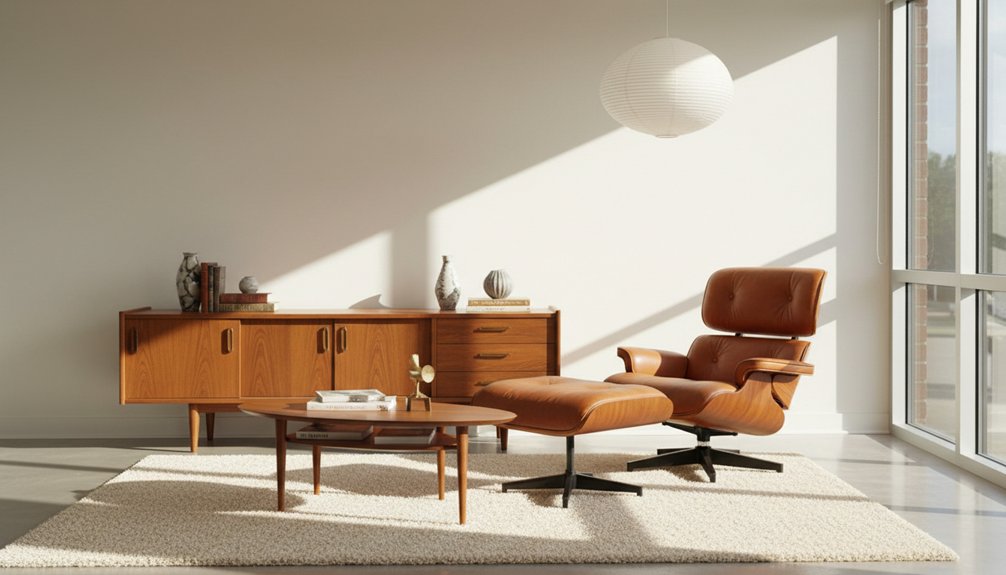
To identify authentic mid-century modern furniture, focus on specific design features. Examine the tapered legs that typically angle outward. Check for elevated frames that create a sense of visual lightness. Look for signature hardwoods such as teak, walnut, or oak, which are common in this style.
Inspect the joinery methods; authentic pieces often use exposed techniques like dovetail or mortise-and-tenon connections. Notice the minimal use of hardware, which reflects the design’s simplicity. Observe the balance of organic curves with geometric lines, a hallmark of mid-century modern design.
Evaluate the wood grain patterns; genuine pieces display natural variations. Look for tight construction and age-appropriate patina, indicating the piece’s history. Finally, check for manufacturer stamps or labels to verify the piece’s origins. Understanding these characteristics allows you to distinguish genuine vintage furniture from modern reproductions, enabling informed purchasing decisions.
Tapered Legs and Elevated Frames: The Mid-Century Modern Signature
Mid-century modern furniture prominently features tapered legs and elevated frames that contribute to its iconic floating look. These legs taper from top to bottom, creating clean, angular lines that characterize the mid-century design aesthetic. This design choice not only enhances visual appeal but also makes furniture appear lighter, helping to create a sense of spaciousness in a room.
Authentic mid-century modern pieces elevate sofas, chairs, and cabinets several inches off the ground. This elevation not only adds visual breathing room but also simplifies the cleaning process underneath the furniture.
Elevated frames create visual breathing room while making cleaning underneath furniture effortlessly simple—a hallmark of authentic mid-century modern design.
To identify genuine mid-century modern furniture, examine the legs closely. Typically, these legs are constructed from hardwoods like walnut or teak, angled slightly outward, and taper to slim points or may feature brass-capped feet. The use of solid wood materials in these pieces is essential for ensuring durability and authenticity.
When considering mid-century modern furniture, focus on the specific materials and construction methods that define the style. Look for solid wood legs, a clear tapering shape, and elevated designs.
Avoid pieces that lack these features, as they may not embody the true essence of mid-century modern design.
Organic Curves Meet Geometric Simplicity in Mid-Century Forms
Mid-century modern furniture combines organic curves with geometric lines. Designers create furniture pieces that embody this balance. For instance, kidney-shaped coffee tables exhibit soft, flowing forms that evoke natural shapes. In contrast, angular chair frames showcase straight edges and precise angles. This integration of curves and lines results in furniture that feels both inviting and structured.
The design approach prioritizes comfort alongside visual order. By merging these contrasting elements, designers ensure functionality and aesthetic appeal. Each piece from this era has a distinct character that remains relevant today. For example, a well-crafted mid-century chair provides ergonomic support while also fitting seamlessly into a modern interior.
However, achieving this balance requires careful consideration of proportions and materials. Designers must select durable materials that complement the shapes. Additionally, they should consider how different finishes can enhance the visual qualities of both organic and geometric elements. This attention to detail ensures that the furniture not only looks good but also stands the test of time. Furthermore, the use of clean lines and organic shapes is a hallmark of mid-century modern design, reflecting the era’s emphasis on simplicity and function.
Biomorphic Shapes in Design
Mid-century modern furniture includes biomorphic shapes that draw inspiration from nature. Designers create these organic forms by incorporating curves that resemble natural elements like leaves, amoebas, and kidney beans. You can find these shapes in functional pieces such as coffee tables, chair backs, and decorative accents from the 1950s and 1960s.
Designers use biomorphic shapes to soften the rigid lines of geometric modernism. For example, Isamu Noguchi’s freeform coffee tables and Eero Saarinen’s Tulip chair showcase how these natural curves enhance functional design. Unlike geometric furniture, biomorphic pieces attract attention through their asymmetrical and flowing lines.
When assessing mid-century pieces, prioritize those with smooth edges that reflect organic growth patterns instead of strict mathematical precision. Biomorphic design serves a specific purpose: to create a visual and tactile connection to nature. This approach adds warmth to interiors dominated by geometric shapes.
Additionally, biomorphic furniture often fits well in various settings, from homes to offices, because of its versatile and inviting aesthetic. Overall, biomorphic shapes enhance mid-century modern furniture by promoting a harmonious blend of nature-inspired forms and functional design.
Angular Lines and Balance
Biomorphic shapes in mid-century modern furniture incorporate flowing curves while maintaining a balance with sharp, angular lines. Designers achieve this balance by combining straight edges with organic forms, resulting in furniture that’s both visually appealing and comfortable.
Key features that demonstrate balanced proportions include:
- Tapered legs: These legs angle outward or inward, providing stability and a sense of visual lightness.
- V-shaped supports: These supports create structural frameworks beneath tables and chairs, enhancing both design and functionality.
- Triangular motifs: These motifs appear in cabinet doors, shelf arrangements, and decorative elements, adding geometric interest.
Angular lines complement organic curves without overpowering them. Authentic mid-century pieces strategically utilize angular lines, ensuring that each item harmonizes rigid structures with flowing forms.
This approach allows for a cohesive design that fulfills both aesthetic and practical needs in furniture manufacturing.
Why Teak, Walnut, and Oak Define Mid-Century Modern Furniture
Teak, walnut, and oak are essential materials in mid-century modern furniture design. These woods provide specific advantages that align with the era’s design principles. Teak features natural grain patterns that add visual interest, while its durability ensures that 1950s and 1960s pieces remain functional today.
Walnut, with its rich brown tones, offers a striking appearance that enhances minimalist aesthetics. Oak, known for its golden hues, brings organic warmth to spaces that prioritize clean lines and simple forms.
Each wood type serves a unique role in creating a cohesive mid-century modern look. The combination of these woods creates a balanced environment, where the visual appeal complements the functional design. For example, teak’s resistance to wear makes it ideal for everyday use, while walnut’s deep colors can serve as focal points in furniture arrangements.
Oak’s strength and versatility allow it to be used in various furniture pieces, from tables to chairs. Additionally, choosing the right furniture sizing can greatly impact the overall aesthetic and functionality of a mid-century modern space.
These woods also have limitations. Teak can be more expensive, which may not fit all budgets. Walnut can darken over time, which mightn’t be desirable for every aesthetic. Oak, while strong, can be prone to scratches if not properly cared for.
Understanding these characteristics helps designers and manufacturers make informed choices when crafting mid-century modern furniture.
Natural Grain Pattern Appeal
The wood grain patterns of teak, walnut, and oak play a significant role in defining mid-century modern furniture. These variations in grain create natural designs on furniture surfaces, which eliminates the need for elaborate decorations.
Manufacturers select wood finishes that enhance these organic patterns, ensuring each piece stands out.
When evaluating authentic mid-century furniture, you’ll notice three primary grain characteristics:
- Teak features straight, tight lines that create subtle striping with golden-brown undertones.
- Walnut exhibits dramatic swirls that produce bold, dark chocolate patterns.
- Oak showcases pronounced cathedral arches that form distinctive V-shaped configurations.
Manufacturers view these natural patterns as essential design elements rather than flaws.
They apply minimal staining and use clear protective coatings to preserve the wood’s inherent beauty. This approach highlights the unique characteristics of each furniture piece, emphasizing the value of natural grain patterns in mid-century modern design.
Durability Through Decades
Mid-century modern furniture is built to last for generations. Designers select durable wood species such as teak, walnut, and oak to ensure these pieces withstand decades of daily use. The craftsmanship and material choices contribute to the ongoing functionality of these furniture items today. Teak, walnut, and oak resist warping, cracking, and wear better than softer wood types.
| Wood Type | Durability Rating | Common Uses |
|---|---|---|
| Teak | Excellent | Tables, chairs, credenzas |
| Walnut | Very Good | Cabinets, desks, shelving |
| Oak | Excellent | Case goods, seating frames |
When assessing authentic mid-century furniture, you will observe tight joinery and solid construction. Designers avoid using particle board or veneers over inferior materials. Instead, they incorporate substantial hardwoods throughout, ensuring longevity. This commitment to quality explains why mid-century furniture retains its structural integrity and visual appeal after more than sixty years.
In practical terms, solid hardwood construction prevents issues such as warping and cracking. This durability means that pieces like teak tables can endure daily use without significant wear. Likewise, walnut cabinets maintain their shape and function over the years. Oak seating frames provide reliable support for users, minimizing concerns about stability.
Ultimately, mid-century modern furniture’s use of durable materials and quality craftsmanship contributes to its lasting appeal. By choosing hardwoods over softer options, designers create furniture that not only looks good but also stands the test of time.
Warm Organic Color Tones
Hardwoods like teak, walnut, and oak offer essential structural benefits and create a warm color palette that defines mid-century modern design.
These woods produce earthy tones that help differentiate original pieces from reproductions.
- Teak features a range of colors from golden honey to rich amber. The darker grain patterns in teak add visual interest and depth to furniture.
- Walnut showcases deep chocolate browns with hints of purple undertones. This color creates a striking contrast when paired with lighter furnishings, enhancing the overall aesthetic.
- Oak presents lighter tan and wheat shades. Oak serves as a neutral base while still providing warmth and character to the design.
These natural wood tones complement the mid-century color schemes, which often include burnt orange, olive green, and mustard yellow.
Authentic mid-century pieces don’t rely on harsh blacks or stark whites. Instead, the inherent warmth of the wood fosters inviting and comfortable living spaces.
Exposed Joinery and Minimal Hardware: The Functional Aesthetic
Mid-century designers highlighted furniture construction methods, turning necessary joints into aesthetic focal points. Authentic mid-century furniture features visible joinery techniques like dovetail joints, finger joints, and mortise-and-tenon connections. These exposed connections demonstrate the era’s commitment to honest design rather than being seen as flaws.
This philosophy of functional aesthetics also influenced hardware design. Designers reduced the use of metal pulls, hinges, and fasteners. Instead, they incorporated finger grooves into drawer fronts or used recessed handles to maintain clean lines. When hardware was necessary, it was designed to be minimal and purposeful.
To identify authentic mid-century pieces, examine the joints for visible connections and assess whether the hardware serves a dual function. This transparency in construction reflects the movement’s core belief that form follows function and that beauty arises from honest craftsmanship.
Understanding these design principles helps differentiate authentic mid-century furniture from reproductions. Authentic pieces prioritize structural integrity and visual clarity, showcasing craftsmanship in every joint and hardware choice.
Price Ranges and Where to Buy Authentic Mid-Century Pieces
Authentic mid-century modern furniture comes with a wide range of prices, from affordable vintage items to high-end designer pieces that can exceed thousands of dollars. Prices vary based on designer, condition, and rarity.
Common buying sources include:
- Estate sales and auctions – You can find genuine mid-century pieces at competitive prices. However, you must verify their authenticity yourself.
- Specialized vintage dealers – These dealers offer authenticated furniture with provenance documentation. Expect to pay premium prices for this assurance.
- Online marketplaces – Websites like Chairish and 1stDibs connect you with verified sellers, but local options require careful inspection to ensure quality.
Quality vintage chairs typically cost between $500 and $2,000. In contrast, iconic designer pieces from Eames or Wegner can range from $3,000 to $15,000.
Reproductions are available for much less but don’t hold the same investment value.
How to Spot Authentic Vintage vs. Modern Reproductions
Identifying authentic vintage mid-century furniture requires careful examination to ensure you make a sound investment.
Start by assessing construction methods. Authentic pieces use dovetail joints, solid wood components, and hand-finished details. Inspect the underside of the furniture for manufacturer stamps, labels, or branded marks, as these can indicate authenticity.
Next, focus on the patina and wear patterns. Genuine vintage furniture develops unique characteristics over decades, while modern reproductions often have overly uniform finishes and synthetic materials.
Authentic vintage furniture reveals decades of natural aging through distinct patina and wear, unlike uniformly finished modern reproductions.
Look for slight imperfections and age-appropriate wear on authentic pieces, which may contrast with the flawless upholstery and perfectly matched wood grain of reproductions.
Research specific designers and their signature techniques to deepen your understanding of what to look for. Measure the furniture and compare these measurements with documented specifications to spot inconsistencies.
If you’re unsure about a piece, consult experts or request provenance documentation from sellers to verify its authenticity.