
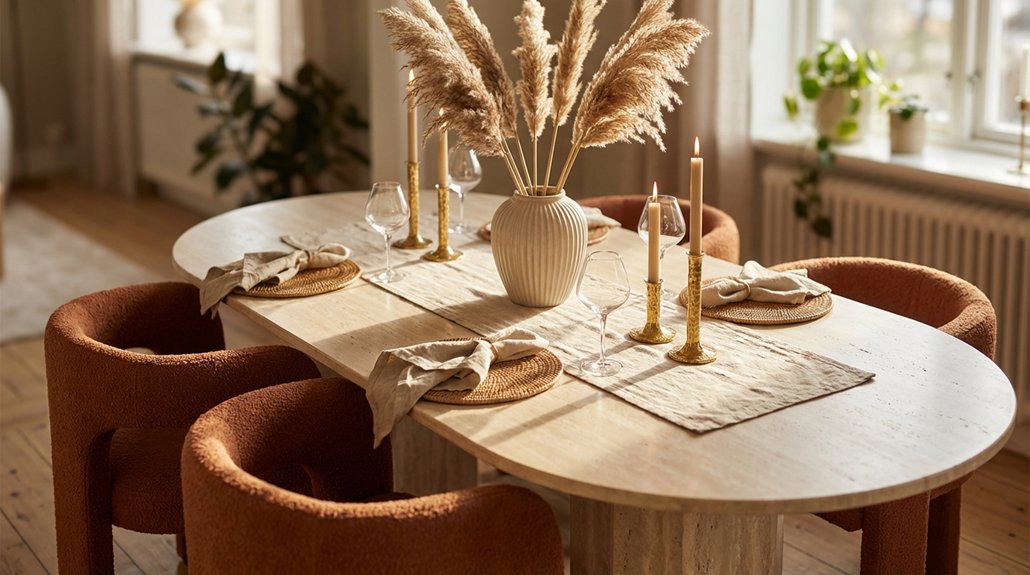
In 2026, solid wood dining tables, particularly those with oak and walnut finishes, dominate sales across Europe. Oval and round table shapes outperform rectangular designs, especially in smaller living spaces. Sustainable materials, specifically FSC-certified wood, drive quick sales in the mid-range market, with prices under €800. Warm neutral finishes and pedestal bases also rank among the top-selling designs.
Solid wood dining tables appeal to buyers seeking durability and aesthetic value. Consumers prioritize sustainability, which boosts demand for FSC-certified options. As smaller homes become more common, the popularity of oval and round tables reflects a shift in consumer preferences. Buyers appreciate how these shapes facilitate better flow and space utilization.
Warm neutral finishes attract customers looking for versatility in decor. Pedestal bases offer stability while maintaining a sleek appearance, fitting seamlessly into modern interiors. Together, these features enhance the appeal of dining tables in today’s market.
In summary, solid wood dining tables with sustainable materials, round or oval shapes, warm neutral finishes, and pedestal bases are trending in Europe for 2026. Each of these factors contributes to a growing market that values both style and functionality.
The European Dining Table Trends Reshaping Homes in 2026
The dining table landscape in Europe is changing significantly in 2026. Consumers now prioritize sustainable materials, particularly reclaimed wood and recycled metals. These choices reflect a commitment to environmental responsibility and resource conservation.
Minimalist designs are gaining traction, replacing ornate styles. This shift results in cleaner, functional aesthetics that suit modern homes.
Artisan craftsmanship is increasingly sought after. Buyers look for handcrafted tables that demonstrate quality and uniqueness. These pieces add character to dining areas and align with the growing trend of valuing individual artistry.
Multifunctional surfaces are now essential in dining tables. Tables that serve as workspaces, dining areas, and storage solutions provide versatility for contemporary lifestyles.
These trends are interconnected, supporting broader European values around sustainability and practicality. Understanding these shifts allows consumers to make informed purchasing decisions. Choosing tables made from solid wood materials enhances modern living spaces while aligning with current values.
Which European Markets Are Setting These Trends?
Several European countries lead dining table design trends for 2026. France drives innovation by creating bold shapes and using mixed materials.
Scandinavian countries focus on minimalism, producing clean lines and functional designs. Italy emphasizes craftsmanship, delivering handmade tables with fine wood joints and detailed finishes. Germany prioritizes durability, ensuring solid construction that lasts decades.
These markets shape trends rather than merely follow them. French designers combine unexpected materials, which challenges traditional aesthetics.
Scandinavian studios refine simplicity, appealing to buyers who value practicality. Italian artisans enhance traditional techniques, showcasing heritage through craftsmanship.
German manufacturers emphasize long-term reliability, which attracts consumers looking for lasting quality. Understanding these influences allows consumers to make informed buying decisions for dining tables. Each country contributes a unique perspective that informs the styles and materials available in European showrooms. Moreover, recognizing the importance of accurate room dimensions helps buyers select dining tables that meet their aesthetic and functional needs.
The Extendable Table Boom in European Dining Rooms
Extendable dining tables are increasingly popular in European homes because they address specific needs. These tables allow users to accommodate both daily meals and larger family gatherings. When more guests arrive, the user pulls out the extra leaf to increase seating capacity. Once the gathering ends, the user folds the table back down to reclaim space.
Urban consumers in cities like Amsterdam, Copenhagen, and Madrid prioritize multifunctional furniture. These compact apartments drive demand for extendable tables that maximize utility without overwhelming living space. Manufacturers respond with innovative mechanisms, durable materials, and efficient extension systems. The result is a table that adapts to the user’s lifestyle, reflecting the functional design principles of modern furniture.
Extendable Tables Provide Space-Saving Solutions
Extendable tables effectively solve space constraints in urban settings. Homeowners need furniture that adjusts to their changing needs. By incorporating a leaf, an extendable table transforms from a compact everyday piece into a larger dining surface for special occasions.
This adaptability is essential for urban living.
Manufacturers Develop Advanced Mechanisms
Manufacturers focus on creating advanced mechanisms for extendable tables. They design user-friendly systems that allow quick adjustments. This speed enhances the user experience during gatherings.
The combination of high-quality materials and innovative design ensures longevity and durability.
Limitations of Extendable Tables
Despite their advantages, extendable tables do have limitations. Some designs may not support heavy loads when fully extended, which can restrict their use for larger gatherings.
Additionally, the mechanism can wear down with frequent use, necessitating maintenance. Consumers should consider these factors when selecting a table.
Real-World Examples of Extendable Tables
For instance, a typical extendable dining table can range from 120 cm to 200 cm in length when fully extended, providing ample space for six to eight people. In contrast, a non-extendable table of the same size may only accommodate four to six people comfortably.
This clear difference demonstrates the practical benefits of opting for an extendable design in a limited-space environment.
Oval and Round Dining Tables Are Outselling Rectangular: Here’s Why
If you’re looking for a dining table in 2026, focus on oval and round designs, as these shapes are gaining popularity in European sales. Oval and round tables fit better in smaller dining areas because they lack sharp corners that disrupt walking space. This design choice maximizes usable area and enhances movement around the table.
Oval and round tables also improve social interactions. These shapes allow everyone to sit at an equal distance, which fosters more natural conversation. Unlike rectangular tables, where some guests sit farther away, oval and round configurations promote inclusivity, making it easier for everyone to engage in discussion.
In addition, the trend toward oval and round tables reflects a shift in consumer preferences. Many buyers now prioritize functionality and social dynamics over traditional aesthetics. As a result, retailers are adjusting their inventories to meet this demand, highlighting the benefits of these shapes in their marketing strategies.
Keep in mind that rectangular tables still have their place, especially in larger dining rooms where space is abundant. However, in compact areas, oval and round designs prove to be more advantageous.
If you’re working with limited square footage, consider how these shapes can optimize your dining experience while enhancing the overall flow of your space.
Space-Saving Design Appeal
Choosing the Right Shape for Limited Space
When space is limited, selecting a round or oval dining table maximizes usability in compact areas. Round and oval tables lack corners, allowing for better movement and reducing awkward dead zones in tight rooms.
This design choice supports a more functional dining experience in smaller homes.
Aligning with Minimalist Aesthetics
Round and oval tables contribute to a minimalist aesthetic by maintaining a clean and uncluttered look. Designers create these tables with multifunctional features, such as built-in extensions or hidden storage.
This practicality enhances the overall utility of the dining area, making it ideal for smaller spaces.
Responding to Urban Living Trends
European apartments in cities like Paris, Amsterdam, and Barcelona are becoming increasingly compact. Furniture designers respond to this trend by focusing on space-efficient designs.
A round or oval table allows homeowners to optimize available floor space, accommodating more seating without sacrificing style or comfort.
Practical Considerations in Table Design
When selecting a dining table, consider how the shape impacts the flow of the room. Round and oval tables provide a seamless fit in tight corners and narrow spaces.
However, rectangular tables can limit movement and create barriers in smaller areas. Always evaluate the layout and dimensions of the room before making a decision.
Conclusion: Prioritize Functionality and Style
In summary, round and oval tables offer practical solutions for limited dining spaces. Their design aligns with modern minimalist aesthetics while providing essential functionality.
When choosing a dining table, focus on how its shape enhances both usability and style in your living environment.
Social Dining Experience
Dining Table Shape Influences Interaction
The shape of a dining table directly impacts how people engage during meals. Round and oval tables promote equal participation by removing head-of-table hierarchy. These shapes foster a more communal atmosphere, allowing everyone to maintain eye contact and engage in conversation easily.
| Feature | Round/Oval Tables | Rectangular Tables |
|---|---|---|
| Seating Hierarchy | No hierarchy | Head position exists |
| Conversation Flow | Everyone engages equally | End seats are isolated |
| Communal Feel | Strong sense of community | Moderate connection |
| Space Flexibility | Fits well in small spaces | Requires more room |
| Social Engagement | Natural interaction | Can feel formal |
European consumers increasingly prioritize connection during mealtimes. Market data shows that round and oval table styles are consistently outselling rectangular options, indicating a clear trend toward designs that enhance social engagement.
Shape Eliminates Hierarchies
Round and oval tables create an inclusive dining environment. These table shapes eliminate the traditional head-of-table position, allowing all participants to feel equal. This equal seating arrangement encourages open dialogue and connection among diners.
Shape Enhances Conversation Flow
Round and oval tables facilitate better conversation flow. Everyone at the table can easily communicate, which contrasts with rectangular tables where diners at the ends may feel disconnected. This design promotes inclusivity and encourages everyone to engage.
Shape Fosters a Communal Feel
Round and oval tables enhance the sense of community during meals. The shape naturally invites diners to interact, share stories, and connect. In contrast, rectangular tables can create a more formal atmosphere, which may limit social engagement.
Shape Provides Space Flexibility
Round and oval tables offer better space flexibility, particularly in smaller dining areas. These shapes can fit snugly into tight spaces while still accommodating multiple diners. Rectangular tables often require more length, making them less versatile in compact rooms.
Shape Encourages Social Engagement
Round and oval tables naturally foster social engagement. The design promotes interaction, allowing diners to easily participate in conversations. Rectangular tables can create a more structured environment that may inhibit spontaneous interactions.
Conclusion
Dining table shape significantly affects mealtime interactions. Round and oval tables enhance equality, conversation, community, space efficiency, and engagement. As consumer preferences shift, manufacturers should prioritize these shapes to meet the growing demand for more connected dining experiences.
Pedestal, Trestle, and Sculptural Bases Europeans Are Buying Now
Dining Table Bases in Europe: Current Trends
Pedestal bases dominate dining table sales across Europe, providing clean lines and flexible seating arrangements. Many buyers prefer pedestal bases because they allow for easy movement around the table, accommodating larger groups without obstruction.
Sales data shows that pedestal bases account for approximately 40% of the market share in this category.
Trestle bases are increasingly popular, appealing to consumers who seek a robust, industrial-rustic style. Trestle designs typically feature two support beams that create a stable foundation.
This design not only enhances durability but also promotes a casual dining experience. Recent trends indicate that trestle bases have seen a 25% increase in sales over the last year.
Sculptural bases are emerging as a bold choice for those who want to make a statement in their dining spaces. These bases transform the dining table into a functional piece of art, drawing attention and sparking conversation.
Sculptural bases often incorporate unique materials and shapes, catering to buyers who want distinctive designs. Current market insights reveal that sculptural bases represent about 15% of dining table base sales, with growth potential in urban areas.
When selecting a dining table base, consider your space, style preference, and intended use.
Pedestal bases suit smaller rooms, while trestle bases work well in larger, open layouts. Sculptural bases require more design consideration to ensure they complement existing decor.
Keeping these factors in mind will help you choose the right dining table base for your needs.
Pedestal Bases Dominate Sales
Pedestal Bases Lead Dining Table Sales in Europe
Pedestal bases dominate the dining table market in Europe due to their practical design and aesthetic appeal. These pedestal tables provide a clear, open look that maximizes legroom and enhances seating flexibility.
Retailers report strong sales of pedestal tables made from various materials, including solid oak, marble, and cast iron. Solid oak provides warmth and a classic feel, while marble contributes elegance to dining spaces. Cast iron offers an industrial touch, appealing to modern aesthetics.
European consumers increasingly choose pedestal tables for their ability to fit seamlessly in smaller living areas without sacrificing style or functionality.
In 2026, if you’re in the market for a dining table, opt for a pedestal base to combine form and function effectively. Pedestal tables typically accommodate four to six people, making them suitable for both intimate dinners and larger gatherings.
Understanding these features helps buyers make informed decisions that meet their space and style requirements.
Trestle Styles Gaining Popularity
Trestle Styles Reshaping Europe’s Dining Table Market in 2026
Trestle table designs are gaining traction in Europe’s dining table market in 2026. Retailers note that trestle styles are increasingly popular in Scandinavian and Western European regions.
| Feature | Details | Market Impact |
|---|---|---|
| Trestle Materials | Solid wood, metal, reclaimed wood | High consumer demand |
| Style Origin | Farmhouse, industrial | Expanding market appeal |
| Price Range | Mid to premium | Strong sales growth |
| Popular Regions | Scandinavia, UK | Leading markets |
| Consumer Age | 30–50 years | Primary buyer demographic |
Trestle tables provide buyers with sturdy and functional furniture that also offers visual interest. Consumers seek materials like solid oak, steel, and reclaimed wood for their durability and aesthetics. Retailers report consistent monthly sales growth for trestle tables, indicating a reliable category to monitor as we approach 2026.
Trestle Materials Drive High Demand
Consumers actively seek trestle tables made from solid wood, metal, and reclaimed wood. These materials contribute to the tables’ durability and appeal, meeting the needs of buyers who prioritize both function and style. Retailers should focus on sourcing high-quality materials to capitalize on this demand.
Farmhouse and Industrial Styles Expand Market Appeal
Trestle tables originating from farmhouse and industrial design styles attract a growing consumer base. These styles resonate with buyers looking for rustic charm or modern aesthetics. Retailers should highlight these design origins in marketing strategies to enhance their appeal.
Mid to Premium Price Range Ensures Strong Sales Growth
Trestle tables are positioned in the mid to premium price range, which supports strong sales. Buyers are willing to invest in quality furniture that enhances their dining experience. Retailers should consider pricing strategies that reflect the value of trestle tables while remaining competitive.
Leading Markets in Scandinavia and the UK
Scandinavian and UK markets represent the primary regions for trestle table sales. Retailers should target these areas with tailored marketing campaigns that emphasize local design preferences and trends. Understanding regional consumer behavior will be crucial for maximizing sales.
Core Buyers Aged 30–50 Years
The primary demographic for trestle tables consists of consumers aged 30 to 50 years. This age group values functionality and aesthetics in their furniture choices. Retailers should tailor their messaging and product offerings to resonate with this core buyer segment, ensuring alignment with their preferences.
Sculptural Bases Bold Statements
Sculptural bases are transforming the dining table market in Europe for 2026. Buyers increasingly choose sculptural bases alongside pedestal and trestle styles for furniture that combines functionality with visual impact. Designers craft sculptural bases in asymmetrical forms, geometric shapes, and organic curves, making dining tables striking focal points in homes.
Craftsmanship plays a key role in these designs. Artisans use materials like hand-carved wood, cast metal, and sculpted stone to create bases that capture attention.
Additionally, innovative materials such as reinforced resin and powder-coated steel expand the structural and aesthetic possibilities of these bases. These materials allow for unique designs that are both durable and visually appealing.
Sculptural bases integrate well into open-plan living spaces, where the dining table acts as a central feature. Homeowners looking for furniture that serves as art should consider sculptural bases as the top choice in 2026.
However, buyers should be aware that the complexity of these designs often comes with higher price points and may require more careful maintenance compared to simpler styles.
Live-Edge and Natural Form Dining Tables: Still Growing or Plateauing?
Live-Edge and Natural Form Dining Tables: Current Trends and Market Insights
Live-edge dining tables maintain popularity in Europe but show signs of maturing. The demand for natural materials persists, as buyers seek authenticity; however, market saturation is slowing growth. Here’s the current landscape as we approach 2026:
- Demand remains stable in Scandinavia and the UK. Buyers actively seek live-edge tables in these regions, driven by a preference for unique, handcrafted pieces.
- New buyers favor refined designs over rustic styles. Customers increasingly request smoother finishes and more sophisticated designs, indicating a shift towards elegance.
- Designers are combining live edges with metal or stone bases. This trend enhances durability and adds a modern touch, appealing to a broader audience.
- Price sensitivity leads some buyers to consider engineered alternatives. As costs rise, many consumers evaluate options that offer similar aesthetics without the premium price tag of solid wood.
The live-edge dining table trend isn’t dying; it’s evolving. The raw, unfinished aesthetic is transitioning to more polished designs.
Manufacturers and retailers should prioritize high-quality cuts and refined finishes to meet changing consumer preferences and remain competitive in this evolving market.
Solid Wood vs Marble Effect vs Glass: What Europeans Actually Bought
Dining Table Material Preferences Among European Buyers
European buyers have demonstrated clear preferences for dining table materials in recent years. Solid wood consistently ranks as the most popular choice, largely due to sustainability trends that encourage the use of durable and eco-friendly materials.
Specifically, oak and walnut finishes dominate showrooms in Germany, France, and Scandinavia, reflecting a strong consumer desire for longevity and environmental responsibility.
Marble effect tables have also gained traction, driven by Mediterranean design influences and the allure of luxury aesthetics at accessible price points. These tables offer a visual appeal without the high costs associated with natural marble, making them an attractive option for many buyers.
In contrast, glass tables have seen a significant decline in sales. Consumers increasingly view glass tables as outdated and impractical, leading to a notable drop in their popularity.
If you analyze sales data, solid wood consistently leads the market, followed closely by marble effect tables, while glass tables lag significantly behind both options.
Key Insights on Material Choices
Solid wood dining tables provide durability and sustainability, appealing to eco-conscious consumers.
Marble effect tables offer a budget-friendly alternative to natural stone, capturing the interest of buyers looking for style without the hefty price tag.
Glass tables, however, face challenges due to perceptions of impracticality and dated design.
Conclusion
This analysis highlights the current market dynamics in dining table materials. Solid wood remains the preferred choice for its sustainability, while marble effect tables are gaining ground for their aesthetic appeal.
Conversely, glass tables struggle to maintain relevance in a market increasingly focused on practicality and modern design.
Colors and Finishes Europeans Are Choosing for Dining Tables in 2026
Colors and Finishes for Dining Tables in 2026
European design choices for dining tables in 2026 highlight significant color and finish trends. The following four trends emerge as key preferences among consumers:
- Warm Neutrals: Consumers replace stark whites with warm neutrals like greige and taupe in Scandinavian and Central European homes. This shift reflects a growing desire for cozy and inviting dining environments.
- Pastel Hues: Designers apply pastel colors, such as sage green and dusty rose, to lacquered and painted table surfaces. This trend showcases a preference for softer tones that enhance the dining experience without overpowering the space.
- Matte Black Finishes: Urban apartments, particularly in Germany and France, increasingly feature matte black finishes. This choice provides a modern aesthetic that complements various interior styles while maintaining a sleek appearance.
- Mixed Materials: Manufacturers combine brushed metal legs with stone or wood table tops, creating two-tone color combinations. This approach adds visual interest and versatility, appealing to consumers looking for unique designs.
Europeans prioritize understated and versatile finishes over bold colors.
Europeans favor understated, versatile finishes that seamlessly blend with existing interiors rather than making bold color statements.
Consumers seek finishes that easily integrate with existing interiors and adapt across multiple design styles. This focus on simplicity and functionality drives the current dining table market in Europe.
The Price Points Seeing the Highest Demand
Price Points in High Demand for Dining Tables
The strongest demand for dining tables in Europe occurs between €800 and €2,500. This price range attracts consumers seeking affordable luxury and practicality. Shoppers expect quality craftsmanship without excessive costs.
Tables made from sustainable materials, such as reclaimed oak or FSC-certified wood, lead this segment because buyers prioritize both value and environmental responsibility.
Demand remains steady below €800, particularly for minimalist designs that appeal to younger households and first-time buyers.
In contrast, the market above €2,500 is narrower, focusing on consumers who want bespoke and unique pieces.
Retailers report that mid-range tables made with sustainable materials sell the fastest. Purchasing in this price bracket means investing in furniture that combines durability, style, and ethical production.