
To write product descriptions that effectively sell solid wood furniture, focus on specific details about wood species, joinery methods, and finish types. Replace vague terms like “high quality” with precise descriptions, such as “made from sustainably sourced oak” or “crafted with a walnut veneer.” Highlight the tactile experience by using terms like “silky finish” or “hand-scraped texture,” which inform the customer about the furniture’s touch and appearance.
Transform technical specifications into clear benefits. For example, explain how mortise-and-tenon joints enhance durability, ensuring the furniture withstands daily use. Include care instructions that guide customers on maintaining the wood’s beauty, such as “use a damp cloth for cleaning” or “apply wood conditioner every six months.”
End descriptions with a clear call to action, prompting customers to make a purchase or inquire further. For example, “Order now to elevate your living space with this timeless piece.”
These steps create a comprehensive framework for writing product descriptions that resonate with potential buyers and drive sales.
Diagnose Why Solid Wood Furniture Descriptions Lose the Sale
Most solid wood furniture descriptions fail to convert readers into buyers. Customers often leave your page because they encounter common issues in your descriptions. Vague terms like “high quality” and “beautiful craftsmanship” lack the specifics buyers need.
Vague terms like “high quality” won’t convert buyers. Specifics do.
Instead, provide clear details on wood species, joinery methods, finish types, and dimensions. Without these specifics, potential customers may turn to competitors for more informative options.
To improve your descriptions, conduct competitive analysis. Examine how successful furniture brands structure their content. Notice that they anticipate customer questions and provide thorough answers.
They instill confidence through detailed information instead of vague claims. When your descriptions have gaps, customers fill them with doubt, which negatively impacts sales. Understanding the importance of quality joinery techniques can further enhance your descriptions.
Diagnosing weak points in your current descriptions is crucial. Identify the areas where information is lacking.
Focus on providing exact specifications and eliminating vague language. This approach will help you create descriptions that effectively convert browsers into buyers.
Structure Your Solid Wood Furniture Page for Browsers and Buyers
Showcase Wood Species****
Display clear descriptions of each wood species you offer. For example, oak provides durability and a classic look, while walnut offers rich color and grain. Include information on sourcing practices to emphasize sustainability.
Detail Construction Specifications
Outline the construction methods used in your furniture. For instance, describe how mortise and tenon joints enhance strength and longevity. Include information about finishes, such as natural oils or lacquers, that protect the wood while highlighting its grain.
Provide Clear Purchase Pathways****
Make the buying process straightforward. Include prominent buttons for purchasing each item. Ensure that shipping details and return policies are easily accessible to build consumer confidence.
Highlight Limitations and Care Instructions****
Discuss any limitations of solid wood furniture, such as susceptibility to moisture and temperature changes. Provide care instructions, like using coasters to prevent water rings and recommending periodic refinishing to maintain the wood’s appearance. Additionally, emphasize the importance of accurate room dimensions to ensure that your furniture fits perfectly in your space.
Lead With Visual Appeal
Solid wood furniture attracts buyers through its visual appeal. Use high-quality photos that showcase grain detail, finish depth, and accurate color representation. Warm tones like honey oak convey comfort, while dark walnut communicates sophistication. Position your strongest image at the top of the listing to capture attention immediately.
Use texture contrast in supporting photos to emphasize tactile qualities. Include close-up shots alongside full-room images to demonstrate size and fit within various spaces. Buyers often scan visuals before reading descriptions, so ensure your images answer key questions: What does the furniture look like? What’re its dimensions? How will it fit in my home? Strong visuals minimize hesitation and keep potential buyers engaged long enough to read the full description.
Choose Quality Images
Select images that highlight the unique features of each piece of furniture. Use close-ups to show the wood grain and finish, and full-room shots to illustrate scale. This approach helps buyers visualize how the furniture will fit within their own spaces.
Focus on Color Psychology
Understand the impact of color on buyer perception. Warm wood tones like honey oak create a feeling of comfort. In contrast, darker woods like walnut project sophistication. Use this knowledge to select images that evoke the desired emotional response.
Answer Buyer Questions
Ensure your visuals answer essential questions quickly. Include images that clearly depict the furniture’s appearance and size. This clarity helps buyers feel more confident in their purchasing decisions.
Avoid Common Pitfalls
Avoid using low-quality images or irrelevant photos. These can detract from the main selling points of solid wood furniture. Stay focused on visuals that showcase the product effectively to maintain buyer interest.
Use Consistent Visual Themes
Maintain a consistent visual theme across all images. This creates a cohesive look that enhances the overall presentation of your furniture. Consistency helps reinforce brand identity and aids in buyer recognition.
Include Practical Details
Incorporate practical details in your visuals, such as dimensions and suggested placement. This information assists buyers in making informed decisions and increases the likelihood of a sale.
Optimize for Engagement
Strong, engaging images keep potential buyers on your page longer. This increased engagement can lead to higher conversion rates. Prioritize quality visuals that align with the overall marketing strategy for solid wood furniture.
Highlight Key Wood Details
Choose the Right Wood Species
Selecting a wood species defines the character of your furniture. Common choices include white oak, black walnut, and hard maple. Each species offers unique grain patterns, hardness levels, and color ranges.
For instance, white oak has a prominent grain and is durable, while black walnut features rich, dark hues and a smooth texture.
Specify Wood Characteristics
Describe specific wood characteristics to enhance buyer understanding. For example, mention if a piece has quartersawn grain, which provides a straighter grain pattern, or live edges that maintain the natural shape of the wood.
Highlight features like tight knots, which add character, or the absence of defects for a cleaner look. These details allow customers to visualize the product accurately.
Detail Finish Options
Clarify the finish options applied to each piece. Specify whether the item has an oil finish, which enhances the wood’s natural color, a lacquer finish for a glossy look, or a hand-rubbed wax for a soft, matte appearance.
Explain how each finish impacts both appearance and durability. For example, an oil finish penetrates the wood, while lacquer provides a protective layer on the surface. Clear explanations build trust and assist customers in making informed decisions.
Highlight Maintenance Requirements
Include maintenance requirements to set customer expectations. For instance, oil finishes may require periodic reapplication to maintain their appearance, while lacquer finishes generally need less upkeep.
Articulating these maintenance needs helps customers understand how to care for their furniture over time.
Guide Buyers to Purchase
The layout of your solid wood furniture page directly affects conversions. Place crucial details—wood species, joinery type, and finish—at the top. This approach addresses buyer needs early and minimizes hesitation.
Use clear headings, concise paragraphs, and bullet points for easy scanning.
Highlight Wood Species
Display the wood species prominently. This builds trust. For example, state “Solid white oak” clearly to inform buyers of the quality.
Provide Care Instructions
Include care instructions early in the description. This reduces buyer uncertainty. For instance, state “Wipe with a damp cloth” to inform buyers on maintenance.
Direct Call to Action
End your description with a straightforward call to action. Clearly instruct buyers on the next step. Use “Add to Cart” to prompt immediate action.
Organize for Clarity
A well-structured page eliminates confusion. Each section should logically flow into the next, guiding customers smoothly toward checkout.
Use Sensory Language to Make Solid Wood Feel Tangible
When you describe solid wood furniture, focus on the tactile experience and visual appeal. Solid wood offers a distinct, natural warmth that metal and laminate surfaces lack. For example, when a hand runs over a piece of oak, the surface feels smooth and inviting.
In contrast, a rough-sawn finish on reclaimed wood provides a more rugged texture, appealing to those who appreciate a rustic aesthetic.
Highlight the unique grain patterns that define each type of wood. Maple features tight, straight lines, creating a clean, modern look. On the other hand, walnut boasts bold, swirling patterns that add character and depth to any space.
Each piece of solid wood furniture carries a subtle earthy scent, enhancing the room’s ambiance.
When discussing solid wood, avoid vague terms. Specify the type of wood and its characteristics. For instance, note how the density of cherry wood contributes to its durability while providing a warm hue that deepens over time. Additionally, understanding traditional furniture styles can help customers appreciate the craftsmanship and history behind solid wood pieces.
In summary, emphasize the sensory aspects of solid wood furniture. Focus on how the texture, grain, and scent create a tangible experience that enhances the home environment.
This approach helps customers connect with the product on a deeper level before making a purchase.
Describe the Wood’s Texture
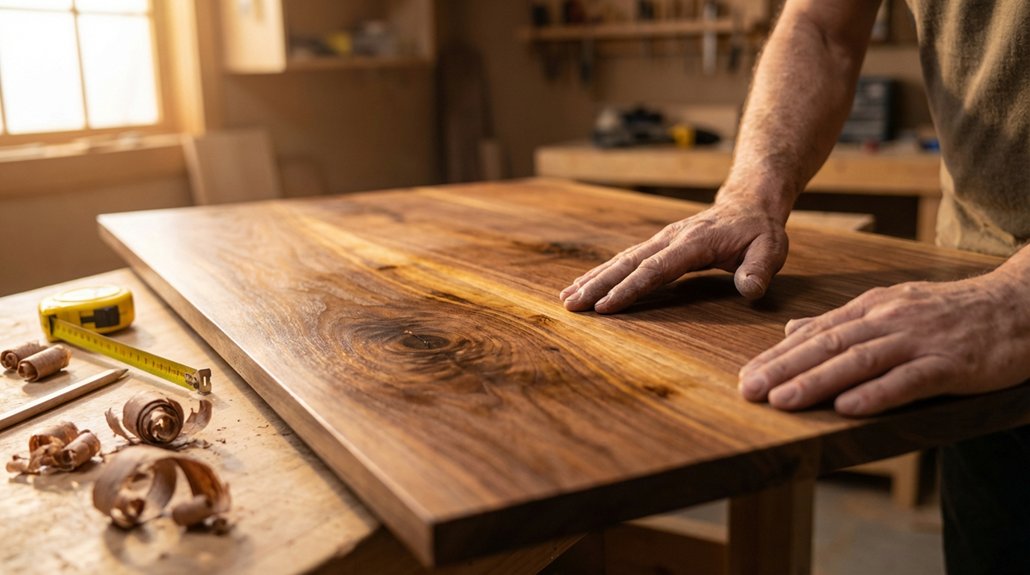
Solid wood furniture starts with the tactile experience of the wood. Customers need to understand the grain patterns clearly to visualize the surface before touching it. Wood can feel smooth and polished or rough and rustic. Use specific terms like “silky,” “hand-scraped,” or “lightly textured” to convey the exact tactile quality.
For example, “The fine grain patterns on this oak tabletop create a subtly textured surface that feels smooth under your fingertips.” This level of detail builds customer confidence in their purchase, even without physical inspection.
Grain Patterns Provide Clarity
Grain patterns define the wood’s character. Each piece of wood has unique lines and textures that customers should know. For instance, oak features prominent grain lines that add depth.
Cherry wood has a fine, smooth grain that contributes to a refined look. Understanding these variations helps customers choose the right piece for their space.
Surface Texture Influences Feel
Surface texture impacts how wood feels when touched. A smooth, polished finish on walnut offers a luxurious feel, while a hand-scraped surface on reclaimed wood provides a rustic touch.
Customers should know what to expect when they run their fingers across the wood. This information allows them to determine if the piece fits their style and comfort level.
Importance of Tactile Experience
Tactile experience is essential in solid wood furniture. Describing how the wood feels under the fingers builds anticipation and connection.
For example, a lightly textured pine surface invites a casual, homey feel. In contrast, a finely sanded maple surface exudes elegance. Providing this context enables customers to envision how the furniture will enhance their living space.
Limitations of Wood Texture Descriptions
Descriptions of wood texture have limitations. Not all finishes will appeal to every customer. Some may prefer the warmth of a rough finish, while others seek the sleekness of a polished surface.
Offering clear descriptions allows customers to find what suits their preferences, ensuring they choose a piece that meets their expectations.
Specific Examples Enhance Understanding
Specific examples improve customer understanding of wood textures. For instance, oak’s prominent grain may measure 1-2 millimeters in width, creating a distinct look.
Cherry wood’s fine grain may be less than 1 millimeter, offering a smoother appearance. Providing these details helps customers appreciate the uniqueness of each wood type, guiding their purchase decisions.
Conclusion: Focus on Wood Texture
Emphasizing wood texture is crucial in solid wood furniture descriptions. Clear, consistent language about grain patterns and surface textures informs customers and enhances their confidence in purchasing.
Focused descriptions that highlight specific attributes of wood allow customers to understand what they’re buying, ensuring satisfaction with their choices.
Evoke Scent and Warmth
Solid wood furniture engages the senses of smell and warmth, creating an emotional connection before customers even touch the product. Cedar releases a natural scent that evokes memories of cherished heirloom pieces, while walnut has a subtle, earthy aroma that can fill a room. The warmth of solid wood makes spaces feel inviting and lived-in.
When customers interact with wood, they feel its natural warmth against their skin, enhancing comfort. Descriptive phrases like “naturally warm to the touch” and “releases a gentle, earthy fragrance” allow customers to visualize experiencing these qualities in their homes.
These sensory details differentiate solid wood furniture from alternatives, providing a compelling reason for customers to choose it.
Paint Visual Grain Details
Grain Patterns Define Solid Wood Furniture
Grain patterns give solid wood furniture its visual identity. Customers can expect to see distinct characteristics in the wood that enhance the overall aesthetic of their pieces. Understanding these grain patterns helps customers visualize how the furniture will fit into their spaces.
Oak Grain Description
Oak features bold, straight lines that create a strong visual impact. The light brown tones in oak can range from pale beige to deeper caramel shades.
When customers look closely at oak, they’ll notice the straight grain running consistently throughout the surface. Some pieces may show small, dramatic knots, adding unique character to each item.
Walnut Grain Description
Walnut showcases flowing curves that provide a sense of elegance. The rich, dark color variations can transition from deep chocolate brown to lighter, warm hues.
Upon close inspection, customers will see sweeping grain patterns that swirl gently, creating a dynamic visual effect. The presence of occasional knots can enhance walnut’s natural appeal, making each piece one-of-a-kind.
Maple Grain Description
Maple presents subtle, tight patterns that offer a clean and refined look. The creamy white hues can feature slight variations, such as soft beige undertones.
Customers will find that maple’s straight grain runs uniformly across the surface, providing a smooth finish that highlights its minimalist beauty. This wood type typically lacks dramatic knots, ensuring a more uniform appearance.
By understanding these detailed descriptions of oak, walnut, and maple, customers can confidently visualize how each wood type will enhance their living spaces.
The clarity in grain patterns and color variations builds trust in their purchasing decisions.
Turn Solid Wood Specs Into Compelling Selling Points
The specifications of solid wood furniture—such as species, grain pattern, moisture content, and joinery type—provide essential details that impact durability and aesthetics. Understanding these specifications helps customers make informed decisions.
Wood Species and Durability
White oak offers superior durability. White oak resists dents and scratches, making it a practical choice for busy households.
Customers benefit from its strength and longevity, ensuring their furniture withstands daily use.
Joinery Type and Craftsmanship****
Mortise-and-tenon joints provide robust support. This traditional joinery method connects the frame without relying on glue or fasteners.
Customers appreciate the craftsmanship that ensures stability and longevity in their furniture.
Moisture Content and Stability
Proper moisture content prevents warping and cracking over time. Solid wood furniture with optimal moisture levels maintains its shape and functionality.
Customers can trust that their investment will last without unsightly damage.
By connecting each specification to real-world benefits, customers gain confidence in their purchase.
This approach builds trust and clarifies how solid wood furniture enhances their everyday lives.
Tap the Emotional Hooks That Actually Sell Solid Wood
Emotional storytelling drives furniture sales by connecting buyers to their future experiences with the product. Instead of listing technical details like wood species or joinery methods, focus on how the furniture enhances life.
Buyers choose furniture based on emotional connections, not just functionality. Use specific language that conveys comfort, family, and longevity.
For instance, say “this oak dining table serves as the heart of family gatherings for generations” instead of simply stating “solid oak construction.” This approach helps buyers envision their lives with the piece, creating a personal connection.
When buyers can picture their future with the product, they’re more likely to move from browsing to purchasing. This emotional link is crucial for closing sales and ensuring customer satisfaction.
Weave SEO Into Your Solid Wood Furniture Copy
Weaving SEO into your solid wood furniture copy involves a practical approach that focuses on balancing keyword integration with clear, informative language.
Begin with thorough keyword research to identify high-traffic terms, such as “solid oak dining table” and “handcrafted hardwood dresser.” These specific phrases indicate buyer intent, which helps attract customers ready to make a purchase.
Incorporate long-tail keywords throughout your product titles, descriptions, and meta text. Instead of awkwardly stuffing keywords, use them naturally. For example, instead of repeating “solid wood furniture” multiple times, include variations like “hardwood construction” or “sustainably sourced timber.” This ensures your content remains engaging while still targeting relevant search terms.
Focus on creating clear, informative content. When you write detailed product descriptions that genuinely help shoppers understand your offerings, you enhance both your search engine rankings and your conversion rates.
Aim to answer common questions directly, such as: “What materials are used?” or “What are the dimensions?”
Avoid vague language and clarify each point. For instance, specify that your “solid oak dining table measures 72 inches in length and seats six comfortably.” This specificity not only aids in SEO but also informs buyers exactly what they can expect.
While integrating keywords is essential, remember that overusing them can harm your readability and SEO performance. Prioritize providing value through detailed information about craftsmanship, materials, and sustainability practices.
This approach builds trust with potential buyers and keeps them engaged.
Lastly, consistently revisit and refine your SEO strategy based on performance analytics. Monitor which keywords drive traffic and adjust your content to optimize for them.
This ongoing process ensures that your solid wood furniture copy remains relevant and effective in attracting and converting customers.