

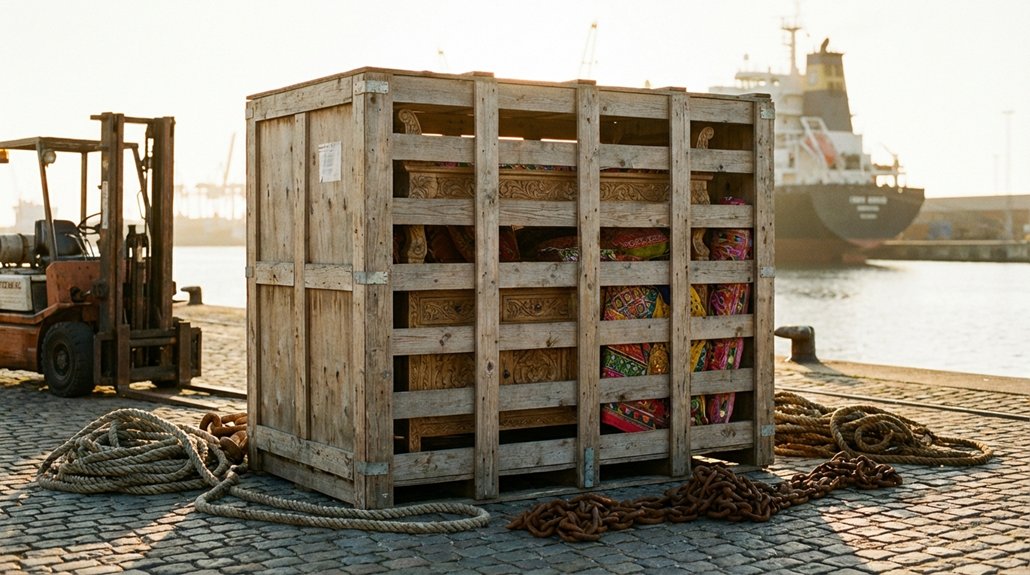
Importing furniture from India to Europe can significantly lower your procurement costs, but it demands thorough planning. First, you must vet suppliers to ensure they meet your quality standards. Next, negotiate terms that protect your interests and outline payment structures clearly. Arrange pre-shipment inspections to verify the quality and compliance of the furniture with your specifications.
You must also ensure that your wood packaging meets EU compliance standards. Non-compliance with these regulations can lead to delays or fines. Customs duties on imported furniture generally range from 0% to 5.6%, depending on the specific product classification. Additionally, VAT rates vary by country in Europe, so research these rates for your target markets.
Expect transit times to range from 20 to 30 days. This timeframe includes shipping and potential customs clearance. Properly managing each of these steps will streamline your import process and help you avoid costly mistakes. Keep these factors in mind to successfully import furniture from India to Europe.
Finding and Vetting Reliable Furniture Suppliers in India
Finding a reliable furniture supplier in India is crucial for a successful import process. Start your research on platforms like IndiaMart, Alibaba, and TradeIndia. These platforms list thousands of manufacturers. Vet each supplier thoroughly to ensure quality and reliability.
Request Samples to Verify Quality
Request product samples from potential suppliers. Sampling allows you to evaluate whether their quality assurance standards meet your requirements.
Requesting product samples from potential suppliers lets you evaluate their quality standards before making any commitments.
Use these samples to make informed decisions about which suppliers to consider further.
Confirm Ethical Sourcing and Compliance
Check that suppliers follow ethical sourcing practices. Verify that they comply with trade regulations in both India and your destination country, like those in Europe.
This step helps you avoid potential legal issues down the line.
Understand Cultural Communication Styles
Recognize that business communication styles differ across cultures. Familiarize yourself with Indian business etiquette to facilitate smoother discussions and negotiations.
This understanding can lead to better relationships with suppliers.
Discuss Pricing Strategies Upfront
Initiate discussions about pricing strategies early in the conversation. Clarifying costs helps you avoid unexpected expenses during the import process.
Ensure you understand the total price, including any hidden fees.
Establish Logistics Management Requirements
Discuss logistics management with potential suppliers. Confirm their capabilities for handling shipping, warehousing, and delivery timelines.
Clear expectations about logistics prevent delays and miscommunication during the import process.
Confirm Payment Methods
Clarify acceptable payment methods before proceeding. Discuss terms like payment schedules and deposits to ensure that both parties are on the same page.
This transparency helps to build trust.
Stay Informed on Market Trends
Keep track of market trends relevant to furniture manufacturing. Being informed allows you to negotiate competitive rates and understand pricing fluctuations.
Utilize this knowledge to strengthen your position during negotiations.
Use Clear Communication to Prevent Misunderstandings
Employ clear communication practices. Use written confirmations for agreements to establish mutual understanding.
This practice minimizes misunderstandings and builds a strong supplier relationship.
Conclusion
Finding a reliable furniture supplier in India requires thorough research, clear communication, and careful vetting. Remember that solid wood furniture options often reflect craftsmanship and durability, which can be essential for your import choices. Follow these steps to ensure you select a supplier that meets your quality, ethical, and logistical needs.
Samples, MOQs, and Negotiating Your First Order
Request product samples to evaluate the quality of materials and craftsmanship. Ensure the samples meet your specifications before proceeding. This step prevents issues with larger orders down the line.
Understand Minimum Order Quantities (MOQs)
Clarify the MOQ with your supplier. Many suppliers have strict MOQs that can vary widely. Starting with smaller orders may be possible if you communicate your needs clearly.
Establishing a manageable MOQ helps you mitigate risk.
Negotiate Terms
Negotiate key terms such as pricing, payment, and shipping.
- Pricing Strategies: Request volume discounts based on your projected order size.
- Payment Terms: Aim for a 30% deposit with the balance due upon delivery.
- MOQ Flexibility: Advocate for reduced minimum quantities to help you test the market.
- Shipping Timelines: Confirm delivery windows to ensure timely access to your products.
Build Supplier Relationships
Develop strong, lasting relationships with suppliers. Communicate openly and honor commitments.
Consistent communication builds trust and can lead to better terms over time. Additionally, consider furniture arrangement strategies that are effective in maximizing your space when the products arrive.
Confirm Quality Standards
Always verify quality standards before finalizing any agreement. Ensure that the products meet your expectations to avoid complications with future orders.
Inspecting Your Furniture Before It Leaves India
Before your furniture leaves India, use a pre-shipment inspection checklist to confirm that each piece meets your quality standards and matches your order specifications. This checklist should include specific criteria such as dimensions, finishes, joinery, upholstery, and packaging. Addressing defects at this stage prevents costly issues later.
If you can’t conduct the inspection personally, hire a reputable third-party inspection company based in India. These companies provide professional reviews and ensure that your furniture adheres to your standards before dispatch.
Use a Detailed Checklist
Create a detailed checklist that covers essential aspects of your furniture. For dimensions, measure each piece against your order specifications to confirm accuracy.
For finishes, check for consistency in color and texture across all items. Inspect joinery to ensure that joints are secure and aligned. Review upholstery for quality and to confirm that it matches your order.
Finally, examine packaging to ensure that it protects the furniture during transit.
Hire a Third-Party Inspection Company
If you choose to hire a third-party inspection company, research firms with a solid reputation in India. Verify their experience in furniture inspections and ask for references.
A reliable company will perform thorough checks based on your checklist and provide detailed reports, including photos and notes on any discrepancies.
Address Limitations and Constraints
Recognize that some limitations may arise during the inspection process. For instance, if the furniture is already packaged, you may not be able to inspect all aspects, particularly joinery.
In such cases, request additional photos or documentation from the manufacturer to fill in any gaps.
Ensure Consistency Across Inspections
Maintain consistency by using the same checklist for all inspections, whether conducted by you or a third-party company.
This consistency helps you track quality across different shipments and suppliers. Regularly update the checklist based on your findings and any changes in your specifications.
Additionally, understanding traditional furniture styles can provide insight into the craftsmanship and materials you should inspect for quality assurance.
Pre-Shipment Inspection Checklist
Conducting a pre-shipment inspection is crucial to safeguarding your investment when importing furniture from India. This inspection must include specific quality standards for wooden pieces, upholstered items, and metal fixtures. Identify and document issues such as surface defects, structural weaknesses, and finish inconsistencies.
Establish Inspection Criteria
Define clear inspection criteria for each furniture type to ensure quality. Wooden furniture should meet standards for grain consistency and treatment. Upholstered items must pass checks for seam integrity and fabric quality. Metal fixtures require verification of corrosion resistance and weld strength.
Document Common Issues
Document any common issues found during inspection. Record surface defects, such as scratches or dents, and note structural weaknesses, such as loose joints. Include details about finish inconsistencies, like color mismatches or uneven coatings.
Follow Inspection Timelines
Adhere to strict inspection timelines to prevent shipping delays. Schedule inspections at various production stages to catch issues early. Aim to complete the inspection at least two weeks before the planned shipping date.
Use a Documentation Checklist
Employ a documentation checklist to facilitate the inspection process. Track third-party certifications, material compliance records, and test results for each furniture piece. Ensure all documents are organized and accessible for reference.
Identify Risks Early
Identifying potential risks early in the process minimizes costly returns and customs complications. Pay attention to compliance with European import requirements to avoid issues at the border.
Hire a Qualified Inspector
Engage a qualified inspector who specializes in furniture imports. This inspector should have a strong understanding of European standards and regulations. A qualified inspector ensures your furniture meets all necessary requirements before leaving the factory.
Avoid Common Pitfalls
Avoid relying on vague descriptions or generalizations during inspections. Focus on specific attributes of each furniture type. Don’t overlook the importance of proper documentation; missing records can lead to delays or rejections during customs clearance.
Hiring Third-Party Inspectors
Once you finish your pre-shipment inspection checklist, hiring a third-party inspector ensures your furniture meets quality standards before leaving India. These inspectors verify that your order aligns with the agreed specifications, which protects your investment.
When selecting a third-party inspector, confirm their certification and experience specifically in furniture exports. This expertise is crucial for thorough inspections.
Budget for inspection costs, which typically range from $200 to $500 per visit, depending on the size and complexity of your shipment.
Establish clear communication channels to ensure you receive timely updates during the inspection process. Discuss how often the inspector should visit based on shipment size; larger orders may need several inspections to cover all items.
Request detailed final reports that document findings and include photographs of any issues. These reports serve as essential references for quality assurance.
If problems arise, having defined dispute resolution procedures in place protects your interests and facilitates quicker resolutions.
Consider asking your suppliers for inspector recommendations, but always verify the inspector’s independence to avoid conflicts of interest. This step is vital to ensure the integrity of the inspection process and maintain quality standards.
Wood Packaging Compliance Rules for Shipping to the EU
Before shipping your furniture from India to the EU, ensure all wood packaging materials—such as crates, pallets, and dunnage—comply with ISPM 15 standards.
ISPM 15 mandates heat treatment or methyl bromide fumigation to eliminate pests. The EU enforces this compliance rigorously.
All compliant wood packaging must display an official ISPM 15 mark that includes a unique country code, a producer code, and a treatment method symbol.
You must secure proper documentation, including phytosanitary certificates from India’s plant protection authorities.
EU customs officers will reject or destroy shipments that don’t meet these compliance standards, and you’ll bear the costs of non-compliance.
Take these steps seriously to avoid costly delays and ensure your shipments arrive smoothly in the EU.
ISPM 15 Treatment Requirements
When you ship furniture from India to Europe, you must comply with ISPM 15. ISPM 15 is the international standard governing the treatment of wood packaging materials in global trade. This standard applies to pallets, crates, and other wood packaging used to support or contain your furniture shipments.
To meet ISPM 15 requirements, you must treat your wood packaging using approved methods like heat treatment or methyl bromide fumigation. After treatment, your packaging must display an official ISPM certification mark. This mark indicates that your packaging meets phytosanitary standards.
European customs authorities inspect shipments for this mark. Non-compliant packaging can result in delays, fines, or even rejected shipments.
To ensure compliance, work with a certified Indian supplier. Certified suppliers guarantee that your wood packaging meets ISPM 15 requirements before your goods leave the port. This proactive approach minimizes the risk of customs issues and streamlines your shipping process.
Approved Wood Packaging Materials
Choosing the right wood packaging materials is crucial for ensuring your shipments comply with EU regulations. The EU mandates that all wood packaging must adhere to ISPM 15 guidelines. This includes pallets, crates, and dunnage made from raw wood. You must ensure these materials are either heat-treated or methyl bromide fumigated before shipping. Each piece needs an official IPPC mark that indicates the treatment type and country of origin.
Following these export regulations prevents delays or rejections at European ports. Work with certified manufacturers who produce ISPM 15-compliant packaging. Verify the markings on every piece before your goods leave India. Non-compliant materials can lead to costly holds or returns, which disrupts your entire supply chain.
In practice, always maintain a checklist for each shipment. Confirm that the wood packaging meets ISPM 15 standards and that all documentation is complete. Regular audits of your suppliers can help ensure ongoing compliance and reduce risks associated with non-compliance. For instance, if a shipment of 100 pallets is found non-compliant, you could face significant financial losses and operational delays.
Stay informed about any changes in EU regulations regarding wood packaging. Regularly review the IPPC guidelines and your materials to ensure ongoing adherence. This proactive approach not only safeguards your shipments but also enhances your reputation in the market.
EU Compliance Documentation Needed
To ship wood packaging materials from India to Europe, you must collect specific compliance documents that confirm your materials meet ISPM 15 standards. These documents ensure product safety and adhere to EU import regulations.
Start by obtaining a phytosanitary certificate from India’s National Plant Protection Organization (NPPO). This certificate verifies that your wood packaging has undergone the required treatment. You must include this certificate with your shipment for all customs procedures.
Next, secure a heat treatment or methyl bromide fumigation certificate, depending on the treatment method you choose. Both documents are essential to demonstrate compliance with EU standards.
Maintain copies of all documents in an accessible location. Customs officials may request these documents multiple times during the import process. Ensuring you have everything ready will help avoid delays and streamline your shipping logistics, ultimately saving time and costs at EU borders.
Shipping Costs and Container Options for Furniture From India
Understanding Shipping Costs and Container Options for Furniture from India
Shipping costs significantly impact your budget when importing furniture from India to Europe. You must choose the right shipping method to control expenses. The two primary options are Full Container Load (FCL) and Less than Container Load (LCL). FCL allows you to rent an entire container, ideal for large orders. LCL enables you to share container space with other shipments, making it suitable for smaller quantities.
Shipping costs can make or break your furniture import budget—choosing between FCL and LCL is essential.
Choosing Between FCL and LCL
Select FCL when your order fills a container. A 20-foot container accommodates approximately 25-28 cubic meters of furniture, while a 40-foot container holds about 55-58 cubic meters. This option is more cost-effective for larger shipments, as you pay for the whole container and avoid sharing costs with other importers.
Conversely, choose LCL if your shipment is smaller than 25 cubic meters. LCL allows you to pay only for the space you use within the container.
Transit Times and Port Considerations
Expect transit times from Indian ports, such as Mumbai or Chennai, to European ports to take between 20 to 30 days. The exact duration depends on your destination and the shipping route.
Be aware that delays can occur due to customs inspections or port congestion, impacting your delivery schedule.
Limitations of Each Shipping Method
Recognize that FCL requires a larger upfront investment, which may not be suitable for all businesses. If your order volume fluctuates, LCL allows flexibility but may lead to higher per-unit costs due to shared space.
Always calculate your total expenses, including shipping fees, customs duties, and handling charges, to determine the best option.
Practical Steps for Importing Furniture
- Assess Your Order Size: Determine whether your furniture order fits within FCL or LCL parameters.
- Choose a Shipping Partner: Work with a reliable freight forwarder experienced in furniture shipping from India. They can provide guidance on customs requirements and shipping documentation.
- Plan for Transit Times: Factor in the 20 to 30-day transit time when scheduling your inventory and deliveries.
EU Customs Duties, HS Codes, and Import Paperwork
When you import furniture from India to Europe, you must manage EU customs duties, HS codes, and import paperwork effectively.
First, classify your furniture using the correct HS code to determine applicable import tariffs. For wooden furniture, use HS Chapter 94. This classification directly impacts the duties you’ll pay.
Next, gather essential documentation. You need a commercial invoice, packing list, bill of lading, and certificate of origin. The certificate of origin is crucial because it may allow you to benefit from duty exemptions under EU trade agreements with India.
Standard EU import duties on furniture range from 0% to 5.6%, depending on the specific product type, which could significantly affect your cost structure.
To avoid compliance issues and delays at European ports, consider partnering with a licensed customs broker. This professional can streamline the process and ensure that you meet all requirements.
In summary, accurately classifying your furniture under the correct HS code and preparing all necessary documents are vital steps in the importing process.
Properly managing these elements helps avoid unexpected costs and delays.
How VAT Works When Your Furniture Arrives in Europe
Understanding VAT for Furniture Imports in Europe
When your furniture arrives in Europe, you must manage VAT alongside customs duties. VAT rates range from 17% to 27%, depending on the country. Knowing the payment processes and compliance guidelines can help you avoid unexpected costs.
Calculate VAT Accurately
VAT applies to the total value of your furniture, including shipping and customs duties.
Ensure your invoices reflect these accurate figures. Missing or incorrect information can lead to delays and unexpected expenses.
Explore Tax Exemptions
Some European countries offer tax exemptions for specific import regulations.
Research eligibility criteria in your destination country to identify any potential relief programs that could reduce your VAT liability.
Follow Customs Procedures
Submit the correct paperwork to ensure smooth customs clearance.
Accurate documentation aligns with compliance guidelines and prevents issues during the import process.
Failure to follow procedures can lead to fines or additional charges.
Collaborate with a Customs Broker
Working with a customs broker can streamline your import process.
A broker understands the VAT requirements and can help you navigate the complexities of customs documentation, ensuring compliance and minimizing unexpected costs.
Delivering and Storing Your Furniture Once It Clears Customs
Delivery and Storage of Furniture After Customs Clearance
Once your furniture clears customs, you must implement a detailed plan for delivery and storage. This plan should include transport logistics, freight forwarding, and final-mile delivery.
Arrange any necessary lifting equipment for large pieces early in the process. Confirm delivery timelines with your carrier before your shipment arrives to avoid incurring storage fees at the port.
If you can’t receive the shipment immediately, consider local storage options. Utilize bonded warehouses or third-party logistics providers for safe storage of your furniture.
These facilities will secure your items until you’re ready for final delivery. Inspect your furniture upon arrival and document any damage right away. Clear agreements with logistics partners will protect you if issues arise during delivery.
Key Steps for Delivery and Storage
- Coordinate Transport Logistics: Schedule freight forwarding and final-mile delivery well in advance. Plan for any lifting equipment required for large items.
- Confirm Delivery Timelines: Communicate with your carrier to establish clear delivery timelines. This reduces the risk of unexpected storage fees.
- Explore Storage Solutions: If immediate delivery isn’t possible, find bonded warehouses or third-party logistics providers. These options ensure your furniture remains safe until you’re ready to receive it.
- Inspect Upon Arrival: Conduct a thorough inspection of your furniture as soon as it arrives. Document any damage immediately to address issues with your logistics partners.
- Establish Clear Agreements: Create precise agreements with logistics partners to clarify responsibilities. This protects you from complications during the final delivery process.