

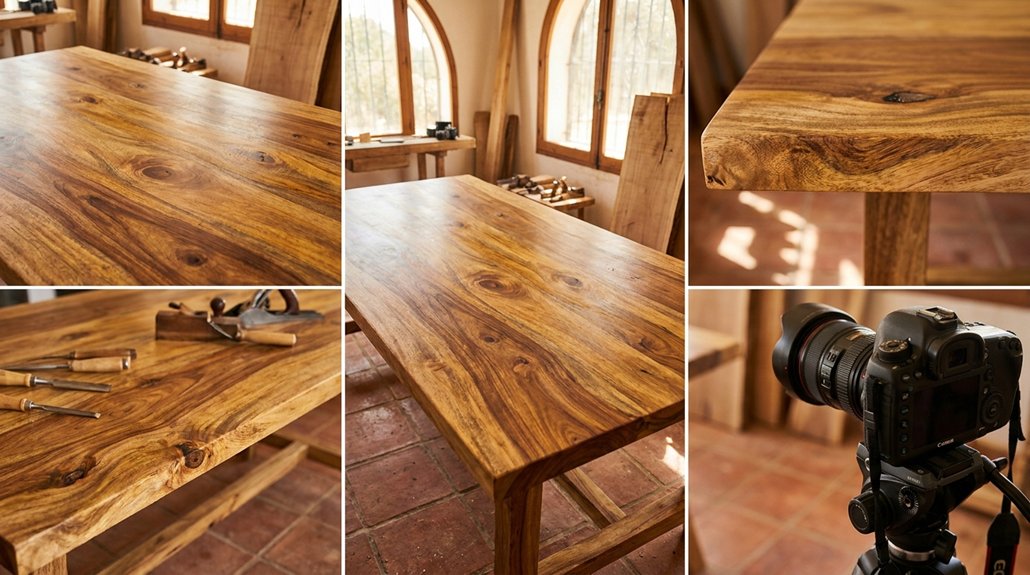
Mango wood serves as a sustainable and affordable hardwood option for furniture in España. This wood comes from trees that no longer produce fruit, ensuring an eco-friendly choice. Mango wood showcases unique grain patterns and warm color tones that range from golden brown to amber. Its durability and resistance to warping make it suitable for various furniture pieces, requiring minimal maintenance over time.
When purchasing mango wood furniture, inspect the surface for smoothness, ensuring it is free from rough spots. Check the joints to confirm they are strong and secure, which is crucial for longevity. A uniform finish indicates quality craftsmanship. Consider these factors to find the right mango wood piece that meets your aesthetic and functional needs.
Understanding the characteristics of mango wood can guide your decisions. Evaluate the wood’s natural variations to appreciate its distinctiveness. Aim for furniture that not only looks good but also stands the test of time. This practical approach will help you select pieces that enhance your home while being mindful of sustainability.
What Sets Mango Wood Apart From Other Hardwoods
Mango wood stands out among hardwoods due to its sustainability, unique aesthetics, straightforward maintenance, and affordability.
Mango Wood Sustainability
Mango wood comes from trees that are harvested after their fruit-bearing period, which allows for responsible forestry practices. By using mango wood, manufacturers reduce waste associated with tree removal. This approach supports eco-friendly furniture production compared to traditional hardwoods like oak or mahogany.
Unique Aesthetics of Mango Wood
Mango wood features distinctive grain patterns and color variations that give each piece a unique look. This natural beauty appeals to consumers looking for one-of-a-kind furniture. Each table or chair can have its own character, which is often lacking in more uniform hardwoods. Additionally, the unique grain patterns and color variations contribute to the aesthetic appeal and warmth found in solid wood furniture.
Maintenance Requirements of Mango Wood
Maintaining mango wood is simple. Regular oiling and basic cleaning are sufficient to keep the wood in good condition. This ease of care makes mango wood an attractive option for everyday use, as it requires less effort to maintain compared to other hardwoods.
Affordability of Mango Wood
Mango wood is generally more affordable than many other hardwoods, making it accessible to a broader range of buyers. This cost-effectiveness allows manufacturers to produce high-quality furniture without significantly increasing prices.
Why Mango Wood Is Worth the Investment
Investing in mango wood furniture provides long-term benefits. Mango wood is durable, resistant to warping, and withstands daily wear and tear. The rapid growth of mango trees means they can be harvested sustainably without the need for replanting, minimizing environmental impact. This sustainability also helps keep production costs low.
Mango wood’s durability and sustainable growth make it a smart, long-lasting investment for any home.
Mango wood furniture offers unique visual appeal due to its distinct grain patterns. Each piece stands out, adding character to your home. The density of mango wood ensures it maintains structural integrity over time, reducing the need for frequent replacements.
In the furniture market, particularly in Spain, mango wood pieces often retain their value. By choosing mango wood, you purchase furniture that combines aesthetic appeal, environmental responsibility, and durability. Additionally, investing in durable fabrics can enhance the longevity of your furniture pieces.
This choice not only enhances your space but also supports sustainable practices in the furniture industry.
Mango Wood’s Grain, Color, and Durability Explained
Mango wood furniture offers a combination of unique aesthetics and practical durability. When you examine mango wood, you’ll find grain patterns that vary from straight to wavy. Each piece of furniture reflects this diversity, ensuring a distinct visual appeal. The color of mango wood ranges from golden brown to darker amber tones, with occasional streaks of pink or green adding character.
| Feature | Description | Benefit |
|---|---|---|
| Grain Pattern | Straight to wavy | Provides unique visual appeal |
| Color Range | Golden to dark amber | Ensures warm, rich aesthetics |
| Hardness | Janka rating ~1,070 lbf | Resists dents and scratches |
| Density | Moderately dense | Balances weight and strength |
| Durability | High resistance to wear | Ensures long-lasting furniture |
Mango wood handles daily use effectively. Its density resists warping, which keeps furniture sturdy over time. Additionally, the hardness rating of approximately 1,070 lbf indicates strong resistance to dents and scratches, making mango wood a practical choice for busy households. Moreover, its warm tones align well with traditional furniture styles, enhancing the overall aesthetic appeal of various spaces.
When selecting mango wood for furniture, be aware of its limitations. While it is durable, it can still be susceptible to extreme moisture conditions, which may affect its structural integrity. Therefore, placing mango wood furniture in excessively humid areas may not be advisable.
How to Spot Quality Mango Wood Before You Buy
When you shop for mango wood furniture, identify key features to ensure a solid investment.
Examine the wood grain closely. Quality mango wood displays irregular and flowing patterns with natural color variations, including shades from golden brown to darker streaks.
The grain of quality mango wood flows irregularly, showcasing rich color variations from golden brown to deep, natural streaks.
Run your hand across the surface. Quality mango wood should feel smooth and consistent. Avoid pieces that have soft spots or rough patches, as these indicate inferior quality.
Inspect the joints and edges. Strong joints signify good craftsmanship, while weak joints suggest poor construction.
Check the finish on the mango wood. A uniform finish that doesn’t crack or peel at the corners indicates quality.
Inquire about maintenance requirements. Well-finished mango wood generally requires minimal upkeep, making it easier to care for in the long run.
Avoid furniture with visible warping or excessive knots. These features often suggest lower-grade mango wood that may not withstand the test of time.
The Best Mango Wood Furniture Styles for Spanish Homes
Mango wood furniture effectively enhances Spanish home design with its warm tones and distinct grain patterns. This type of furniture caters to both rustic and modern styles.
In traditional Spanish interiors, choose carved dining tables and heavy sideboards to reflect local craftsmanship. These pieces work well with terracotta floors and whitewashed walls, creating a cohesive look.
For a contemporary aesthetic, select clean-lined mango wood shelving and minimalist bed frames. These options integrate seamlessly with the neutral color palettes often found in modern Spanish apartments.
You can also introduce mango wood accent pieces, such as coffee tables and benches, into your existing décor. Each piece’s unique grain variation adds character to any space.
When considering mango wood, remember that its durability makes it suitable for high-traffic areas. However, avoid placing mango wood furniture in excessively humid environments, as this can cause warping.