

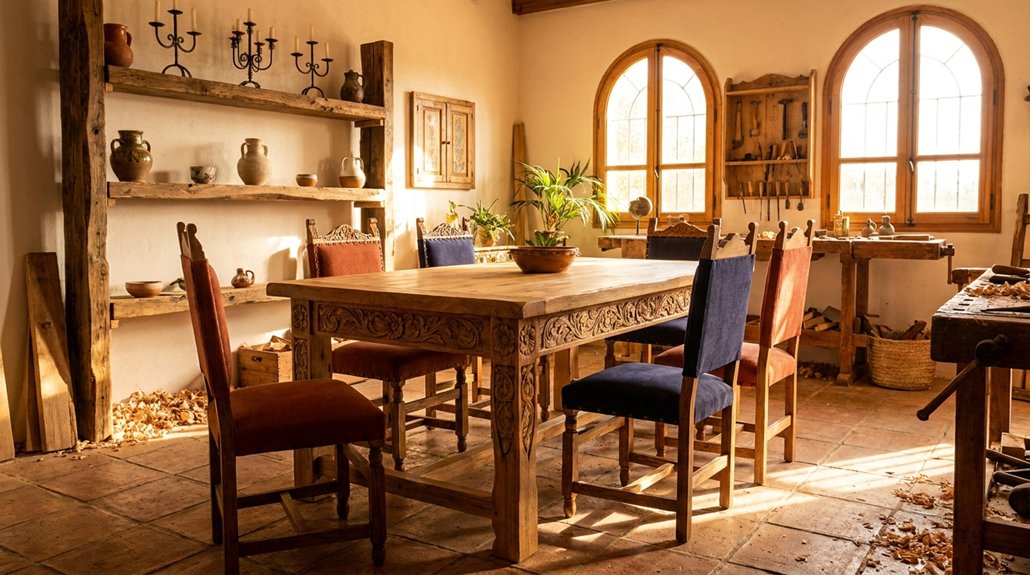
Spanish handmade furniture offers a unique blend of craftsmanship, regional artistry, and cultural heritage. Each piece is designed to last generations, showcasing traditional techniques from regions like Catalonia, Andalusia, and Castile. Artisans use hand-carving tools, traditional joinery, and locally sourced materials to create functional art that enhances your home’s character and value.
When selecting furniture, consider the specific style that fits your space. For example, a hand-carved dining table from Catalonia can serve as a centerpiece while adding rustic charm. Similarly, an Andalusian sideboard can provide storage and serve as a statement piece.
Investing in Spanish handmade furniture means supporting local artisans and preserving traditional techniques. These pieces are not mass-produced; they reflect the individual artistry and dedication of skilled craftspeople. By choosing handmade items, you ensure your furniture is not only beautiful but also built to withstand daily use over time.
Explore various options tailored to your needs. Whether furnishing a single room or your entire home, you can find unique pieces that align with your aesthetic. Remember, each item tells a story, representing the region’s heritage and the artisan’s skill.
What Sets Spanish Handmade Furniture Apart From the Rest
Spanish handmade furniture showcases exceptional craftsmanship that has evolved over centuries. Artisans create each piece with meticulous attention to detail, using techniques that have been refined and passed down through generations. This commitment to quality ensures that every item is durable and built to withstand the test of time.
Each piece of Spanish handmade furniture reflects centuries of refined craftsmanship, built with precision to endure generations.
Cultural Significance in Design
Spanish handmade furniture reflects the country’s diverse cultural heritage. Each design incorporates regional influences, showcasing unique woodwork and bold geometric patterns. These elements not only enhance aesthetic appeal but also convey stories of the local history and traditions, connecting the furniture to its roots.
Precision in Crafting
Artisans focus on precision during the crafting process. They select high-quality materials to ensure longevity. Unlike mass-produced alternatives, each Spanish handmade piece is created with intention, prioritizing craftsmanship over speed. This careful approach results in furniture that serves as both functional items and artistic statements.
Investment in Art
Purchasing Spanish handmade furniture means investing in lasting art. Each piece isn’t just furniture; it represents the skill and dedication of the artisan. Buyers acquire unique items that carry inherent value, enhancing their living spaces with both beauty and cultural significance. Additionally, the commitment to meticulous attention to detail in the crafting process ensures that each piece is unique and truly one-of-a-kind.
Limitations and Considerations
While Spanish handmade furniture offers numerous advantages, it can come with higher price points compared to mass-produced options. Buyers should consider their budget and the potential long-term value of investing in durable, handcrafted pieces. Understanding the craftsmanship behind each item can help justify the investment.
Conclusion
Spanish handmade furniture stands out due to its craftsmanship, cultural significance, and precision. Each piece embodies a rich history and provides lasting value, making it a worthwhile addition to any home. By choosing Spanish handmade furniture, buyers support traditional artisanship and bring unique artistry into their living spaces.
Traditional Styles That Define Spanish Artisan Craftsmanship
Spanish artisan furniture showcases a strong Moorish influence, evident in the intricate geometric patterns carved into wood surfaces. Craftsmen in Spain use detailed motifs like arabesques, floral designs, and interlocking shapes to reflect their cultural heritage.
For instance, in Castile, artisans create bold, heavy furniture pieces, while in Catalonia, craftsmen focus on more refined, decorative designs.
Moorish Influence Shapes Craftsmanship
Moorish influence shapes the craftsmanship of Spanish artisan furniture. Craftsmen incorporate geometric patterns into their designs, creating visual depth and complexity.
These patterns often feature repetitive shapes that demonstrate precision and skill.
Regional Styles Differentiate Furniture Design
Regional styles differentiate furniture design across Spain. In Castile, artisans prioritize robust construction, opting for heavy wood and solid forms.
In contrast, Catalonian craftsmen favor lighter, ornamental pieces that emphasize elegance and detail. This diversity in style highlights the rich cultural fabric of Spain.
Specific Techniques Enhance Artisanal Quality
Specific techniques enhance the quality of Spanish artisan furniture. Carpenters employ traditional joinery methods, such as mortise and tenon, ensuring durability.
Additionally, artisans use hand-carving tools to create intricate designs, which require significant skill and time.
Limitations of Modern Production Methods
Modern production methods often lack the intricacy found in traditional craftsmanship. Mass-produced furniture doesn’t replicate the unique characteristics of handmade pieces.
This can result in a loss of cultural authenticity and craftsmanship.
Conclusion: Valuing Artisan Craftsmanship
Valuing artisan craftsmanship means recognizing the unique features of Spanish furniture. The Moorish influence and regional variations contribute to a diverse landscape of designs, reflecting traditional styles that have shaped the history of furniture design. Understanding these elements enhances appreciation for the skill and tradition behind each piece.
Moorish Influence in Woodwork
Moorish Influence in Spanish Woodworking
The Moorish legacy significantly shaped Spanish woodworking during the nearly 800 years of Islamic rule in the Iberian Peninsula. Craftsmen adopted Moorish techniques, including geometric patterns, arabesques, and interlocking star designs. These techniques became essential in creating furniture with intricate carvings.
Artisans focused on geometric shapes, which allowed them to produce visually striking patterns. For instance, artisans crafted mashrabiya screens and decorative panels using precise mathematical methods. These designs often included repeated geometric elements that formed complex compositions.
Even after the Reconquista, Spanish woodworkers continued to incorporate Moorish elements into their craft. They blended these designs with European styles, resulting in a unique aesthetic. This fusion defines authentic Spanish handmade furniture today.
In practical applications, the integration of Moorish designs into Spanish woodworking highlights the historical influence of Islamic craftsmanship. The resulting furniture showcases a blend of cultural techniques that remain relevant in contemporary woodcraft.
Carved Motifs and Patterns
Carved Motifs and Patterns in Spanish Artisan Furniture
Spanish artisan furniture features carved motifs and patterns that directly build on Moorish geometric designs. Craftsmen employ decorative techniques such as interlacing vines, floral rosettes, and star-shaped polygons to create intricate surfaces. Each of these patterns reflects a cultural significance rooted in Spain’s history, influenced by Islamic, Gothic, and Renaissance styles.
Artisans carve these motifs by hand using chisels and gouges, ensuring that no two pieces are identical. This craftsmanship requires considerable skill and attention to detail, allowing artisans to create unique furniture items.
You can often spot repeating arabesques and medallion designs that illustrate the level of expertise involved.
The distinct character of Spanish artisan furniture contrasts sharply with mass-produced alternatives. Each handcrafted item represents a genuine investment for your home, showcasing a history and artistry that can’t be replicated in factory settings.
Regional Styles Across Spain
Spain’s regions showcase unique furniture traditions that reflect local history, climate, and materials.
In Catalonia, Catalan Modernism emphasizes organic shapes and intricate details. This style incorporates curved lines, natural motifs, and high-quality craftsmanship derived from the early 20th-century Art Nouveau movement. Artisans in this region focus on blending aesthetics with functionality, creating furniture that’s both beautiful and practical.
In southern Spain, Andalusian Rustic furniture highlights dark woods and hand-forged iron hardware. This style uses earthy tones and incorporates Moorish influences, which are evident in the intricate designs and robust construction. Craftsmen prioritize durability while maintaining a connection to the region’s cultural heritage.
Castilian furniture stands out for its solid oak construction and geometric carvings. Artisans emphasize strength and simplicity, ensuring that each piece is both visually striking and highly functional.
These furniture styles not only serve practical purposes but also represent the historical narratives of their respective regions.
When you choose Spanish handmade furniture, you’re selecting a piece that embodies local craftsmanship and cultural significance. Each piece reflects the skills and traditions passed down through generations, making it an investment in both quality and heritage.
Spain’s Best Regions for Authentic Handmade Furniture
If you want authentic handmade furniture, focus on three key regions in Spain: Catalonia, Castile, and Andalusia. Each region has specific craftsmanship traditions that shape their unique styles and techniques.
For example, Catalonia is known for its modernist designs, using materials like oak and walnut, while Castile excels in traditional wooden furniture with intricate carvings. Andalusia showcases vibrant colors and intricate tile work, often incorporating leather and wrought iron.
Understanding these differences helps you assess the craftsmanship behind each piece. When you evaluate furniture, look for specific characteristics that indicate regional origins. Catalonia’s pieces may feature clean lines and contemporary forms, while Castilian furniture might display elaborate details and rustic finishes. Andalusian items often embody a fusion of textures and colors.
Identifying the artisan techniques can also guide your purchasing decisions. For instance, artisans in Catalonia often use innovative joinery methods that enhance durability. Castilian craftsmen may focus on time-honored techniques passed down through generations, ensuring authenticity. In Andalusia, artisans use local materials, reflecting the region’s cultural heritage.
When you consider buying handmade furniture, pay attention to the materials and designs that resonate with you. Each region offers distinct options, and knowing their characteristics will help you make informed choices. This clarity will enhance your appreciation for the craftsmanship and story behind each piece. Additionally, understanding the joinery techniques can significantly influence the durability and quality of the furniture you choose.
Top Furniture-Making Regions
When discussing handmade furniture in Spain, several regions stand out for their specific craftsmanship and woodworking traditions.
Catalonia Blends Modern Design and Artisan Techniques
Catalonia produces furniture that merges modern design with traditional artisan techniques.
Craftsmen in this region focus on functionality and style, resulting in pieces that serve practical purposes while also being visually appealing.
Castile and León Utilizes Local Materials
Castile and León specializes in furniture made from rich oak and walnut.
Craftsmen source these materials locally from the region’s abundant forests.
This practice not only supports local ecosystems but also ensures that the wood is high quality and durable.
Andalusia Features Intricate Carvings
Andalusia is known for its intricate carved designs that draw inspiration from Moorish architecture.
Artisans create distinctive decorative pieces, using techniques passed down through generations.
This region’s furniture often serves as a focal point in home decor, thanks to its unique appearance.
Valencia Combines Mediterranean Aesthetics with Skilled Workmanship
Valencia produces furniture that reflects Mediterranean aesthetics while emphasizing skilled woodworking.
Craftsmen focus on creating elegant and durable pieces that can withstand the test of time, catering to both functional needs and aesthetic desires.
Galicia Specializes in Rustic Chestnut Wood Furniture
In northwestern Spain, Galicia specializes in rustic furniture made from chestnut wood.
Local craftsmen employ centuries-old techniques to create sturdy, rustic pieces that resonate with traditional Spanish culture.
These furniture items are often sought after for their authenticity and craftsmanship.
Each region of Spain contributes its own identity to furniture-making, offering a diverse range of styles, techniques, and materials.
Whether you’re looking for modern elegance, rustic charm, or intricate designs, understanding these regional specialties will guide your choices in handcrafted furniture.
Regional Craftsmanship Traditions
Each region in Spain contributes unique characteristics to furniture-making. Understanding these regional traditions enhances your appreciation for the authenticity of each piece.
Catalonia combines Gothic and Modernist styles, resulting in furniture with a distinct visual identity. Craftsmen in this area use techniques that have evolved over centuries, focusing on intricate designs that reflect their cultural history.
Castile relies on dark walnut and oak to create durable furniture. This region’s craftsmen produce sturdy pieces that carry deep cultural significance, rooted in medieval Spanish traditions.
The choice of materials and construction methods reflects a commitment to quality and heritage.
Andalusia incorporates Moorish geometric patterns into its designs, linking each piece to its Islamic heritage. Artisans in this region focus on craftsmanship that highlights these historical influences, ensuring that each item tells a story.
Galicia prefers chestnut wood and employs traditional carving methods that have been passed down through generations. This focus on local materials and techniques illustrates a strong connection to community values.
When you choose handmade Spanish furniture, you’re selecting an item that embodies the rich craftsmanship traditions of its region.
Each joint, curve, and finish carries the weight of history and culture, making every piece not just furniture, but a part of Spain’s diverse heritage.
How to Choose Authentic Handmade Furniture in España
Choosing authentic handmade furniture in España requires you to identify specific characteristics that ensure quality and craftsmanship. Focus on verifying artisan techniques that have been passed down through generations. Prioritize materials sourced locally, as this is a strong indicator of authenticity.
Look for these key signs:
- Natural materials: Seek wood, leather, and iron specifically from Spanish regions. For example, oak from Galicia or leather from Ubrique.
- Handcrafted joints: Examine joints for signs of handwork. Authentic pieces won’t use mass-produced fasteners or uniform machine cuts.
- Maker’s mark: Ensure the furniture has a signature, stamp, or certificate from the artisan. This mark confirms the piece’s origin.
- Regional style: Identify designs that reflect specific Spanish traditions, such as Andalusian, Castilian, or Catalan styles.
Engage with sellers about their production process. Reputable artisans will gladly explain their methods and sources. Buying directly from local workshops or certified artisan markets significantly enhances your chances of acquiring quality, authentic handmade furniture.
Avoid purchasing from mass retailers or generic online platforms that lack transparency about the production process. These options usually don’t support local artisans and may offer lower quality materials.
Where to Buy Unique Handmade Furniture in España
To find unique handmade furniture in España, focus on local artisans and specialized workshops. Visit craft markets and regional fairs to connect directly with makers and evaluate their work in person.
In cities like Seville, Valencia, and Barcelona, you can find dedicated furniture workshops that often have small showrooms. These showrooms allow you to see the craftsmanship up close and discuss custom options directly with the artisans.
For those who prefer online shopping, look for platforms that feature verified Spanish craftspeople. These platforms provide a reliable way to purchase handmade furniture while supporting local artisans.
When selecting a seller, prioritize artisans who practice sustainable sourcing. This means they use responsibly harvested wood and natural materials, which is crucial for both quality and environmental responsibility.
Avoid large generic retailers if you value authenticity. Buying from local artisans not only guarantees you receive genuinely handcrafted pieces but also supports regional economies and helps preserve traditional woodworking skills.
This direct relationship with artisans ensures that you get furniture made with care and attention to detail.
Caring for Your Spanish Handmade Furniture Long-Term
Care for Your Spanish Handmade Furniture Long-Term
To maintain the beauty and structural integrity of Spanish handmade furniture, implement consistent care practices. Regular maintenance extends the life of your furniture for decades. Follow these specific actions:
- Dust Furniture: Dust your Spanish handmade furniture weekly using a soft, lint-free cloth. This action prevents surface scratches that can mar the finish.
- Apply Protective Finishes: Apply a protective finish every one to two years. This practice shields the wood from moisture and UV damage, preserving its appearance.
- Avoid Direct Sunlight and Heat Sources: Position your furniture away from direct sunlight and heating vents. This action prevents warping and cracking in the wood over time.
- Clean Spills Promptly: Address spills immediately with a slightly damp cloth. After cleaning, dry the surface thoroughly to prevent moisture damage.
- Inspect Joints and Hardware: Inspect joints and hardware once a year. Tighten any loose connections to maintain structural integrity before issues worsen.
- Avoid Harsh Cleaners: Don’t use harsh chemical cleaners on your furniture. These products strip natural oils from the wood, leading to deterioration.