
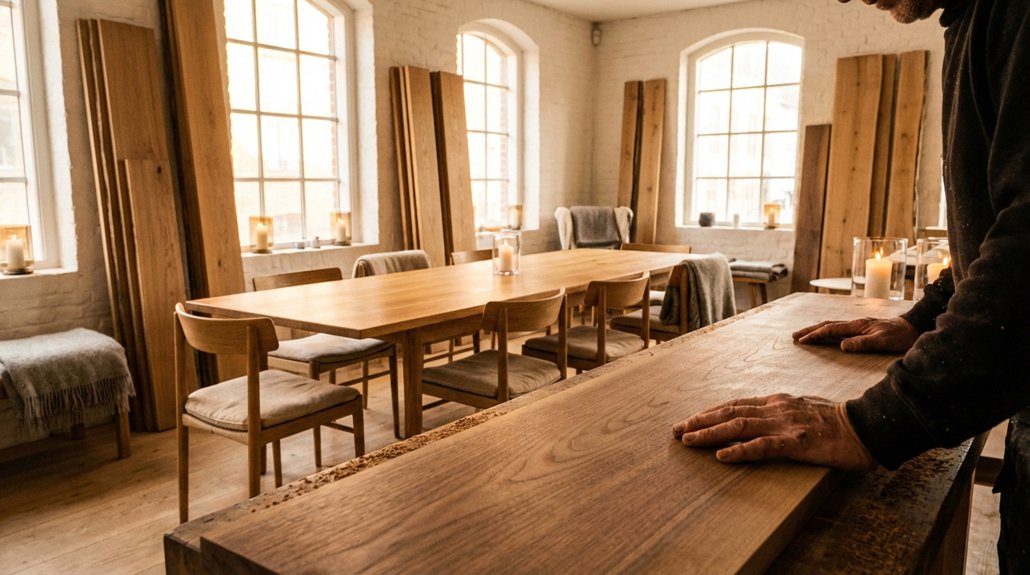
Denmark’s furniture market prioritizes solid wood due to its alignment with hygge values, Danish Modern design, and a cultural focus on durability and sustainability. Oak accounts for approximately 40% of furniture sales. Matte and natural oil finishes are preferred over glossy options, reflecting consumer preferences for a natural aesthetic.
Danish consumers demand precise craftsmanship and responsibly sourced timber. They value long-lasting structural integrity in their furniture. Retailers like BoConcept, online platforms, and local artisans serve as primary shopping avenues for these customers.
Pricing strategies must reflect quality and design rather than just material costs. For example, a well-crafted oak dining table may command a higher price due to its durability and aesthetic appeal. Understanding these dynamics is crucial for success in the Danish furniture market.
Why Denmark Is a Prime Market for Solid Wood Furniture
Denmark boasts a strong tradition of quality furniture design, emphasizing natural materials, clean lines, and durable craftsmanship. Danish consumers prioritize solid wood furniture that aligns with these values.
Solid wood meets the demand for sustainability and authenticity in Scandinavian design. High income levels in Denmark enable consumers to invest in premium furniture. They prefer solid wood items that can last decades instead of years.
Solid wood furniture lasts decades, meeting Danish consumer demand for sustainable, authentic, and premium-quality Scandinavian design.
The Danish lifestyle, centered around hygge, promotes creating warm and comfortable home spaces. Solid wood furniture directly supports this lifestyle. Targeting the Danish market means focusing on quality and durability, which are essential to buyers.
Danish Consumers Seek Quality Furniture
Danish consumers actively search for furniture that reflects their cultural values. They value pieces made from solid wood for their durability and natural aesthetics.
This preference drives demand for high-quality furniture that can withstand the test of time.
Solid Wood Aligns with Scandinavian Design Trends
Solid wood aligns with the Scandinavian trend of sustainability. Consumers increasingly choose products made from authentic materials, as Scandinavian design emphasizes minimalism and functionality.
Solid wood furniture not only meets this demand but also appeals to the desire for eco-friendly options.
High Income Levels Enable Premium Purchases
Denmark’s high income levels allow consumers to spend more on quality furniture. This financial capability leads to a willingness to invest in solid wood pieces.
Consumers expect their purchases to last, which influences their buying decisions.
Hygge Lifestyle Supports Solid Wood Choices
The Danish concept of hygge emphasizes comfort and warmth in home environments. Solid wood furniture contributes to creating these inviting spaces.
Consumers who embrace hygge often select solid wood items that enhance their living areas.
Conclusion: Focus on Quality in the Danish Market
To succeed in the Danish furniture market, emphasize quality and sustainability. Solid wood furniture meets the expectations of Danish consumers who value long-lasting, authentic pieces.
Understanding these preferences will guide your approach and help you connect with this discerning market.
How Danish Modern and Hygge Drive Solid Wood Buying Decisions
When analyzing Denmark’s furniture market, Danish Modern design and hygge directly influence consumer buying decisions. Danish Modern design features clean lines and functional styles. These characteristics have remained popular since the mid-20th century. Buyers actively seek solid wood furniture that embodies this aesthetic, prioritizing quality and craftsmanship.
Hygge emphasizes coziness and comfort in everyday life. This cultural value drives consumers to choose natural wood furniture, as it fosters warm and inviting spaces. Solid wood pieces not only provide durability but also enhance the overall atmosphere of homes, aligning with hygge principles.
Solid wood furniture appeals to consumers for its tactile quality and long-lasting nature. Buyers appreciate that solid wood often develops a unique patina over time, which adds character. Furthermore, solid wood furniture supports sustainability efforts, as many manufacturers source materials responsibly. Traditional craftsmanship techniques also contribute to the longevity and quality of these pieces.
Danish Modern and hygge collectively shape preferences in the furniture market. Consumers prioritize both aesthetic and emotional connections when selecting pieces for their homes. As a result, the demand for solid wood furniture continues to rise, reflecting a commitment to quality and the values of comfort and style.
Danish Modern’s Enduring Appeal
Understanding Danish Modern to Sell Solid Wood Furniture
Danish Modern furniture design continues to influence consumer choices because it focuses on simplicity and timelessness. This design movement, which began in the mid-20th century, directly impacts how solid wood furniture is marketed in Denmark.
To effectively sell solid wood furniture, it’s crucial to understand and leverage the characteristics of Danish Modern design.
Clean Lines Enhance Versatility
Danish Modern furniture features clean lines that integrate seamlessly into various interior styles.
Solid wood furniture with these characteristics appeals to consumers looking for versatile options that enhance their living spaces. By showcasing how clean lines elevate the aesthetic of solid wood pieces, sellers can attract a broader audience.
Functional Forms Improve Everyday Use
Danish Modern emphasizes functional forms that prioritize usability in daily life.
Solid wood furniture designed with practicality in mind meets consumer needs for durability and ease of use. Highlighting specific features, such as multi-functional tables or ergonomic seating, can demonstrate the everyday value of solid wood pieces.
Natural Materials Ensure Longevity
Danish Modern celebrates natural materials like wood, which underscore craftsmanship and longevity.
Solid wood furniture aligns with this principle, offering products that withstand the test of time. When marketing solid wood, emphasize the quality of materials and the artisanship involved in manufacturing, which resonate with consumers valuing sustainability.
Understated Aesthetics Maintain Timelessness
Danish Modern’s understated aesthetics ensure that furniture never feels outdated.
Solid wood pieces often embody this principle, providing a classic look that appeals to consumers across generations. By focusing on the timeless design of solid wood furniture, sellers can position their products as lasting investments.
Conclusion: Aligning Products with Consumer Values
Selling solid wood furniture in Denmark requires a clear understanding of Danish Modern’s principles.
By emphasizing clean lines, functional forms, natural materials, and understated aesthetics, sellers can effectively communicate the value of their products.
This alignment not only attracts consumers but also honors the design movement that has shaped furniture choices for decades.
Hygge’s Role in Purchasing
Hygge influences furniture buying decisions by emphasizing coziness and togetherness. When consumers focus on hygge, they prioritize solid wood furniture because it provides warmth and emotional comfort. Solid wood’s textures and tones create inviting spaces, which align with hygge values. Danish consumers view solid wood pieces as essential for fostering relaxation and connection.
This emphasis on hygge affects purchasing priorities. Consumers assess how each piece contributes to their home’s atmosphere rather than just its aesthetic appeal. For example, a sturdy oak table encourages family gatherings, aligning with hygge principles. Solid wood’s durability appeals to hygge-oriented buyers because long-lasting furniture supports stable, comfortable living environments.
While solid wood furniture is favored, limitations exist. Not all wood types are equally durable, and some can be costly. Buyers should consider budget constraints when selecting furniture. Additionally, not every piece will fit seamlessly into a hygge-inspired space. It’s crucial to evaluate how each item complements the overall design and atmosphere.
In practical terms, consumers should look for specific characteristics in solid wood furniture, such as grain patterns and finishes, to ensure they align with hygge’s cozy aesthetic. Choosing the right pieces ultimately enhances the home’s environment and reflects the values of this Danish lifestyle philosophy.
Wood’s Emotional Resonance
Danish consumers prioritize emotional connections when choosing solid wood furniture. This connection influences their decisions and reflects deeply rooted values.
Heritage Appeal
Danish furniture buyers value wood because it connects modern designs to traditional craftsmanship.
Buyers appreciate how solid wood signifies a commitment to quality and cultural heritage.
Nostalgia Factor
Familiar grain patterns in solid wood evoke memories of childhood homes.
Buyers often recall family gatherings and significant life events associated with wooden furniture, making each piece more meaningful.
Sensory Experience
The natural texture and warmth of wood create immediate comfort.
Buyers engage with materials they can touch and feel, enhancing their overall experience and satisfaction with the product.
Longevity Symbolism
Solid wood represents durability and lasting quality.
Buyers see solid wood as a reliable investment, reinforcing their trust in the furniture they purchase.
Conclusion
Danish consumers invest in furniture that has personal significance.
Understanding the emotional resonance of solid wood can help manufacturers and retailers position their products effectively in the Danish market.
What Danish Consumers Expect From Solid Wood Furniture
To sell solid wood furniture in Denmark, you must understand Danish consumer expectations. Danish buyers prioritize craftsmanship, specifically looking for precise joinery, durable finishes, and furniture designed to last generations.
They expect brands to provide full material transparency, detailing where the wood comes from and how it’s sourced sustainably.
Danish consumers value craftsmanship. They assess joinery quality, looking for tight-fitting joints that demonstrate skill in woodworking. They scrutinize finishes, preferring those that protect the wood while showcasing its natural beauty.
Furniture must withstand daily use over decades, reflecting the consumer’s investment in quality.
Transparency in sourcing is crucial. Danish buyers want clear information about the origins of the wood used in furniture. They seek assurance that the wood is sourced responsibly, adhering to sustainable practices.
Brands must communicate their sourcing policies, often providing documentation or certifications that verify sustainable methods. Understanding traffic patterns helps manufacturers meet the demands of the Danish market. By focusing on craftsmanship, durability, and transparency, brands can establish trust and loyalty among Danish consumers.
Quality and Craftsmanship Standards
Danish consumers expect solid wood furniture to meet strict quality and craftsmanship standards. If you want to succeed in this market, your products must adhere to these essential criteria:
- Joinery Precision: Danish buyers demand tight, durable joints that lack gaps or weaknesses. For example, use traditional dovetail or mortise-and-tenon techniques to ensure strength.
- Surface Finishing: Smooth and even finishes are crucial. Use safe, non-toxic treatments that preserve the wood’s natural beauty. Aim for a consistent sheen that complements the overall design.
- Wood Selection: Consumers insist on sustainably sourced, defect-free timber. Prioritize wood that has been certified by reputable organizations like the Forest Stewardship Council (FSC).
- Structural Integrity: Furniture must resist warping or loosening over decades of daily use. Use high-quality adhesives and sturdy construction methods to enhance durability.
Danish buyers thoroughly inspect furniture before making a purchase. They aren’t simply acquiring a product; they’re investing in quality that will last.
Sustainability and Material Transparency
To build trust, brands must communicate the entire lifecycle of their products. This includes detailing product longevity, repairability, and responsible disposal methods. Danish consumers view furniture as a long-term investment rather than a disposable item. Brands that fail to demonstrate genuine environmental responsibility will find it challenging to gain consumer trust.
Clear Communication of Sourcing Practices
Brands must clearly state where wood is sourced and how it’s harvested. For example, if a brand uses FSC-certified wood, it should provide certification details. This clarity helps consumers understand the sustainability of their purchases.
Lifecycle Transparency
Brands must explain the full lifecycle of their products. For instance, if a table has a lifespan of 20 years, brands should highlight how it can be repaired or upcycled. Providing disposal options, such as recycling or composting, is also crucial. This transparency reinforces the brand’s commitment to sustainability.
Consumer Expectations
Danish consumers actively research products before making a purchase. Brands must be prepared to answer specific questions about sourcing, materials, and product care. Failing to provide this information can lead to a loss of consumer confidence.
Consequences of Lack of Transparency
Brands that don’t prioritize sustainability and transparency risk losing market share. Consumers will choose competitors that demonstrate a genuine commitment to environmental responsibility. In a market where consumers are increasingly aware, brands must adapt to these expectations or face challenges in building a loyal customer base.
Where Danish Consumers Shop for Solid Wood Furniture
Danish consumers can choose from diverse options for purchasing solid wood furniture, influenced by their budget, preferences, and priorities.
- Danish retailers like BoConcept and JYSK provide solid wood furniture at accessible price points, catering to consumers across various income levels. These retailers focus on affordability without sacrificing quality.
- Online platforms such as Made.com facilitate convenient shopping experiences. These platforms reflect the growing trend of digital purchasing, allowing consumers to browse a wide range of solid wood furniture from the comfort of their homes.
- Local artisans create unique solid wood furniture that appeals to consumers valuing craftsmanship and distinct design. Buyers often seek these artisans for one-of-a-kind pieces that differ from mass-produced options.
- Flagship stores offer immersive shopping experiences. These stores help consumers visualize how solid wood furniture fits into real-life settings, enhancing the decision-making process.
Each shopping channel addresses specific buyer needs.
Whether consumers prioritize affordability, convenience, or unique craftsmanship, Denmark’s market offers solid wood furniture options that align with their requirements while upholding Scandinavian design principles.
The Wood Species and Finishes That Sell Well in Denmark
Key Wood Species and Finishes in Denmark’s Furniture Market
Denmark’s solid wood furniture market is primarily driven by specific wood species and finishes. Oak remains the leading choice, providing the warmth and durability that Danish consumers prefer. Approximately 40% of furniture sold in Denmark features oak finishes.
Pine appeals to budget-conscious shoppers, with around 25% of sales attributed to its lighter, natural appearance. Birch, known for its durability, accounts for about 15% of the market, making it suitable for family-oriented furniture.
Walnut attracts design-focused buyers, representing roughly 10% of sales due to its darker tones and rich aesthetics. Teak is favored by environmentally conscious consumers, with about 5% market share, thanks to its sustainable sourcing. Ash, valued for its versatility, allows manufacturers to efficiently serve various style categories, comprising the remaining 5%.
Popular Finish Preferences
Matte and natural oil finishes consistently outperform glossy options in Denmark’s market. Danish consumers prioritize authentic wood appearances, leading to a preference for these finishes.
Glossy finishes, which can detract from the natural look of wood, often face rejection from buyers. Therefore, manufacturers should focus on offering matte and oil finishes to align with consumer preferences.
Insights for Manufacturers
Understanding the preferences for wood species and finishes is essential for manufacturers aiming to succeed in Denmark’s furniture market. By prioritizing oak, pine, birch, walnut, teak, and ash while focusing on matte and natural oil finishes, manufacturers can meet consumer demands effectively.
This approach aligns product offerings with the established preferences of Danish consumers, ensuring better market positioning and sales potential.
How to Price Solid Wood Furniture for the Danish Market
Pricing Solid Wood Furniture for the Danish Market
Pricing solid wood furniture in Denmark requires understanding consumer expectations and preferences. Use effective pricing strategies that reflect current market conditions. Focus on these four critical factors:
- Material Quality: Danish consumers prioritize sustainably sourced wood. When sourcing materials, ensure you select wood with certification labels that demonstrate eco-friendliness. This choice justifies higher price points.
- Craftsmanship: Handmade furniture pieces command higher prices. Invest in skilled artisans who can create unique designs. Highlight the craftsmanship in marketing materials to communicate value effectively.
- Brand Positioning: Luxury branding allows you to set prices above mass-market competitors. Develop a strong brand identity that emphasizes quality and exclusivity. Use branding elements consistently across all customer touchpoints.
- Market Benchmarking: Research competitor prices to inform your pricing strategy. Analyze similar products and their price points. Adjust your pricing to remain competitive while ensuring profitability.
Danish consumers typically spend significantly on furniture expected to last for decades. Position your pricing to reflect the durability and design quality of your products.
Avoid pricing solely based on material costs; instead, incorporate craftsmanship and brand value into your pricing strategy.
What Sustainability Certifications Danish Buyers Expect
When you sell furniture in Denmark, understanding the sustainability certifications that Danish buyers trust is essential. Danish consumers prioritize eco-friendly materials and sustainable sourcing.
The two most recognized certifications are FSC (Forest Stewardship Council) and PEFC (Programme for the Endorsement of Forest Certification). FSC certification verifies that your wood comes from responsibly managed forests. PEFC certification serves the same purpose and holds equal credibility in the Danish market.
Additionally, you should consider the EU Ecolabel, which indicates a low environmental impact throughout your production process. Many Danish retailers require at least one of these certifications before they’ll stock your products.
Without the proper certification, you’ll face challenges gaining traction with Danish buyers, regardless of your product’s quality.
To summarize, focus on acquiring FSC or PEFC certification and consider the EU Ecolabel. These certifications are crucial for entering the Danish furniture market and appealing to environmentally conscious consumers.
Why Danish Buyers Respond to Rajasthani Craftsmanship
Danish Buyers Value Rajasthani Craftsmanship
Danish buyers strongly prefer Rajasthani craftsmanship because it offers unique handcrafted detail and cultural authenticity that mass-produced furniture lacks. Rajasthani artisans use techniques such as hand-carving, inlay work, and traditional joinery. These methods create a connection to quality and heritage, which resonates with Danish consumers.
Hand-Carved Detail Enhances Visual Appeal
Rajasthani artisans hand-carve detailing into furniture. This craftsmanship provides visual depth that machine production can’t replicate.
Consumers notice the intricate designs and appreciate the time spent on each piece.
Traditional Joinery Ensures Durability
Rajasthani craftsmen utilize traditional joinery techniques. These methods signal durability and showcase skilled workmanship.
Danish buyers recognize that these techniques contribute to the longevity of the furniture.
Natural Materials Align with Sustainable Design
Rajasthani craftsmen use natural materials in their creations. This choice aligns with Denmark’s strong preference for honest and sustainable design.
Danish consumers are increasingly looking for products that are environmentally friendly and ethically sourced.
Artisan Involvement Creates Unique Finishes
Rajasthani artisans apply unique surface finishes to each piece of furniture. This process reflects genuine artisan involvement and ensures no two items are alike.
Danish buyers value these one-of-a-kind pieces that tell a story.
Market Trends Favor Unique and Authentic Products
Danish consumers actively reject uniformity in furniture. They seek items with traceable human effort behind them.
Rajasthani craftsmanship meets this demand, providing a clear competitive advantage by offering authenticity and uniqueness.
In summary, Rajasthani craftsmanship appeals to Danish buyers due to its detailed hand-carving, durable joinery, sustainable materials, and unique finishes.
This combination positions Rajasthani furniture as a desirable option in a market that values quality and cultural authenticity.
How to Market Solid Wood Furniture to Danish Buyers
Understand Danish Values in Solid Wood Furniture
Danish buyers prioritize durability, sustainability, and craftsmanship when purchasing solid wood furniture.
Focus your marketing messages on these core values.
Align Messaging with Danish Aesthetics
Danish aesthetics emphasize clean lines, natural materials, and functional beauty.
Ensure your furniture design aligns with these principles to attract buyers effectively.
Use Storytelling for Emotional Connection
Tell the story behind each piece of furniture.
Every piece of furniture carries a story — the forest, the craftsperson, and the hands that shaped it into something lasting.
Explain where the wood comes from, who crafted it, and how the manufacturing process enhances durability.
This builds a connection between buyers and the craftspeople.
Highlight Sustainability Certifications
Show certifications like FSC or equivalent sustainable forestry standards.
Danish consumers value environmental responsibility, so clearly communicate your commitment to sustainable practices.
Choose Authentic Visuals
Use minimal and authentic visuals in your marketing.
Avoid overly styled photography that distracts from the product.
Showcase the furniture’s natural beauty and craftsmanship.
Write Clear Product Descriptions
Write straightforward and informative product descriptions.
Clearly state the features, dimensions, and materials used, ensuring buyers understand what they’re purchasing.
Build Trust Through Value Alignment
Speak directly to Danish values in your marketing materials.