

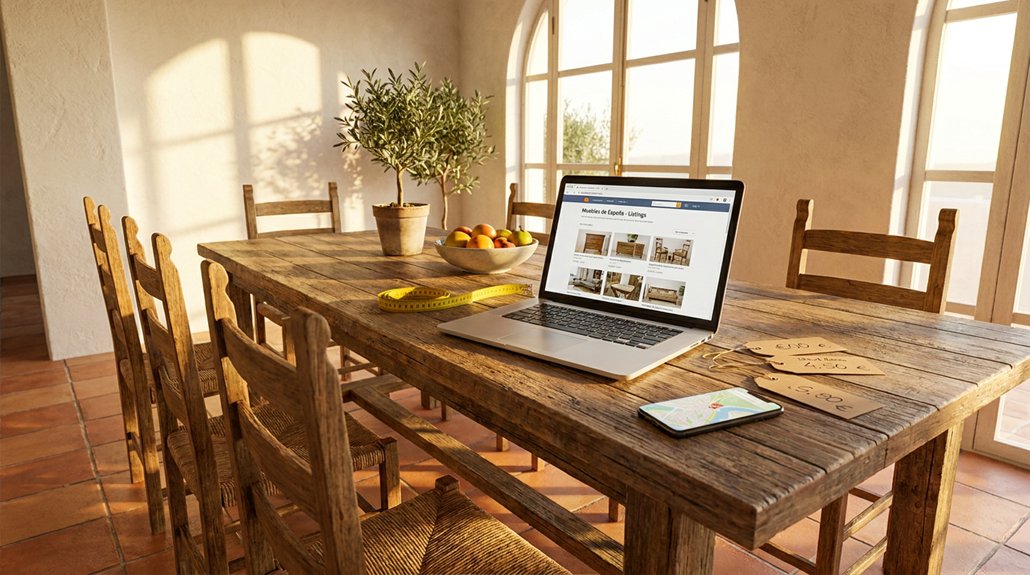
Selling furniture online in Spain presents a strong opportunity due to the growing e-commerce market in cities like Madrid and Barcelona. Start by registering with Spain’s Agencia Tributaria to obtain your tax identification number. You must charge 21% IVA on all sales.
Select a platform for your sales. Wallapop, Milanuncios, and Shopify are popular choices. Each platform has specific features that cater to different types of furniture sales. Price your items competitively by researching similar listings on your chosen platform.
For deliveries, use reliable carriers such as SEUR or MRW, especially for heavy items. These carriers provide tracking services and ensure timely delivery. Understand their pricing structures to avoid unexpected costs.
Be aware of legal requirements, such as consumer rights and return policies. Spain has specific laws regarding online sales that you must follow. Ensure your listings are clear about product conditions and shipping details.
Finally, focus on marketing your furniture effectively. Use social media and online ads to reach your target audience. High-quality photos and detailed descriptions will improve your chances of making sales.
By following these steps, you can successfully start selling furniture online in Spain.
Why Spain’s Online Furniture Market Is Worth Entering Now
Spain’s online furniture market presents a significant opportunity for sellers. Over the past few years, e-commerce sales in Spain have consistently increased, with furniture ranking among the fastest-growing categories. The rising digital adoption among Spanish consumers indicates strong buyer demand in this sector.
Spanish consumers now prefer online shopping for its convenience. They expect detailed product descriptions, high-quality images, and flexible delivery options. Major urban areas such as Madrid and Barcelona are key drivers of this demand, making them critical locations for market entry.
The growth of Spain’s middle class results in more households requiring furniture for new homes. Sellers who position their businesses effectively can capture a substantial share of this expanding market. For example, targeting new homeowners and offering tailored promotions can enhance market penetration.
Additionally, sellers should consider limitations such as competition from established brands and the need for robust logistics solutions. Addressing these challenges with strategic planning will be essential for success in Spain’s online furniture market. Furthermore, focusing on the durability of solid wood furniture can appeal to consumers looking for long-lasting quality in their purchases.
Legal Requirements for Online Furniture Sellers in Spain
Before selling furniture online in Spain, you must comply with specific legal requirements. Meeting these compliance regulations and tax obligations protects your business and fosters customer trust.
Register Your Business
You must register your business with Spain’s Agencia Tributaria. Obtain a tax identification number (NIF) to operate legally.
This registration process typically takes a few days and requires you to provide valid identification and business details.
Comply with VAT Obligations
You must charge the standard 21% IVA rate on all furniture sales. Regularly file tax returns to report your VAT collection.
This means you’ll need to keep accurate records of sales and purchases, as they’re essential for your tax filings.
Follow E-commerce Laws
You must adhere to Spain’s LSSI regulation for e-commerce. This regulation mandates clear terms and conditions, a privacy policy, and transparent pricing on your website.
Ensure that your website includes accessible information about delivery times, return policies, and customer service contact details.
Staying updated with these compliance regulations helps you avoid penalties and operate legally in Spain’s online furniture market.
How to Choose the Right Platform to Sell Furniture in Spain
Choosing the right platform to sell furniture in Spain directly affects your sales and growth. Start by identifying your business model and selecting a platform that aligns with it.
Consider using marketplaces like Milanuncios or Wallapop for quick access to a large audience. Alternatively, build your own e-commerce site using Shopify or WooCommerce for more control over branding and customer experience.
Each platform comes with specific costs and features. Marketplaces typically charge transaction fees, while independent sites may require monthly subscriptions.
Conduct market research to determine where your target customers prefer to shop online. Analyze competitor listings on these platforms to understand pricing and presentation.
Evaluate factors like shipping integrations and customer support for each platform. Marketplaces provide built-in traffic, but independent websites allow you to develop a unique brand identity.
Assess the trade-offs between ease of use and control over your business. Your choice of platform should enhance your visibility and sales volume. A well-suited platform can lead to long-term growth, while a poor choice can limit your reach. Additionally, consider how maintaining a cohesive look across your listings can attract more buyers. Make this decision carefully to optimize your online furniture sales in Spain.
How to Price Your Furniture for the Spanish Market
Pricing your furniture for the Spanish market requires careful strategy and detailed research. Proper pricing directly influences your sales and profitability. Follow these steps to establish effective pricing:
Pricing furniture for the Spanish market demands strategic thinking and thorough research to maximize sales and profitability.
- Analyze Competitor Pricing: Investigate competitor prices on platforms like Wallapop, ManoMano, and Amazon.es. Understanding typical price ranges helps you set competitive prices that attract buyers.
- Calculate All Costs: Include shipping costs, platform fees, and taxes in your pricing structure. For instance, shipping can add significant costs that impact your profit margin, so factor these into your final price.
- Consider Regional Differences: Adjust your prices based on regional demand. Larger cities like Madrid and Barcelona generally support higher price points due to greater purchasing power compared to smaller towns.
Avoid undervaluing your furniture; doing so can lead to losses. Conversely, avoid overpricing, as it can deter potential buyers. Staying informed about market trends ensures your pricing remains relevant and competitive.
How to Ship Furniture Across Spain Reliably
When you sell furniture online in Spain, you must select reliable shipping partners experienced in handling heavy items. MRW, SEUR, and Correos Express provide specialized freight services for bulky goods.
Compare their rates and delivery times to find the best option for your needs.
Proper packaging is crucial for protecting your furniture during transit. Use thick foam padding to cushion the pieces, wrap them in bubble wrap for additional protection, and secure everything in sturdy cardboard boxes.
This approach minimizes the risk of damage while shipping.
Be aware that not all shipping companies handle oversized items the same way. Some may have weight limits or size restrictions that can affect your shipment.
Always check these constraints before booking a service.
For example, MRW accepts packages up to 40 kg, while SEUR has a maximum weight limit of 70 kg. If your furniture exceeds these limits, consider a freight-forwarding service that specializes in large shipments.
Choosing Reliable Shipping Partners
Shipping furniture across Spain reliably requires careful selection of logistics partners. Evaluate specific factors to find the best fit for your needs. Follow these three steps:
- Research carrier reviews: Analyze online ratings and testimonials to assess the reliability of each logistics provider. Focus on feedback regarding timeliness and damage rates.
- Compare shipping costs: Gather quotes from at least three carriers. Look for competitive rates that align with the service quality you expect, especially for large and fragile items.
- Verify delivery capabilities: Confirm that your chosen logistics partner specializes in handling bulky furniture. Ensure they can deliver to all target areas across Spain without additional fees or delays.
Establishing clear communication channels with your logistics provider is crucial. Set up regular updates on delivery status to keep your customers informed.
This practice builds trust and enhances your reputation. By prioritizing partner reliability, you reduce the risk of damaged goods, minimize delays, and foster long-term customer relationships for your online furniture business.
Packaging Furniture for Transit
Proper Packaging for Furniture Transit
After securing a reliable shipping partner, focus on proper packaging to prevent damage during transit. Use protective materials like bubble wrap, foam padding, and reinforced cardboard to cover all surfaces of the furniture.
Disassemble larger items whenever possible. Wrap each component separately to minimize the risk of scratches, dents, and breakage.
Clearly label each package with fragile stickers and handling instructions. Ensure your packaging method aligns with your shipping method; for example, standard courier services require sturdier packaging than specialized furniture carriers.
Before sealing each box, double-check that no parts can shift inside. This attention to detail protects your products and reduces costly returns.
Strong packaging builds customer trust and supports long-term sales growth in Spain’s competitive online furniture market.
For instance, using double-walled cardboard boxes can withstand up to 200 pounds, which is crucial for heavier pieces. By implementing these specific practices, you can effectively safeguard your furniture during transit.
How to Market Your Online Furniture Store to Spanish Shoppers
Marketing Your Online Furniture Store to Spanish Shoppers
To effectively market your online furniture store to Spanish shoppers, understand their preferences, shopping habits, and cultural nuances. Implement targeted strategies to engage this audience successfully.
1. Showcase Furniture on Social Media
Use Instagram and Facebook to display your furniture. Post high-quality images with Spanish-language captions. This approach engages Spanish-speaking customers and makes your products more relatable.
2. Partner with Influencers
Collaborate with Spanish home décor influencers. These creators can authentically promote your furniture to their engaged audiences. Choose influencers who align with your brand values to enhance credibility.
3. Optimize Your Website for Spanish Search Terms****
Incorporate Spanish keywords throughout your website. This optimization improves your visibility in search engines, helping Spanish shoppers find your products easily.
4. Offer Flexible Payment Options****
Provide payment plans that allow for installments. Spanish consumers often prefer financing options, making your products more accessible.
5. Align Marketing with Local Holidays
Create promotions around Spanish holidays and seasonal sales events. This alignment increases the likelihood of conversions during peak shopping periods.
Mistakes First-Time Furniture Sellers Make in Spain
Entering Spain’s online furniture market for the first time can present costly challenges that hinder your growth. Recognizing common mistakes allows you to navigate these issues effectively.
Understand Regional Preferences****
Research Spain’s regional furniture preferences. Buyers in Barcelona typically favor modern designs, while customers in rural areas lean toward traditional styles.
Failing to identify your target audience will result in lost sales.
Implement Effective Pricing Strategies****
Develop a competitive pricing strategy. Avoid undercutting competitors to the point where your profit margins vanish.
Instead, analyze local competitors to set prices that are attractive yet sustainable. Aim for a balance that allows you to maintain reasonable profits.
Factor in Shipping Costs****
Account for shipping costs when selling across Spain. Spain’s diverse geography, including territories like the Canary Islands, can significantly impact logistics.
Incorporate these costs into your pricing strategy from the beginning to prevent unexpected financial losses.