
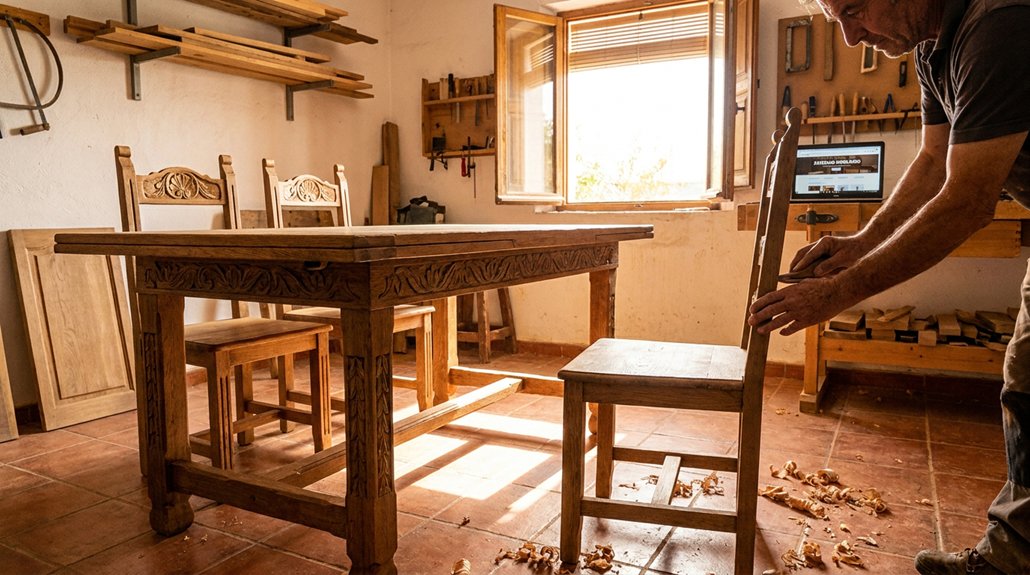
To sell handmade furniture online in España, start by listing your pieces on platforms like Etsy, Amazon Handmade, and Milanuncios. Focus on creating detailed product descriptions in Spanish, using terms that resonate with local buyers. Choose payment methods that are popular in Spain, such as Bizum and PayPal, to enhance customer trust and convenience.
Use high-quality photos to showcase your furniture clearly. Incorporate targeted keywords in your listings to improve visibility in searches. Promote your products on social media platforms like Instagram and Facebook to reach a broader audience.
When shipping, select reliable carriers such as SEUR or Correos. Package each piece securely to prevent damage during transit. Continuously refine your approach to build a successful handmade furniture business in España, paying attention to customer feedback and market trends.
Choose the Best Platform to Sell Handmade Furniture in España
Choosing the right platform significantly impacts your success when selling handmade furniture online in España. Use specific online marketplaces like Etsy, Amazon Handmade, and Milanuncios. These platforms connect you, the artisan, directly to buyers seeking unique furniture.
Focus on niche platforms that cater specifically to handcrafted goods. Customers on these platforms prioritize quality over price, increasing your chances of making sales.
Leverage social media platforms like Instagram and Pinterest. Showcase your furniture visually to attract potential buyers and build a loyal customer base.
Stay informed about e-commerce trends to maintain competitiveness. Use customer feedback to refine your products and enhance your service. Implement strong marketing strategies to boost your visibility across multiple channels.
Consider reliable shipping solutions that ensure your furniture arrives safely at its destination. Each platform has unique advantages, so assess your specific needs before making a decision. Additionally, understanding the durability of solid wood furniture can help you highlight the longevity and quality of your pieces to potential buyers.
Build a Visual Brand and Voice Spanish Buyers Recognize
To build a brand that Spanish buyers recognize and trust, focus on your visual identity. Create a logo that clearly represents your handmade furniture. Select a color palette that reflects the craftsmanship and quality of your products. Use high-quality product photography that showcases details and textures.
Next, write product descriptions and marketing copy in Spanish. Use straightforward language that resonates with your target audience. For example, highlight specific materials and production techniques to emphasize quality. Avoid complex language or jargon that might confuse buyers.
Ensure your brand elements work together. The logo, colors, and product images should create a cohesive look. This consistency helps reinforce your brand identity.
Make sure to test your branding with a focus group of Spanish speakers to gather feedback. Avoid using vague language. Clearly state what each product offers, including dimensions and materials. This clarity helps buyers make informed decisions.
Finally, be mindful of cultural nuances in your messaging. Understand what appeals to Spanish buyers and incorporate those insights into your branding and marketing strategies. This will strengthen your connection with the audience. Additionally, ensure that your product sizes adhere to standard furniture sizing to meet buyer expectations.
Craft Your Visual Identity
Your brand’s visual identity directly impacts how potential buyers perceive your products before they read any descriptions. Maintain consistency in your visual aesthetics—colors, fonts, photography style, and logo—across your website and social media platforms. Spanish buyers prefer authentic visual storytelling.
Choose Your Color Palette
Select a color palette that reflects the essence of your craft. For example, use earthy tones for rustic designs, muted colors for minimalist styles, or vibrant hues for artisan-inspired pieces.
Your color choices should align with the characteristics of your products.
Use High-Quality Imagery
Capture high-quality photos that showcase texture, scale, and craftsmanship. For instance, if your furniture is made from reclaimed wood, use images that highlight its raw and natural look.
Avoid using stock photos that lack authenticity. Authentic images resonate more with your audience.
Align Visuals with Brand Storytelling
Ensure your visuals and words work together to tell your brand story. If you emphasize craftsmanship in your descriptions, your imagery should reflect that commitment.
Consistent visual language reinforces brand recognition. Buyers should easily identify your brand across all platforms.
Maintain Cohesion Across Platforms
Keep your visual identity cohesive. Use the same color palette, fonts, and photography style across your website and social media.
This uniformity helps buyers recognize your brand quickly, enhancing their trust and familiarity with your products.
Speak Spanish Buyers’ Language
La importancia de una identidad visual sólida
Una identidad visual fuerte establece la base para tu marca, pero las palabras son igual de cruciales en el proceso de venta. Los compradores españoles responden positivamente a un lenguaje que refleje sus preferencias culturales.
Escribe descripciones de productos en español
Redacta las descripciones de tus productos en español. Usa términos que sean familiares y locales. Por ejemplo, menciona materiales autóctonos como el roble español o el pino catalán. Esto genera confianza y autenticidad.
Evita traducciones directas
No utilices traducciones directas del inglés. Estas a menudo no capturan el tono que los compradores españoles esperan.
Usa frases naturales que reflejen cómo se comunica la gente en España.
Resalta la artesanía y la durabilidad
Enfócate en la artesanía, la durabilidad y la tradición. Estos valores son importantes para los compradores españoles y ayudan a construir una conexión emocional con tus productos.
Mantén un tono cálido y profesional
Adopta un tono que sea cálido pero profesional. La consistencia en el lenguaje culturalmente consciente en tu sitio web y redes sociales ayudará a que los clientes españoles se sientan seguros al elegir tus muebles hechos a mano.
Crea confianza y autenticidad
Usa un lenguaje que resuene con tu público objetivo.
Al hacerlo, no solo comunicas la calidad de tus productos, sino que también construyes una relación sólida con tus clientes.
Build Consistent Brand Presence
Build a Consistent Brand Presence
When Spanish buyers visit your online store, they should immediately identify your brand through a cohesive mix of visuals and language. Ensure you use consistent colors, fonts, and imagery throughout your website and social media profiles. This visual consistency fosters trust and enhances the memorability of your store.
Brand storytelling connects you with Spanish buyers on a deeper level. Share details about your crafting process, the materials you use, and your motivation for creating handmade furniture. Communicate this narrative uniformly across all platforms.
Engaging with customers encourages loyalty and referrals. Respond to comments and questions promptly while maintaining a friendly yet professional tone. Whether you post on Instagram or send an email, your voice should remain consistent. This approach transforms first-time visitors into repeat customers.
Action Steps for Brand Consistency
- Visual Elements: Use the same color palette and fonts across your website and social media. This creates immediate brand recognition.
- Storytelling: Regularly share insights about your craft. For example, post weekly updates about your design process or material sourcing to engage your audience.
- Customer Interaction: Set a standard response time for customer inquiries, aiming for under 24 hours. This shows that you value their engagement and builds trust.
- Content Schedule: Establish a content calendar that outlines your posting frequency. For instance, post at least three times a week to keep your audience engaged.
- Tone Consistency: Define your brand voice and use it in every interaction. For example, if your tone is friendly and casual, ensure all communications reflect that.
Set Up Your Storefront, Policies, and Payment Options
Setting up your storefront is crucial for launching your online furniture business in España. Your storefront design must reflect your brand identity with professionalism. Use high-quality images, consistent fonts, and a clean layout to engage buyers effectively.
Strong policy guidelines establish trust with customers. Clearly outline your shipping timeframes, return conditions, and exchange rules. This transparency prevents confusion about transaction processes.
For payment options, offer multiple methods to accommodate Spanish customers. Accept credit cards, PayPal, and local payment systems like Bizum. These options simplify the purchasing process.
Before publishing your storefront, review the specific requirements of your chosen platform. Each marketplace has unique rules that you must follow to remain compliant. A well-structured storefront with clear policies and diverse payment options enhances your chances of generating consistent sales.
Storefront Design
Focus on creating a storefront that captures your brand identity. Choose high-quality images of your furniture, use consistent fonts across the site, and maintain a clean layout. This approach helps attract and retain customers.
Policy Guidelines
Establish clear policy guidelines to build trust. State your shipping timeframes, return conditions, and exchange rules explicitly. For instance, if you offer a 30-day return policy, specify that customers must initiate returns within that period.
This clarity helps customers feel secure in their purchase decisions.
Payment Options
Provide various payment options to facilitate purchases. Accept credit cards, PayPal, and local systems like Bizum to cater to your target market in Spain. Offering these payment methods makes transactions straightforward for customers.
Platform Compliance
Ensure you understand the specific requirements of your chosen platform before launching your storefront. Each marketplace has its own rules regarding product listings, policies, and payment processing.
Staying compliant prevents potential issues and supports smooth operations. Additionally, incorporating elements from traditional furniture styles can enhance the appeal of your handmade pieces, attracting a wider audience.
A well-structured storefront, combined with clear policies and flexible payment options, significantly boosts your potential for consistent sales in the competitive online furniture market in España.
Price Your Handmade Furniture Competitively
Pricing handmade furniture competitively in España requires a structured approach. Start by researching prices from similar sellers to establish a baseline for your rates. For example, if most similar pieces sell between €300 and €600, aim to position your products within this range.
Next, calculate your material and labor costs accurately. For instance, if you spend €150 on materials and invest 10 hours of labor at €20 per hour, your total cost is €350. Ensure your selling price covers these expenses while providing a reasonable profit margin, typically around 30-50%.
Consider offering tiered pricing options. Create basic, mid-range, and premium versions of your pieces. This strategy allows you to cater to various budget levels. For example, a basic chair might sell for €300, while a premium version with custom features could go for €600.
Be aware of limitations. Pricing too high may deter buyers, while pricing too low can undervalue your work and cut into profits.
Regularly reassess your pricing strategy based on market trends and customer feedback to stay competitive.
Research Competitor Pricing Strategies
Research competitor prices for handmade furniture before setting your own. Analyze Spanish online marketplaces like Etsy, MilanunCios, and Wallapop. Collect data on price ranges for items similar to yours, focusing on specific styles and materials.
Identify unique selling points that differentiate your furniture. Determine if you use premium materials or offer custom designs. Highlighting these features allows you to justify higher prices compared to competitors.
Create a spreadsheet to track competitor pricing, materials, and styles. Use this data to identify pricing patterns and market gaps. Aim to set your prices competitively while ensuring you don’t undervalue your work.
Understanding competitor pricing provides a solid foundation for developing your pricing strategy.
Calculate Material And Labor Costs
Two key factors determine sustainable furniture prices: material sourcing and labor estimation. Track every expense to prevent underpricing your work.
List All Materials
Identify each material needed for your furniture. Include wood, hardware, finishes, and packaging.
Always add an extra 10-15% to account for waste and unexpected costs. This helps ensure that unforeseen issues won’t lead to financial loss.
Calculate Labor Hours
Track the hours spent on designing, building, and finishing each piece of furniture. Multiply the total hours by your desired hourly rate.
This calculation gives you the labor cost, which is critical for establishing a fair price.
Add Overhead Costs
Include all overhead costs in your calculations. Factor in tool maintenance, workspace rental, electricity, and shipping supplies.
These costs accumulate and significantly impact your overall expenses.
Establish Baseline Cost
Once you total the material, labor, and overhead costs, you’ll arrive at your baseline cost.
Pricing below this number jeopardizes your business. In Spain’s handmade furniture market, quality craftsmanship is valued, so ensure your prices reflect the time and skill you invest in each piece.
Limitations
Be aware of market fluctuations and material availability. If a material becomes scarce, your costs may increase, impacting your pricing strategies.
Offer Tiered Pricing Options
Once you establish your baseline cost, build a pricing structure that attracts a wider range of buyers. Offer three pricing tiers: basic, standard, and premium for each furniture piece.
The basic tier includes simple designs made with fewer materials. The standard tier offers a balance of quality and design. The premium tier features higher-quality wood and intricate details. This tiered pricing allows buyers to select options that fit their budgets.
Additionally, implement customized discounts for bulk orders, such as complete dining sets or bedroom collections. This strategy encourages customers to make larger purchases.
Establish a loyalty program that rewards repeat customers with exclusive deals. This approach not only incentivizes returns but also builds customer loyalty.
Tiered pricing enhances competitiveness in the Spanish market while protecting profit margins on every sale. This structure meets diverse customer needs and maximizes revenue potential.
Take Handmade Furniture Photos That Actually Sell
Improve Handmade Furniture Sales with High-Quality Photos
High-quality product photos significantly impact sales of handmade furniture. Spanish buyers expect clear and detailed images before making online purchases.
Use these three practical photography strategies to enhance your listings:
- Use Natural Light: Natural light highlights wood grain and craftsmanship. Position your furniture near windows during the day to capture the best illumination.
- Select Neutral Backgrounds: Choose simple, uncluttered backgrounds that keep the furniture as the focal point. A clean backdrop prevents distractions and emphasizes the piece’s features.
- Capture Multiple Angles: Shoot furniture from various angles to show different perspectives. Include close-ups of joints, finishes, and unique details that buyers want to see.
You can take effective photos without expensive equipment. A smartphone with good lighting can produce excellent results.
Consistent, high-quality images build trust with potential buyers, increasing the likelihood of converting views into sales.
Write Listings That Rank and Convert
Optimize Your Listings for Maximum Impact
Strong listings require three essential elements: targeted keywords, clear descriptions, and effective calls to action. Start with keyword optimization. Research keywords that buyers in España use when searching for your products. Utilize tools like Google Keyword Planner and Etsy’s search bar to identify relevant search terms. Insert primary keywords into your title, first sentence, and tags to enhance visibility.
Craft Clear Descriptions
Write clear and engaging descriptions. Describe the dimensions, materials, finish type, and care instructions for your furniture. Explain the manufacturing process and highlight what makes each piece unique. Use short, direct sentences to convey your message effectively.
Include Strong Calls to Action
Conclude every listing with a straightforward call to action. Clearly instruct buyers on their next step, whether that involves messaging you, adding the item to their cart, or requesting a custom order. This approach guides potential customers towards making a decision.
Focus on Specifics
Be specific in your descriptions and instructions. Avoid vague terms like “it” or “things.” Instead, use precise nouns and verbs to clarify your message. For example, instead of saying “this is a good chair,” say “this chair supports up to 250 pounds and features a durable oak frame.”
Address Limitations
Acknowledge what doesn’t work. For example, if certain materials aren’t suitable for outdoor use, mention that. This transparency helps set clear expectations for your customers.
Provide Practical Examples
Use specific examples to enhance clarity. For instance, include dimensions like “30 inches tall and 24 inches wide.” This gives buyers a concrete sense of what to expect.
Maintain Coherence
Ensure each sentence logically flows into the next. Keep your focus on the core elements of your listing: keywords, descriptions, and calls to action. This consistency helps both search engines and readers understand your content more easily.
Grow Your Handmade Furniture Business on Spanish Social Media
Social media platforms like Instagram, Pinterest, and Facebook allow you to connect directly with furniture buyers throughout España. Implementing effective social media strategies helps you build brand awareness and drive traffic to your product listings.
Regularly post high-quality images of your furniture, and use Spanish hashtags to engage local customers.
Consistently share striking furniture photos and incorporate relevant Spanish hashtags to authentically connect with local buyers.
Partner with Influencers
Influencer partnerships with Spanish home décor bloggers expand your reach. Collaborate with influencers who’ve an established audience that aligns with your brand.
This approach can increase your visibility quickly and attract new customers.
Share Craftsmanship Videos
Sharing behind-the-scenes videos of your craftsmanship process builds trust with potential buyers. Show how you create your furniture from start to finish.
This transparency can enhance buyer confidence and encourage purchases.
Run Targeted Facebook Ads
Running targeted Facebook ads for Spanish cities such as Madrid, Barcelona, and Valencia helps you reach specific demographics. Tailor your ads to highlight unique selling points of your furniture.
This targeted approach maximizes ad effectiveness and drives relevant traffic to your listings.
Engage with Followers
Consistent engagement with your followers fosters loyalty and encourages repeat purchases. Respond to comments and messages promptly.
This interaction shows that you value customer feedback and strengthens your community.
Track Performance Monthly
Monthly performance tracking allows you to assess what resonates with your Spanish audience. Analyze engagement metrics to identify successful content types.
Use this data to adjust your strategy for better results.
Ship Handmade Furniture Safely Across España
Shipping handmade furniture across España requires precise planning to ensure safe delivery and customer satisfaction.
Start with strong packaging materials. Use bubble wrap, foam padding, and reinforced cardboard boxes to minimize damage during transit. Disassemble larger furniture pieces when possible to lower the risk of breakage.
Next, choose your shipping carrier carefully. SEUR, MRW, and Correos provide furniture delivery services with tracking options. Compare their rates and delivery times before selecting a service.
For international orders, consider freight services that specialize in large or fragile items.
Always document your packaged furniture. Take photographs before handing it over to the carrier. This serves as proof in case of damage claims.
Reliable shipping practices build customer trust and promote repeat business for your handmade furniture brand.