
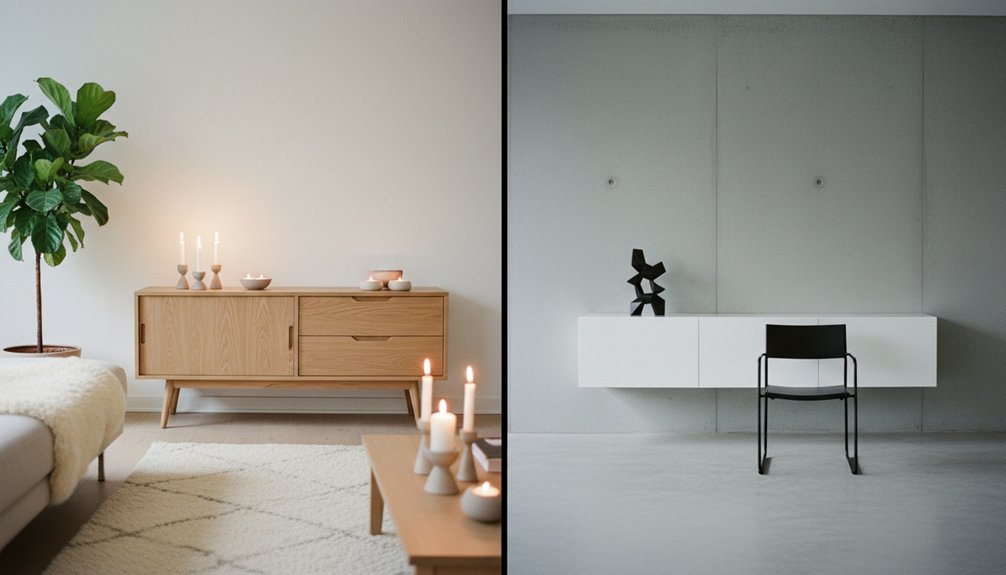
Scandinavian furniture emphasizes comfort and warmth through the use of natural materials like oak and birch. This style incorporates soft textiles and organic shapes, following the Danish concept of hygge, which fosters a cozy atmosphere. In contrast, minimalist furniture focuses on stark simplicity by eliminating decorative elements. This style typically utilizes monochromatic color schemes and industrial materials such as chrome or steel.
Both Scandinavian and minimalist furniture design share clean lines, but they achieve different effects. Scandinavian design creates inviting spaces with visible wood grains and layered fabrics, promoting a sense of warmth and homeyness. Minimalist design prioritizes geometric forms and functional aspects, often sacrificing warmth for a more austere appearance.
Understanding these differences allows individuals to select furniture that aligns with their lifestyle and desired ambiance. When choosing between Scandinavian and minimalist styles, consider your preference for comfort versus simplicity, as well as the materials that resonate with your aesthetic.
Key Differences Between Scandinavian and Minimalist Furniture
Scandinavian furniture and minimalist furniture are distinct design styles, each with its own unique characteristics and philosophies.
Scandinavian furniture focuses on creating cozy and inviting spaces while maintaining simplicity. This style commonly features natural wood materials, soft textiles, and organic shapes that promote warmth. For instance, a Scandinavian dining table may use light oak wood and include curved edges to enhance comfort.
Scandinavian design blends natural materials and organic forms to craft warm, inviting spaces that prioritize both simplicity and comfort.
In contrast, minimalist furniture emphasizes absolute simplicity. Designers strip away unnecessary elements to create functional and stark spaces. Minimalist pieces often utilize monochromatic color schemes and industrial materials, such as metal or concrete. For example, a minimalist coffee table usually has a sleek, geometric design with a single color finish, prioritizing form and function without decorative elements.
While Scandinavian design incorporates more decorative touches like rounded lines and natural textures, minimalist design maintains a deliberately sparse aesthetic. Scandinavian furniture aligns with the Danish concept of hygge, focusing on comfort and a sense of well-being. This approach results in furniture that encourages a relaxed atmosphere, contrasting with the clean, unembellished look of minimalism. Additionally, understanding how to measure your space can help ensure that each style fits harmoniously within your home.
Understanding these distinctions helps consumers choose furniture that aligns with their personal style and functional needs.
Why Scandinavian Furniture Feels Warmer Than Minimalist Design
Scandinavian furniture creates a warmer atmosphere than minimalist design through its use of natural materials and soft textures. Natural wood grains, wool throws, and linen upholstery provide tactile comfort that invites people into a space. These elements make rooms feel cozy instead of stark and unwelcoming.
Minimalist furniture focuses on clean lines and often relies on industrial materials like metal, glass, and synthetic surfaces. This design approach prioritizes functional aesthetics but can lead to a cold and impersonal environment.
Scandinavian design counters this by selecting materials that engage the senses, effectively balancing function with warmth. Scandinavian furniture often features organic shapes and lighter wood tones, which soften the overall aesthetic. The choice of solid wood offers durability that enhances both the aesthetic and functional qualities of the furniture.
The color palette includes warm neutrals and muted earth tones, steering away from the starkness of pure white or black. This intentional choice of materials transforms functional spaces into livable, comfortable areas.
Wood, Textiles, and Metal: Material Differences in Each Style
The material choices in Scandinavian and minimalist furniture reflect specific design philosophies that impact their appearance and functionality in your home.
Scandinavian furniture uses natural wood types like oak, ash, and birch. These woods showcase visible grain patterns and warm honey tones, enhancing the aesthetic appeal. Soft textiles, such as wool throws, cotton cushions, and sheepskin rugs, contribute to the comfort of Scandinavian designs.
Natural woods like oak, ash, and birch bring warmth and visible grain patterns that define Scandinavian design’s organic appeal.
In contrast, minimalist furniture typically incorporates darker woods or painted finishes that obscure natural textures. Minimalist pieces often feature chrome, stainless steel, or matte black metal finishes, which create a sleek and modern look.
While both styles are durable, Scandinavian furniture emphasizes materials that age gracefully, developing unique character over time. Minimalist designs, however, maintain their original appearance longer due to protective coatings and treatments that prevent wear.
Additionally, Scandinavian design frequently incorporates natural materials that promote a sense of warmth and connection to nature.
When choosing between Scandinavian and minimalist furniture, consider how each style’s materials align with your preferences for aesthetics and functionality.
Scandinavian designs may appeal to those who value natural beauty and warmth, while minimalist options cater to those who prefer a clean, modern aesthetic.
Nordic Hygge vs Japanese Zen: Cultural Roots of Each Style
Scandinavian furniture design and Japanese minimalist furniture design originate from distinct cultural philosophies.
Nordic hygge prioritizes comfort and warmth by creating cozy spaces that foster togetherness. This approach responds to the harsh, long winters in Scandinavia, where a sense of community becomes vital for emotional well-being. In practical terms, this means designing spaces with soft textiles, warm lighting, and inviting layouts that encourage social interaction.
Conversely, Japanese Zen emphasizes simplicity and mental clarity. Japanese Zen design focuses on using minimal elements to create balance and tranquility. Practitioners of this philosophy remove excess clutter to highlight only essential features in their spaces. This approach often includes natural materials, neutral color palettes, and carefully arranged furniture to promote a sense of peace and mindfulness.
Both design styles offer unique insights into how cultural backgrounds shape our living environments.
Nordic hygge brings people together in warm, inviting spaces, while Japanese Zen encourages personal reflection through minimalism. Understanding these philosophies can guide furniture choices and interior layouts, ultimately impacting how we experience our homes.
Hygge’s Warmth and Comfort
In a Scandinavian living room, hygge creates warmth and comfort through intentional design choices focused on coziness.
Hygge decor emphasizes soft textures, warm lighting, and inviting spaces that promote relaxation. These design elements encourage you to settle in with a blanket and a book.
Layered textiles enhance comfort. Chunky knit throws, sheepskin rugs, and linen cushions provide tactile softness and warmth. Incorporating these textiles into your living space adds layers of comfort that make it inviting.
Candlelight and soft lighting create intimacy. Multiple light sources, such as table lamps and candles, generate a golden glow throughout the room. This lighting setup fosters a warm atmosphere conducive to unwinding.
Natural wood tones contribute to organic warmth. Furniture made from light oak or pine adds a sense of earthiness without overwhelming the space. Selecting these materials helps maintain a light and airy feel while enhancing the cozy vibe.
These elements collectively transform functional areas into emotional sanctuaries.
They create spaces designed for relaxation and connection, allowing individuals to feel genuinely at home.
Zen’s Simplicity and Balance
Scandinavian hygge provides warmth, while Japanese Zen philosophy focuses on creating peaceful living spaces through simplicity.
Zen design emphasizes emptiness as a positive trait, presenting an opportunity to create a serene environment. Designers select furniture with essential functions, avoiding unnecessary decoration. Each piece is purposefully placed, promoting balance and harmony.
Zen philosophy teaches that less is ideal for mindful living. Individuals remove excess items and retain only those that enhance clarity and tranquility. This practice influences all aspects of possession management, extending beyond furniture to overall lifestyle choices.
Zen interiors prioritize low-profile furniture, utilizing natural materials like bamboo and stone. Neutral color palettes support meditation and mental calm.
The goal of a Zen space isn’t to create coziness, but to cultivate clarity. This clarity helps individuals achieve mental peace through physical simplicity.
Designers focus on incorporating elements that foster mindfulness, ensuring that every aspect of the space contributes to a tranquil atmosphere.
Small Spaces, Family Homes, or Modern Lofts: Which Style Fits Your Space
Your living space significantly influences the type of furniture that will best suit your daily life. The size and purpose of your home dictate whether Scandinavian or minimalist furniture is more appropriate.
Scandinavian design focuses on space optimization and warmth, making it suitable for family environments where comfort is essential. In contrast, minimalist furniture emphasizes clean lines and open spaces, which is ideal for those prioritizing simplicity.
Consider how each furniture style applies to different living situations:
- Small apartments: Minimalist furniture maximizes breathing room while Scandinavian pieces introduce necessary coziness without crowding the limited square footage.
- Family homes: Scandinavian design incorporates functional storage solutions for toys, books, and daily activities, blending practicality with aesthetic appeal.
- Modern lofts: Minimalist furniture highlights architectural features and maintains an industrial aesthetic through its strategic simplicity.
Choose your furniture based on your actual living habits rather than how spaces appear in design magazines.
How to Combine Scandinavian Warmth With Minimalist Simplicity
You can successfully combine Scandinavian warmth with minimalist simplicity to create a cozy and uncluttered space.
Start by selecting furniture and décor that emphasize both texture and function. Use warm neutral colors like beige, soft gray, or muted brown to create an inviting atmosphere without overwhelming the senses.
Incorporate natural wood tones throughout your room to enhance the comfort level. For example, consider using a light oak dining table paired with a set of minimalist, upholstered chairs. This combination offers both warmth and clean lines.
Additionally, layer textiles such as wool throws and linen cushions to add softness while maintaining a minimalist aesthetic. Choose these textiles in solid colors or subtle patterns to keep the overall look streamlined.
Limit the number of decorative objects on display to avoid clutter. Instead, opt for a few well-placed items that reflect your personality, such as a handcrafted ceramic vase or a simple piece of art.
This approach ensures that your space remains visually appealing and functional.
Balance Texture and Function
Creating a successful blend of Scandinavian and minimalist styles requires careful consideration of each element in your space. You must focus on achieving texture harmony while ensuring functional aesthetics throughout your room. This means selecting pieces that not only serve clear purposes but also add tactile interest.
Layer natural materials**** effectively. For example, drape wool throws over leather chairs. This action introduces warmth to your space without making it feel cluttered.
Choose furniture that showcases visible wood grain****. This choice adds visual texture while maintaining clean lines. For instance, a dining table with a natural finish can serve as a focal point while enhancing the room’s overall look.
Incorporate woven baskets and ceramic pieces**** for dual functionality. These items provide storage solutions and contribute to textural variety. For example, use a large woven basket to hold blankets in your living room while adding a decorative element.
The essential goal is to ensure each textured element you introduce serves a practical function. Avoid adding decorative items solely for appearance. Instead, select pieces that enhance both the room’s usability and its visual appeal.
This approach maintains the integrity of Scandinavian and minimalist design principles, ensuring a harmonious balance between texture and function.
Choose Warm Neutral Palettes
Warm neutral color palettes effectively create relaxing and comfortable spaces. These colors blend well with natural wood tones, which are prevalent in Scandinavian design. Designers prefer these palettes because they complement minimalism’s streamlined approach and remain timeless.
To apply warm neutral palettes, start with your wall color. Choose soft cream for the walls. Next, select warm gray for your furniture. Finally, incorporate beige textiles like cushions or throws. This combination achieves visual interest while maintaining the simplicity that both design philosophies emphasize.
Limitations exist with warm neutral palettes; they may not suit spaces requiring vibrant colors or high contrast. Additionally, overuse of similar tones can lead to a monotonous feel.
Focus on balancing these neutrals with natural light and textures to avoid dullness. By strategically layering different neutral tones, you can create depth and warmth in your design.
Layer Natural Wood Tones
Natural wood tones enhance spaces by adding warmth and character while maintaining clean lines crucial for Scandinavian and minimalist design. Start your project by selecting lighter woods, such as oak or ash, for larger furniture items.
After establishing your foundation, layer in darker woods like walnut or teak through smaller accessories to create depth and visual interest.
Key strategies for layering wood tones:
- Combine two to three complementary wood grains throughout your space to maintain visual interest. This mix prevents monotony in your design.
- Pair darker accent pieces with lighter foundational furniture. This balance creates a visual hierarchy that draws the eye and adds dimension.
- Use varied wood textures. Incorporate smooth tabletops alongside textured shelving to create a tactile experience that enhances the overall aesthetic.
Avoid the urge to match every piece perfectly. The natural variations in wood grains contribute to the authentic character of your space, achieving a balance between Scandinavian coziness and minimalist restraint.
Focus on creating harmony through thoughtful contrasts rather than strict uniformity. By layering wood tones effectively, you can design a cohesive and inviting environment.