

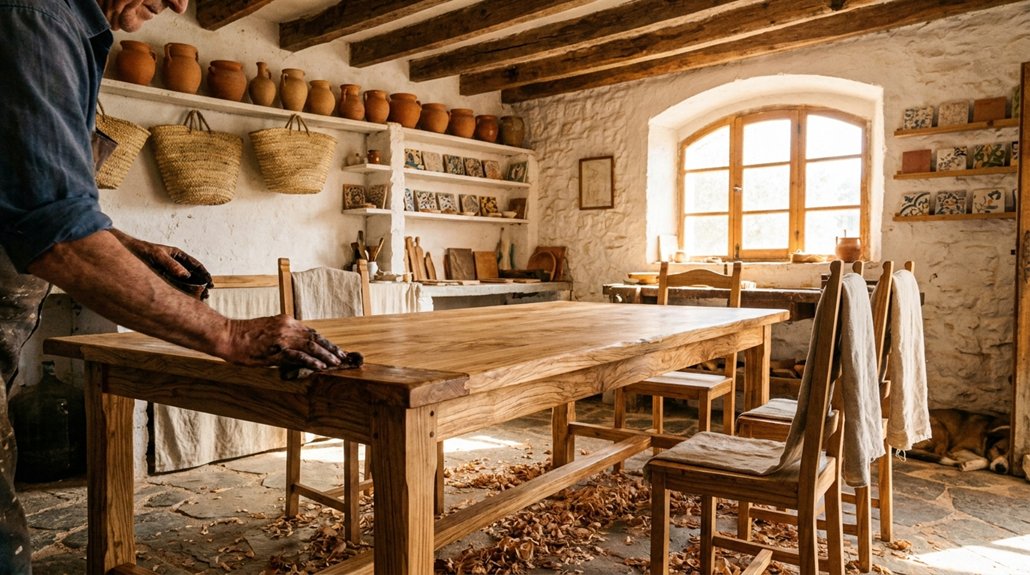
Rural Spain offers significant advantages for furniture and home decor entrepreneurs. Lower operational costs enable startups to thrive. A rising demand from tourists and remote workers creates a market for authentic, handcrafted pieces. Buyers actively seek handmade furniture, reclaimed wood decor, and artisan textiles. Initial startup costs typically range from €5,000 to €20,000, making entry feasible.
Understanding regional styles like Andalusian, Catalonian, and Castilian allows entrepreneurs to target specific buyers effectively. For instance, incorporating traditional designs into modern furniture can attract both locals and visitors. Additionally, sourcing materials locally can reduce costs and enhance authenticity.
Limitations exist, such as competition from mass-produced alternatives. Entrepreneurs must emphasize quality and craftsmanship to differentiate their products. Effective marketing strategies, including online platforms and local fairs, can increase visibility and sales.
To succeed, focus on building relationships with customers who appreciate unique home decor. Engage with the community and participate in local events to showcase your products. This approach establishes brand loyalty and encourages word-of-mouth referrals.
In summary, rural Spain presents a fertile ground for furniture and home decor businesses. By leveraging local styles and focusing on authentic craftsmanship, entrepreneurs can carve out a profitable niche in this growing market.
Why Rural Spain Rewards Furniture and Decor Entrepreneurs
Rural Spain’s tourism growth and the influx of remote workers and retirees create a strong demand for quality furniture and home decor. Buyers in these regions prioritize pieces that showcase Spain’s cultural heritage. They actively seek businesses that focus on local craftsmanship, choosing handmade items over mass-produced goods.
Entrepreneurs in rural Spain benefit from sustainable practices. Sourcing materials locally lowers costs and attracts environmentally conscious customers. Additionally, rural areas generally have lower operational expenses, which improves profit margins compared to urban environments.
By combining authentic design, skilled craftsmanship, and responsible sourcing, entrepreneurs can establish a clear business identity that resonates with their customer base. Solid wood furniture and decor reflect the unique character of the region and are often valued for their durability and aesthetic appeal.
Local craftsmanship enhances product appeal. Customers appreciate furniture and decor that tell a story and reflect regional traditions. Offering products like handcrafted ceramic tiles or locally made wooden furniture highlights the unique character of rural Spain.
Sustainable practices build customer loyalty. When businesses use materials from nearby suppliers, they reduce transportation costs and environmental impact. This approach not only attracts customers but also fosters a sense of community support.
Entrepreneurs should focus on creating a strong brand identity. A clear message about the importance of local craftsmanship and sustainability can differentiate a business in a competitive market. Engaging with customers through social media and local events helps reinforce this identity.
Which Rural Business Ideas in Spain Are Most Profitable?
Several profitable business opportunities exist in rural Spain, focusing on local craftsmanship and sustainable materials. Understanding these options can lead to better investment choices. Here are four specific business types that stand out for their profitability in rural areas.
| Business Type | Profitability Factor |
|---|---|
| Handmade Furniture | High demand from urban buyers |
| Reclaimed Wood Decor | Low material costs |
| Artisan Textile Home Goods | Strong export potential |
| Eco-Friendly Renovation Services | Growing green housing market |
Handmade Furniture Generates High Demand
Handmade furniture attracts urban buyers seeking unique, quality pieces. Rural artisans can produce custom items, tapping into a market willing to pay premium prices. Focusing on distinctive designs and quality craftsmanship can yield significant profits.
Reclaimed Wood Decor Minimizes Material Costs
Reclaimed wood decor offers a profitable avenue due to low material costs. Sourcing wood from local suppliers reduces expenses and appeals to eco-conscious consumers. Artisans can create furniture, art, and home accents, using sustainable practices to enhance marketability.
Artisan Textile Home Goods Tap into Strong Export Potential
Artisan textile home goods, such as handwoven rugs and linens, possess strong export potential. Rural businesses can target international markets that value handmade, sustainable products. Developing a solid online presence and leveraging social media can help reach global customers effectively.
Eco-Friendly Renovation Services Meet a Growing Market
Eco-friendly renovation services address the increasing demand for sustainable housing solutions. Rural contractors can specialize in green building techniques and materials, attracting clients focused on environmental responsibility. Offering services such as energy-efficient upgrades and sustainable landscaping can enhance profitability. Additionally, understanding contemporary styles can help you tailor your offerings to meet modern consumer preferences.
Research Regional Demand Before Committing Resources
Before starting any of these businesses, conduct thorough research on regional demand. Each area has unique needs and preferences, which can affect profitability. Tailoring your business model to fit local conditions and your skills will increase your chances of success.
Which Spanish Regional Styles Drive the Strongest Demand?
When you explore rural business opportunities in Spain, focus on regional styles that attract buyers.
Andalusian style features warm colors and Moorish influences, drawing significant interest from both domestic and international markets.
Catalonian design commands high buyer demand due to its unique aesthetic, while Castilian rustic style appeals to consumers seeking authentic, traditional Spanish looks.
Each style has distinct characteristics that influence buyer preferences.
Andalusian style attracts buyers with its vibrant color palette and intricate tile work.
This style’s historical roots and cultural significance resonate strongly, leading to consistent demand in rural properties.
Buyers often seek homes that reflect this heritage, making Andalusian elements a solid investment.
Catalonian design stands out because of its modern twist on traditional aesthetics.
Buyers appreciate the blend of old and new, which allows for stylish yet functional living spaces.
Homes featuring Catalonian elements often sell at premium prices, reflecting their desirability in the market.
Castilian rustic style gains traction among buyers looking for authenticity.
This style emphasizes natural materials like wood and stone, creating warm and inviting spaces.
As consumers grow increasingly interested in sustainable living, Castilian rustic homes appeal to those wanting to connect with nature.
In summary, focusing on these regional styles—Andalusian, Catalonian, and Castilian rustic—will enhance your chances of success in the Spanish rural business market.
Each style holds unique qualities that attract distinct buyer demographics, ensuring a competitive edge. Additionally, understanding furniture sizing guidelines can help optimize the appeal of these styles in various spaces.
Andalusian Style Market Trends
Andalusian style ranks as a leading choice in Spain’s rural business market. Buyers seek out Andalusian aesthetics for their vibrant colors, intricate geometric tile patterns, and durable wrought-iron details. These features showcase traditional craftsmanship from skilled artisans. The demand for these elements remains strong in both domestic and international markets, especially among buyers of vacation homes and boutique hotels.
To capitalize on this trend, you should source hand-painted tiles, carved wooden furniture, and decorative ironwork directly from local craftspeople. Online platforms connect rural producers with a broader customer base, expanding market reach significantly. Authentic, handmade pieces often command premium prices, allowing for competitive profit margins when you maintain high-quality standards.
However, challenges exist in ensuring consistent craftsmanship. Not all artisans can meet the rigorous demands of quality and design. Keep this in mind when selecting suppliers.
Focus on building strong relationships with reliable artisans to ensure a steady supply of high-quality products. Prioritize products that showcase the true essence of Andalusian style to attract discerning buyers and enhance your market position.
Catalonian Design Buyer Demand
Andalusian style leads Spain’s rural design market, but Catalonian design attracts a strong buyer base. Urban professionals and international buyers prefer Catalonian aesthetics for their minimalist and modernist qualities.
These buyers prioritize clean lines, neutral tones, and functional layouts in their furniture choices. Catalonian buyers seek furniture that combines contemporary design with natural materials such as oak, linen, and stone.
When targeting a rural furniture business, focus on regions surrounding Barcelona and export markets in Europe. Emphasize craftsmanship, simplicity, and sustainability in your product offerings.
Buyers in this niche value transparent sourcing and high-quality materials. Understanding Catalonian design preferences enables you to make informed product decisions and select appropriate sales channels.
This focus on specific buyer needs will enhance your business strategy and increase your market penetration.
Castilian Rustic Style Popularity
Castilian Rustic Style in Spain’s Rural Furniture Market
Castilian rustic style dominates Spain’s rural furniture market. This style attracts buyers who prioritize tradition, durability, and warmth. Castilian craftsmanship appeals to both local and international customers seeking authentic Spanish character.
Thick wooden beams, wrought iron hardware, and earthy tones define Castilian rustic furniture. This regional aesthetic provides a sense of solidity and timelessness. Homeowners furnishing rural retreats and country estates often prefer this style for its reliability.
The demand for Castilian rustic furniture remains steady in online marketplaces and specialty showrooms. Buyers specifically seek pieces that reflect genuine regional identity. Skilled artisans can leverage this demand to gain a competitive advantage over mass-produced alternatives.
If you plan to start a furniture or home decor business in Spain’s rural areas, focus on Castilian-inspired products. These items offer a dependable entry point into the market.
How Much Does It Cost to Launch a Rural Furniture Business?
Costs to Start a Rural Furniture Business in España
Starting a rural furniture business in España requires careful planning for upfront costs. You need to budget for raw materials, such as wood and hardware, alongside tools and workshop equipment.
Renting or establishing a workspace is also essential. Overall, your startup expenses can range from €5,000 to €20,000 based on the size and scale of your operations.
Funding Options for Rural Furniture Businesses
You can access various funding options to support your startup. The Spanish government offers rural development grants through programs like LEADER, which specifically assist small rural businesses.
You should also consider bank loans, which can provide necessary capital. Crowdfunding platforms can be another viable option.
Additionally, local artisan cooperatives may offer shared resources, allowing you to reduce your costs significantly. Evaluating these funding avenues will help you select the best financial strategy for your rural furniture business.
How Do You Source Materials and Artisans in Rural Spain?
Sourcing materials and artisans in rural Spain directly affects costs and product quality.
Begin by connecting with local artisan networks. These networks link skilled woodworkers, weavers, and metalworkers with business owners. Attend local markets and craft fairs to meet artisans and evaluate their work firsthand.
Focus on sustainable sourcing by selecting suppliers who use responsibly harvested timber and recycled materials. Many regions in Spain have certified suppliers that meet environmental standards.
Building strong relationships with local artisans lowers shipping costs and supports the community.
Combining artisan networks with sustainable sourcing creates a reliable supply chain. This approach enhances your brand’s credibility and promotes long-term profitability.
To summarize, connect with artisan networks, attend local markets, prioritize sustainable suppliers, and build relationships with artisans to ensure quality and cost-effectiveness.
What Permits Does Your Rural Decor Business in Spain Actually Need?
Understand the Necessary Permits for Your Rural Decor Business in Spain
To legally operate your rural decor business in Spain, you must complete specific registration steps. First, register with the Agencia Tributaria to obtain your tax identification number (NIF).
If you plan to work as a sole trader, register as an autónomo. If you’re establishing a company, file the necessary documents with the Registro Mercantil.
Next, secure a local operating license from your municipality. The requirements for this license can vary, especially in rural areas where zoning rules may restrict certain types of commercial activities.
Contact your local Ayuntamiento to clarify these regulations.
If your business includes online sales, be aware of Spain’s e-commerce regulations. These regulations apply to all online transactions and ensure compliance with consumer protection laws.
How Do You Sell Spanish Handcrafted Furniture and Decor Globally?
To sell Spanish handcrafted furniture and decor globally, you must establish a robust online presence. Focus on platforms like Etsy and create an e-commerce website to showcase your unique pieces.
Utilize social media channels, such as Instagram and Facebook, to visually highlight your craftsmanship and engage potential customers.
Next, secure reliable international shipping solutions. Choose carriers that specialize in fragile or bulky items.
Prioritize packaging that protects your products while keeping shipping costs reasonable for customers. Offer clear shipping policies and estimated delivery times to build trust.
Additionally, partner with global retailers and interior design boutiques. Identify stores that align with your brand and approach them with a wholesale proposal.
This strategy expands your reach and enhances your credibility in new markets.
Monitor your sales data and customer feedback regularly. Use this information to refine your product offerings and marketing strategies.
Adjust your pricing, promotions, and inventory based on what resonates best with your audience.
Lastly, be aware of international regulations regarding furniture and decor sales. Familiarize yourself with customs duties and import/export restrictions that may apply to your products.
This knowledge will help you avoid potential pitfalls and ensure a smoother selling process.
Building Your Online Presence
Build a Strong Online Presence for Selling Spanish Handcrafted Furniture
To sell Spanish handcrafted furniture and decor globally, establish a professional online presence. Create a website that features high-quality photos of your products, along with detailed descriptions.
Showcase your brand story, pricing, and shipping details to foster trust with potential buyers.
Utilize Social Media for Visibility
Use platforms like Instagram and Pinterest to visually present your handcrafted pieces. Post regularly and apply relevant hashtags to reach a wider audience.
Focus on engaging content that highlights the uniqueness of your products. This approach helps attract international customers to your brand.
Implement Targeted Online Marketing Strategies
Employ online marketing strategies such as paid ads and email campaigns. Target specific customer segments in different countries to maximize your outreach.
This method enables you to connect with potential buyers who are interested in Spanish handcrafted furniture.
List Products on Global Marketplaces
List your products on global marketplaces like Etsy and Amazon Handmade to boost visibility.
These platforms provide access to a large audience actively looking for unique, handcrafted items. This strategy increases the chances of sales from international customers.
Optimize Your Website for Search Engines
Optimize your website for search engines to ensure that potential buyers can find your business when searching for authentic Spanish furniture online.
Utilize SEO techniques such as keyword research and quality content creation. This optimization helps improve your search rankings and attracts more traffic.
Understand Limitations and Challenges
Be aware of the challenges in selling internationally, such as shipping costs and customs regulations.
Research each market to understand specific requirements and limitations. Ensure you have clear policies regarding returns and customer service to address potential concerns effectively.
Shipping Handcrafted Pieces Internationally
Shipping handcrafted furniture internationally requires detailed preparation to ensure protection and cost management. Use sturdy custom crating to safeguard each piece from damage during transit.
Select international shipping carriers that specialize in fragile and oversized items, as they’ve the expertise necessary for handling handcrafted logistics effectively. Compare shipping rates from various carriers to identify the most cost-efficient option.
Understand customs duties and import taxes for each destination country, as these costs influence your overall pricing strategy. Label every package clearly with specific information, including the materials used, the country of origin, and the item’s value to avoid customs delays.
Offer tracking updates to buyers throughout the shipping process to enhance transparency. Provide clear delivery timelines and insurance options to build trust with international customers.
This approach encourages repeat purchases and fosters long-term relationships. By focusing on these detailed steps, you can navigate the complexities of international shipping while protecting your handcrafted pieces.
Partnering With Global Retailers
Partnering with global retailers provides direct access to established customer bases. These retailers have built trust with their audiences, which can benefit your brand. Develop a clear export strategy and establish a reliable supply chain to consistently meet their demands. Before reaching out, research retailers that align with your brand values to ensure a good fit.
| Retailer Type | Benefit | Challenge |
|---|---|---|
| Luxury Boutiques | Access to premium pricing | Meeting high-quality standards |
| Online Marketplaces | Broad customer reach | Facing increased competition |
| Specialty Home Stores | Engaging a targeted audience | Handling limited order volume |
Negotiate contracts that protect your pricing and craftsmanship standards. Document your production process to build retailer confidence in your capabilities. Strong partnerships with retailers create consistent revenue streams and enable your rural Spanish business to expand into international markets effectively.
Luxury Boutiques Offer Premium Pricing
Luxury boutiques provide access to premium pricing opportunities. Your products must meet high-quality standards to gain entry into these retailers. Focus on refining your product quality and ensure you can deliver consistently to maintain these standards.
Online Marketplaces Expand Customer Reach
Online marketplaces allow you to reach a broad customer base. However, you must navigate increased competition from other brands. To succeed, optimize your product listings and invest in digital marketing strategies that highlight your unique selling points.
Specialty Home Stores Target Specific Audiences
Specialty home stores engage a targeted audience looking for niche products. Be prepared for limited order volumes when partnering with these retailers. Focus on building strong relationships and showcasing your products to create demand within these specific markets.
Build Strong Retailer Relationships
Building strong relationships with retailers involves clear communication and mutual understanding. Document your production process and share this information with potential partners. Transparency fosters trust and encourages retailers to commit to long-term partnerships.
Expand Internationally with Strategic Partnerships
Strategic partnerships with global retailers enable your business to expand internationally. Aim to create consistent revenue streams by aligning with retailers that share your values. Focus on building relationships that enhance your brand’s visibility and credibility in new markets.