

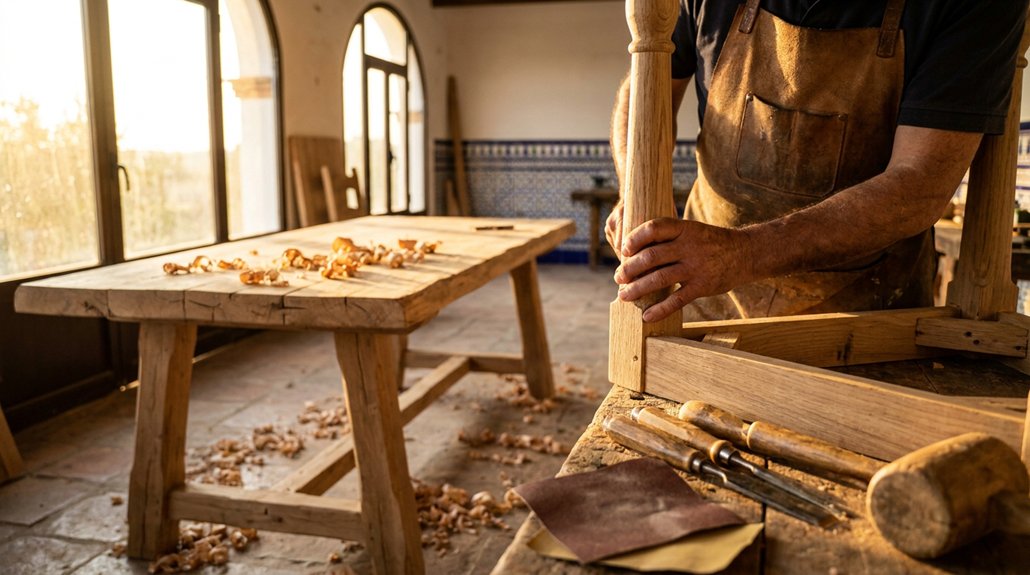
When you select handmade furniture in España, you invest in superior craftsmanship and lasting durability. Skilled artisans craft each piece using high-quality materials and precise joinery techniques, which mass-produced furniture cannot replicate. Each region in Spain—Catalonia, Castile, Andalusia, and Galicia—offers distinct styles that reflect centuries of tradition.
Prices for handmade furniture vary significantly. Basic chairs can start around €150, while custom dining tables may reach up to €3,000. Understanding what to look for in handmade furniture helps you make informed purchasing decisions.
Benefits of Handmade Furniture
Handmade furniture provides unique benefits. Artisans focus on detail, ensuring each piece meets high standards of quality. This attention to detail results in furniture that lasts longer than mass-manufactured alternatives. You also gain the opportunity to customize items to fit your specific needs, enhancing both functionality and aesthetics.
Styles of Handmade Furniture
Different regions produce various styles of handmade furniture. For example, Catalonia is known for its modern designs, while Andalusia often features intricate carvings and traditional motifs. Familiarizing yourself with these regional styles helps you choose pieces that resonate with your personal aesthetic.
Buying Tips for Handmade Furniture
When purchasing handmade furniture, focus on quality indicators. Check the joinery techniques; dovetail joints indicate strength. Look for solid wood over particle board, as solid wood offers better longevity. Don’t hesitate to ask artisans about their materials and methods to ensure you understand what you’re buying.
Limitations of Handmade Furniture
While handmade furniture offers many advantages, it also has limitations. Production times can be longer than mass-produced items, often taking weeks or months to complete. Additionally, prices may be higher, reflecting the craftsmanship involved. Knowing these factors helps you set realistic expectations.
Understanding these aspects of handmade furniture in España allows you to make smarter choices. By focusing on craftsmanship, regional styles, and quality indicators, you can find furniture that not only meets your needs but also enhances your living space.
Why Handmade Furniture Outperforms Mass-Produced Pieces
Handmade furniture consistently outperforms mass-produced pieces in durability and craftsmanship. Skilled artisans select high-quality materials and implement robust construction techniques. For example, handmade chairs often feature tighter joints and smoother finishes compared to those produced in factories. This attention to detail results in furniture that not only looks better but also lasts longer.
Craftsmanship and Time Investment
Artisans invest significant time and skill into each handmade piece. A dining table might take weeks to create, focusing on precision and quality. In contrast, mass-produced furniture typically undergoes rapid assembly in factories, prioritizing speed over craftsmanship. This difference in production time directly impacts the quality and longevity of the final product.
Sustainability of Handmade Furniture
Handmade furniture typically promotes sustainability by using responsibly sourced materials. Artisans often choose local woods and fabrics, reducing transportation emissions. In contrast, mass-produced furniture often relies on materials sourced from distant locations, contributing to a larger carbon footprint. Furthermore, artisans produce less waste throughout the manufacturing process, making each piece more environmentally friendly.
Investment in Longevity
Investing in handmade furniture means choosing pieces that can last for decades. For instance, a well-crafted wooden chest can serve as a functional item for 30 years or more with proper care. Additionally, handmade furniture often features superior joinery techniques that enhance its durability and strength. Mass-produced furniture, on the other hand, may need replacement within a few years due to lower quality. This long-term durability makes handmade furniture a more economical choice over time.
Handmade furniture lasts decades — a well-crafted wooden chest can remain functional for 30 years or more with proper care.
Conclusion: Choosing Quality Over Convenience
When you select handmade furniture in España, you prioritize quality, craftsmanship, and sustainability. Each piece represents a commitment to better materials and responsible manufacturing practices. In contrast, opting for mass-produced furniture may save time initially, but it often results in higher costs and waste in the long run. By choosing handmade, you invest not just in furniture, but in lasting quality and ethical practices.
Which Spanish Regions Produce the Best Handmade Furniture?
When you examine handmade furniture in Spain, three key regions consistently produce high-quality pieces: Catalonia, Castile, and Andalusia.
Catalonia specializes in artisan furniture, leveraging its rich history of craftsmanship. Craftspeople in this region use local materials, such as oak and walnut, to create unique designs that reflect both tradition and innovation. For example, many artisans incorporate modern techniques while honoring classic styles, resulting in furniture that stands out.
Castile is recognized for its traditional woodcraft skills. Craftspeople in this region focus on detailed joinery and hand-carving techniques that have been passed down for generations. The use of robust hardwoods ensures durability, making Castilian furniture not only beautiful but also functional.
Andalusia excels in creating handcrafted furniture that showcases centuries of skilled artistry. Artisans draw from a variety of influences, including Moorish and Gothic designs. This region is known for intricate inlays and vibrant colors, making Andalusian furniture distinct and visually appealing.
Each of these regions has its own strengths in handmade furniture production. Catalonia emphasizes innovation, Castile focuses on traditional craftsmanship, and Andalusia highlights artistic creativity. Understanding these distinctions helps buyers appreciate the unique offerings from each area, especially when considering proper furniture sizing to ensure a perfect fit in their homes.
Catalonia’s Artisan Furniture Legacy
Catalonia produces high-quality handmade furniture, rooted in a tradition that spans centuries. Craftsmen in this region prioritize quality materials and traditional techniques, resulting in furniture that’s both functional and culturally significant.
Skilled Woodworking
Artisans in Catalonia source local oak and walnut to construct durable furniture. These hardwoods provide strength and longevity, making them ideal for various furniture pieces.
Craftsmen select the best timber, ensuring each piece meets strict quality standards.
Intricate Carved Detailing
Catalan furniture features intricate carvings influenced by Gothic and Modernista architecture. Craftsmen carve detailed designs into the wood, creating unique patterns that enhance each item’s aesthetic appeal.
This attention to detail reflects the artisans’ dedication to preserving cultural heritage.
Hand-Applied Finishes
Artisans apply finishes by hand to enhance the natural grain and texture of the wood. These finishes not only protect the wood but also highlight its beauty, ensuring that each piece maintains its unique character.
This process involves multiple layers of finish, requiring skill and patience.
Durable Joinery Methods
Craftsmen utilize traditional joinery methods to ensure structural integrity. They avoid shortcuts common in mass production, focusing instead on techniques that provide long-lasting durability.
This commitment to craftsmanship results in furniture that withstands wear and tear over time.
Barcelona’s Active Workshops
Barcelona remains a hub for furniture production, blending traditional methods with modern design. Local workshops produce pieces that cater to contemporary tastes while honoring historical techniques.
This balance ensures that each item reflects both functionality and Catalonia’s rich artisan legacy.
Catalonia’s commitment to quality, craftsmanship, and cultural heritage makes it a leader in the handmade furniture market. Each piece embodies the skills and traditions passed down through generations, setting a standard for excellence in Spanish furniture design.
Castile’s Traditional Woodcraft Regions
Castile has a rich woodworking heritage that deserves attention, particularly in regions like Salamanca and Ávila. Artisans in these areas specialize in crafting furniture from local oak and walnut, utilizing traditional methods that have been refined over centuries.
These craftsmen prioritize durability and structural integrity by using joinery techniques passed down through generations.
If you seek solid, understated furniture with historical roots, Castile’s workshops provide excellent options. Many artisans operate small family-run studios, ensuring authentic production standards.
Visiting these workshops allows you to engage directly with skilled makers who can customize pieces according to your specific needs.
In terms of limitations, not all workshops may offer the same level of customization or variety. Some may focus exclusively on specific styles or types of furniture. Therefore, it’s essential to communicate your preferences clearly when approaching an artisan.
For example, if you desire a carved oak table, specify your dimensions and design preferences upfront. This clarity helps the artisan understand your requirements and deliver a piece that meets your expectations.
Andalusia’s Handcrafted Furniture Tradition
Overview of Andalusia’s Handcrafted Furniture Tradition
Andalusia produces unique handcrafted furniture that showcases bold colors, intricate carvings, and Moorish designs. This tradition stems from a rich history of cultural exchange among Islamic, Christian, and Jewish communities.
Each piece of furniture embodies the multicultural heritage of Spain and serves as a tangible representation of this history.
Key Characteristics of Andalusian Handcrafted Furniture
Andalusian furniture features distinct characteristics that define its style and craftsmanship:
- Geometric Inlay Patterns: Craftsmen create intricate inlay patterns using techniques inspired by Moorish architecture. These patterns enhance the aesthetic appeal of tables and cabinets.
- Jewel-Toned Paint Finishes: Artisans apply deep jewel-toned paints to carved wooden surfaces. This technique not only adds color but also highlights the detailed craftsmanship of each piece.
- Ornate Ironwork Hardware: Skilled metalworkers design ornate iron hardware for cabinets. This hardware integrates functionality with an artistic touch, enhancing the overall design.
- Hand-Painted Floral Motifs: Craftsmen paint floral motifs on furniture surfaces, drawing inspiration from traditional tilework. These motifs add vibrancy and connect the furniture to Andalusian culture.
Shopping for Authentic Andalusian Furniture
When shopping for authentic Andalusian furniture, look for these defining elements.
Seek out furniture that showcases the key characteristics mentioned above. Cities like Granada and Córdoba serve as primary production centers where skilled craftsmen apply these traditional woodworking techniques.
Conclusion
Andalusia’s handcrafted furniture tradition represents a blend of cultural influences and a commitment to artistry.
What Handmade Furniture Styles Are Most Popular Across España?
When you examine handmade furniture in España, you’ll notice distinct regional styles that highlight the unique cultural history and craftsmanship of each area.
Catalonia features modernist furniture designs that emphasize clean lines and functional aesthetics. In Andalusia, artisans create ornate pieces inspired by Moorish architecture, showcasing intricate carvings and vibrant colors. Castile focuses on rustic, solid-wood furniture, often using local materials to produce durable and timeless works.
These regional styles share common design trends. Hand-carved details, natural wood finishes, and wrought iron accents are prevalent throughout the country. Craftspeople prioritize these features, ensuring that each piece reflects traditional techniques while meeting contemporary needs. Understanding these regional differences and shared trends can guide buyers in selecting handmade furniture that not only fits their aesthetic but also respects the rich craftsmanship traditions of España. Additionally, knowledge of traditional furniture styles can enhance your appreciation for the intricate designs that define these regional works.
Regional Spanish Furniture Styles
Spain’s regional furniture styles showcase unique craftsmanship through distinct characteristics. Understanding these styles enhances your appreciation for the materials and techniques used. Here are four key regional styles:
- Castilian – Castilian furniture features heavy oak construction. Craftsmen focus on geometric carvings that enhance the rustic appearance of each piece. This style emphasizes durability and traditional craftsmanship.
- Catalan – Catalan furniture blends modern design with intricate ironwork. Artisans use lighter wood tones to create a fresh aesthetic. This style often incorporates functional elements into artistic arrangements, appealing to contemporary tastes.
- Andalusian – Andalusian furniture incorporates Moorish influences. Craftsmen showcase ornate tilework and carved cedar for a rich visual texture. This style reflects the cultural history of the region, emphasizing beauty and detail.
- Galician – Galician furniture utilizes locally sourced chestnut wood. Artisans produce sturdy, simple designs with natural finishes. This style prioritizes functionality and sustainability, making it suitable for everyday use.
Each regional style reflects its cultural history and available materials.
When selecting handmade Spanish furniture, identifying the regional origin helps you choose pieces that complement your home’s décor and align with your personal style.
Timeless Handmade Design Trends
Handmade Furniture Trends in España
Handmade furniture trends in España showcase a mix of traditional craftsmanship and modern design. Craftsmen draw from centuries of influences, including Moorish, Roman, and Mediterranean styles. These cultural elements shape current design choices, creating a unique furniture landscape.
Rustic wooden furniture with intricate carvings remains popular, especially in rural and coastal areas. Artisans often select durable woods, ensuring longevity and authenticity.
Minimalist designs also gain traction among contemporary buyers. These designs frequently utilize sustainable materials, such as reclaimed wood and natural fibers, aligning with eco-friendly practices.
Artisans blend traditional joinery techniques with modern aesthetics. This approach allows for cleaner lines while maintaining the integrity of craftsmanship.
Wrought iron accents, hand-painted tiles, and woven textiles regularly feature in handmade collections, adding character and depth.
These enduring styles connect consumers to España’s rich design heritage. By incorporating practical elements, handmade furniture meets today’s functional needs while honoring traditional methods.
Which Woods Define Spanish Handmade Furniture?
What Types of Wood Define Spanish Handmade Furniture?
Spanish handmade furniture stands out due to the specific woods craftsmen select for their unique properties. These woods enhance both the durability and aesthetic appeal of the furniture.
Here are four key woods that define Spanish handmade furniture:
- Oak: Oak is known for its hardness and durable grain patterns. Craftsmen use oak to create sturdy tables and cabinets that withstand daily use. Its strength ensures longevity, making it a preferred choice for functional pieces.
- Cedar: Cedar’s natural resistance to moisture and insects makes it ideal for wardrobes and storage furniture. Craftsmen choose cedar to protect clothing and belongings, ensuring they remain safe from damage over time.
- Walnut: Walnut offers dark, rich tones that appeal to both traditional and contemporary styles. Craftsmen use walnut for accent pieces and intricate designs, enhancing the visual appeal of furniture while maintaining structural integrity.
- Pine: Pine is lightweight yet strong, making it an affordable option for various furniture types. Craftsmen often use pine for budget-friendly pieces that still deliver quality and durability.
Each of these woods contributes distinct advantages to Spanish craftsmanship.
Understanding these wood types helps you choose handmade furniture that meets your needs for aesthetics, functionality, and long-term value.
Where to Find Reputable Handmade Furniture Artisans in España?
Finding Reputable Handmade Furniture Artisans in España
To find reputable handmade furniture artisans in España, focus on visiting local workshops in key cities like Seville, Valencia, and Barcelona. These workshops often showcase craftsmen who create and sell their pieces directly. You can see the construction process, ask detailed questions about materials, and evaluate the quality of the work.
Next, explore artisan marketplaces that feature verified Spanish furniture makers. Use platforms like Etsy to find Spanish sellers or attend regional craft fairs. These venues connect you with skilled artisans who prioritize quality. Always read reviews and request references to ensure credibility.
Additionally, inquire about the wood sourcing and joinery methods used in their creations, as these details reflect the craftsmanship involved.
Consider visiting trade associations, such as the Gremio de Artesanos, to identify certified professionals who adhere to established quality standards. These associations maintain directories of reputable artisans and offer insights into their work, helping you make informed choices.
What Should You Inspect Before Buying Handmade Furniture?
Once you find a reputable artisan in España, inspect the furniture thoroughly before making a purchase. Evaluating these aspects helps you avoid costly mistakes.
- Check joints and connections – Ensure joints fit tightly with no visible gaps or excess glue. This indicates good craftsmanship and structural integrity.
- Evaluate craftsmanship quality – Examine the furniture for smooth finishes, clean edges, and precise detailing. High-quality craftsmanship shows attention to detail.
- Assess material durability – Confirm that the wood or material used is solid and sturdy. Avoid pieces made from hollow or flimsy materials that may warp over time.
- Test stability – Press down gently on corners and surfaces to check for wobbling or weak points. A stable piece will feel solid and secure during use.
Take your time with this inspection.
Rushing through this process can lead to costly regrets—patience ensures you select a piece truly worth your investment.
Ask the artisan specific questions about their process, the materials they use, and their finishing techniques. This will help you make a confident, informed decision about your investment in handmade furniture.
How Much Does Quality Handmade Furniture in España Actually Cost?
Understanding the Cost of Handmade Furniture in España
Handmade furniture in España typically costs between €150 and €3,000. Basic wooden chairs range from €150 to €400, while custom dining tables can go from €800 to €3,000 or more. Knowing these price ranges helps you set a realistic budget.
Evaluate Quality Factors in Handmade Furniture
Assess quality by examining materials and craftsmanship. Higher costs often indicate better wood, advanced joinery, and superior finishes. For example, hardwoods like oak or walnut will elevate the price due to their durability and aesthetic appeal.
Skilled artisans use techniques such as dovetail joints, which enhance structural integrity.
Consider Regional Pricing Differences
Pricing varies across España. Workshops in Madrid and Barcelona often charge more than rural artisans due to higher living costs.
For example, a custom piece in a city may cost 20-30% more than a similar piece made by a rural artisan. Understanding these regional dynamics can help you find better deals.
Factor Long-Term Savings into Your Budget
Investing in quality handmade furniture leads to fewer replacements over time. For instance, a well-made dining table can last decades, whereas cheaper alternatives might need replacement every few years.
This longevity can save you money in the long run, making a higher initial investment worthwhile.
Recognize Limitations and Constraints
Keep in mind that not every artisan offers the same level of quality or customization. Some may have longer lead times or limited material options.
Always discuss your specific needs upfront to ensure the artisan can meet your expectations.