

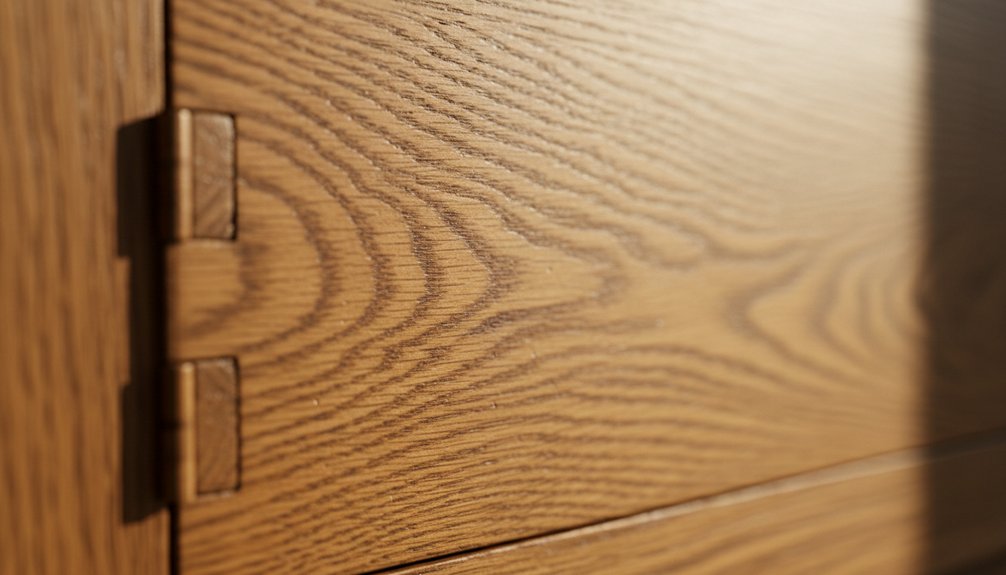
Oak furniture provides excellent durability due to its dense cellular structure and natural tannins that effectively resist decay and pests. Two primary types of oak are commonly used: red oak and white oak. Red oak features bold grain patterns and pinkish-brown tones, while white oak offers subtler grains and gray-brown hues, known for superior water resistance.
The cutting method impacts the visual characteristics of the wood. Quarter-sawn oak displays straight grain lines, making it ideal for a uniform look. In contrast, plain-sawn oak reveals dramatic cathedral patterns, which contribute to its unique aesthetic.
Quality oak pieces can last for generations, developing a richer character as they age. This longevity makes oak furniture a smart long-term investment suitable for both traditional and modern interiors. Custom options are available to ensure that the furniture meets specific design needs. Overall, choosing oak furniture means investing in durable, visually appealing pieces that can adapt over time.
Why Oak Furniture Lasts Decades Longer Than Other Woods
Oak furniture lasts decades longer than softer woods like pine or poplar due to its natural compounds. Oak contains tannins, which resist decay and insect damage effectively. These tannins function as preservatives, protecting the wood from moisture and pests.
The dense cellular structure of oak gives it significant hardness and impact resistance. When you choose oak furniture, you select pieces that endure daily wear for generations.
Oak’s dense cellular structure delivers exceptional hardness and impact resistance, creating furniture built to withstand generations of daily use.
The tight grain pattern in oak minimizes warping and cracking, even with fluctuating humidity. This stability ensures oak furniture retains its form and strength over the years.
Additionally, oak sustainability makes it an environmentally responsible choice. A single piece of oak furniture can last multiple lifetimes, reducing the frequency of replacements. In contrast, softer woods often require replacement every decade.
This durability means oak furniture provides better value over time. Traditional craftsmanship techniques further enhance the longevity and quality of oak furniture, ensuring it stands the test of time.
Red Oak vs. White Oak: Which Type Should You Buy?
When selecting oak furniture, you must decide between red oak and white oak. Red oak has a prominent grain pattern and features pinkish-brown tones. In contrast, white oak presents subtler grain lines and cooler gray-brown hues. Understanding these differences is crucial for making an informed choice.
Red oak offers a more striking appearance, making it popular for those who want a bold look. On the other hand, white oak provides a more understated aesthetic, suitable for contemporary and minimalist styles. Assess your personal style and the overall design of your space to determine which oak type aligns with your vision.
Both types of oak have varying durability and maintenance needs. Red oak is softer and may be more prone to scratches and dents, which can be a concern in high-traffic areas. White oak, being denser, typically withstands daily wear and tear better, making it a practical choice for families with children or pets.
Consider the long-term care for each type. Red oak furniture often requires more frequent refinishing to maintain its appearance, while white oak may need less upkeep due to its durability. Additionally, consider the optimal furniture placement to ensure your oak pieces fit harmoniously in your living space.
Both types can be stained or finished to enhance their natural beauty, but be mindful of the specific finishes that work best with each oak type.
Ultimately, your choice between red oak and white oak should reflect both your aesthetic preferences and practical needs. Evaluate the visual qualities, durability, and maintenance requirements of each type to make the best decision for your home.
Grain and Color Differences
Red oak and white oak have distinct visual differences that significantly affect furniture appearance.
Red oak features bold grain patterns with noticeable cathedral shapes and swirling designs. In contrast, white oak has tighter, subtler grain lines that contribute to a smoother aesthetic.
In terms of color, red oak typically presents pinkish or reddish undertones, while white oak has golden-brown or grayish tones.
Key visual distinctions between red oak and white oak:
- Red oak’s dramatic grain patterns enhance rustic-themed interiors.
- White oak’s understated appearance complements modern and minimalist designs.
- Color variations in red oak and white oak influence stain absorption and final appearance.
- Grain texture impacts the tactile quality of furniture, affecting user experience.
- Your choice between red oak and white oak influences the emotional atmosphere in a room.
Understanding these distinctions will guide you in selecting the appropriate oak for your specific design needs.
Durability and Maintenance Needs
Red oak and white oak exhibit distinct practical performance differences that are important for everyday use.
White oak features a closed cellular structure, which provides natural water resistance. This characteristic means white oak requires less intensive treatment for protection, making it the better choice for humid environments and outdoor applications.
In contrast, red oak has open pores that absorb moisture more easily, which necessitates more frequent wood preservation efforts to prevent damage.
Both red oak and white oak have similar hardness levels, allowing them to withstand daily wear. However, white oak has superior resistance to rot and insect damage, even without chemical treatments.
For maintenance, red oak furniture requires protective finishes to be applied more often than white oak. White oak, on the other hand, can tolerate neglect better while still maintaining its structural integrity.
When deciding between red oak and white oak, consider your specific environment and how much upkeep you’re willing to commit to. If you prioritize durability and low maintenance, white oak is the clear choice. If you prefer the look of red oak and are ready for regular upkeep, that may suit your needs as well.
Oak Grain Patterns and How They Affect Appearance
When you inspect oak furniture, you notice distinct grain patterns that significantly influence its appearance. The grain patterns can take the form of pronounced cathedral arches or smooth straight lines, which depend on the cutting method used for the lumber.
For instance, quarter-sawn oak typically showcases a straighter grain, while plain-sawn oak presents more of those dramatic arches.
Additionally, the natural color of oak varies from board to board, which adds unique character to each piece of furniture. For example, one board may display a light golden hue, while another may lean towards a darker brown.
This variation enhances the overall aesthetic of the furniture, making each item distinct. When selecting oak furniture, consider the grain pattern and color variations that resonate with your design preferences. The choice of grain pattern and color can affect the overall style and ambiance of your space. Understanding these characteristics helps you make an informed decision about the furniture you choose for your home or office. Moreover, traditional furniture styles often showcase the beauty of oak grain, highlighting its rich textures and finishes that complement classic design elements.
Cathedral Versus Straight Grain
The method of cutting wood from an oak log determines whether the finished furniture piece displays cathedral grain or straight grain patterns. Sawyers cut through the log’s growth rings at specific angles to produce different visual effects.
Plain-sawn cutting creates cathedral patterns, producing bold arcs that resemble Gothic cathedral windows. These dramatic curves add character to the furniture. In contrast, quarter-sawn cutting results in straight grain patterns with lines running parallel along the board’s length, providing a more uniform appearance.
Understanding how each grain pattern influences furniture choices is critical.
- Cathedral grain creates bold arcs, serving as stunning focal points in living spaces.
- Straight grain offers clean lines, making it ideal for contemporary design schemes.
- Cathedral patterns highlight oak’s natural beauty through varied figures.
- Straight grain ensures consistent appearance across multiple furniture pieces.
- Choosing a grain pattern reflects personal style and design preferences.
When selecting wood for furniture, consider how the cutting method influences the final look.
Plain-sawn cutting enhances visual interest with its cathedral grain, while quarter-sawn cutting maintains a more consistent, refined appearance.
Color Variation in Oak
Oak wood exhibits a range of color variations based on its species, with two primary types prevalent in the furniture industry: white oak and red oak.
White oak features lighter shades that include pale cream and light brown. In contrast, red oak presents warmer tones, often showing pinkish or reddish undertones.
When I work with oak, I consistently observe that color intensity can vary even within individual trees. Factors such as the age of the tree and the conditions in which it grew significantly impact color.
The heartwood, which is the central part of the tree, generally appears darker than the outer sapwood. Additionally, seasonal growth patterns contribute to subtle color variations throughout the wood.
When selecting oak furniture, it’s essential to understand these natural color differences. These differences aren’t defects; rather, they’re authentic characteristics that enhance the uniqueness of each piece.
Oak Furniture in Traditional and Modern Interiors
Oak furniture provides remarkable versatility, making it suitable for both traditional and modern interior designs. Oak’s timeless elegance fits seamlessly into various decorating styles.
In traditional interiors, oak furniture offers warmth and classic appeal, often featuring intricate carvings and rich finishes. In contrast, modern spaces benefit from clean-lined oak pieces that showcase the wood’s natural beauty while remaining functional. The unique grain patterns of oak enhance both rustic farmhouse kitchens and sleek minimalist living rooms.
You will create lasting memories around an oak dining table that continues to improve with age. Choosing quality oak furniture enhances your home’s character and reflects your commitment to durability.
Investing in oak pieces means your children can inherit well-crafted items that withstand the test of time. Oak’s natural warmth transforms your space into a welcoming sanctuary. You’ll take pride in knowing your oak furniture endures decades of daily use without sacrificing aesthetics.
Is Oak Furniture Worth the Investment?
When homeowners consider buying furniture, they often prioritize cost. Oak furniture represents a smart long-term investment due to its durability and longevity. Quality oak pieces can last generations when maintained properly. This longevity means homeowners won’t need to replace furniture frequently, which saves money over time compared to cheaper options that deteriorate quickly.
Oak furniture also enhances a home’s aesthetics. The unique grain patterns and rich colors of oak elevate any room’s look, which can make spaces more appealing to potential buyers. The timeless appeal of oak ensures that furniture remains stylish for many years, avoiding the risk of becoming outdated.
Custom Oak Furniture: Sizing, Finishes, and Design Options
Custom oak furniture allows homeowners to create pieces that fit their specific dimensions and aesthetic preferences. Custom sizing enables homeowners to maximize their available space while ensuring the furniture maintains proper proportions. Professional craftsmen adjust the dimensions to accommodate unique room layouts or specific functional requirements.
When selecting finishes, you can choose from a variety of stains and protective coatings that enhance the natural grain of oak. Natural finishes preserve the wood’s authentic golden tones, making them ideal for those who want to highlight the wood’s beauty. Medium stains add warmth and depth to a room, while dark finishes offer a dramatic and sophisticated look.
Matte coatings deliver a subtle, contemporary elegance, and glossy sealants provide a traditional, polished appearance.
Design customization includes hardware selection, edge profiles, and joinery techniques. This guarantees that the furniture reflects your personal style. For example, you can choose sleek metal hardware or rustic wooden knobs, select rounded or beveled edges, and decide on mortise-and-tenon or dowel joinery. Each choice contributes to the overall look and functionality of the piece.
Keep in mind that custom furniture may involve longer lead times due to the personalized nature of the work. However, the result is a unique piece that meets your specific needs and preferences.
Best Practices for Cleaning and Maintaining Oak Furniture
After investing in custom oak furniture tailored to your home, you need to take proper steps to maintain its beauty and longevity.
Regular cleaning involves dusting the oak furniture with a soft, lint-free cloth once a week to prevent dirt from accumulating. For deeper cleaning, use a cloth dampened with water, followed by a dry cloth to ensure no moisture remains. Avoid using harsh chemicals or abrasive cleaners, as they can damage the finish and affect the wood’s appearance.
To maintain oak furniture, keep it out of direct sunlight to prevent fading and drying. Maintain indoor humidity levels between 40-45% to avoid warping or cracking of the wood.
Apply a quality furniture polish every few months to nourish the oak and enhance its natural luster. If spills occur, address them immediately by blotting the area with a clean cloth; don’t rub, as this can cause staining and moisture penetration.
Where to Buy Quality Oak Furniture at Fair Prices
Finding quality oak furniture at fair prices involves targeted strategies and thorough research. Online retailers offer a wide range of options, often providing competitive prices, customer reviews, and detailed product specifications. Local artisans create custom oak furniture, allowing you to inspect craftsmanship and choose specific designs. Estate sales and auctions can yield vintage oak pieces at lower prices, making them worth exploring.
Smart oak furniture shopping combines online research, local artisan visits, and estate sale hunting to secure authentic pieces at competitive prices.
To ensure you get the best value, follow these steps:
- Compare prices from different sources. This step helps you confirm you’re making a wise investment. Look at multiple websites and local shops.
- Examine construction details. Check for features such as dovetail joints and solid wood composition. Quality construction indicates durability and longevity.
- Request wood certification. Ensure you’re purchasing authentic oak rather than a less expensive veneer. Certification guarantees the material’s authenticity.
- Build relationships with furniture makers. Establish connections with local craftsmen. They can inform you about upcoming sales and exclusive offers.
- Visit showrooms during clearance events. Look for significant discounts on quality pieces at these events. Clearances can yield great deals on high-quality oak furniture.
Always review return policies and warranties before making a purchase. Understanding these terms protects your investment and ensures you’re satisfied with your choice.