

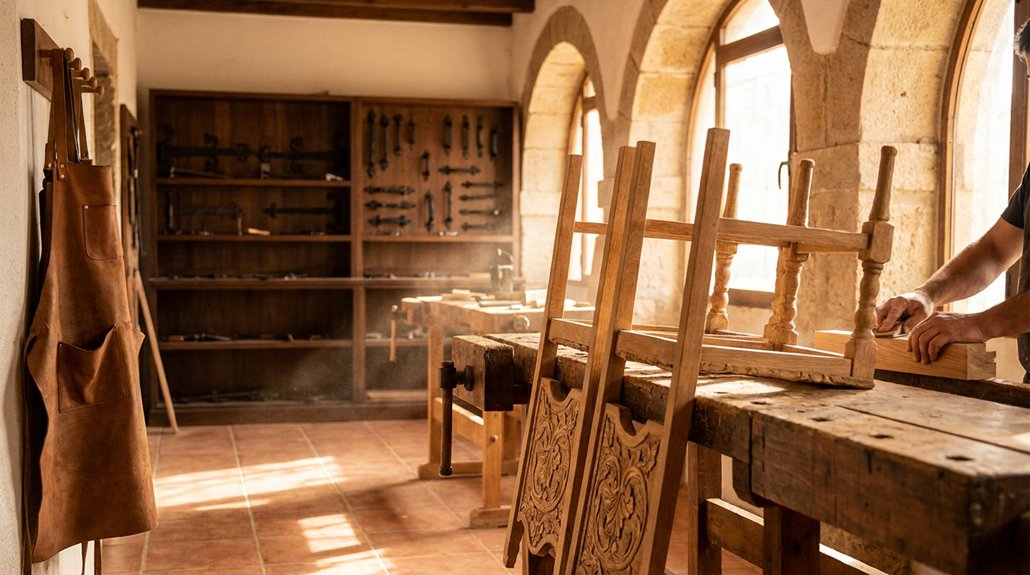
Spanish Crafted Furniture: Understanding Unique Pieces in Espana
Spanish crafted furniture showcases artisan skill, regional tradition, and high-quality materials. Each piece, made from solid hardwood and hand-forged metal, reflects a unique history influenced by Moorish, Gothic, and Renaissance designs.
Explore Regional Styles
Different regions like Andalusia, Catalonia, and Valencia offer distinct styles. For instance, Andalusian furniture often features intricate carvings and vibrant colors, while Catalan pieces may emphasize clean lines and functionality. Valencia presents a blend of both styles, showcasing both artistry and practicality.
Assess Authentic Quality
To identify authentic quality in Spanish crafted furniture, examine joinery, surface texture, and material integrity. Look for dovetail joints, which indicate strong construction. A smooth surface finish suggests careful craftsmanship. Inspect wood grain and metal work to ensure they align with traditional methods.
Practical Tips for Selecting Pieces
When choosing furniture, prioritize pieces that resonate with your needs and aesthetic. Measure your space to ensure the selected item fits appropriately. Consider the furniture’s functionality alongside its design. If a piece is intended for daily use, durability becomes essential.
Recognize Limitations
Not every piece labeled as “Spanish crafted” meets quality standards. Beware of mass-produced items that mimic traditional styles without the same craftsmanship. Always verify the source and the maker’s credentials to ensure authenticity.
Conclusion
Understanding Spanish crafted furniture involves recognizing the craftsmanship, assessing quality, and selecting pieces that fit your space and style. By focusing on these elements, you can confidently choose unique items that enhance your home.
What Sets Spanish Crafted Furniture Apart From Mass-Produced Pieces
When you compare Spanish crafted furniture to mass-produced pieces, the differences are significant. Spanish artisans employ traditional techniques that have been refined over generations. This approach guarantees that each piece showcases exceptional skill and meticulous attention to detail.
Spanish crafted furniture reflects generations of refined artisanship, where traditional techniques ensure exceptional skill and meticulous attention to detail.
In contrast, mass-produced furniture relies on automated assembly lines, which prioritize speed over quality.
Spanish crafted furniture draws from a rich cultural heritage, incorporating influences from Moorish, Gothic, and Renaissance design traditions. This results in unique patterns, intricate carvings, and distinctive finishes that are absent in factory-made items.
Each piece of Spanish furniture uses high-quality materials, such as solid wood and hand-forged metal hardware. Mass-produced alternatives often utilize lower-quality materials like particleboard, which compromises durability.
Choosing Spanish crafted furniture means investing in authenticity and artistry. Each piece offers a unique value that stands in stark contrast to the uniformity found in mass production.
This investment not only enhances the aesthetic of your space but also ensures longevity and craftsmanship that mass-produced items can’t match.
How to Identify Genuine Artisan Quality Before You Spend a Penny
To identify genuine handcrafted furniture before spending money, examine specific features closely.
Inspect Joints and Edges
Check the joints and edges. Artisan craftsmanship results in tight, precise joinery without gaps or glue residue.
Look for miters, dovetails, or mortise-and-tenon joints that indicate skill.
Feel the Surface
Run your hand across surfaces. Authentic hand-finishing creates subtle variations, unlike the uniformity of machine-made products.
Look for slight imperfections that hint at manual work.
Examine Undersides and Hidden Areas
Check the undersides and hidden areas of the furniture. Skilled artisans apply the same level of care in these places.
Look for smooth edges and consistent finishes, as quality is maintained throughout.
Assess Materials
Identify the materials used. Genuine artisans choose quality materials like solid hardwood, natural leather, or hand-forged metal hardware.
Confirm the materials by looking for labels or asking the seller.
Inquire About Sourcing and Finishing
Ask the seller about the wood species, sourcing, and finishing process.
A knowledgeable artisan can provide detailed answers about their materials and methods, showcasing confidence in their work. Understanding the finishes and joinery techniques used can further validate the craftsmanship.
Compare Weight and Density
Lift the furniture to assess its weight. High-quality materials feel substantial and solid.
Lightweight furniture may indicate lower-quality components.
Request Documentation
Request documentation or maker information for provenance.
Authentic pieces often come with details about their origin, including maker’s marks or certificates of authenticity.
This traceability adds to the piece’s value and credibility.
Spain’s Best Regions for Handcrafted Furniture and What Each Specialises In
Spain’s furniture-making tradition is diverse, with each region specializing in unique styles and techniques. Understanding these specialties helps you make informed choices when selecting handcrafted furniture.
Andalusia: Ornate Designs
Andalusian artisans specialize in ornate furniture featuring Moorish influences. They create pieces with intricate geometric patterns and detailed wood carvings.
Andalusian furniture reflects centuries of Moorish artistry, showcasing intricate geometric patterns and masterfully carved wood in every piece.
If you seek bold, decorative items with historical significance, Andalusia offers the craftsmanship you need. Expect to find chairs, tables, and cabinets that reflect this rich heritage.
Catalonia: Modernist Craftsmanship
Catalonia focuses on modernist furniture characterized by clean lines and functional design. Influenced by Art Nouveau and contemporary European styles, Catalan craftsmen produce elegant pieces that marry aesthetics with practicality.
Look for furniture such as minimalist tables and stylish storage solutions that enhance both form and function. Additionally, consider maintaining aesthetic cohesion in your selections to ensure a harmonious look in your space.
Castilla y León: Rustic Durability
In Castilla y León, artisans produce sturdy, rustic furniture using traditional joinery techniques. This region emphasizes solid construction and durability, making it ideal for those who prefer understated pieces.
Expect to find robust dining tables and simple cabinetry that stand the test of time.
Valencia: Lacquered Finishes
Valencia artisans specialize in detailed lacquered finishes and painted wood furniture. They create vibrant, eye-catching pieces that add color and character to any space.
When shopping in Valencia, seek out intricately designed chairs and tables that showcase skilled craftsmanship and artistic flair.
Which Interior Styles Pair Best With Spanish Crafted Furniture
Spanish crafted furniture enhances various design styles in your home. Knowing the specific Spanish region of origin helps, but understanding how to integrate this furniture into your overall decor is crucial. Here are five styles that work well with Spanish furniture:
Rustic Elegance Features Dark Wood and Warm Lighting
Rustic elegance utilizes dark carved wood dining tables to create a welcoming atmosphere. Position these tables in a candle-lit dining room to emphasize warmth and intimacy. This pairing highlights the craftsmanship of Spanish furniture while maintaining a cozy feel.
Modern Minimalism Uses Sleek Lines and Simple Designs
Modern minimalism benefits from the clean lines of a Valencian cabinet. Place this cabinet against a white wall to create a striking focal point. This approach showcases the furniture’s design without overwhelming the space, allowing the craftsmanship to shine.
Mediterranean Style Emphasizes Earthy Materials
Mediterranean style combines terracotta floors with hand-painted ceramic-inlaid side tables. This pairing enhances the vibrant colors and textures characteristic of Spanish craftsmanship. Use these elements to create a cohesive look that reflects sun-soaked landscapes.
Bohemian Interiors Incorporate Textiles and Natural Materials
Bohemian interiors feature woven rattan chairs layered with colorful textiles and cushions. This combination allows Spanish furniture to blend effortlessly with eclectic accessories. Use this style to create a relaxed, inviting atmosphere that celebrates diversity in design.
Traditional European Style Integrates Ornate Details
Traditional European style incorporates ornate Castilian chests alongside antique mirrors and wool rugs. This combination highlights the intricate details of Spanish furniture while maintaining a classic aesthetic. Use this style to create a timeless and sophisticated environment.
Conclusion
Selecting the right interior style for your Spanish crafted furniture ensures a purposeful and intentional look in your home. Each style offers unique ways to showcase the quality and craftsmanship of the furniture, making it an integral part of your decor. Understanding traditional furniture styles can help you make informed decisions about incorporating Spanish pieces into your design.
Where to Buy Unique Crafted Furniture Directly From Spanish Artisans
Finding unique crafted furniture directly from Spanish artisans requires clear steps and specific locations. Visit artisan markets in Seville, Valencia, and Barcelona. These markets feature skilled makers who display handmade furniture. You can speak directly with artisans, ask questions about their techniques, and request customizations.
Explore local workshops in smaller towns and villages as well. Many of these workshops utilize traditional furniture-making techniques passed down through generations. Workshops often welcome visitors, allowing you to observe the creation process up close and gain insight into the craftsmanship.
Use online platforms like Etsy and regional Spanish craft directories to connect with verified artisans. These websites offer access to artisans who ship nationwide and internationally. By purchasing directly from artisans, you support authentic craftsmanship and acquire furniture that reflects genuine cultural and artistic value.
Avoid relying solely on mass-produced furniture retailers. These options lack the uniqueness and personal touch that handcrafted pieces offer. Focus on locations where artisans work and sell their creations directly to consumers, ensuring a unique and meaningful purchase experience.