

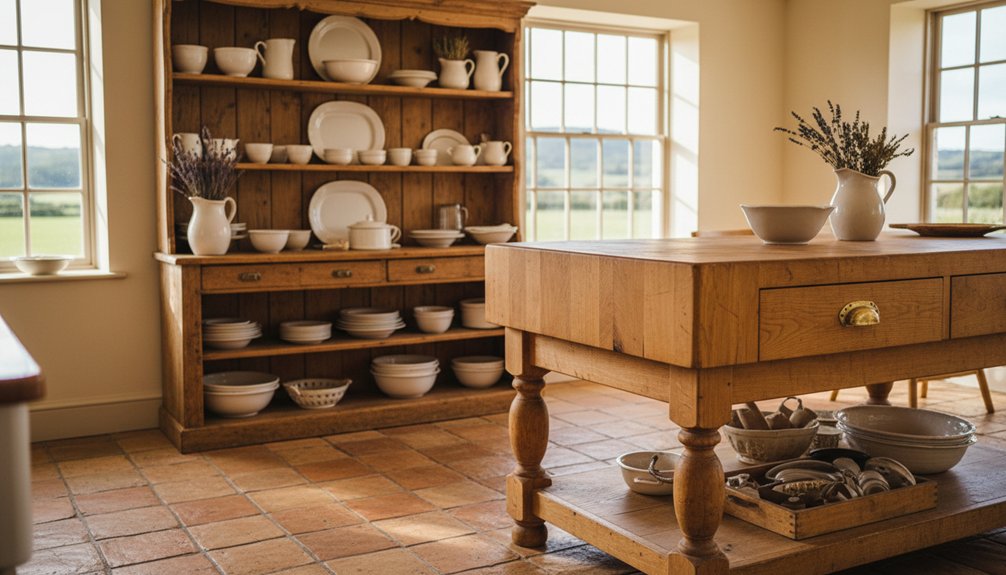
Freestanding kitchen furniture made from solid wood provides flexibility and durability for your kitchen. Unlike built-in units, these pieces allow you to move and rearrange storage easily as your needs evolve. This aspect reduces your upfront costs and simplifies the installation process. Solid wood brings a natural aesthetic to your space with its unique grain patterns and, with proper care, can last for decades.
Adjustable shelves, pull-out systems, and open display options enhance organization and efficiency in your kitchen. For example, pantry cupboards can store dry goods while kitchen islands can serve as prep areas or additional storage. These versatile solutions can fit various styles, and maintaining their beauty is straightforward with furniture wax and prompt spill cleanup.
When considering your kitchen layout, think about how freestanding pieces, such as a kitchen island or a pantry cupboard, can adapt to your workflow. Be aware that while solid wood is durable, it may require more maintenance than synthetic alternatives. However, the timeless appeal and functionality of solid wood furniture make it a worthwhile investment for any kitchen.
Benefits of Freestanding Kitchen Furniture vs. Fitted Units
When planning a kitchen renovation, you need to decide between freestanding furniture and fitted units. Freestanding furniture provides significant benefits over fitted units. Freestanding pieces allow for flexibility. You can rearrange, replace, or take your furniture with you when you move. This flexibility enables you to refresh your kitchen layout easily, avoiding costly renovations.
Additionally, freestanding furniture typically costs less upfront and installation is simpler. Fitted units have their own advantages, such as a sleek appearance and space efficiency, but they come with limitations. Once you install fitted units, they become permanent fixtures that are difficult to modify. Repairs for fitted units often require professional help, and updating your kitchen may mean complete replacement of the units.
You also remain locked into the existing layout, restricting your future design options. In contrast, freestanding furniture offers long-term value and versatility, making it a more practical choice for many homeowners. Moreover, solid wood furniture provides durability significantly outperforming alternative materials, ensuring that your freestanding pieces will last for decades.
How to Integrate Freestanding Pieces Into Your Existing Kitchen
To integrate freestanding furniture into your existing kitchen effectively, follow a structured approach. Start by assessing your kitchen layout to identify where freestanding pieces can improve functionality and organization while avoiding clutter.
Match Finishes: Align the finish tones of your freestanding furniture with your existing cabinetry. This creates a cohesive look that enhances visual appeal. For example, if your cabinets are a warm oak, choose freestanding pieces in a similar wood tone.
Position for Impact: Place statement furniture in key areas to create focal points. For instance, a bold kitchen island can serve as both a functional workspace and a visual centerpiece.
Mix Textures: Combine different materials, such as wood, metal, and painted surfaces, to add depth and interest. For example, pair a wooden table with metal bar stools to create contrast while maintaining a unified theme.
Ensure Height Consistency: Keep countertop and work surface heights consistent across all surfaces. This promotes a seamless workflow. If your existing countertops are 36 inches high, ensure your freestanding pieces match this height.
Define Zones: Use area rugs or changes in flooring to establish distinct zones where your freestanding furniture will anchor specific activities. For instance, place a rug under a freestanding dining table to define the dining area separate from the cooking zone.
Additionally, consider optimal furniture placement to ensure that your freestanding pieces enhance movement and accessibility throughout the kitchen.
Freestanding Kitchen Islands and Butcher Block Prep Tables
Freestanding kitchen islands and butcher block prep tables enhance kitchen functionality by providing additional workspace, storage, and mobility. These pieces come in various styles, from compact rolling carts to large fixed islands, allowing for flexibility in kitchen layouts.
Kitchen Islands Provide Versatile Workspaces
Kitchen islands serve as multi-purpose workstations that can accommodate various tasks. They typically feature storage options, including drawers, cabinets, and shelves, which help organize utensils and ingredients.
Kitchen islands function as versatile workstations with integrated storage solutions for utensils, ingredients, and essential kitchen tools.
Kitchen islands generally range in size from large to extra-large, offering ample space for food prep and meal assembly. Most kitchen islands stand at a height of 36 inches, which aligns well with standard countertop heights.
Butcher Block Prep Tables Offer Dedicated Cutting Surfaces
Butcher block prep tables focus on providing a sturdy cutting surface for food preparation. These tables often feature limited or open shelving for storage, prioritizing the worktop’s usability.
Sizes for butcher block tables range from small to medium, making them suitable for tight spaces. The height of butcher block prep tables typically falls between 34 to 36 inches, making them versatile for various kitchen tasks.
Selecting the Right Materials for Durability
When choosing materials for butcher block prep tables, maple and oak are excellent options due to their durability. Both woods resist knife marks and can withstand the rigorous demands of daily kitchen use. Selecting materials that reflect traditional styles can enhance the overall aesthetic of the kitchen.
Mobility and Stationary Options
Kitchen islands are often stationary, providing a stable surface for various kitchen activities. In contrast, many butcher block prep tables come with wheels, allowing for easy movement throughout the kitchen.
This mobility is beneficial for those who require flexibility in their workspace setup.
Limitations and Considerations
While kitchen islands offer extensive storage options, they can take up significant space in smaller kitchens.
Butcher block prep tables, although mobile, may not provide as much storage as kitchen islands. It’s essential to consider the available kitchen space and specific needs when selecting between these two options.
Solid Wood Pantry Cupboards and Larder Storage Units
Solid wood pantry cupboards provide durability and an attractive look that manufactured materials often lack. Natural wood withstands wear and adds a cozy touch to your kitchen.
When choosing a pantry unit, first measure your available space to ensure a proper fit. Next, assess your storage needs based on the number of items your household uses daily.
Consider the dimensions of the pantry cupboard. Standard widths range from 24 inches to 36 inches, while heights can vary from 60 inches to 84 inches. Account for these sizes when planning your kitchen layout.
Evaluate the interior storage features as well. Look for adjustable shelves, which allow you to customize the space for different-sized items. Include drawers for smaller items, ensuring easy access to frequently used kitchen essentials.
Also, think about the finish of the wood. Clear finishes enhance the natural grain, while painted options can match your kitchen décor. Select a finish that complements your style and provides protection against spills and stains.
Be aware of the limitations of solid wood pantry cupboards. They can be heavy, requiring sturdy wall support or a solid floor. Additionally, wood can expand and contract with humidity changes, so consider placing your pantry in a climate-controlled area to maintain its condition.
Benefits of Solid Wood
When you invest in pantry cupboards and larder storage units, the choice of material impacts both performance and longevity. Solid wood remains the top choice for kitchen storage furniture.
Solid wood provides essential benefits:
- Durability: Solid wood endures daily use and maintains its strength for decades. This means fewer repairs and replacements.
- Sustainability: Responsibly sourced solid wood is a renewable resource. It captures and stores carbon over its lifespan, making it an environmentally friendly option.
- Aesthetic Appeal: The natural grain patterns of solid wood add beauty to any kitchen. This timeless look fits seamlessly with various kitchen styles.
- Repairability: Solid wood surfaces can be sanded and refinished, allowing easy restoration to their original condition after years of use.
- Value Retention: High-quality solid wood furniture retains its value better than manufactured options, ensuring a worthwhile investment.
Unlike particle board or MDF, solid wood resists moisture damage, making it a reliable choice for kitchen storage.
Investing in solid wood means choosing a durable, sustainable, and aesthetically pleasing material that will meet your kitchen storage needs for many years.
Choosing the Right Size
Choosing the right size for your pantry cupboard or larder unit is essential for effective storage. Start by measuring the space in your kitchen where you plan to place the unit. Measure the height, width, and depth of the area accurately. Ensure you account for door swings and pathways to maintain easy access.
Next, evaluate your storage needs based on your household size and shopping habits. Determine what items you’ll store, such as dry goods, canned foods, or small kitchen appliances. For compact kitchens, taller units utilize vertical space efficiently, while wider units are better suited for open layouts.
Additionally, check your ceiling height and the distance from your floor to your counter. A pantry cupboard that fits well integrates seamlessly into your kitchen. Proper sizing ensures that you have ample storage capacity to meet your needs for years to come.
Always remember that an ill-fitting unit can disrupt the flow of your kitchen and limit accessibility.
Base Cabinets and Countertop Storage in Solid Wood
Base cabinets provide essential storage in your kitchen, and selecting solid wood construction ensures durability for years of everyday use. Solid wood base cabinets support various designs that optimize the space beneath countertops.
For instance, traditional door-and-drawer combinations offer versatile storage options, while modern pull-out shelf systems enhance accessibility to frequently used items.
Countertop storage solutions work alongside base cabinets to keep essential kitchen tools and ingredients within reach. By incorporating shelves or racks above the countertop, you can maintain an organized work area while ensuring that necessary items are easily accessible during meal preparation.
When designing your kitchen layout, consider how base cabinets and countertop storage interact. Solid wood base cabinets promote longevity, while effective countertop storage solutions maximize functionality.
Together, they create a cohesive storage system that meets everyday needs.
Base Cabinet Design Options
Base cabinets serve as the backbone of your kitchen’s storage system. Selecting the right design options is crucial for achieving both functionality and visual appeal. You can choose from various styles, including traditional shaker and modern flat-panel designs.
I recommend solid wood for base cabinet construction due to its durability and classic look, especially when compared to particleboard.
When considering base cabinet design, focus on these key features:
- Drawer configurations: Multiple heights in drawers allow storage of items like utensils, pots, and pans efficiently.
- Door styles: Decide between single doors, double doors, or combinations of drawers and doors for easy access.
- Interior organizers: Use pull-out shelves and dividers to make the most of your storage space and keep everything organized.
- Toe-kick options: Choose between standard and recessed toe-kicks, as they influence the overall aesthetics of your kitchen.
- Hardware placement: Position knobs and pulls strategically to enhance both usability and style.
These design choices directly affect your kitchen’s workflow and overall appearance. When you optimize these features, you create a more efficient and visually appealing kitchen environment.
Countertop Organization Solutions
After you set up your base cabinet layout, focus on maximizing your workspace above them with effective countertop organization. Solid wood countertop accessories enhance both functionality and durability for your kitchen tasks. Install wooden utensil holders, spice racks, and knife blocks to keep essential tools within reach. These items help maintain a clean surface while ensuring that everything you need is easily accessible.
Use wall-mounted shelves to add storage above your countertops without taking up valuable workspace. Group items by frequency of use to streamline your workflow. Place cutting boards near your food prep area and coffee supplies close to your beverage station for easy access.
Implement tiered organizers to utilize vertical space efficiently, allowing you to stack items without cluttering the countertop. Incorporate wooden drawer inserts and dividers to keep smaller items sorted and readily available. Use corner lazy Susans to make the most of those hard-to-reach spaces.
Kitchen Dressers and Plate Racks for Open Display Storage
Kitchen dressers and plate racks serve as essential display storage solutions that make dishware easily accessible while enhancing the visual appeal of your kitchen.
These pieces allow you to showcase your favorite ceramics and vintage collections, turning them into decorative elements. Traditional Welsh dressers combine lower cabinets with upper shelving to balance organization with style. In contrast, standalone plate racks offer a streamlined alternative, particularly useful in smaller kitchens.
When selecting display furniture, consider the following benefits:
- Accessibility: You can grab dishes and glassware quickly without the hassle of opening cabinet doors.
- Visual Interest: Colorful ceramics and vintage collections add character and become focal points in your kitchen.
- Space Efficiency: Vertical storage maximizes available room, making it ideal for compact kitchens.
- Flexibility: Freestanding pieces can be easily relocated during kitchen remodels or when rearranging furniture.
- Character: Solid wood construction provides warmth and a traditional charm that enhances the kitchen’s overall aesthetic.
These display solutions fit particularly well in farmhouse, cottage, and country-style kitchens, where the showcased collections contribute to the inviting atmosphere.
They help create a functional yet aesthetically pleasing kitchen environment.
Maintaining Solid Wood Finishes Against Heat and Moisture
Solid wood kitchen furniture enhances your space with its natural beauty and durability, but it also needs specific care to withstand heat and moisture. Use trivets or heat-resistant pads whenever you place hot pots and pans on wood surfaces. This action prevents scorching and discoloration, which can ruin the wood’s appearance.
Never set items straight from the oven or stovetop on these surfaces, as the high temperature can damage the finish.
To protect against moisture, promptly wipe up spills with a soft, dry cloth. This action prevents liquid from seeping into the wood, which can lead to warping or cracking. Refrain from using excessive water during cleaning, as it can penetrate the finish and cause long-term damage.
Instead, apply furniture wax or oil every few months to maintain the protective seal and enhance the wood’s appearance.
Keep solid wood furniture away from dishwashers and sinks, as steam accumulation in these areas can deteriorate the wood’s finish over time.
Regular maintenance preserves the finish and extends the life of your investment, ensuring your solid wood furniture remains beautiful and functional for years to come.