

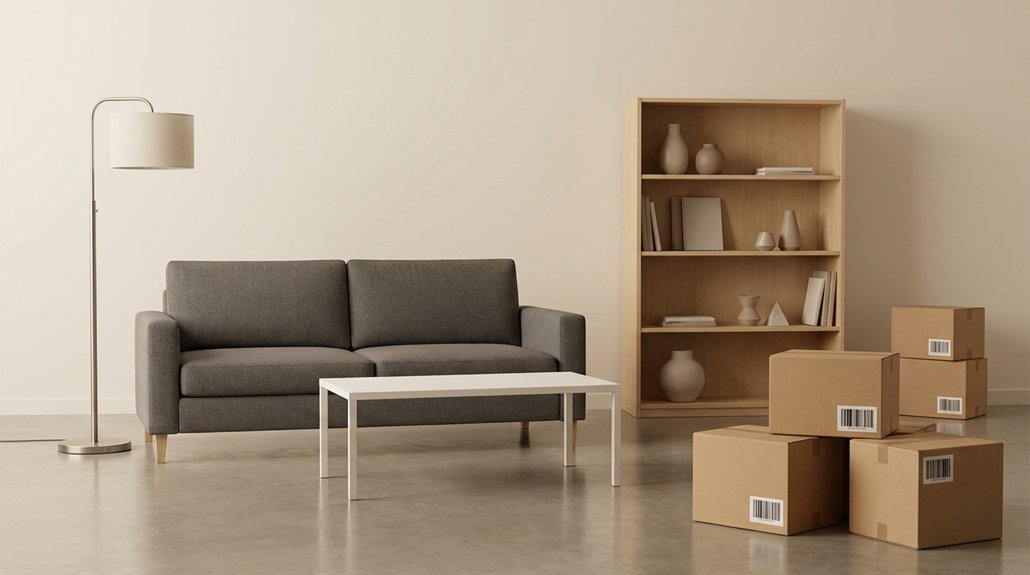
VidaXL’s Catalogue Lacks Distinctiveness for a Branded Furniture Store
VidaXL’s catalogue primarily features generic, mass-market products that are interchangeable and price-driven. This approach limits the potential for creating a distinctive furniture brand. To counter this, we should focus on curating a selection of 20 to 40 SKUs targeted at a specific niche, such as small-space renters.
By selecting these SKUs, we can apply cohesive styling that resonates with our audience. Tracking performance data on this curated selection will inform our decisions and enhance our value proposition. This method allows us to establish a lean and effective concept that drives conversions.
Strategic choices regarding branding and marketing will determine whether this initiative evolves into a defensible and scalable brand. Without these focused efforts, VidaXL’s generic catalogue will continue to hinder brand loyalty and design equity.
What Makes an Online Furniture Brand Stand Out?
An online furniture brand stands out by delivering a clear value proposition backed by data. This includes a curated product assortment, strong brand positioning, and a consistent visual identity. Brands must provide reliable quality signals, such as positive customer reviews, relevant certifications, and transparent returns data.
Pricing strategies should align with target segments and profit margins. Successful brands combine unique design elements with a seamless customer experience throughout the purchasing journey, from search to delivery and returns.
Align pricing with your target customers, then differentiate through unique design and a frictionless, end-to-end buying experience
Sustainable materials significantly enhance brand performance. Brands that highlight traceability in their storytelling attract consumers who prioritize eco-friendly options. Instead of targeting a broad audience, brands should focus on niche markets defined by specific aesthetics, room types, or lifestyles.
This targeted approach allows for more effective marketing strategies, including paid search and partnerships with influencers.
An effective online presence relies on high-quality imagery, 3D visualization tools, and logical merchandising. Brands should prioritize community engagement by encouraging customer reviews and showcasing user-generated content.
This strategy transforms satisfied customers into brand advocates, generating additional demand. Additionally, the use of solid wood furniture can elevate a brand’s appeal, as it signifies durability and timeless style.
In summary, an online furniture brand can differentiate itself by establishing a strong value proposition, focusing on sustainability, targeting niche markets, maintaining a high-quality online presence, and fostering community engagement.
These steps lead to increased customer loyalty and market share.
How Generic Is VidaXL’s Furniture Catalogue?
To evaluate VidaXL’s furniture catalogue, we analyze its assortment breadth, design distinctiveness, and price-to-feature ratios compared to competitors. VidaXL offers a wide range of categories, including living room, garden, office, storage, and décor, featuring hundreds of SKUs in each segment.
However, when we assess the visual style and design elements, we find limited product uniqueness. Many items resemble mass-market styles available on platforms like Amazon, Wayfair, or local discount retailers. Examples include typical oak-effect sideboards, mid-century-inspired chairs, and generic metal-frame beds.
From a market perspective, VidaXL prioritizes variety and affordability over distinctive design. This approach effectively attracts price-sensitive customers, but it results in a catalogue that resembles interchangeable commodity furniture rather than unique, design-focused collections. Additionally, the lack of aesthetic cohesion in their offerings further contributes to the generic feel of their catalogue.
Is VidaXL Good for Building a Brand?
VidaXL’s generic product catalogue significantly limits brand building. When numerous sellers offer nearly identical SKUs, establishing a unique brand identity becomes challenging. This situation leads to reselling common products rather than curating a distinctive narrative, which reduces pricing power and long-term customer loyalty.
From a brand-building perspective, we should treat VidaXL as a logistical framework rather than a source of creative inspiration. VidaXL’s wide range of products, efficient logistics, and competitive pricing enable scalability but do not foster memorability or emotional connections with customers. Additionally, the lack of distinct offerings hampers the ability to create an engaging furniture styles and trends narrative that resonates with consumers.
| Factor | Brand Impact |
|---|---|
| Product uniqueness | Low; difficult to establish a unique brand identity |
| Price visibility | High; promotes aggressive price competition |
| Margin flexibility | Tight; limits investment in brand development |
| Perceived quality | Mixed; weakens premium brand positioning |
| Repeat purchase logic | Functional; does not encourage brand loyalty |
Product uniqueness limits brand identity. The lack of distinct offerings makes it hard to create a memorable brand. When customers encounter similar products from various sellers, they struggle to differentiate between brands.
Price visibility drives competition. The transparent pricing model encourages sellers to continuously lower prices, which can harm brand perception. When pricing becomes the primary differentiator, the focus shifts away from brand value.
Margin flexibility constrains brand investments. Tight margins restrict the ability to invest in marketing and product development. Without these investments, building a strong brand becomes difficult.
Perceived quality varies among products. Mixed perceptions of quality dilute brand strength. When customers cannot associate VidaXL with premium offerings, it becomes challenging to position the brand effectively.
Repeat purchase logic is functional, not loyalty-driven. Customers may return for low prices but lack the emotional connection needed for brand loyalty. This transactional relationship does not encourage long-term engagement.
How to Differentiate a VidaXL Furniture Store
To differentiate a VidaXL furniture store, we need to focus on positioning rather than just the product. We’ll target a specific niche: renters in small urban apartments who want flexible, modular furniture. This focus allows us to transform a broad furniture catalogue into a curated selection that drives conversions.
Next, we’ll enhance the aesthetics of standard SKUs. We’ll create a consistent visual identity by defining a specific color palette, room styling guidelines, photography angles, and a uniform tone for product descriptions. This approach ensures that each product page aligns with a cohesive brand image rather than appearing as part of a generic marketplace.
We turn standard SKUs into a cohesive, styled collection that feels curated—not like a generic marketplace
We will structure the website’s navigation and product bundles around customer needs. For example, we’ll create bundles like “Work-From-Home Setup Under $600” and “Pet-Proof Living Room.”
We’ll analyze customer interactions, such as search terms and bundle popularity, to refine our positioning and product selection continually.
Who Should (and Shouldn’t) Use VidaXL for Branding
E-commerce operators can resell VidaXL products, but not all should use VidaXL as a primary branding tool. Brands targeting consumers who prioritize price, convenience, and a broad selection should leverage VidaXL. Discount-focused retailers and regional home goods shops can use VidaXL’s catalog to support their value-centric brand identity.
Conversely, brands that focus on design, niche markets, or premium products should not use VidaXL. For these brands, product uniqueness and material quality are essential for maintaining margins. Relying on VidaXL can lead to generic offerings that diminish brand differentiation and weaken long-term equity.
| Use Case Type | Should Use VidaXL for Branding? | Strategic Rationale |
|---|---|---|
| Budget mass-market | Yes | Aligns with value-focused consumer needs |
| Marketplace hybrid | Yes | Complements product assortment |
| Niche design brand | No | Conflicts with curated brand identity |
| Premium/luxury | No | Generic catalog undermines high-end appeal |
| DTC innovators | Rarely | Limits potential for unique product storytelling |
Budget Mass-Market Brands Should Use VidaXL
Budget mass-market brands should leverage VidaXL because it aligns with consumer priorities for affordability and variety. The extensive catalog allows these brands to meet diverse customer needs effectively.
Marketplace Hybrids Should Use VidaXL
Marketplace hybrid brands should utilize VidaXL to fill product gaps within their offerings. This strategy enhances the range of available products, allowing these brands to attract a wider audience.
Niche Design Brands Should Not Use VidaXL
Niche design brands should avoid using VidaXL. The generic nature of VidaXL products conflicts with the curated identity that niche brands work hard to establish. Unique offerings are essential for maintaining a distinctive brand presence.
Premium/Luxury Brands Should Not Use VidaXL
Premium and luxury brands should refrain from using VidaXL. The inclusion of generic products can dilute high-end positioning and compromise perceived value. Maintaining exclusivity is crucial for these brands.
DTC Innovators Rarely Use VidaXL
DTC innovators should rarely consider VidaXL for branding. The platform limits opportunities for storytelling around unique products, which is essential for DTC success. Brands in this space often prioritize direct connections with customers through distinctive offerings.
Action Plan to Test Your VidaXL Furniture Brand Idea
Brands aligned with VidaXL’s value-focused profile must validate the business model before investing capital.
We’ll approach this as a structured experiment rather than a risk-filled leap.
Conduct Market Research
Identify a specific target market, such as budget-conscious renters.
Test brand positioning using limited ad spending and develop dedicated landing pages.
Scale operations only if click-through and sign-up rates meet established benchmarks.
Curate Product Selection
Select 20–40 SKUs that clearly communicate the brand promise.
Ensure consistency in style, pricing, and intended use for each product.
Launch a lightweight storefront to gather real customer feedback before broadening the product line.
Validate Demand
Analyze search volume and perform competitor audits to confirm market interest.
This data will guide product selection and marketing strategies.
Test Brand Messaging
Conduct A/B tests on brand messaging using paid social media or PPC campaigns.
Measure performance against conversion rates and customer acquisition costs to determine effectiveness.
Track Performance Metrics
Monitor conversion rates, return rates, and customer review sentiment for each SKU.
Use this data to assess product viability and customer satisfaction.
Gather Customer Insights
Interview the first 20–50 customers to obtain qualitative feedback.
This information will inform adjustments to the product catalog and branding strategy.
Iterate Based on Data
Revise the product offerings and branding based on collected data rather than assumptions.
Prioritize changes that directly address customer feedback and market performance.
Constraints and Limitations
Recognize that this approach may not capture every niche or customer preference.
Some SKUs may perform poorly, and not all feedback will be actionable.
Focus efforts on the most promising segments and adjust as necessary.