

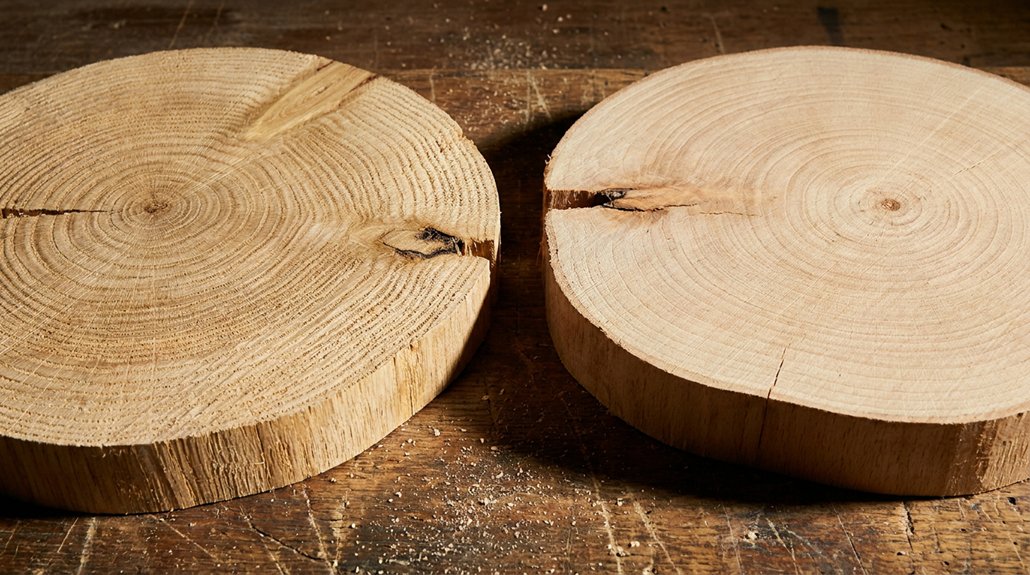
Beech wood has a Janka hardness rating of about 1,300 lbf, making it slightly harder than red oak, which scores around 1,290 lbf. White oak surpasses both, with a hardness rating of approximately 1,360 lbf. Each type of wood offers distinct advantages depending on the application.
For flooring, beech provides excellent durability and resistance to wear, while red oak is favored for its aesthetic appeal and versatility. White oak, on the other hand, is often chosen for outdoor furniture and high-moisture areas due to its resistance to rot.
When selecting wood for specific projects, consider the hardness and durability requirements. Beech is suitable for high-traffic areas, red oak works well in traditional furniture, and white oak excels in environments where moisture resistance is crucial. Understanding these properties helps in making informed decisions based on project needs.
Is Oak Actually Harder Than Beech?
When comparing oak and beech, beech is slightly harder than oak based on the Janka hardness scale. Oak scores around 1,290, while beech scores about 1,300. This means beech can resist dents and dings better than oak.
However, oak has advantages in durability. Oak contains natural tannins that protect against moisture, insects, and decay. This makes oak a better choice for outdoor applications. In contrast, beech absorbs moisture quickly, which limits its suitability for outdoor use.
Oak’s natural tannins provide superior protection against moisture, insects, and decay, making it ideal for outdoor applications.
When choosing between oak and beech for a project, consider both hardness and durability. Beech offers higher hardness, while oak provides superior long-term durability. Assess your specific needs to determine which wood aligns better with your project requirements. Additionally, the unique grain patterns and color variations of each wood type can influence your aesthetic preferences.
What the Janka Scale Reveals About Oak and Beech
The Janka hardness scale measures the force needed to embed a steel ball halfway into wood, allowing for a direct comparison of wood hardness. White oak scores approximately 1,360 lbf, while European beech scores around 1,300 lbf. This data indicates that white oak is slightly harder than European beech, but the difference is minimal.
When comparing wood types based on the Janka hardness scale, professionals often focus on their applications. White oak’s higher hardness makes it suitable for flooring and furniture that require durability. In contrast, European beech’s slightly lower hardness can still serve well in similar applications but may be more appropriate for items that don’t experience heavy wear.
Understanding these hardness ratings is crucial for selecting wood for specific projects. For example, choosing white oak may be beneficial for high-traffic areas, while European beech might work well for decorative pieces or cabinetry where extreme hardness is less critical. Additionally, considering optimal furniture placement can enhance the functionality and aesthetics of your space.
Limitations exist in the Janka scale as it primarily measures hardness without accounting for other important factors, such as grain structure and moisture content. These factors can influence wood performance and suitability for particular applications.
Janka Scale Explained
Understand Wood Hardness with the Janka Hardness Test
The Janka hardness test measures the force required to embed a steel ball halfway into a wood sample. This test provides an objective way to compare wood hardness across species.
Each species has a specific Janka score that reflects its density, which directly impacts its durability. For instance, oak generally has a higher Janka score than beech, indicating oak’s superior hardness.
Apply Janka Scores in Practical Projects
Use Janka scores to determine the suitability of wood for various applications. When building floors, furniture, or cabinets, choose wood with an appropriate hardness level based on its Janka rating.
For example, hardwoods like oak work well for high-traffic areas due to their durability, while softer woods may be better for decorative elements.
Adjust Woodworking Techniques Based on Hardness
Harder woods require sharper tools and more effort during machining. When working with hardwoods, ensure you use high-quality blades and bits to maintain efficiency and precision.
Additionally, adjust your feeding speed to prevent tool damage and achieve a clean cut.
Choose Finishes Based on Wood Density
Wood density affects how finishes, stains, and sealers interact with the surface. Denser woods absorb finishes differently than softer woods.
For example, oak’s density allows it to hold stains well, resulting in vibrant color, while softer woods may require more coats to achieve a similar effect.
Conclusion
Understanding the Janka hardness test helps you make informed decisions about wood selection, application suitability, and finishing techniques.
Oak Vs. Beech Ratings
Knowing how oak and beech compare on the Janka scale helps you select the best wood for your project. Red oak scores 1,290 lbf, while white oak scores around 1,360 lbf. Beech falls in the middle with a score of approximately 1,300 lbf. These scores indicate that red oak, white oak, and beech have similar hardness levels.
However, oak’s durability makes it preferable for outdoor and heavy-use applications. Oak’s natural resistance to moisture and wear ensures longevity in challenging environments.
Beech excels in indoor projects, thanks to its smooth grain that simplifies cutting and shaping.
Understanding these Janka ratings allows you to make informed decisions based on your specific needs. Choose oak for tough conditions and beech for ease of work in interior settings.
Avoid assumptions; rely on these concrete numbers to guide your choices.
Where Beech Outperforms Oak: Bending, Finishing, and Consistency
Here’s how beech clearly outperforms oak in practical terms:
- Bending strength: Beech excels in steam bending processes, making it suitable for producing intricate curves in chair backs and frames.
- Finishing techniques: Beech’s tight and uniform grain accepts stains and paints evenly, resulting in a polished look without blotchiness.
- Consistency: Beech contains fewer grain irregularities, leading to predictable outcomes during machining and shaping.
For projects that require precision, flexibility, or a high-quality finish, beech is typically the superior choice. In contrast, oak may not provide the same level of consistency and ease in these areas. Additionally, understanding major design families can help in selecting the most suitable wood for specific furniture styles.
Which Wood Machines, Stains, and Finishes More Easily?
When machining, staining, and finishing wood, oak and beech present unique challenges and advantages.
Beech Machines, Stains, and Finishes Easily: Beech machines well with techniques like cutting, turning, and planing. Its consistent texture allows for easier staining, resulting in predictable outcomes.
You can apply stains directly without extensive preparation, which saves time and effort. Beech works smoothly with various finishes, including oils, varnishes, and lacquers, yielding a clean surface with minimal fuss.
Oak Requires More Preparation for Staining and Finishing: Oak, with its open grain, absorbs stains unevenly, making it more challenging to work with. You must apply a grain filler before staining to achieve a uniform finish.
This extra step increases preparation time, but oak rewards you with a bold and distinct appearance once finished. Oak also accommodates a range of finishes, but expect to invest more time in achieving a smooth surface.
Practical Considerations: Choose beech for straightforward projects where ease of machining and staining is paramount.
Opt for oak when you seek a striking look, but prepare for additional prep work to ensure a consistent finish.
Oak vs Beech for Flooring: Which Holds Up Better?
Oak vs. Beech Flooring Durability
Oak flooring typically outperforms beech flooring in durability. Oak has a higher Janka hardness rating, which indicates greater resistance to dents and heavy foot traffic.
Beech, while durable, is more susceptible to moisture changes, leading to potential warping over time.
Key Differences in Flooring Performance
Stability: Oak flooring manages moisture effectively. This stability makes oak suitable for environments with fluctuating humidity levels.
Beech flooring doesn’t handle moisture changes as well, which can compromise its structure in humid conditions.
Wood Aesthetics: Oak offers distinct grain patterns, making it visually striking.
In contrast, beech provides a smoother and subtler appearance, which may appeal to those seeking a minimalist look.
Maintenance: Both oak and beech require regular finishing to maintain their appearance.
However, oak’s natural resilience means it typically needs less frequent refinishing compared to beech.
Conclusion on Long-Lasting Flooring
If you prioritize durability and long-term performance, oak is generally the stronger choice for flooring.
Its ability to withstand wear and moisture makes it suitable for various environments, ensuring a longer lifespan than beech flooring.
Oak vs Beech for Furniture: Best Uses for Each Wood
When selecting between oak and beech for furniture, consider their specific strengths and applications. Oak offers durability and a distinctive grain, making it suitable for heavy-use items such as dining tables, cabinets, and outdoor furniture. Beech provides a smooth texture and flexibility, making it a better choice for chairs, bed frames, and workshop furniture.
Oak Provides Durability for Heavy-Use Furniture
Oak’s robust nature allows it to withstand daily wear and tear. Use oak for dining tables and kitchen cabinets, where durability is crucial.
Oak’s grain pattern adds aesthetic value, making it visually appealing for furniture that’s often on display.
Beech Offers Flexibility for Comfortable Seating
Beech’s smooth texture makes it ideal for chairs and bed frames. The wood’s flexibility enhances comfort, especially in seating.
Use beech for workshop furniture as well, where its lightweight nature allows for easier mobility.
Limitations of Oak and Beech
While oak is strong, its weight can make it cumbersome for smaller spaces.
Beech, while flexible, is less durable than oak and may not hold up as well under heavy use over time.
Consider these limitations when making your choice.
Examples of Furniture Made from Oak and Beech
For oak, consider a solid dining table that can last for decades, or an outdoor bench that withstands weather conditions.
For beech, look at a set of ergonomic chairs designed for comfort or a simple bed frame that offers a modern look without excessive bulk.
Oak Furniture Best Applications
Oak wood suits heavy-use furniture applications due to its durability and dense grain.
Oak’s resistance to scratches and daily wear makes it ideal for various furniture pieces.
Dining Tables and Chairs
Oak wood handles daily traffic effectively.
Use oak for dining tables and chairs in busy households.
The wood’s strength ensures longevity, even with frequent use.
Bedroom Furniture
Oak’s natural grain patterns enhance the aesthetics of bedroom furniture.
Use oak for wardrobes, bed frames, and dressers.
The visual appeal of oak complements various bedroom styles while providing sturdy storage solutions.
Outdoor Furniture
Oak wood’s moisture resistance makes it suitable for covered outdoor furniture.
Consider oak for patio sets or garden benches.
This wood withstands outdoor elements better than many alternatives, ensuring durability in outdoor settings.
Overall, oak’s strength and classic appearance provide versatile options for furniture design.
Choose oak when you need long-lasting, functional, and visually appealing furniture solutions.
Beech Furniture Ideal Uses
Beech Furniture Ideal Uses
Beech wood serves as a reliable choice for everyday indoor furniture due to its durability. Beech’s hard and resilient nature makes it ideal for items like chairs and bed frames, where strength is essential. The fine, even grain of beech enhances modern interiors, providing a smooth aesthetic that complements minimalist designs.
| Feature | Beech | Best Use |
|---|---|---|
| Durability | Hard and resilient | Chairs and bed frames |
| Aesthetics | Fine, even grain | Modern interiors |
| Maintenance | Easy to clean | High-use furniture |
| Affordability | Budget-friendly | Cost-conscious buyers |
| Versatility | Bends and shapes well | Curved furniture pieces |
Beech wood’s easy maintenance benefits high-use furniture, allowing for quick cleaning without compromising appearance. Its affordability makes beech an attractive option for cost-conscious buyers, enabling them to invest in quality without breaking the bank.
Beech wood demonstrates versatility by bending and shaping well, making it suitable for creating curved furniture pieces. This adaptability allows for innovative designs while ensuring structural integrity.
Beech wood is also a sustainable choice, as it is widely cultivated and sourced responsibly. This eco-friendly aspect appeals to consumers who prioritize environmental considerations in their furniture purchases.
Choosing Between Both Woods
Choosing Between Oak and Beech
Selecting oak or beech wood depends on your specific needs, such as durability, aesthetics, and budget. Each wood type has distinct advantages that can influence your decision.
Assess Wood Durability****
Oak provides superior durability in moisture-prone areas. Use oak for outdoor furniture or high-traffic spaces where wear and tear are common.
Beech, while strong, is less moisture-resistant, making it suitable for indoor applications where humidity is controlled.
Evaluate Aesthetic Appeal****
Oak features prominent grain patterns that create a bold visual impact. Use oak for projects where a strong design statement is desired.
In contrast, beech offers a smooth, uniform texture that fits well with minimalist or modern interiors. Choose beech for clean, understated designs.
Consider Your Budget
Beech typically costs less than oak, making it a budget-friendly option for projects that require solid performance without the higher expense.
If price is a significant factor, beech allows you to achieve quality without overspending.
Practical Recommendations
If your project involves heavy use or exposure to moisture, opt for oak to ensure longevity.
If you need cost-effective, visually appealing furniture for indoor use, beech is your best choice.
Always align your wood selection with your project’s requirements to achieve the best results.
Oak or Beech: Which Should You Choose?
Choosing Between Oak and Beech for Your Project
To choose between oak and beech, evaluate their properties based on your project requirements. Oak provides superior durability, making it suitable for outdoor furniture, flooring, and structural applications.
Oak’s natural resistance to moisture and decay extends its lifespan in harsh conditions.
Beech is better suited for indoor furniture, cabinetry, and tool handles. Beech is more affordable and easier to machine, which is advantageous for projects that require precision cuts and smooth finishes.
Select oak if your project demands longevity and outdoor exposure. Opt for beech when you need a budget-friendly wood that excels in indoor applications.
Both oak and beech are high-quality woods; your choice ultimately hinges on your specific project needs and budget.
Wood Properties Matter
Understanding wood properties is crucial for project success. Oak’s hardness and resistance to wear make it ideal for high-traffic areas.
Beech’s fine grain allows for easy staining and finishing, enhancing its aesthetic appeal for indoor use.
Application Recommendations
Use oak for outdoor furniture and structural components where strength is essential.
Choose beech for cabinetry and tool handles where precision and appearance are key. Each wood serves distinct purposes effectively.
Cost Considerations
Consider your budget when selecting wood. Oak generally costs more due to its durability and demand.
Beech offers a cost-effective alternative while still providing quality for interior projects.
Limitations of Each Wood
Oak may warp or crack in extreme weather if not properly maintained.
Beech, while easier to work with, can be less durable in outdoor settings and may not withstand moisture as well as oak.
Conclusion
In summary, select oak for durability and outdoor applications.
Choose beech for cost-effective, precision-driven indoor projects. Both woods have their strengths, but your specific project requirements will guide your final choice.