

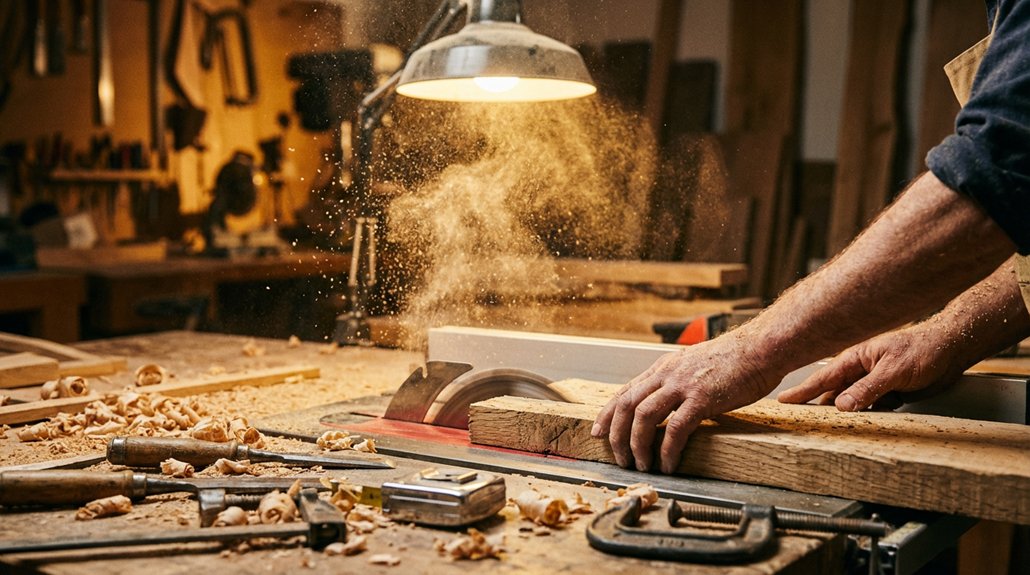
When you purchase solid wood furniture, the process begins with selecting timber from certified forests. Manufacturers cut logs into planks using methods such as plain, quarter, or rift sawing. Each method produces different grain patterns and thicknesses, impacting the final product. After cutting, the manufacturers dry the wood to a specific moisture level to prevent warping and cracking.
Skilled craftspeople join the wood pieces using techniques like mortise and tenon or dovetail joints. These joints provide strength and enhance the durability of the furniture. After assembly, craftspeople sand the surfaces to achieve a smooth finish, ensuring that no rough edges remain. They then apply protective finishes, which can include stains, sealers, or varnishes, to enhance appearance and durability.
Before delivery, each piece of furniture undergoes rigorous inspection and durability testing. Craftspeople check for structural integrity, surface imperfections, and overall quality. This detailed process ensures that the final product meets high standards for performance and aesthetics. Understanding these steps helps buyers appreciate the craftsmanship behind solid wood furniture.
How Wood Is Sourced and Selected
Wood sourcing begins in the forest, where manufacturers select wood species based on specific criteria. Manufacturers choose species like oak, maple, walnut, and cherry for their durability and unique grain patterns. Each species serves particular furniture needs, ensuring durability and aesthetic appeal.
Manufacturers prioritize sustainability to prevent forest depletion. They source wood from certified forests that implement replanting practices after harvesting. When purchasing furniture, look for certifications like FSC (Forest Stewardship Council), which indicate responsible wood sourcing.
After harvesting, workers grade the lumber based on quality and grain consistency. High-quality wood is designated for visible surfaces, while lower-grade wood is used for structural components. This grading process directly impacts the furniture’s overall appearance and lifespan. Additionally, the selection of distinct wood types ensures that each piece meets specific durability and aesthetic requirements.
How Logs Are Cut and Dried Into Usable Lumber
Once logs arrive at the sawmill, workers cut each log into planks using three main methods: plain sawing, quarter sawing, and rift sawing.
Plain sawing produces wide boards with varied grain patterns, while quarter sawing yields straight grain patterns that enhance stability. Rift sawing, though less common, creates a consistent appearance in hardwoods. Workers choose cutting methods based on the log type, as hardwoods and softwoods respond differently to the saw blades.
Different cutting methods yield distinct grain patterns, influencing wood stability and appearance across hardwood and softwood species.
After cutting, lumber requires drying to become usable.
Workers typically use two drying methods: air drying and kiln drying. Air drying takes several months to a few years, depending on the wood species and environmental conditions. In contrast, kiln drying employs controlled heat to remove moisture within a few weeks. Proper drying prevents defects such as warping, cracking, and shrinking.
Once lumber reaches the optimal moisture content, workers prepare it for milling and shaping into finished products.
How Joinery Techniques Determine a Piece’s Durability
Joinery Techniques Impact Furniture Durability
Joinery techniques directly influence furniture durability and strength. When wood is properly dried, the next step involves connecting individual pieces. Mortise joints provide robust connections by inserting a tenon into a precisely carved cavity. This method locks two pieces of wood together securely.
Dovetail joints feature interlocking, wedge-shaped cuts that resist pulling forces. These joints are particularly effective for drawers and cabinet corners, preventing separation. Craftspeople reinforce these connections with wood adhesives. Wood adhesives bond surfaces at a molecular level, enhancing joint strength and reducing stress.
Combining mechanical joinery techniques with quality adhesives results in furniture designed to endure decades of daily use. This approach prevents loosening, warping, or failure under typical household conditions.
Limitations and Considerations
Not all joinery techniques work for every type of furniture. For instance, while mortise and tenon joints excel in structural applications, they may not be suitable for intricate designs requiring flexibility.
Additionally, environmental factors, such as humidity and temperature changes, can affect the longevity of wood joints.
Practical Examples
In a typical project, using a mortise and tenon joint can provide a load-bearing capability of up to 300 pounds, depending on the wood type.
A well-executed dovetail joint can withstand pulling forces of around 150 pounds before showing signs of wear.
How Sanding and Finishing Protect the Final Surface
After craftspeople assemble and join the wood, sanding and finishing protect the wood surface and extend the furniture’s lifespan. Craftspeople begin surface preparation with coarse-grit sandpaper to remove rough spots. Then, they switch to finer grits to achieve a smooth finish. Skipping this sanding step often results in uneven finishes and quicker wear on the furniture.
Once sanding is complete, craftspeople apply finishing techniques like staining, sealing, and varnishing. These techniques create a protective barrier against moisture, scratches, and UV damage. Each coat of finish adds depth and durability to the wood. For example, oil-based finishes penetrate deeply into the wood, enhancing its natural grain. In contrast, water-based finishes dry faster and emit fewer fumes, making them easier to work with.
When selecting a finish, craftspeople consider polyurethane, lacquer, or wax. Each option affects the furniture’s appearance and structural integrity over time. A well-applied finish helps maintain the wood’s look and protects against environmental factors, ensuring the furniture lasts longer. Additionally, proper furniture arrangement can enhance the longevity of the piece by minimizing exposure to wear and tear in high-traffic areas.
How Furniture Is Inspected and Tested Before Delivery
Manufacturers prepare solid wood furniture for homes by adhering to strict quality standards. Each piece undergoes a thorough inspection process, where trained inspectors evaluate surface defects, joint alignment, and finish quality. Inspectors check drawer movement, door alignment, and structural stability to ensure functionality meets standards.
Inspectors perform durability tests to simulate real-world usage. They apply repeated stress to joints, surfaces, and hardware to assess long-term performance. If a piece doesn’t meet durability standards, it returns to the production line for corrections before delivery.
Manufacturers also consider customer feedback during inspections. They analyze common complaints to refine their inspection criteria. This feedback loop results in furniture that meets high performance and longevity standards, ensuring that customers receive durable and well-functioning products.
Quality Control Steps
Inspectors begin by examining each piece for surface defects. They identify scratches, dents, or irregularities that can affect aesthetics.
Next, they assess joint alignment. Inspectors ensure joints fit correctly to maintain structural integrity.
After inspecting surfaces and joints, inspectors evaluate the finish quality. They check for consistency in staining, varnishing, and sealing. A smooth and uniform finish enhances both appearance and durability.
Functional Testing
Inspectors test drawer movement by opening and closing each drawer multiple times. They look for smooth operation without sticking or misalignment.
Inspectors also check door alignment to confirm that doors close properly without gaps.
Structural stability is another critical focus. Inspectors apply weight to test the furniture’s ability to support expected loads over time. Any piece that shows signs of instability requires adjustment or reinforcement before delivery.
Durability Testing Procedures
Durability testing involves simulating everyday use. Inspectors apply repeated stress to joints and surfaces, using equipment designed to mimic real-life conditions.
For example, they may perform a series of drop tests to measure the resilience of materials.
If a piece fails the durability test, manufacturers must analyze the failure point. They’ll either modify the design or improve material quality to prevent similar failures in future production runs.
Incorporating Customer Feedback
Manufacturers track customer feedback to identify recurring issues. By reviewing complaints, they adjust inspection criteria accordingly.
This ensures that common problems are addressed proactively, improving overall product quality.
Incorporating feedback also means keeping up with trends. Manufacturers adapt their inspection processes to align with changing consumer expectations, ensuring that the final product is both functional and appealing, particularly in styles like Scandinavian design that prioritize both form and function.
Conclusion
Each piece of solid wood furniture undergoes a meticulous inspection and testing process before delivery. By focusing on surface quality, joint alignment, finish consistency, and functional durability, manufacturers ensure that customers receive furniture that meets high standards of performance and longevity.