
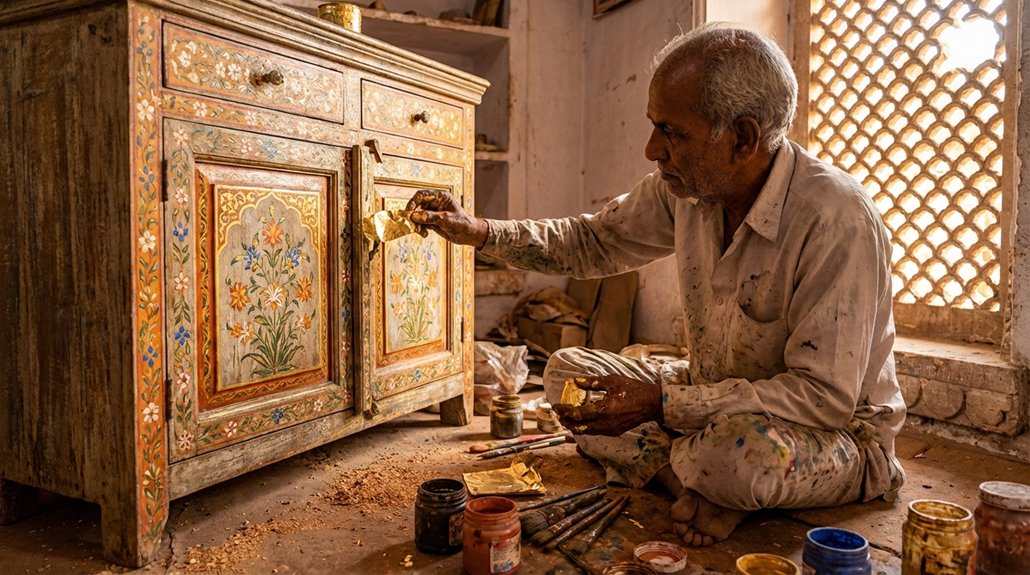
When sourcing hand-painted furniture from Indian artisans, you access unique pieces that embody cultural traditions, regional symbolism, and skilled craftsmanship. Start by connecting with verified artisans through networks like the Crafts Council of India and curated online marketplaces. Evaluate artisans based on their portfolios and customer reviews to ensure quality.
Request samples of their work to assess craftsmanship, focusing on wood type, design complexity, and finishing techniques. Western buyers often seek nature-inspired motifs and earthy tones, so consider these preferences when selecting designs. Factor in shipping logistics and costs, as these can significantly affect pricing.
Be aware that not all artisans can meet high-volume demands or tight deadlines. Some may require longer lead times due to the intricate nature of their work. Establish clear communication about your expectations and timelines to avoid misunderstandings.
Research specific styles that resonate with your target market. For example, folk patterns from Rajasthan or traditional motifs from Punjab can enhance your collection. By understanding these regional differences, you can better curate your offerings and meet customer preferences.
Who Buys Hand-Painted Indian Furniture and Why
Hand-painted Indian furniture appeals to a variety of buyers, each with specific reasons for their interest.
Interior designers select these items to craft unique, narrative-focused spaces for their clients. Homeowners interested in cultural appreciation choose hand-painted furniture to showcase their appreciation for global art traditions. Collectors invest in these pieces due to their rarity and high-quality craftsmanship. Eco-conscious consumers prioritize sustainable sourcing, knowing that their purchases support ethical production practices. Boutique hotel owners incorporate hand-painted furniture to enhance guest experiences.
If you’re considering purchasing hand-painted Indian furniture, clarify your motivations.
Determine whether you value aesthetic appeal, ethical consumption, or a cultural connection. Understanding your specific interest will help you make informed buying decisions and find pieces that align with your goals.
What Sets Indian Hand-Painted Furniture Apart From Mass Production
When you compare Indian hand-painted furniture to mass-produced furniture, the distinctions are evident. Indian artisans incorporate cultural motifs and symbols that have historical significance, making each piece unique. Artisans use natural pigments and materials, ensuring that every item has an organic appearance.
Mass production, in contrast, focuses on speed and uniformity, sacrificing the craftsmanship that defines Indian hand-painted furniture.
Indian artisans invest time and skill into their work. Each piece reflects the artisan’s expertise, often taking several days or weeks to complete. This dedication results in furniture that tells a story, unlike mass-produced items that lack personal touch.
Furthermore, artisans prioritize quality over quantity. They select sustainable materials, contributing to a more environmentally friendly product. Mass production often uses synthetic materials that can compromise the quality and durability of furniture.
In terms of design, Indian hand-painted furniture features intricate patterns and vibrant colors that aren’t found in mass-produced alternatives. These designs are often inspired by regional traditions and can vary significantly between artisans, offering a diverse range of choices for buyers. Additionally, the use of solid wood materials ensures durability and longevity, enhancing the value of these unique pieces.
Artisan Craftsmanship Vs. Automation
Choosing Artisan Craftsmanship Over Automated Production
Indian hand-painted furniture showcases the skills of artisans who dedicate years to perfecting their craft. Unlike mass-produced furniture, which relies on automated machinery, every handcrafted piece reflects unique artistry and cultural significance. By selecting artisanal techniques, you invest in a product that is genuinely distinctive.
| Artisan Craftsmanship | Automated Production |
|---|---|
| Each piece reflects the artisan’s personal story | Each piece is uniform and identical |
| Imperfections contribute to character and uniqueness | Flawless surfaces lack emotional connection |
| Skills are inherited through generations | Processes are programmed for efficiency |
Artisans apply each brushstroke with intention, integrating regional patterns and cultural symbols that machines cannot reproduce. This method prioritizes quality and meaning over speed and uniformity, ensuring that every hand-painted piece stands out.
Artisans understand the significance of their work. They select colors and designs that resonate with local traditions. Automated production lacks this depth; it focuses solely on creating identical items at a rapid pace.
Investing in Indian hand-painted furniture means valuing the craftsmanship behind each piece. You acquire not just furniture but a story, a culture, and a connection to the artisans who created it.
Cultural Motifs And Symbolism
Indian hand-painted furniture showcases cultural motifs and symbols that reflect centuries of tradition. Each piece features designs with significant cultural meanings. For example, lotus flowers symbolize purity, and peacocks represent grace and prosperity. Different regions of India contribute unique styles, highlighting the nation’s regional diversity.
Rajasthan’s furniture displays bold geometric patterns, while Kerala’s pieces often feature intricate floral designs. When you purchase these items, you acquire more than just furniture; you gain a piece of living history. Mass-produced furniture lacks these meaningful symbols because machines can’t comprehend cultural context.
Each hand-painted piece conveys a specific story rooted in its community’s identity and artistic heritage. Hand-painted furniture connects artisans with their cultural roots. Craftspeople apply traditional techniques, ensuring each item maintains its cultural significance. This approach preserves the history and artistry of the region.
In contrast, mass production diminishes these connections, as automated processes overlook the stories embedded in the designs. Understanding the importance of these motifs enhances the value of hand-painted furniture. Buyers appreciate the craftsmanship and the narrative that each piece carries.
This awareness fosters a deeper connection between the consumer and the artist, ensuring that the cultural heritage continues to thrive.
Natural Pigments And Materials
Indian hand-painted furniture stands out due to the unique materials artisans use. Artisans select natural colorants from plants, minerals, and insects, which provide rich colors. Common sources include indigo, turmeric, and pomegranate rinds.
These natural pigments create hues that synthetic paints can’t match.
Artisans prioritize sustainable sourcing by using locally harvested materials. This practice minimizes transportation impacts and supports local economies.
Traditional binding agents like gum arabic adhere paint to wood without the use of harsh chemicals.
When you choose furniture made with these natural materials, you support both craftsmanship and environmental responsibility.
Investing in this furniture means valuing a process that respects both the artisan’s skill and the planet.
Rajasthani, Bengali, and Madhubani Styles: What Each Signals to Buyers
When sourcing hand-painted furniture from India, you’ll find three primary regional styles: Rajasthani, Bengali, and Madhubani. Each style signals specific cultural values and artistic traditions to buyers.
Rajasthani furniture features bold geometric patterns and royal motifs. These designs reflect the region’s warrior heritage. The use of vibrant reds, golds, and blues conveys luxury and tradition. Buyers looking for opulent pieces should focus on these elements to ensure they represent Rajasthani craftsmanship accurately.
Bengali furniture showcases intricate floral designs and narrative scenes. These designs draw from storytelling traditions, emphasizing detailed craftsmanship. Buyers interested in art that tells a story should seek out Bengali pieces to connect with the region’s artistic roots.
Madhubani furniture, originating from Bihar, displays fine line work that depicts nature, mythology, and village life. This style emphasizes simplicity and connection to the environment. Buyers who appreciate a subtle, nature-inspired aesthetic should consider Madhubani designs.
Understanding these styles helps buyers make informed decisions. Clear communication with artisans becomes easier when you recognize the distinct characteristics of each style. Additionally, knowing the major design families can enhance your appreciation for the unique elements within each regional style.
Buyers can negotiate confidently and choose pieces that authentically reflect specific regional traditions, avoiding generic “Indian-style” furniture.
Which Folk Motifs and Patterns Actually Drive Sales in Western Markets
When sourcing hand-painted furniture for Western markets, focus on specific folk motifs that drive sales. Nature-based patterns like paisleys, lotus flowers, and peacock designs consistently outperform other styles. Buyers in the U.S. and Europe prefer these motifs because they blend exotic appeal with familiarity.
Stocking furniture pieces featuring these high-demand patterns can significantly increase your revenue. Abstract designs or regionally specific motifs typically don’t sell as well in these markets. For instance, including at least 30% of your inventory with these popular patterns can yield better sales performance.
Understanding buyer preferences is crucial. Nature-themed motifs resonate with consumers, making them more likely to purchase. Therefore, prioritize sourcing and displaying these designs to maximize sales potential.
Avoid relying on less popular styles, as they can limit your market reach.
Top-Selling Folk Motifs
Not all folk motifs perform equally well in Western markets. Identifying which patterns resonate with buyers can significantly influence your sourcing strategy. Current design trends indicate that buyers prefer specific folk art patterns that display authenticity and versatility.
Focusing on these motifs can expedite sales and establish a steady revenue stream.
Top-Selling Folk Motifs
- Floral and Botanical Patterns: Floral designs appeal to modern interior aesthetics. Retailers report that these patterns integrate seamlessly into various home styles. Prioritize stocking floral motifs to attract a broader customer base.
- Peacock Designs: Peacock motifs draw attention due to their vibrant colors and rich symbolism. These designs often lead to increased customer interest, making them a strong choice for inventory. Incorporating peacock patterns can enhance the emotional connection buyers feel with the product.
- Geometric Tribal Prints: Geometric tribal prints cater to minimalist buyers who favor clean lines and simplicity. These patterns resonate well in contemporary settings. Stocking geometric designs can help target this specific market segment effectively.
- Elephant Motifs: Elephant motifs remain a consistent favorite in Western markets. Their cultural significance sparks curiosity among buyers, driving sales. Including elephant designs in your inventory can capitalize on this ongoing trend.
Focus on these four motifs in your sourcing strategy. Prioritizing floral, peacock, geometric, and elephant designs will likely result in quicker sales.
Once you establish a reliable revenue base, consider experimenting with less familiar patterns to diversify your offerings.
Western Buyers’ Pattern Preferences
Understanding which motifs sell best requires more than just a surface-level analysis; you need to consider color trends and buyer demographics to enhance your sales outcomes.
Western buyers typically favor earthy tones, muted blues, and warm terracottas. Bright, saturated colors don’t perform as well in this market.
Younger buyers, especially millennials, prefer geometric patterns and minimalist folk designs. These styles fit well with modern interior aesthetics.
In contrast, older demographics tend to gravitate toward traditional floral motifs and intricate storytelling panels, which reflect a deeper cultural significance.
Nature-inspired patterns, such as peacocks and lotus flowers, show consistent appeal across all age groups.
Additionally, using neutral backgrounds with bold accent colors can significantly boost sales in Western markets.
To attract buyers actively seeking unique and culturally rich pieces, align your sourcing choices with these specific preferences.
Motifs That Boost Revenue
Key Folk Motifs That Drive Revenue
Certain folk motifs significantly enhance sales in Western markets. Understanding which motifs appeal to consumers can refine your sourcing strategy. Trends show that buyers prefer designs with cultural authenticity and visual clarity. By sourcing items that feature these effective motifs, you can protect your profit margins.
- Paisley and Mango Patterns: These designs remain timeless and complement modern interiors effectively. Retailers report that these patterns sell well due to their versatility in various home settings.
- Floral Jali Motifs: This motif relies on delicate geometric repetition. Minimalist buyers are drawn to the simplicity and elegance of these designs, making them a strong choice for inventory.
- Peacock Imagery: This bold and recognizable motif is highly sought after in home décor. Stocking items with peacock imagery can attract attention and drive higher sales.
- Elephant Procession Scenes: These narrative-style artworks command premium pricing. They capture consumer interest with detailed storytelling, leading to faster inventory turnover.
Each motif has a unique market appeal. By aligning your inventory with what Western consumers actively seek, you can sell products more quickly and effectively.
Focus on these motifs to enhance your sourcing strategy and maximize revenue.
How to Find and Vet Indian Artisans for Sourcing
When sourcing hand-painted furniture from India, finding and vetting artisans is crucial. Start by using artisan networks like the Crafts Council of India or regional craft fairs. These platforms connect you directly with skilled makers.
Finding and vetting artisans is crucial when sourcing hand-painted furniture from India. Start with trusted networks like the Crafts Council of India.
Explore online marketplaces like India Mart and Etsy, where you can find verified artisans with reviews and portfolios.
Once you identify potential artisans, request samples to evaluate their work quality. Assess their production capacity to ensure they can meet your volume needs. Confirm that artisans receive fair wages and work in safe conditions to maintain ethical sourcing practices.
Request references from other buyers to gauge reliability. If possible, visit workshops in person. This visit provides the best insight into their skills and practices.
Prioritize these steps to ensure a successful sourcing process.
How Hand-Painted Indian Furniture Is Priced and What Drives the Cost
Pricing hand-painted Indian furniture involves understanding specific factors that determine the final cost. Knowing these factors helps you assess whether a piece is worth the price.
Key Factors That Affect Pricing
1. Artisan Skill Level
Experienced artisans charge higher prices due to their refined techniques. A master craftsman brings years of expertise, resulting in better craftsmanship than an apprentice.
2. Design Complexity
Furniture with intricate patterns and multiple colors takes more time and materials to complete. Complex designs require skilled labor and additional resources, driving up the cost.
3. Wood Quality
The type of wood significantly impacts the price. Solid sheesham or teak is more expensive than lower-grade woods, affecting both durability and appearance.
4. Finishing and Sealing
Protective coatings add labor costs but also enhance the furniture’s longevity. Proper sealing helps prevent damage from humidity and wear, justifying the added expense.
Custom Pieces vs. Pre-Made Designs
Custom hand-painted furniture typically costs more than standard designs. Customization requires more time and negotiation with the artisan, which affects pricing.
Shipping, Customs, and Logistics for Imported Indian Furniture
Once you agree on a price for your hand-painted Indian furniture, the next step is organizing the shipping process. International shipping requires you to manage shipping regulations, customs duties, and logistics.
Research the specific import permits required for your country before confirming your purchase. Delivery timelines can vary significantly, commonly taking four to twelve weeks based on distance and carrier choice.
Secure the necessary import permits before purchasing, as delivery timelines typically range from four to twelve weeks.
Confirm that your supplier adheres to proper packaging standards to minimize the risk of damage during transit. Track your shipments regularly to stay updated on their status and quickly address any delays.
Customs duties will add to your total cost, so include these fees in your initial budget. Collaborating with an experienced freight forwarder streamlines the shipping process and helps navigate customs efficiently.
How to Photograph and List Hand-Painted Pieces That Convert
After sourcing and shipping your hand-painted Indian furniture, you must present it effectively online to attract buyers. Use strong photography techniques and listing strategies to ensure your pieces stand out and convert browsers into customers.
Optimize Your Listings
- Capture Colors Accurately: Use natural lighting to photograph your furniture. Bright, natural light reveals the true colors and intricate details of the hand-painted artwork.
- Showcase Multiple Angles: Photograph each piece from various angles. Include close-ups of hand-painted motifs to highlight craftsmanship and full shots to give buyers context.
- Write Informative Descriptions: Detail the artisan’s region, painting techniques, and materials used in your descriptions. This information provides buyers with a deeper understanding of the piece’s origin and quality.
- Emphasize Handcrafted Uniqueness: Clearly state that each piece is one-of-a-kind and handcrafted. Buyers appreciate knowing that they’re purchasing something unique.
Build Buyer Trust
Clear photos combined with honest, detailed descriptions build buyer trust. Include dimensions, finish types, and care instructions in your listings. Providing this information reduces inquiries and increases buyer confidence in making a purchase.
How to Market Hand-Painted Indian Furniture to Buyers Who Want It
Finding buyers for hand-painted Indian furniture requires understanding their preferences and where they look for unique pieces. Focus your marketing on platforms where buyers actively search for handcrafted items, such as Etsy, Instagram, and interior design blogs. Highlight your sustainable sourcing practices and share the stories of the artisans who create each piece. This approach builds trust and fosters a connection with potential buyers.
| Channel | Best Content Type | Target Buyer |
|---|---|---|
| Behind-the-scenes reels | Design enthusiasts | |
| Etsy | Detailed product listings | Home décor shoppers |
| Styled room photos | DIY decorators | |
| Email List | Artisan spotlights | Repeat customers |
Use high-quality photos and detailed descriptions for each furniture piece. Clearly state the origin and the artisan behind every item. Buyers who appreciate craftsmanship respond positively to transparency and authenticity. They want to know the story behind each piece, so sharing this information is crucial.
For Instagram, create reels that showcase the painting process and the artisans at work. These behind-the-scenes glimpses resonate with design enthusiasts and build a genuine connection. On Etsy, ensure your product listings are comprehensive, highlighting materials and dimensions to attract home décor shoppers. Pinterest is ideal for posting styled room photos that inspire DIY decorators to envision your furniture in their spaces.
Develop an email list to spotlight artisans and their techniques, engaging repeat customers and encouraging loyalty.
Avoid using generic terms like “unique” or “one-of-a-kind” without context. Instead, specify what makes each piece special, such as the techniques or materials used. Focus on the craftsmanship and the stories behind the furniture to differentiate your offerings and attract buyers who value authenticity and purpose-driven purchases.
This targeted approach will help you effectively market hand-painted Indian furniture and connect with buyers who appreciate the artistry behind each piece.