

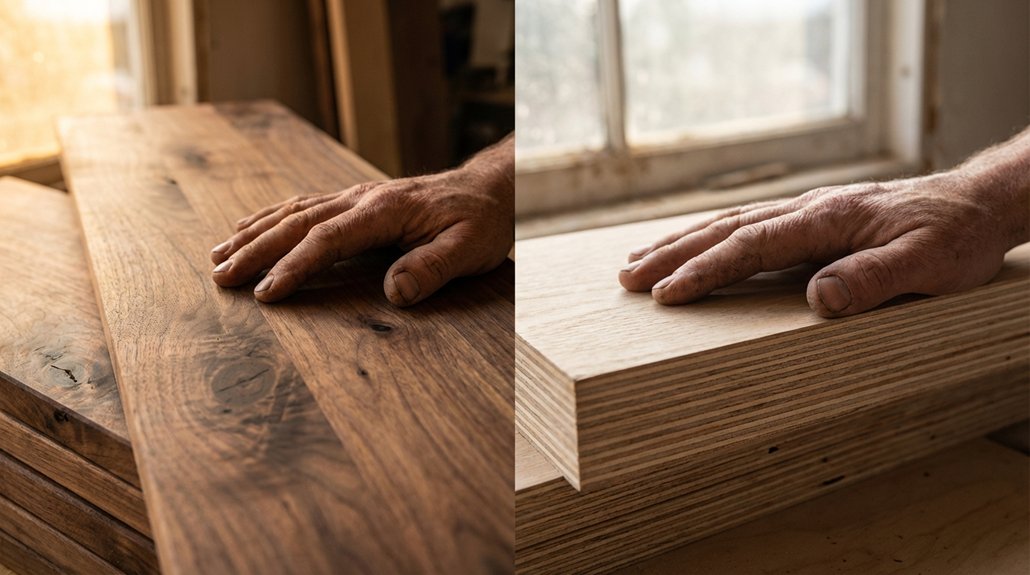
When EU buyers choose between solid wood and engineered wood, they evaluate durability, sustainability certifications, and price. Solid wood offers superior durability, lasting longer and handling heavy use effectively. Buyers can refinish solid wood multiple times, which extends its lifespan. Engineered wood, on the other hand, is more affordable and exhibits excellent moisture resistance, making it a preferred option for kitchens and flooring.
EU emissions standards elevate solid wood prices due to stricter regulations on harvesting and processing. However, many buyers perceive solid wood as a long-term investment, willing to pay a premium for its longevity. Engineered wood does not typically undergo the same stringent regulations, allowing for lower pricing.
Buyers prioritize sustainability certifications as well. Products with certifications like FSC (Forest Stewardship Council) or PEFC (Programme for the Endorsement of Forest Certification) influence purchasing decisions. Solid wood often meets these standards, appealing to environmentally conscious consumers. Engineered wood can also carry these certifications, but buyers may scrutinize the sourcing of materials more closely.
In summary, EU buyers balance the benefits of solid wood’s durability and refinishing options against the affordability and moisture resistance of engineered wood. Understanding these factors helps manufacturers tailor their products to meet market demands effectively.
What Engineered Wood and MDF Are Actually Made Of
When selecting furniture or building materials, you’ll encounter engineered wood and medium-density fiberboard (MDF) as popular alternatives to solid wood.
Engineered wood consists of layers of wood veneers, fibers, or strands bonded with adhesives under heat and pressure. Common types of engineered wood include plywood, laminated veneer lumber (LVL), and oriented strand board (OSB). Each type uses specific manufacturing processes that impact strength and stability.
MDF, on the other hand, is made by compressing fine wood fibers mixed with resin binders. This process creates a dense and smooth board, ideal for applications like cabinetry and moldings. While engineered wood generally offers better moisture resistance and strength under stress, MDF tends to be less durable in high-humidity conditions.
Both engineered wood and MDF utilize wood byproducts and recycled materials, which helps reduce waste. However, the adhesives and resins in their production can release volatile organic compounds (VOCs) that may affect indoor air quality. It’s essential to choose products labeled as low-VOC or no-VOC to minimize health risks. Additionally, selecting furniture that maintains at least 30 inches of clearance can enhance movement and overall comfort in your space.
Where Solid Wood Outlasts Engineered Wood in Real Use
Solid wood consistently outperforms engineered wood in various applications, especially when it comes to flooring, furniture, and structural elements that require long-term durability.
When you need a material that withstands decades of use, solid wood provides a clear advantage. You can sand and refinish solid wood multiple times, which allows you to restore its surface without needing a full replacement. In contrast, engineered wood has a thin veneer layer, limiting its ability to be refinished.
Solid wood excels in high-traffic areas where daily wear accumulates quickly.
Maintaining solid wood is straightforward: you clean it, apply oil occasionally, and refinish when necessary. Engineered wood falls short in this regard; once its surface wears down, repair options are limited. Additionally, solid wood furniture’s unique grain patterns enhance its aesthetic appeal over time, making it a worthwhile investment.
If longevity and durability are your priorities, solid wood proves to be a superior choice that genuinely improves with proper care over time.
EU Emissions Standards and Why They Drive Solid Wood Prices Higher
Solid wood products carry a higher initial price due to stringent EU emissions standards. These standards limit volatile organic compounds (VOCs) and formaldehyde emissions from wood materials. Solid wood typically meets these requirements without needing chemical treatments.
However, responsible sourcing and processing incur additional costs. Suppliers raise prices to account for sustainable forestry certifications, compliance with legal harvesting, and eco-friendly finishing products. These factors clearly contribute to the final cost of solid wood.
Engineered wood products also face emissions impact requirements. Yet, manufacturers often use cheaper adhesives and laminates that meet minimum compliance. Solid wood producers prioritize quality and don’t compromise on materials. This commitment to high standards results in elevated prices for solid wood.
Understanding these dynamics enables informed purchasing decisions for consumers.
Understanding the Cost Breakdown of Solid Wood
Solid wood prices reflect the costs associated with meeting EU emissions standards. Sourcing solid wood involves higher expenses due to sustainable forestry practices.
Certification for sustainable forestry adds to the overall cost, as does compliance with legal regulations for harvesting. Additionally, using eco-friendly finishes further increases expenditures. These factors explain why solid wood is priced higher than alternatives.
Evaluating Alternatives: Engineered Wood vs. Solid Wood
Engineered wood products can offer lower prices, but they often use inferior materials. Manufacturers may opt for budget-friendly adhesives and laminates, which can compromise durability and emissions performance.
While engineered wood meets basic compliance, it may not achieve the same quality or longevity as solid wood. Solid wood producers maintain high standards, leading to better quality at a higher price point. Additionally, traditional furniture styles often showcase the enduring appeal of solid wood through their intricate designs and craftsmanship.
Making Informed Purchasing Decisions
When considering wood products, recognize the impact of EU emissions standards on pricing. Solid wood provides a sustainable and high-quality option, despite its higher upfront cost.
Understanding the reasons behind these costs helps consumers make smarter choices. Prioritizing quality and sustainability will ultimately benefit both consumers and the environment.
Does Solid Wood’s Higher Price Tag Reflect Genuine Quality?
Does Solid Wood‘s Higher Price Tag Reflect Genuine Quality?
Solid wood’s higher price tag typically reflects genuine quality. Solid wood provides durability and longevity that engineered materials often can’t match. For instance, a well-maintained oak table can last for decades, sometimes even generations. This exceptional lifespan justifies much of the cost difference you see at the register.
When evaluating solid wood products, focus on specific factors that influence quality. Wood species affects durability; for example, oak and cherry are known for their strength. Grain consistency impacts appearance and performance; uneven grain can lead to weaknesses. Moisture treatment is crucial; untreated wood can warp or crack over time.
Additionally, craftsmanship plays a vital role; skilled artisans ensure joints are tight and finishes are smooth, enhancing both aesthetics and longevity.
Price perception can be misleading. Not every high-priced solid wood item guarantees superior quality. Consumers should analyze wood species, grain consistency, moisture treatment, and craftsmanship to determine true value rather than assuming that a higher price automatically means better quality.
In the EU, buyers often pay a premium due to stricter emissions standards and sustainable sourcing requirements. These regulations increase production costs, adding to the price of solid wood products.
When comparing options, recognize that solid wood’s higher price reflects both durability and compliance with environmental standards, rather than just brand positioning.
What EU Buyers Are Actually Choosing Between Solid and Engineered Wood
EU Buyers Choose Between Solid and Engineered Wood
Understanding EU buyers’ choices between solid and engineered wood reveals clear trends driven by price, functionality, and sustainability. Buyers consistently prioritize specific needs when making their selections.
Buyers Select Engineered Wood for Flooring
EU buyers choose engineered wood for flooring due to its affordability and moisture resistance.
Engineered wood dominates EU flooring choices, offering buyers an affordable, moisture-resistant solution for practical, everyday living spaces.
Engineered wood performs well in kitchens and bathrooms, where durability and maintenance are crucial. This choice reflects a practical approach to flooring that meets everyday needs.
Buyers Prefer Solid Wood for Statement Furniture
EU buyers opt for solid wood when purchasing statement furniture pieces.
Solid wood’s natural appearance makes it ideal for dining tables and bedroom furniture, where aesthetics are a top priority. This preference highlights the importance of visual appeal in significant furniture investments.
Buyers Favor Certified Engineered Wood for Eco-Conscious Spaces
EU buyers increasingly select FSC-certified engineered wood to address sustainability concerns.
This certification ensures that the wood is sourced responsibly, reducing deforestation impacts. As environmental values shape purchasing decisions, buyers prioritize options that align with their eco-conscious lifestyles.
Conclusion
EU buyers’ choices between solid and engineered wood reflect their budget constraints, room functions, and environmental values.
These factors guide their decisions, demonstrating that practicality, aesthetics, and sustainability are key influences in the wood market.