

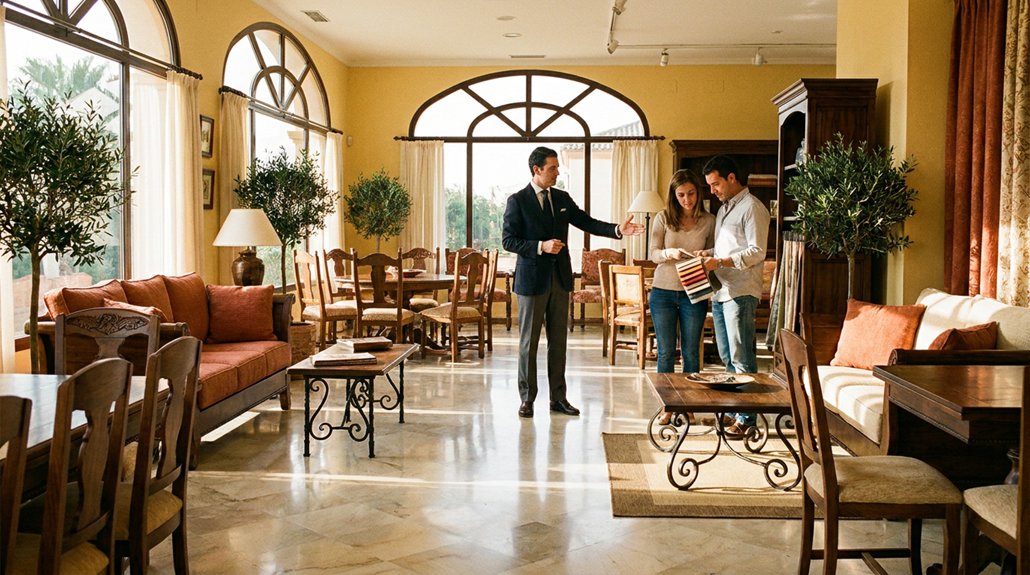
To succeed in Spain’s furniture market, businesses must align their strategies with local buyer preferences, adopt competitive pricing, and implement targeted marketing. Spanish customers prioritize quality craftsmanship, sustainable materials, and modern Mediterranean design. Living room sets priced from €800 to €2,500 and bedroom furniture ranging from €600 to €1,800 consistently attract strong demand.
Businesses should utilize Instagram, Facebook, and Google Ads to effectively reach potential customers. Building customer loyalty through rewards programs encourages repeat purchases and strengthens brand relationships. These strategies will enhance a business’s competitive edge in the market.
Understand Local Buyer Preferences
Businesses must identify and understand Spanish buyer preferences to drive sales. Spanish consumers favor high-quality, well-crafted furniture that reflects sustainability and modern Mediterranean aesthetics. This understanding allows businesses to tailor their offerings and meet customer demands.
Set Competitive Pricing
Establishing competitive pricing is crucial for attracting customers. Living room sets priced between €800 and €2,500 and bedroom furniture between €600 and €1,800 are price points that generate interest. Businesses should analyze competitor pricing and adjust to remain appealing while maintaining profitability.
Implement Targeted Marketing
Targeted marketing reaches the right audience effectively. Utilize social media platforms like Instagram and Facebook to showcase products. Google Ads can increase visibility for potential buyers actively searching for furniture. Combining these platforms maximizes outreach and engagement.
Build Customer Loyalty
Creating a rewards program encourages customer loyalty and repeat business. Offer incentives that resonate with Spanish consumers, such as discounts on future purchases or exclusive access to new collections. Building a loyal customer base strengthens brand presence and enhances sales over time.
These strategies will collectively sharpen a business’s competitive edge in Spain’s furniture market.
What Spanish Furniture Buyers Actually Want?
When selling furniture in Spain, you must understand what local buyers prioritize. Spanish consumers demand quality craftsmanship, functional design, and durability in their furniture. Increasingly, they prefer sustainable materials like reclaimed wood and recycled metals due to growing environmental awareness.
Design trends significantly influence purchasing decisions. Spanish buyers favor a combination of modern minimalism and traditional Mediterranean aesthetics. Clean lines, neutral tones, and natural textures dominate their preferences. This aesthetic appeals to their desire for both style and practicality.
Price sensitivity varies by region. However, Spanish buyers consistently seek value for their investment. They conduct thorough research on products before purchasing, so you must provide transparent product information and clear material descriptions to meet their expectations.
Younger buyers prefer online shopping, while older demographics lean towards in-store experiences. Understanding these preferences allows you to tailor your sales strategies effectively for the Spanish market. Additionally, incorporating elements of traditional furniture styles can enhance the appeal of your offerings and resonate with local aesthetics.
Price Your Furniture to Win the Spanish Market
To price furniture in the Spanish market effectively, balance competitive pricing with profitability. Conduct a detailed competitive analysis to assess where your prices align with local competitors. Analyze current market trends to determine acceptable price ranges for various furniture categories.
| Furniture Type | Average Price Range | Market Demand |
|---|---|---|
| Living Room Sets | €800–€2,500 | High |
| Bedroom Furniture | €600–€1,800 | Medium |
| Office Furniture | €400–€1,200 | Growing |
Utilize this data to position your products strategically. Set prices based on market demand and your competitive analysis. If you price living room sets above €2,500, you risk losing potential buyers. Conversely, pricing bedroom furniture below €600 may erode your profit margins. Align your pricing strategies with both market trends and competitive insights to enhance your sales success. A well-planned approach to space planning can further optimize your offerings in the market.
Understand Market Demands
Assess how different furniture types perform in the market. Living room sets show high demand, which suggests that customers are willing to invest more. Target a price range of €800 to €2,500 to capture this demand effectively. For bedroom furniture, with medium demand, aim for a price point between €600 and €1,800 to remain attractive yet profitable. Office furniture, currently growing in demand, can be priced between €400 and €1,200 to appeal to emerging buyers.
Analyze Competitors
Identify local competitors and their pricing structures. Examine how their furniture prices compare to yours across similar categories. If competitors offer living room sets at €1,200, consider pricing your products within the same range to compete effectively. Avoid pricing your products significantly higher without added value, as this could deter customers.
Adjust for Market Trends
Stay informed about shifts in consumer preferences and market trends. Monitor industry reports and customer feedback to adapt your pricing as necessary. For instance, if eco-friendly furniture gains popularity, consider adjusting your pricing to reflect this trend without sacrificing quality or margins.
Reach Spanish Shoppers With SEO, Social, and Paid Ads
To effectively reach Spanish shoppers, implement a digital marketing strategy that integrates SEO, social media, and paid advertising. Align your content marketing with Spanish cultural trends to connect authentically with local buyers.
1. Optimize for Spanish Keywords
Identify and use Spanish keywords that shoppers actually search for online. Research localized terms specific to your product category to enhance your visibility in search engine results.
For example, if you sell furniture, use terms like “muebles modernos” instead of generic phrases.
2. Leverage Social Platforms
Focus on Instagram and Facebook to engage with Spanish shoppers. Create content tailored for these platforms, such as eye-catching images and videos of your products in popular Spanish settings.
Regularly post updates to maintain visibility and interaction.
3. Run Targeted Paid Ads
Utilize Google Ads and Meta Ads to target specific Spanish demographics. Set clear goals for your ad campaigns, such as increasing website traffic or driving sales.
Monitor performance metrics to adjust your strategy effectively.
4. Create Culturally Relevant Content
Develop blog posts, videos, and guides that resonate with Spanish cultural trends and lifestyles. For instance, create a guide on choosing furniture for small apartments, a common concern in urban areas like Madrid or Barcelona.
Ensure your content reflects local customs and preferences.
Convert Spanish Browsers Into Buyers Online and In-Store
Converting Spanish browsers into buyers requires clear strategies for online and in-store interactions. Focus on creating a straightforward online shopping experience and an inviting in-store environment. Optimize your website for mobile users; many Spanish customers browse using smartphones. In-store, train staff to communicate effectively in Spanish and assist customers directly.
Strategy Overview
| Strategy | Online | In-Store |
|---|---|---|
| Language | Use Spanish product descriptions | Hire bilingual staff |
| Customer Experience | Simplify the checkout process | Provide personalized assistance |
| Engagement | Implement retargeting ads | Establish loyalty programs |
Language Adaptation
Use Spanish product descriptions to enhance online visibility. This approach targets Spanish-speaking customers directly and increases their comfort level while browsing. In-store, hiring bilingual staff ensures effective communication, making customers feel welcomed and understood.
Customer Experience Enhancement
Simplify the online checkout process to reduce cart abandonment. A smooth checkout directly impacts conversion rates. In-store, provide personalized assistance to customers, allowing staff to address specific needs and questions. This interaction builds trust and encourages purchases.
Engagement Strategies
Implement retargeting ads to remind Spanish browsers of products they viewed. This tactic keeps your brand top-of-mind and encourages return visits. In-store, establish loyalty programs that reward frequent shoppers. These programs create a sense of community and encourage repeat business.
Consistency Across Channels
Maintain consistency in language and customer experience across both online and in-store channels. When Spanish shoppers encounter a cohesive experience, they are more likely to trust your brand and complete their purchases confidently.
Limitations and Considerations
Avoid assuming that all Spanish-speaking customers prefer the same type of communication or shopping experience. Diversity exists within the Spanish-speaking community, so tailor your strategies accordingly. Regularly assess customer feedback to refine your approaches and address any gaps. Additionally, consider offering solid wood furniture options that highlight craftsmanship and quality, appealing to customers who value durability and aesthetics.
Conclusion
Build Loyalty That Keeps Spanish Furniture Customers Coming Back
Build Loyalty with Spanish Furniture Customers: Four Effective Strategies****
Understanding Spanish furniture customers’ preferences is crucial for fostering loyalty. Customer retention relies on consistent service and personalized experiences. Implementing effective loyalty programs can encourage Spanish shoppers to return.
1. Offer Reward Points for Purchases
Reward points incentivize Spanish customers to buy more furniture. Customers earn points for every purchase, which they can redeem on future orders. This strategy encourages repeat business and increases overall sales.
2. Send Personalized Follow-Ups in Spanish
After each sale, send personalized thank-you messages in Spanish. This direct communication shows appreciation and reinforces customer relationships. Engaging customers in their preferred language enhances their shopping experience.
3. Create Exclusive Member Discounts****
Establish loyalty programs that offer exclusive discounts to returning customers. These discounts provide tangible benefits and encourage customers to make additional purchases. Highlighting these offers can drive foot traffic to your store.
4. Host Spanish-Language Design Events****
Organize design events conducted in Spanish to connect with customers. These events allow customers to explore new furniture styles while feeling valued. Engaging customers in a community setting fosters loyalty and builds long-term relationships.