
To market EU furniture dropshipping effectively, establish a focused channel strategy before allocating your budget. Choose two or three platforms where your target customers frequently shop, such as Pinterest, Instagram, or Google. Use Google Shopping ads to target customers ready to make purchases. Create SEO content centered around high-intent keywords to drive long-term, organic traffic.
Personalize email marketing campaigns to engage customers directly. Collect product reviews to build trust and credibility. Track performance metrics weekly to assess the effectiveness of your marketing strategy. This playbook will provide detailed guidance on each of these steps.
Why EU Furniture Dropshippers Struggle to Differentiate
EU furniture dropshippers face significant challenges in standing out in a saturated market. Hundreds of sellers offer similar products at comparable prices. Without a strong brand identity, dropshippers risk blending into the background.
Many dropshippers overlook competitive analysis and current design trends, which limits their market relevance. Poor niche targeting reduces their unique selling proposition, making it hard to attract and retain customers.
Neglecting competitive analysis and niche targeting leaves dropshippers without a clear identity in an oversaturated market.
Lacking a compelling pricing strategy or consistent product quality leads to low customer retention. Customers prefer stores that distinguish themselves from competitors.
When dropshippers ignore customer feedback, they miss opportunities for improvement. Differentiation requires a deliberate strategy, not mere luck. Understanding these challenges is essential for building a competitive dropshipping business in the EU furniture market. Additionally, incorporating elements of traditional styles can help dropshippers create a unique aesthetic that appeals to customers.
Choose Your Channel Mix Before You Spend Anything
Choosing your marketing channels before allocating any budget is crucial for EU furniture dropshippers. Selecting the right channels helps you avoid wasting your marketing budget. Each platform serves different buyer demographics, so aligning your audience with the appropriate channel is essential.
Identify Where Your Target Buyers Spend Time Online
Start by pinpointing the online platforms your target buyers frequent. Platforms like Pinterest, Instagram, and Google are effective for promoting furniture. Understanding where your audience engages helps you tailor your marketing strategies to those environments.
Assess Each Channel’s Cost-Per-Click and Organic Reach Potential
Next, evaluate the cost-per-click (CPC) and organic reach of each channel. Some platforms may offer better returns even with a smaller budget. For instance, while Instagram may have a higher CPC, it can also provide significant organic reach through engaging content.
Pick Two or Three Channels Maximum
Finally, limit your selection to two or three channels. Spreading your budget too thin across multiple platforms can weaken your results and lead to faster depletion of funds. Focused efforts on fewer channels typically yield better outcomes in terms of engagement and conversions. Additionally, maintaining clear pathways in your advertising strategy can enhance user experience and drive higher engagement rates.
How Google Shopping and SEO Capture Furniture Buyers Ready to Purchase
When a shopper searches for “buy oak dining table EU,” they’re in the final stages of their purchasing decision. Google Shopping ads display product images and prices prominently, capturing this buyer’s attention effectively. You can leverage Shopping ads to secure quick sales while simultaneously creating SEO content that targets high-intent keywords, driving organic traffic over time. This dual approach allows you to reach motivated buyers exactly when they’re ready to make a purchase.
Utilizing Google Shopping ads places your oak dining table directly in front of interested customers. These ads increase visibility and facilitate immediate conversions. At the same time, developing SEO content around keywords like “oak dining table” helps you attract ongoing organic traffic. This strategy builds a sustainable flow of potential buyers who are actively searching for products like yours.
High-intent keywords, such as “buy oak dining table EU,” signal a readiness to purchase. By focusing your SEO efforts on these specific phrases, you can enhance your site’s ranking on search engines. This approach increases your chances of being found by buyers who are ready to make a decision.
While Google Shopping ads deliver immediate results, SEO content builds long-term visibility. Moreover, it’s important to recognize that not all keywords will yield the same results. Low-traffic keywords may not bring in enough buyers, while overly competitive keywords can be difficult to rank for.
Focus on a balanced mix of niche keywords and broader terms to maximize both immediate and ongoing traffic. In summary, integrating Google Shopping ads with targeted SEO strategies enables you to capture furniture buyers effectively. This combination not only drives quick conversions but also secures ongoing organic traffic, ensuring that your products reach customers when they’re most likely to purchase.
Shopping Ads Drive Conversions
Google Shopping ads effectively connect your furniture products with buyers ready to purchase. These ads target customers at critical moments in their buying process. Tracking shopping trends allows you to fine-tune bids and product listings for optimal visibility.
Google Shopping Ads Showcase Furniture Effectively
Google Shopping ads display your furniture with clear images, prices, and store names in search results. This visual format captures buyer attention and encourages clicks.
Google Shopping Ads Target Specific Audiences
Google Shopping ads filter audiences based on location, device, and search behavior across EU markets. This precise targeting ensures you reach potential customers who are most likely to convert.
Google Shopping Ads Leverage Shopping Trends
Google Shopping ads use shopping trends data to identify popular furniture styles throughout the year. This insight helps you allocate your ad spend more effectively, focusing on styles that are currently in demand.
Summary
Google Shopping ads drive consistent traffic to your store by providing visual listings, targeting specific audiences, and leveraging shopping trends. These elements work together to enhance your advertising strategy and increase conversions.
SEO Targets Purchase Intent
SEO and Google Shopping combine to target furniture buyers at the point of purchase. Conduct keyword research to identify phrases that indicate strong buying intent, such as “buy oak dining table UK” or “affordable sectional sofa Germany.” These keywords signal that customers are ready to make a decision.
Optimize product titles, descriptions, and meta tags with these high-intent keywords to enhance visibility. Google Shopping utilizes data from your product feed; therefore, accurate titles and competitive pricing are essential for visibility.
Organic SEO complements this by driving long-term traffic without ongoing ad spend. Together, SEO and Google Shopping position your store in front of buyers who’ve decided to purchase furniture. Prioritizing both strategies increases your chances of converting EU customers who are ready to buy.
To further enhance your strategy, focus on specific metrics. Track conversion rates from Google Shopping ads and organic search traffic. Evaluate the effectiveness of your keyword choices regularly.
Adjust your product feed based on performance metrics to ensure alignment with buyer intent. Maintain clear communication across your team about which keywords are driving sales. Regularly update product descriptions to reflect current inventory and pricing.
Capturing High-Value Buyers
Capturing high-value furniture buyers requires timely engagement with potential customers who are ready to purchase. Google Shopping and SEO target demographics actively searching for luxury furniture. Strong brand positioning and competitive analysis enable you to stay ahead of market shifts.
Here’s how to convert interested shoppers:
- Enhance user experience on product pages by providing detailed specifications, verified online reviews, and intuitive navigation. These elements build trust and facilitate quicker purchasing decisions.
- Implement seasonal promotions that align with personalized marketing campaigns. Tailor these campaigns to reflect the specific luxury furniture styles buyers are currently searching for.
- Conduct competitive analysis to optimize your product listings, pricing strategies, and brand positioning. This approach attracts customers who are likely to return, especially when supported by effective customer loyalty programs.
Pinterest and Instagram Strategies That Convert Furniture Browsers
Pinterest and Instagram serve as essential tools for reaching EU furniture buyers at various stages of their purchasing journey. Use Pinterest boards to organize curated room styles that foster long-term buying intent. Users frequently revisit saved pins when they’re ready to make a purchase, which allows you to capture their interest over time.
On Instagram, post short Reels that showcase furniture in real living spaces. These Reels convert casual browsers into buyers more effectively than static posts do.
Pinterest facilitates organized content, making it easier for users to discover and save furniture ideas. By creating boards focused on specific styles or themes, you engage potential buyers consistently. For example, if you curate a board around Scandinavian design, users interested in that aesthetic will find your pins and return to them when they’re ready to buy.
Instagram, with its emphasis on dynamic content, allows you to display furniture in action. Short Reels highlight how different pieces fit into real-life settings, making them relatable and aspirational. For instance, a 15-second Reel showing a living room transformation using your furniture can resonate with viewers, prompting them to visit your website or store.
Avoid relying solely on static images, as they may not engage users as effectively. Emphasizing moving visuals captures attention and drives quicker purchasing decisions. Use consistent branding across both platforms to reinforce recognition and trust among your audience.
Remember, not every platform suits every type of furniture. High-end pieces may perform better on Instagram, where visual storytelling thrives, while budget-friendly items might see more engagement on Pinterest, where users often seek ideas and inspiration.
Tailor your content strategy to fit the strengths of each platform while maintaining a clear focus on converting furniture browsers into buyers.
Visual Storytelling Drives Sales
Visual Storytelling Drives Furniture Sales
Selling furniture online requires strong visuals. Quality images build brand identity and create emotional connections with buyers. Show furniture in real living spaces to demonstrate how each piece fits into consumers’ lifestyles.
Use Lifestyle Imagery
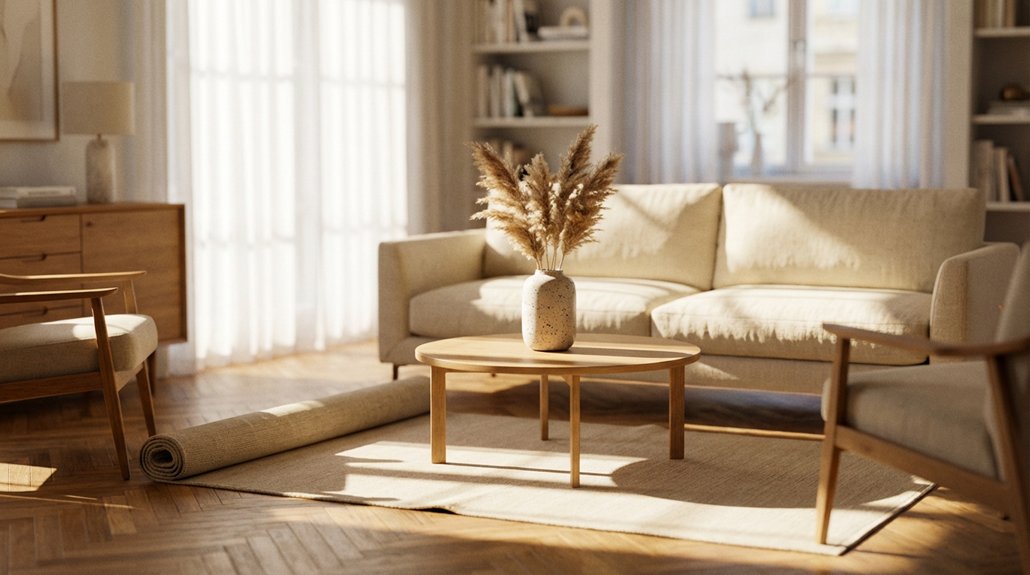
Select lifestyle images that reflect your target audience’s taste. Showcase furniture in settings that resonate with potential buyers. For example, if your audience prefers modern design, feature sleek, minimalist spaces.
This approach helps buyers envision the furniture in their own homes.
Create Themed Boards or Reels
Develop themed boards or reels to engage consumers with room transformations. For instance, create a board dedicated to small-space solutions that highlight multifunctional furniture.
This strategy encourages interaction and helps buyers see practical applications for your products.
Pair Captions with Context
Write captions that provide context for your images. Explain how the furniture enhances a room or fits a specific lifestyle.
For example, if you feature a cozy reading nook, describe how the chair invites relaxation. This context deepens the emotional connection and reinforces the narrative.
Pinterest Boards Build Intent
Understanding Intent in Furniture Shopping
Intent drives furniture shopping, and Pinterest serves as a key platform for leveraging that intent. Users actively seek ideas, making Pinterest Trends essential for targeting specific niches in the furniture market.
Focus on optimizing boards by organizing collections around distinct styles, specific rooms, and seasonal themes. This organization attracts buyers who’ve clear preferences.
Optimize Your Pinterest Boards
Organize your Pinterest boards to enhance user experience. Create collections based on furniture styles, such as mid-century modern or farmhouse, and categorize them by rooms like living rooms or bedrooms.
This structure helps users quickly find what they want, increasing the likelihood of engagement and purchase.
Use Strong Visual Content
Display high-quality images that consistently reflect your brand’s aesthetics. Strong visuals capture attention and communicate your product’s value effectively.
Incorporate DIY inspiration pins to encourage engagement. These pins not only attract interest but also foster a sense of community around your brand.
Encourage User-Generated Content
Invite customers to share their setups using your products. User-generated content enhances authenticity and builds trust with your audience.
Showcase these customer photos on your boards to create a more relatable shopping experience.
Tag Products in Pins
Directly tag products in your pins to streamline the purchasing process. This action shortens the path from inspiration to purchase, making it easier for users to buy the items they love.
Clear tagging improves user experience and drives sales.
Align Boards with Buyer Intent
Align your Pinterest boards with the intentions of buyers. When you focus on what users are already planning—whether it’s refreshing a room or preparing for a seasonal change—you convert passive browsers into active shoppers.
This targeted approach maximizes your effectiveness on the platform and enhances your sales potential.
Instagram Reels Convert Browsers
While Pinterest builds intent, Instagram Reels convert that intent into action. Use visual content and current Instagram trends to display furniture in real living spaces. Strong engagement on Reels occurs when you blend brand storytelling with user-generated content from actual customers.
Target Precisely
Use audience targeting tools to reach specific buyers in the EU. Focus on location, income, and home interests to connect with potential customers effectively.
Collaborate Strategically
Engage in collaborations with home décor influencers. These partnerships increase your reach and lend authenticity to your brand, making your furniture more relatable to consumers.
Optimize Consistently
Apply a targeted hashtag strategy and schedule your posts using content planning tools. Track your conversion metrics weekly to assess performance and make necessary adjustments.
Highlight furniture in lifestyle settings instead of plain product shots. This approach improves viewer engagement. Keep your Reels short, focused, and actionable to maximize impact.
Email Sequences That Turn One-Time Furniture Buyers Into Repeat Customers
Furniture buyers often need encouragement to return for additional purchases, and a structured email sequence can facilitate this. Implement automated email campaigns to connect with buyers around 30 days post-purchase.
Segment buyers based on their previous purchases to deliver tailored product suggestions that align with their interests. Personalize each email to ensure that customers feel a direct connection to your brand.
Solicit feedback by requesting product reviews, and use this data to enhance your offerings. Create value through content marketing by sending care guides or styling tips, which keeps your brand relevant in customers’ minds between purchases.
Incorporate insights about solid wood furniture to highlight the durability and long-term value of your products, reinforcing the quality of your offerings.
Establish a rewards program to incentivize repeat purchases, encouraging customers to make a second or third order.
These strategies promote customer loyalty efficiently, allowing your EU dropshipping store to grow steadily without requiring constant manual intervention.
Your First 90 Days: EU Furniture Dropshipping Marketing by the Week
The first 90 days of your EU furniture dropshipping business are crucial for establishing your long-term success. You need a focused content strategy and effective audience segmentation to gain traction quickly. Concentrate your efforts on key tasks each week.
1. Weeks 1–4: Launch your online store. Identify your target audience segments based on demographics and interests.
Create and publish your initial product-focused content on social media platforms and through email marketing to engage potential customers.
2. Weeks 5–8: Monitor and analyze your website traffic data. Adjust your audience segmentation based on the insights you gather.
Run targeted paid ad campaigns aimed at EU furniture shoppers in specific regions to increase visibility and drive sales.
3. Weeks 9–12: Scale successful strategies and expand your content calendar to include more diverse topics related to EU furniture.
Implement a retargeting campaign to reach visitors who viewed products but didn’t make a purchase, encouraging them to return and convert.
Track your performance metrics weekly. Use this data to make informed adjustments that will support your growth objectives.