
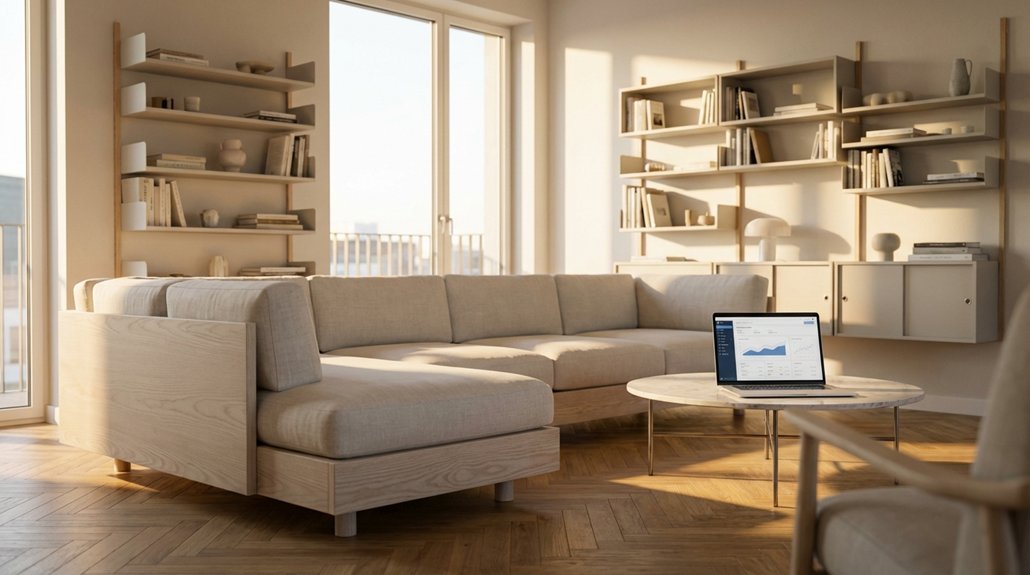
In 2026, the most profitable furniture dropshipping niches in Europe consist of home office furniture, sustainable materials, minimalist designs, modular storage solutions, children’s furniture, and outdoor or garden pieces. Germany prioritizes durable and functional styles, while France shows strong demand for home office setups. Scandinavian markets favor minimalist aesthetics that focus on simplicity and efficiency. Each niche presents unique profit opportunities based on specific target markets. Understanding the characteristics of these niches will help you make informed decisions to maximize returns in the furniture dropshipping sector.
Home Office Furniture: Meet Demand for Functionality
Home office furniture meets the growing demand for remote work setups. Consumers seek ergonomic desks and comfortable chairs that enhance productivity. Targeting this niche allows you to cater to professionals investing in their home office environments. Focus on designs that combine style with functionality to attract buyers.
Sustainable Materials: Appeal to Eco-Conscious Consumers
Sustainable materials appeal to environmentally conscious buyers. Customers prefer furniture made from recycled or responsibly sourced materials. By offering products that emphasize sustainability, you can tap into a market that values eco-friendly practices. Highlight certifications and sourcing details to build trust with your audience.
Minimalist Designs: Capture the Trend of Simplicity
Minimalist designs capture the trend of simplicity and space-saving solutions. Consumers in urban areas often seek furniture that maximizes functionality without clutter. Providing minimalist options allows you to meet this demand effectively. Showcase clean lines and versatile pieces to attract buyers looking for stylish yet practical solutions.
Modular Storage Solutions: Offer Versatility and Adaptability
Modular storage solutions offer versatility and adaptability for various living spaces. Customers seek furniture that can be customized to fit their needs and environments. By providing modular options, you can cater to individuals looking for flexible storage solutions. Highlight the benefits of easy assembly and reconfiguration to draw in potential buyers.
Children’s Furniture: Focus on Safety and Functionality
Children’s furniture focuses on safety and functionality tailored for kids’ needs. Parents look for durable, safe, and playful designs that foster creativity and learning. Offering furniture that meets safety standards will appeal to this market. Emphasize age-appropriate features and materials to ensure parents feel confident in their purchases.
Outdoor and Garden Pieces: Capture Seasonal Demand
Outdoor and garden pieces capture seasonal demand for outdoor living spaces. Customers seek durable furniture that withstands the elements while enhancing their outdoor experience. By offering weather-resistant options, you can tap into this niche effectively. Showcase materials designed for outdoor use to attract buyers during peak seasons.
In summary, focusing on these furniture dropshipping niches in Europe allows you to align your offerings with current consumer demands. Understanding the specific preferences of different markets will enable you to tailor your approach and maximize your returns.
Why Furniture Dropshipping in Europe Still Pays in 2026
Europe’s furniture market generates substantial revenue for dropshippers, making it a viable option in 2026. The shift towards sustainability drives consumer demand for eco-friendly materials and ethically sourced products. This focus allows dropshippers to set premium prices for high-quality inventory.
European consumers also seek functional, space-saving furniture, particularly in urban areas like Amsterdam, Berlin, and Paris. This trend presents an opportunity for dropshippers to cater to specific space needs in densely populated cities.
Urban Europeans demand smart, space-saving furniture solutions — a golden opportunity for dropshippers targeting densely populated cities.
Dropshipping eliminates the need for a warehouse and large capital investments. This model enables sellers to test products rapidly and scale successful items without the financial risk associated with traditional retail.
Europe’s robust e-commerce infrastructure and reliable payment systems support furniture sales. High average household spending creates favorable conditions for sellers who strategically choose their niche. Additionally, understanding space planning can help dropshippers select furniture that meets the unique demands of modern living environments.
Which European Markets Have the Strongest Furniture Demand?
Understanding where to sell furniture is crucial for targeting the right buyers in Europe. Each country has distinct preferences that affect demand. Germany prioritizes functional and durable furniture. Scandinavian consumers prefer minimalist designs that emphasize simplicity. France and the Netherlands show increasing demand for home office furniture due to lifestyle changes post-pandemic.
| Market | Key Demand Driver |
|---|---|
| Germany | Functional and durable furniture |
| France | Home office furniture |
| Scandinavia | Minimalist designs |
| Netherlands | Compact solutions for urban living |
| UK | Affordable modern styles |
Focusing on these market-specific demands allows businesses to tailor their product offerings. For example, German consumers value longevity in furniture, which requires manufacturers to use high-quality materials. In contrast, Scandinavian customers seek clean lines and simplicity, influencing design choices. Additionally, the rise in remote work has spurred demand for home office furniture in France and the Netherlands, reflecting the trend towards contemporary minimalist furniture that prioritizes functionality and aesthetic simplicity. This shift means companies should stock ergonomic desks and versatile storage solutions.
Understanding these regional preferences equips businesses with the insights needed to meet consumer expectations effectively. By aligning product lines with local demands, companies can enhance their competitiveness in the European furniture market.
The 6 Furniture Niches Worth Targeting in 2026
1. Sustainable Materials Furniture****
Sustainable materials furniture appeals to eco-conscious buyers in Germany and Scandinavia. These consumers prioritize environmentally friendly products. Sourcing from suppliers who use recyclable or sustainably sourced materials will attract this demographic. This aligns with the growing trend towards solid wood furniture that emphasizes natural timber over engineered options.
2. Minimalist Design Pieces****
Minimalist design pieces attract urban dwellers living in smaller apartments. These consumers seek functional yet stylish items that maximize space. Focusing on sleek lines and neutral colors will appeal to this market.
3. Home Office Furniture****
Home office furniture remains in high demand post-pandemic. Many professionals continue to work remotely and need ergonomic and functional solutions for their workspaces. Offering adjustable desks and comfortable chairs can meet this ongoing need.
4. Modular Storage Solutions****
Modular storage solutions serve customers who prioritize flexibility. These consumers look for customizable options that adapt to their changing needs. Highlighting versatile shelving units and stackable storage bins can capture their interest.
5. Outdoor and Garden Furniture****
Outdoor and garden furniture sells consistently in Southern Europe’s warmer climates. Consumers want durable and weather-resistant options for their patios and gardens. Focusing on materials like teak or aluminum can enhance your product offerings.
6. Children’s Furniture****
Children’s furniture targets growing families seeking safe, durable options. Parents look for items that can withstand wear and tear while being stylish. Emphasizing safety features and longevity will resonate with this audience.
Each niche addresses specific buyer needs, allowing for focused and effective marketing strategies.
Research the demand for each niche in your target country before selecting suppliers or creating product pages. This step ensures that your offerings align with market expectations and consumer preferences.
Home Office Furniture: Is the Margin Still There in 2026?
Home office furniture remains a niche worth exploring in 2026. Demand for ergonomic designs, such as adjustable desks and supportive chairs, continues to grow across Europe. Suppliers and product positioning impact profit margins significantly.
| Product Type | Average Margin | Demand Level |
|---|---|---|
| Ergonomic Chairs | 25–35% | High |
| Adjustable Desks | 20–30% | High |
| Monitor Stands | 30–40% | Medium |
Ergonomic chairs generally yield higher margins because customers prioritize functionality over cost. Competing in this market requires focusing on mid-range buyers seeking quality without premium prices. Clear product descriptions and dependable delivery services build consumer trust effectively.
To succeed in the home office furniture sector, target features that resonate with buyers. For example, emphasize the adjustability of desks and the ergonomic benefits of chairs in your marketing. Offer competitive pricing while maintaining quality to attract discerning customers. Avoid low-quality suppliers, as they can erode your profit margins and reputation.
Consider customer feedback on product functionality. Use this information to refine your offerings and meet market demands. Monitor trends in home office setups, as these can change rapidly. Staying informed allows you to adjust your inventory accordingly and maintain relevance in the market.
Children’s Furniture: High Demand, Low Competition?
Children’s furniture presents a lucrative opportunity in the dropshipping market. This niche combines steady demand with low competition. Parents prioritize quality, safety, and style when selecting furniture for their children’s rooms. By focusing on specific features, you can capture significant market share.
Design Ergonomics
Ergonomic furniture supports healthy posture and growth. Parents seek products that promote comfort and well-being. Offering ergonomic designs can attract health-conscious buyers.
Ergonomic children’s furniture supports healthy posture, promotes well-being, and attracts health-conscious parents seeking comfort-driven designs.
Eco-Friendly Materials
Eco-friendly materials appeal to environmentally aware parents. Parents prefer sustainable options that minimize environmental impact. Sourcing furniture made from recycled or renewable materials can differentiate your offerings.
Convertible Furniture
Convertible furniture adapts as children grow. Parents appreciate pieces that serve multiple purposes over time. Highlighting convertible designs can appeal to budget-conscious families.
Safety Certifications
Safety-certified products build trust with cautious shoppers. Parents want assurance that furniture meets safety standards. Providing clear safety certifications can enhance credibility and attract more buyers.
European parents show a willingness to invest in high-quality furniture that meets these standards. This trend allows for healthy profit margins even with competitive pricing.
By targeting the children’s furniture niche, you can maintain consistent demand throughout the year.
Outdoor and Garden Furniture: Seasonal Risk vs. Reward
When selling outdoor and garden furniture, expect demand to peak during spring and summer months, with sales declining significantly in fall and winter. This seasonal trend presents an opportunity to generate substantial profits during busy months, but it also leads to slower sales in the off-season.
To effectively manage inventory risks, collaborate closely with suppliers to adjust order volumes according to these seasonal patterns. For instance, increase orders in late winter to prepare for spring sales, and scale back orders in early fall to avoid excess stock.
Implementing a clear inventory management strategy helps minimize surplus and optimize cash flow.
Additionally, consider diversifying product offerings to attract customers year-round. For example, introducing indoor plants or holiday-themed outdoor decor can help maintain sales during slower months.
Be proactive in analyzing sales data to identify trends and adjust strategies accordingly.
Seasonal Demand Patterns
Outdoor and garden furniture sales follow a clear seasonal cycle. Understanding this cycle is crucial before entering this niche. Demand peaks in spring and early summer due to warmer weather and increased outdoor activities. Sales decline sharply in autumn and winter across most European markets.
Seasonal Demand Patterns
January–February: Demand for outdoor and garden furniture is minimal. Focus your efforts on planning and negotiating with suppliers during these months.
Prepare for the upcoming season by assessing inventory and setting budgets.
March–May: Sales surge as consumers begin preparing their outdoor spaces. Target marketing efforts during this period to attract customers looking to purchase furniture for spring gatherings.
Consider offering promotions to encourage early purchases.
June–July: This period represents the peak buying season. Maximize your marketing spend to capture consumer interest.
Stock your inventory adequately to meet high demand, ensuring you have a variety of products available.
August–October: Demand gradually declines as summer ends. Start clearing remaining inventory to make room for winter products.
Consider discounting items to boost sales before the slow season begins.
Cash Flow Management
Strong cash flow is essential to navigate slower months. Plan your budget carefully to ensure you can sustain operations during low-demand periods.
Prioritize inventory management to avoid overstocking during off-peak seasons.
Managing Inventory Risks
Understanding seasonal demand patterns is crucial for effective inventory management. Outdoor and garden furniture sales peak in spring and summer, then decline sharply in autumn and winter. This pattern creates significant challenges in supply chain management. If a business over-orders outdoor furniture, it risks accumulating unsold inventory. Conversely, if it under-orders, it loses potential sales during peak seasons.
To mitigate these inventory risks, businesses should implement smart inventory forecasting. This involves analyzing historical sales data and considering European weather trends to make accurate demand predictions.
Businesses should collaborate closely with suppliers to establish flexible ordering schedules that can adapt to seasonal changes.
Diversifying the product range also helps manage inventory risks. By including year-round products alongside seasonal items, businesses reduce their reliance on seasonal sales and stabilize overall revenue.
For instance, adding durable outdoor storage solutions can attract customers year-round, balancing seasonal fluctuations in outdoor furniture sales.
Bedroom Storage Furniture: Where the Repeat Buyers Are
Bedroom storage furniture consistently attracts repeat buyers because individuals often need to upgrade or add new pieces to accommodate changing needs. When a customer purchases a dresser, they typically return to buy a matching nightstand or wardrobe. This trend highlights the importance of cohesive sets in increasing customer loyalty.
Key products in this category include platform beds with built-in drawers, which maximize space while providing additional storage. Modular closet organizers allow users to customize their storage solutions based on available space and personal preferences. Multi-functional ottomans with hidden storage serve as both seating and discreet storage options, appealing to those looking for versatility.
Limitations exist, as some customers may prioritize aesthetics over functionality, leading them to overlook practical storage solutions. Additionally, budget constraints can affect purchasing decisions, causing customers to buy one piece at a time rather than a complete set.
Why Buyers Return Often
Storage furniture drives repeat purchases in the dropshipping market. When a customer buys a wardrobe, they frequently seek matching nightstands or additional drawer units. This behavior fosters customer loyalty and enhances future revenue. Clear return policies further encourage repeat purchases, as buyers trust your store when they feel secure in their transactions.
Bedroom Storage Encourages Repeat Purchases
Bedroom storage solutions lead to repeat purchases due to specific patterns in buyer behavior:
- Buyers Expand Storage Needs: Customers often require more storage as their needs grow. For example, a family may need extra drawer units after having children.
- Matching Sets Drive Additional Sales: Customers who purchase a wardrobe often return for matching nightstands, creating a cohesive bedroom set. This desire for a unified aesthetic encourages repeat orders.
- Seasonal Reorganization Prompts Returns: As seasons change, customers reorganize their spaces. For instance, they may return in spring to buy additional storage solutions for winter clothes.
- New Living Situations Trigger Orders: Relocating to a new home often requires additional storage furniture. Customers may return to your store to purchase items that fit their new space.
Benefits of Repeat Purchases
Each satisfied customer becomes a reliable source of revenue. By meeting their storage needs, you create a cycle of repeat business without incurring extra marketing costs.
This pattern underscores the value of focusing on storage furniture in your dropshipping strategy.
Top Storage Furniture Picks
Understanding which bedroom storage furniture to stock is crucial for your dropshipping business. Focus on minimalist designs that appeal to European buyers. Products such as platform beds with built-in drawers, modular wardrobes, and under-bed storage boxes consistently sell well. These items meet the demand for functionality while maintaining clean aesthetics.
To attract apartment dwellers, offer multifunctional solutions. Consider ottomans with hidden compartments and bedside tables with shelving units. These products help optimize limited space and enhance organization.
Prioritize suppliers who provide customizable finishes. European customers often prefer coordinated bedroom sets, so this feature can increase your appeal. Additionally, select lightweight materials that minimize shipping costs without sacrificing quality. This approach ensures you maintain a competitive edge.
Bathroom Furniture: The Underrated Niche in European Dropshipping
Bathroom Furniture: A Consistent Niche in European Dropshipping
Bathroom furniture represents a reliable niche in the European dropshipping market. Many consumers prioritize bathroom aesthetics and functionality, leading to steady demand throughout the year. This demand remains consistent, unlike seasonal niches that fluctuate.
Bathroom furniture offers reliable, year-round demand in the European dropshipping market, making it a consistently profitable niche.
Identify Top-Selling Bathroom Furniture Items
Focus on items that meet consumer needs effectively. Successful products include:
- Vanity units: These units feature integrated storage and clean lines, catering to minimalist preferences.
- Mirror cabinets: These cabinets maximize space in small bathrooms, a common layout in Europe.
- Freestanding towel racks: Styles in matte black or brushed brass finishes appeal to modern tastes.
- Under-sink organizers: These organizers complement contemporary bathroom designs, enhancing usability.
Target Homeowners Renovating Older Properties
Engage homeowners involved in renovations, particularly in Western Europe. Many properties require updates, creating opportunities for dropshippers.
Suppliers from Poland and Spain provide quality bathroom furniture at competitive prices, allowing for profitable margins.
Prioritize Compact, Wall-Mounted Options
Focus on compact, wall-mounted bathroom furniture. European bathrooms typically have less space compared to North American standards.
By offering space-saving solutions, you meet a critical need for functionality and style.
Conclusion
Focusing on bathroom furniture in the European dropshipping market allows you to tap into a steady demand.
Prioritize practical, stylish solutions that cater to the renovation trends across Europe.
Engage with reliable suppliers to ensure quality and affordability, and you’ll find consistent opportunities for growth in this niche.
How to Pick the Right Furniture Niche for Your Dropshipping Store
Choose the Right Furniture Niche for Your Dropshipping Store
Selecting the right furniture niche directly influences the success of your dropshipping store. Conduct market analysis to identify furniture categories with high demand in your target European markets. Analyze search trends, competitor stores, and customer reviews to find gaps in the market.
Evaluate Furniture Niches
Apply niche evaluation criteria such as profit margins, supplier availability, and shipping feasibility. For example, outdoor furniture may have seasonal demand, which can lead to cash flow issues during off-peak months.
In contrast, home office furniture maintains consistent interest year-round.
Understand Your Target Audience
Examine your target audience‘s purchasing behavior and average order value. A focused niche helps you attract customers who are ready to buy.
For example, if your analysis shows that customers frequently purchase ergonomic chairs with desks, prioritize those products.
Build a Competitive Edge
A well-researched niche gives you a competitive advantage. By focusing on specific furniture categories, you can create a targeted marketing strategy that resonates with your audience.
This approach not only attracts the right customers but also fosters long-term loyalty.
Focus on Practical Application
When selecting your niche, think about the specific relationships between products and customer needs.
For example, ergonomic chairs enhance productivity for remote workers. This clarity helps both you and your customers understand the value of your offerings.
Address Limitations
Be aware of potential limitations in your chosen niche. For instance, if you choose a category with limited supplier options, it may affect your inventory and shipping timelines.
Always consider how these constraints could impact your business operations.
Use Specific Examples
Incorporate specific examples and data points to support your decisions.
For instance, if you determine that home office furniture generates an average order value of €250, focus on promoting complementary items, such as desk organizers or monitors, to maximize sales.
Maintain a Focused Approach
Throughout your analysis and decision-making, stay focused on your main topic: furniture niches for dropshipping.
Ensure that every piece of information supports your goal of building a profitable store. By using this structured approach, you can create a clear path toward success in the furniture dropshipping market.