

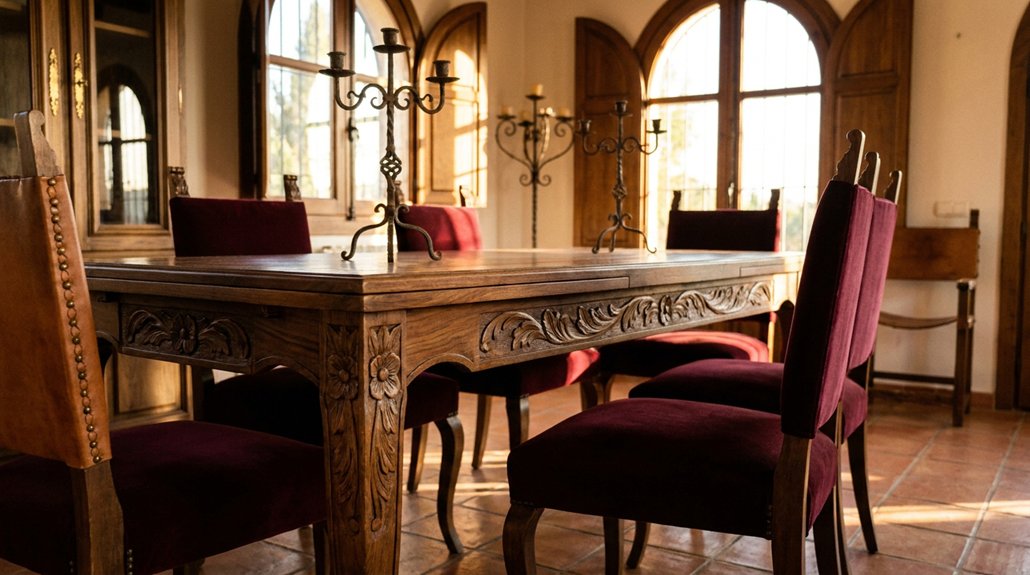
Spanish luxury handmade furniture prices range from $500 for a single chair to over $20,000 for a complete dining set. Consumers pay for skilled craftsmanship, premium woods like walnut and oak, and hand-stitched upholstery that mass production cannot replicate. Regional styles significantly vary. Andalusia showcases ornate Moorish carvings, while Catalonia features minimalist designs. Authentic pieces include hand-carved details, traditional joinery, and natural aging signs.
When purchasing, consider the craftsmanship involved. Artisans select high-quality materials and apply traditional techniques, ensuring durability and aesthetic appeal. Each piece reflects the region’s cultural heritage, enhancing the investment’s value. While mass-produced furniture lacks uniqueness, luxury handmade options offer distinct character and longevity.
Potential buyers should also be aware of limitations. Not every artisan provides the same level of quality or design integrity. Researching the artisan’s background and examining previous work is crucial. Authentic pieces often come with documentation that verifies their craftsmanship and origin.
In summary, investing in Spanish luxury handmade furniture means prioritizing quality and uniqueness. Each purchase supports traditional craftsmanship and adds lasting beauty to any space.
How Much Does Spanish Luxury Handmade Furniture Cost?
Spanish luxury handmade furniture varies significantly in price due to several key factors. Materials, craftsmanship, and brand reputation impact the overall cost. For example, a handcrafted chair can cost between $500 and $5,000, while complete dining sets often exceed $20,000.
To find competitive pricing, compare options from different Spanish artisans and retailers.
Understanding Price Influencers
Materials directly affect the price of Spanish furniture. High-quality woods and textiles increase costs.
Craftsmanship also plays a vital role; skilled artisans may charge more for intricate designs. Brand reputation can further elevate prices, especially for established names in the market.
Demand for Sustainable Pieces
Current market trends show a rising demand for sustainable, handcrafted furniture. This demand drives prices higher as consumers seek authentic, eco-friendly options. Choosing durable fabrics is also increasingly important for long-lasting investment.
Custom orders typically incur an additional cost of 20–40% over standard designs, reflecting the unique specifications required.
Shipping and Import Considerations
When purchasing Spanish furniture, factor in shipping and import fees. These costs can add significant amounts to your final purchase price.
Always include these expenses in your budget to avoid surprises.
Making Informed Decisions
Understanding the factors influencing the cost of Spanish luxury handmade furniture helps you invest wisely.
Spanish Furniture Traditions That Separate Authentic Pieces From Imitations
When you shop for authentic Spanish luxury furniture, understand the key traditions that distinguish genuine pieces from imitations. Authentic Spanish craftsmanship relies on specific regional woodworking techniques passed down through generations. Each region of Spain produces unique styles and methods.
For instance, Castilian craftsmen use walnut and chestnut wood, incorporating intricate iron hardware into their designs. In contrast, Catalan makers prefer bold geometric inlays and rich carved ornamentation. Recognizing these regional characteristics helps you identify authentic pieces.
Pay attention to the type of wood used in the construction. Authentic Spanish furniture often features durable hardwoods, which enhance longevity and aesthetic appeal. The choice of wood type plays a significant role in the overall quality and appearance of the furniture.
Inspect the joinery as well; traditional techniques like dovetail joints indicate quality craftsmanship. Be wary of mass-produced items that lack these specific features. Many imitations use lower-quality materials and simplified designs. If you notice a lack of detail or overtly uniform patterns, it’s likely not an authentic piece.
When evaluating a piece, consider its historical context. Authentic Spanish furniture often reflects cultural influences specific to its region. For example, Moorish influences can be seen in Andalusian designs, characterized by intricate carvings and tile work.
Identifying Authentic Spanish Craftsmanship
To identify authentic Spanish furniture, focus on the craftsmanship involved in its creation. Authentic pieces showcase artisan techniques that have been handed down through generations. Look for hand-carved details, mortise-and-tenon joinery, and hand-applied finishes.
These traditional methods result in slight imperfections that differentiate genuine furniture from machine-made versions.
Historical influences shape authentic Spanish furniture. Moorish, Roman, and Gothic designs contribute to the aesthetic. Check for geometric inlay patterns, wrought iron hardware, and the use of dark walnut or chestnut woods.
These characteristics signal that a piece comes from traditional Spanish workshops.
Inspect the underside and back of the furniture. Authentic pieces will display hand-tool marks and signs of natural aging. If the surfaces appear overly uniform or flawless, the piece is likely mass-produced.
Traditional Regional Wood Techniques
Each region of Spain has distinct woodworking traditions that influence how craftsmen create authentic pieces.
Castilian craftsmen use dense oak and walnut. They hand-carve details that reflect medieval geometric patterns. This technique ensures durability and aesthetic appeal.
Andalusian makers incorporate Moorish influences in their work. They produce intricate latticework through labor-intensive joinery methods. This craftsmanship requires significant skill and time, resulting in unique designs.
Catalonian workshops focus on refined marquetry. Craftsmen assemble thin wood veneers into precise decorative compositions. This method enhances visual appeal while maintaining structural integrity.
Authentic regional pieces reflect sustainable sourcing practices. Craftsmen rely on locally available timber, which connects each piece to its specific region. This relationship with local forests shapes the distinct aesthetics of the work.
When evaluating a piece’s authenticity, examine the joinery. Hand-fitted connections with slight natural variations indicate genuine craftsmanship.
In contrast, machine-cut joints suggest modern reproduction. Understanding these details helps you identify authentic traditional woodworking rooted in Spain’s rich heritage.
Regional Styles Defining Luxury Handmade Furniture Across España
Each region in España contributes a unique style to luxury handmade furniture, influenced by local history, materials, and cultural heritage. For example, Castilla features heavy oak furniture that embodies rustic charm, while Barcelona showcases modern, sleek designs that focus on innovation.
| Region | Defining Style |
|---|---|
| Catalonia | Contemporary, minimalist designs |
| Andalusia | Ornate Moorish-inspired carvings |
| Castilla | Rustic, heavy oak construction |
| Galicia | Chestnut wood, Celtic influences |
Craftsmen in each region apply traditional techniques that have been passed down through generations. This ensures that every piece of furniture reflects authentic Spanish craftsmanship. For instance, Andalusian artisans create intricate carvings that tell stories of their Moorish heritage. Meanwhile, Catalonian designers prioritize clean lines and functional aesthetics. Understanding these regional styles helps you make informed choices when selecting luxury handmade furniture. If you prefer bold geometric patterns, look to the south. If you favor the simplicity of northern designs, focus on Catalonia. Each option provides a distinct representation of Spain’s rich craftsmanship.
This knowledge empowers you to choose furniture that resonates with your personal style while celebrating traditional methods, as traditional furniture styles often include historical references that enhance the overall aesthetic of your space.
Moorish, Baroque, and Renaissance: Spain’s Defining Furniture Styles
Spain’s furniture history centers on three key styles: Moorish, Baroque, and Renaissance. These styles significantly influence the craftsmanship seen in luxury furniture today.
Moorish artisans create pieces featuring intricate geometric inlays. These designs reflect the cultural heritage of Spain, especially in regions like Andalusia. Their work emphasizes precision and detail, resulting in unique furniture that showcases a blend of function and artistry.
Baroque craftsmen focus on heavy gilded carvings. This style emerged in the 17th century and is characterized by opulence and dramatic ornamentation. Baroque furniture often includes elaborate shapes and rich materials, making each piece a statement of wealth and power.
Renaissance furniture emphasizes symmetry and proportion. Craftsmen from this period aimed for balance and harmony in their designs, using materials like walnut and oak. The Renaissance style promotes both aesthetic appeal and practical use, with functional pieces often doubling as art.
Today, skilled craftsmen across Spain continue these traditions. They produce handmade furniture that honors these historical styles while adapting to modern needs. This commitment to quality and heritage ensures that Spain’s furniture craftsmanship remains vibrant and relevant.
Spain’s Iconic Furniture Movements
Spain’s furniture history features three major movements: Moorish, Baroque, and Renaissance. Each movement has distinct characteristics that shape contemporary Spanish furniture design.
Moorish design introduces geometric patterns, intricate woodwork, and bold ornamentation. These elements reflect Islamic artistic traditions, which influence modern artisans. For example, many current furniture pieces incorporate tile work and carved wood that echo Moorish aesthetics.
Renaissance furniture emphasizes symmetry and classical motifs. Craftsmen draw from Italian influences to create refined pieces. This movement values quality craftsmanship, evident in the detailed carvings and balanced proportions of furniture items produced today.
Baroque style pushes design boundaries with dramatic curves and heavy ornamentation. Modern furniture makers use rich materials, such as gilded wood, to evoke the lavishness of the Baroque era. This style often features bold colors and elaborate designs that attract attention.
Today’s Modern Revival honors these historical roots while blending traditional Spanish craftsmanship with contemporary styles. Designers create furniture that incorporates Moorish geometric patterns, Renaissance symmetry, and Baroque drama. This fusion results in unique pieces that reflect Spain’s layered heritage.
Understanding these movements allows artisans and buyers to appreciate the craftsmanship behind each piece. Each handcrafted item tells a story rooted in Spain’s diverse cultural influences.
Ornate Design Influences
Three design movements—Moorish, Baroque, and Renaissance—have directly influenced Spain’s luxury handmade furniture. Each movement introduced distinct characteristics that artisans integrate into contemporary pieces.
The Moorish movement introduced geometric motifs, intricate inlays, and complex patterns rooted in Islamic art. These elements elevate furniture from mundane to visually striking. For example, artisans incorporate tile work and carved wood that reflect this influence.
The Renaissance movement emphasized balance and symmetry. Artisans focused on classical proportions and used decorative carvings to accentuate structural elements like legs and frames. This movement ensures that every piece maintains a harmonious form.
The Baroque movement took ornamentation to new heights. Artisans embraced dramatic curves and bold carvings, adding elaborate gilded details to furniture. This design approach creates pieces that command attention and reflect opulence.
Together, these three movements form a unique aesthetic language that defines Spanish luxury craftsmanship. Each influence contributes to furniture that isn’t only functional but also a statement of artistry and heritage.
The Most Prized Woods in Spanish Luxury Handmade Furniture
The Role of Wood in Spanish Luxury Handmade Furniture
The wood a craftsman selects defines the quality, aesthetic, and lifespan of a luxury handmade furniture piece. In Spain, artisans commonly choose European woods such as walnut, oak, and chestnut. Each wood type contributes unique qualities that affect the furniture’s appearance and durability.
Walnut Enhances Elegance
Walnut provides dark tones and distinctive grain patterns. Craftsmen use walnut for high-end pieces that require a sophisticated look.
The grain’s fine texture adds depth, making furniture visually appealing.
Oak Delivers Strength
Oak offers robust strength and a prominent grain. Craftsmen utilize oak in designs that demand durability, such as tables and chairs.
The grain’s visibility adds character, making oak a favored choice for long-lasting furniture.
Chestnut Provides Versatility
Chestnut serves as a lighter wood option with natural resistance to wear. Artisans appreciate chestnut for its versatility in various styles.
Its lighter color complements different interiors while maintaining durability.
Sustainable Sourcing Supports Ethical Practices
Sustainable sourcing has gained importance in Spanish workshops. Many craftsmen now choose certified materials to ensure environmental responsibility.
Using responsibly sourced wood guarantees high quality and supports ethical production methods.
Conclusion
The choice of wood directly impacts the quality and longevity of Spanish luxury handmade furniture.
Craftsmen prioritize walnut, oak, and chestnut for their unique properties, while also focusing on sustainable sourcing to align with modern ethical standards.
Why Hand-Stitched Leather and Fabric Upholstery Justifies the Premium
When you look at luxury handmade furniture from Spain, hand-stitched upholstery stands out immediately. Skilled artisans hand-sew leather and fabric, ensuring that each seam remains intact for decades. This hand-stitched method provides greater durability than machine stitching because artisans can fine-tune the tension and spacing to match the specific characteristics of each material.
Leather craftsmanship in Spain has a rich history. Artisans select full-grain hides, which develop a beautiful patina over time instead of wearing out. Hand stitching reinforces stress points that machines often overlook, resulting in upholstery that resists fraying, retains its shape, and enhances its appearance as it ages.
Investing in hand-stitched upholstery means choosing quality that lasts. This precision and longevity justify the higher price. The difference is clear: handmade pieces offer resilience and aesthetic appeal that mass-produced items simply can’t match.
How Spanish Craftsmen Finish and Age Luxury Handmade Furniture
Skilled upholstery work is essential for creating Spanish luxury furniture, but finishing techniques play an equally critical role. Spanish craftsmen carefully apply hand-rubbed oils, natural waxes, and layered lacquers to seal wood surfaces. These techniques enhance the wood grain and add depth to each piece.
Aging methods are crucial for achieving the desired antique look. Craftsmen intentionally distress wood and apply patinas to create a lived-in character. Controlled oxidation further enhances this effect. Some artisans use smoke, ammonia, or diluted acids to achieve specific color tones.
Each of these finishing and aging techniques requires significant skill and patience. The meticulous approach ensures that the furniture not only looks beautiful but also retains high quality.
This dedication to craftsmanship explains why authentically finished Spanish luxury furniture commands premium prices.
How to Spot Genuine Spanish Craftsmanship Before You Buy
How to Identify Genuine Spanish Craftsmanship
Identifying genuine Spanish craftsmanship helps you avoid overpaying for mass-produced replicas. Focus on craftsmanship techniques and authentic materials to ensure your purchase reflects real value.
Examine Craftsmanship Techniques
Inspect hand-carved details on the item. Genuine craftsmanship features slight variations, indicating that a skilled artisan shaped the wood.
Look for traditional joinery methods, such as dovetail or mortise-and-tenon joints. These joints provide durability compared to staples or cheap glue used in mass production.
Verify Authentic Materials
Check the materials used in the item. Genuine Spanish craftsmanship utilizes solid woods like walnut, chestnut, or oak.
Authentic Spanish craftsmanship relies on solid woods like walnut, chestnut, or oak — never cheap substitutes.
Avoid items made from veneered particle board, as these materials lack the quality and longevity of authentic wood.
Look for Maker’s Marks
Search for maker’s marks or signatures from the artisan. Reputable Spanish craftsmen typically include these identifiers, which confirm the item’s authenticity.
These marks ensure that you’re purchasing from a knowledgeable source.
Request Documentation
Ask the seller for documentation regarding the workshop’s origin. Reputable dealers should provide certificates that confirm the use of authentic materials and traditional craftsmanship techniques.
This documentation adds credibility to your purchase and assures you of the quality.