
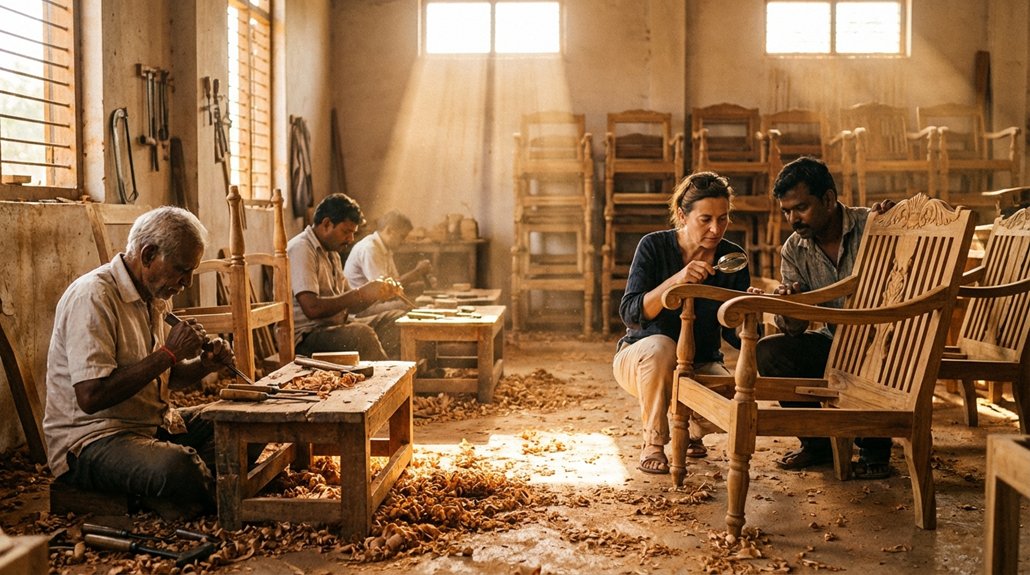
When sourcing solid wood furniture wholesale from India, focus on Sheesham wood from Rajasthan and Uttar Pradesh, and Mango wood from Andhra Pradesh and West Bengal. A full container load costs between €2,600 and €4,800. When importing to the EU, expect duties of 2.7% plus 20% VAT. Minimum order quantities (MOQs) range from 50 to 200 units, and production lead times are typically 4 to 8 weeks.
Sourcing Solid Wood Furniture
Identify the best regions for solid wood. Sheesham wood typically comes from Rajasthan and Uttar Pradesh. Mango wood is primarily sourced from Andhra Pradesh and West Bengal. By knowing these regions, you can establish reliable supplier relationships.
Cost Breakdown
Calculate your total costs accurately. A full container load costs between €2,600 and €4,800. Include EU import duties at 2.7% and VAT at 20% in your budget. This ensures you understand the total financial commitment when sourcing.
Minimum Order Quantities
Determine MOQs to manage inventory effectively. Expect MOQs between 50 and 200 units based on your supplier’s policies. This helps you plan your orders according to your sales forecasts.
Production Lead Times
Plan your inventory schedule around production lead times. Production typically takes 4 to 8 weeks. Understanding these timelines allows you to align your orders with market demand and avoid stock shortages.
By following these guidelines, you can source solid wood furniture from India profitably and efficiently.
Which Indian Regions Produce the Best Sheesham and Mango Wood
When sourcing solid wood furniture for your French retail business, focus on the best regions in India for Sheesham and Mango wood. Rajasthan and Uttar Pradesh are primary sources for Sheesham. This wood features a dense grain and rich color, ideal for high-quality furniture.
For Mango wood, Andhra Pradesh and West Bengal are the top regions. Mango trees produce excellent quality wood once they stop bearing fruit, making them a sustainable option.
Ensure that you verify the sustainability practices of your suppliers. Each region has different standards, so establish clear communication with your suppliers to confirm their practices. Additionally, understanding optimal furniture placement ensures that your pieces are both functional and appealing in your retail space.
Furthermore, understand that export regulations vary by region. Collaborating with experienced exporters helps navigate compliance requirements effectively.
Stay informed about market trends to identify regions that offer the best value for Sheesham and Mango wood. Building strong relationships with suppliers in Rajasthan, Uttar Pradesh, Andhra Pradesh, and West Bengal ensures consistent quality for your inventory.
Focus on these strategies to enhance your sourcing process and improve your product offerings.
What a Full Container Load Actually Costs From India
Calculating the total cost of a Full Container Load (FCL) from India allows you to budget effectively and reduce unexpected expenses. The shipping price comprises several essential components beyond the base ocean freight rate.
Breakdown of Costs
| Cost Component | Estimated Range |
|---|---|
| Ocean freight (India to France) | €1,500–€2,500 |
| Origin charges (India) | €200–€400 |
| Destination charges (France) | €300–€600 |
| Customs duties and clearance | €400–€800 |
| Inland transport (France) | €200–€500 |
Total Estimated Costs
Your total shipping costs typically range from €2,600 to €4,800 per FCL. A standard 40-foot container can accommodate approximately 20–25 cubic meters of furniture.
Requesting Quotes
You should request itemized quotes from freight forwarders to accurately compare rates. Each cost component plays a critical role in determining your overall expenses. Understanding these costs helps you set competitive retail prices while protecting your profit margins. Additionally, sourcing solid wood furniture from reputable suppliers enhances the quality and appeal of your offerings.
Key Considerations
Be aware of potential fluctuations in rates due to market conditions, seasonal demand, or specific cargo requirements. Always verify the details with your logistics provider to ensure transparency and accuracy in your shipping budget.
Minimum Order Quantities and How Containers Get Filled
When you source furniture from Indian manufacturers, you face minimum order quantities (MOQs), which dictate the smallest amount a supplier will sell. Most factories set MOQs to ensure production runs are efficient and cost-effective.
To make the most of your purchase, plan around filling a 20-foot or 40-foot container. You can combine different product types—such as chairs, tables, and cabinets—to meet MOQ requirements while optimizing the available cubic space in the container. This strategy helps you keep per-unit shipping costs low.
Understanding MOQs helps you manage your inventory and costs. For example, if a factory has an MOQ of 100 pieces, you might order 40 chairs, 30 tables, and 30 cabinets to reach that threshold. This approach not only fulfills the factory’s requirement but also ensures that your container is filled efficiently.
Consider the limitations of your order. Some factories may not allow mixing certain product types due to production constraints. Always confirm with the manufacturer what combinations are acceptable to avoid delays.
Additionally, be mindful of lead times; production can take several weeks, so plan your orders well in advance of shipping deadlines. Incorporating traditional furniture styles into your selection can enhance your product offerings and appeal to diverse consumer preferences.
Using this method effectively aligns your purchasing strategy with the realities of furniture manufacturing. Focus on maximizing container space and minimizing costs while adhering to MOQs. This practical approach will streamline your sourcing process and improve your bottom line.
Understanding MOQ Basics
Minimum order quantities, or MOQs, are critical when sourcing wholesale furniture from overseas suppliers. MOQs define the minimum number of units a supplier will sell in a single order. Indian furniture manufacturers typically set MOQs based on piece count, container load, or total order value. Understanding these MOQ structures helps you plan your bulk purchases effectively.
| MOQ Type | Typical Range | Best For |
|---|---|---|
| Piece Count | 50–200 units | Single product orders |
| Container Load | 1 FCL (20/40ft) | Mixed product sourcing |
| Minimum Value | $5,000–$15,000 USD | Flexible product selection |
Knowing the MOQ structure your supplier uses allows for better negotiation and minimizes errors. Confirm the MOQ terms before requesting samples or signing agreements.
Piece Count: Order Specifics
Suppliers set piece count MOQs between 50 and 200 units. Use this MOQ type when you want to order a single product in bulk. Ensure you meet the supplier’s minimum to avoid complications.
Container Load: Sourcing Strategy
Container load MOQs typically require one full container, either 20 or 40 feet. This structure works well for mixed product sourcing. Plan your orders to maximize container space and reduce shipping costs.
Minimum Value: Financial Considerations
Minimum value MOQs range from $5,000 to $15,000 USD. Use this approach when you need flexibility in product selection. Make sure your order meets the financial threshold to ensure a smooth transaction.
Constraints and Considerations
Not every supplier offers all types of MOQs. Some may impose stricter limits based on their production capacity. Always clarify these details upfront to avoid surprises later on.
Practical Application
Each MOQ type affects your purchasing strategy. Match your order size and budget to the MOQ structure to streamline your procurement process. This alignment ensures you make informed decisions that enhance your business operations.
Container Space Optimization
Once you finalize a Minimum Order Quantity (MOQ) structure with your supplier, focus on maximizing container space. A standard 20-foot container holds approximately 25–28 cubic meters of cargo, while a 40-foot container accommodates around 55–67 cubic meters.
Inefficient container management results in wasted space and higher shipping costs.
To optimize space, strategically mix different furniture styles and sizes. Pair flat-packed items with bulkier pieces to minimize empty gaps. Nest smaller items inside larger ones whenever possible.
Collaborate with your supplier to create a load plan that makes full use of each cubic meter.
Efficient packing reduces your per-unit shipping costs. Lower shipping costs help protect your profit margins when selling to French retail customers.
Mixing Products Efficiently
Optimize Product Mix for Efficient Shipping
Balancing your product mix within a shipping container helps meet Minimum Order Quantity (MOQ) requirements for various items while controlling shipping costs. Prioritize product compatibility when selecting items. Choose chairs, tables, and storage units with similar dimensions. This strategy ensures efficient stacking and maximizes space utilization.
| Product Pairing | Space Benefit |
|---|---|
| Dining tables + chairs | Fills vertical gaps |
| Cabinets + small décor | Uses corner space |
| Bed frames + nightstands | Shares flat packing |
| Shelving + stools | Maximizes height |
| Desks + benches | Reduces wasted volume |
Effective inventory management involves ordering complementary pieces that French customers frequently purchase together. This strategy reduces dead stock and maximizes cubic meter usage inside the container. Plan your product mix carefully before finalizing orders with your Indian supplier.
Focus on Product Pairing
Pairing products like dining tables and chairs fills vertical gaps in the container. This combination allows you to use every inch of space efficiently. Similarly, cabinets and small décor items fit well in corners, making use of otherwise wasted space.
Leverage Shared Dimensions
Bed frames and nightstands often share flat packing dimensions. This compatibility allows both items to occupy the same space without compromising structural integrity. Shelving units and stools maximize height within the container, enabling you to stack efficiently.
Reduce Volume Waste
Desks and benches typically have similar dimensions. Pairing these items reduces wasted volume in the container. By carefully selecting these combinations, you ensure optimal use of shipping space.
Strategic Planning is Essential
Plan your product mix based on actual customer needs. Analyze sales data to identify which items are frequently purchased together. This approach minimizes dead stock and enhances profitability. Confirm your orders with your Indian supplier after detailed planning to maximize shipping efficiency.
How to Verify an Indian Furniture Supplier’s Quality and Credentials
When sourcing wholesale furniture from India, verify the supplier’s quality and credentials through specific actions.
Start by requesting ISO 9001 certification, which confirms the supplier has a structured quality assurance process. Next, obtain product samples to assess craftsmanship, wood quality, and finishing standards directly.
Check references from at least three European retailers who’ve previously worked with the supplier. Contact these retailers to gather insights about their experiences with the supplier’s reliability and product quality.
Utilize third-party inspection services to conduct audits of the factories before committing to large orders. This step ensures the manufacturing conditions meet your standards.
Verify the supplier’s export history by consulting official Indian trade databases. Look for records of compliance with French and EU import regulations regarding wood sourcing, product safety, and environmental standards.
Ensure that the supplier follows these regulations to avoid future legal issues.
These steps will help you establish a reliable supply chain while minimizing the risk of costly mistakes. Focus on these specific actions to ensure quality and compliance in your sourcing process.
Lead Times for Indian Furniture Orders Shipped to France
When you order furniture from an Indian supplier, expect a production and processing timeline of 4 to 8 weeks before the goods ship. After production, ocean freight from India to French ports, such as Marseille or Le Havre, adds an additional 20 to 30 days.
To mitigate delays, integrate buffer time into your ordering schedule. Maintain consistent communication with your Indian supplier regarding production milestones and shipping deadlines. This ensures you stay informed about your order’s status and helps you manage your delivery expectations effectively.
Understanding these timelines is crucial for planning your inventory and meeting customer demands. If you don’t allow enough time for production and shipping, you risk running out of stock.
Additionally, unforeseen delays, such as customs inspections or port congestion, can further extend the timeline. Always factor in these potential issues when placing your order.
For practical application, create a detailed timeline for each order. Start with the production phase, then add the shipping duration. Include a buffer period for potential delays.
This structured approach will help you align your orders with your business needs and reduce risks associated with inventory shortages.
Typical Order Processing Times
Understanding lead times is crucial when sourcing furniture from India for resale in France. Typical order processing times range from 4 to 8 weeks based on the supplier’s workload and your order volume.
After you confirm your purchase, the supplier initiates a structured workflow that includes material sourcing, production, quality checks, and packaging.
Requesting order tracking access early is essential. This access allows you to monitor each production stage and identify potential delays.
Larger orders require more time; therefore, plan your inventory according to these realistic timelines. Maintain clear communication with your supplier regarding deadlines, especially before peak retail seasons like Christmas or summer.
Building additional buffer time into your schedule prevents stockouts and ensures your French retail operation runs smoothly.
Shipping Duration To France
Once your order passes production and quality checks, shipping duration becomes critical in your supply chain timeline. The shipping method you choose impacts how quickly your goods arrive in France.
Sea freight typically takes 20 to 35 days from Indian ports to French destinations like Marseille or Le Havre. If you opt for air freight, transit times drop to 5 to 7 days, but this method is significantly more expensive and often impractical for bulk furniture orders.
You must also account for customs clearance, which can add an additional 3 to 7 business days to your timeline.
Delays And Mitigation Strategies
Managing Supply Chain Delays
Supply chain delays are common, but you can minimize their effects on your business. Factors like monsoon seasons, port congestion, and customs inspections can lead to longer delivery times. To mitigate these delays, build a buffer stock to avoid shortages.
Order inventory earlier than necessary, especially before peak seasons such as Christmas or summer sales. Regularly communicate with your Indian supplier to monitor production progress.
Choose freight forwarders who specialize in India-to-France shipments to effectively navigate potential bottlenecks. Diversifying your supplier base allows you to offset delays; if one manufacturer encounters issues, another can fulfill your orders.
Proactive planning ensures your retail operations continue to run smoothly, even when shipping conditions are unpredictable.
Implementing Risk Management Strategies
Implement risk management strategies to address supply chain delays. Start by establishing buffer stock to prepare for unforeseen delays.
Assess your typical lead times and order inventory well in advance. For instance, if your lead time is usually four weeks, consider placing orders six weeks ahead during peak seasons.
Maintain consistent communication with your suppliers to track their production timelines. Use specific metrics to evaluate their performance, such as on-time delivery rates. This will help you identify any issues early and adjust your orders accordingly.
Selecting the Right Freight Forwarders
Select freight forwarders based on their expertise in India-to-France logistics. Experienced freight forwarders will understand the challenges of customs and port operations.
Inquire about their track record with delivery times and customs clearance efficiency. For example, if a freight forwarder has a history of reducing customs delays by 20%, prioritize working with them.
This choice can lead to smoother shipments and fewer disruptions in your supply chain.
Diversifying Your Supplier Base
Diversify your supplier base to reduce reliance on a single manufacturer. This strategy helps mitigate risks associated with delays.
If one supplier faces production issues, another can step in to meet your needs. For instance, if you typically order 1,000 units from Supplier A, consider sourcing 500 units from Supplier B as a backup.
This approach provides flexibility and helps maintain your inventory levels during unforeseen delays.
Conclusion
In summary, managing supply chain delays requires proactive planning and effective communication with suppliers and freight forwarders.
Building buffer stock, ordering early, and diversifying your supplier base are essential strategies. These measures will help maintain smooth retail operations despite unpredictable shipping conditions.
What French Retailers Pay in Customs Duties on Indian Furniture
When French retailers import furniture from India, they face specific customs duties that impact their overall costs. Understanding these costs is crucial for pricing products effectively and avoiding unplanned expenses.
Customs Duties and Taxes
French retailers pay a 2.7% EU import duty on solid wood furniture imported from India. Additionally, retailers must account for a 20% VAT upon entry into France.
Accurate Documentation
To ensure correct tariff rates, retailers must use precise HS codes for their imported goods. Customs regulations mandate complete documentation, including commercial invoices and packing lists.
Missing or inaccurate documents can lead to delays and additional costs.
Pricing Strategy
Retailers should integrate these customs duties and taxes into their wholesale pricing strategy early in the process. This prevents unexpected financial burdens when goods arrive in France.
Working with Customs Brokers
Collaborating with a licensed customs broker can streamline the import process. A customs broker helps ensure compliance with regulations and reduces the risk of costly mistakes during clearance.
How to Negotiate Pricing Directly With Indian Manufacturers
Negotiate Pricing Directly With Indian Manufacturers
To secure the best prices from Indian manufacturers, focus on understanding market dynamics and establishing strong relationships. Research market rates for solid wood furniture in India to set a baseline for negotiations.
Research Market Rates
Research market rates for solid wood furniture in India. This data provides a foundation for your pricing strategies. Knowing the average prices enables you to identify fair pricing and areas for negotiation.
Order in Larger Quantities
Place larger orders to obtain volume discounts. When you commit to higher quantities, manufacturers are more likely to offer better prices. This approach not only reduces your cost per unit but also demonstrates your commitment as a buyer.
Build Long-Term Relationships
Develop long-term relationships with manufacturers. Consistent orders encourage suppliers to provide better deals. A strong partnership fosters trust, which can lead to exclusive pricing and better service over time.
Request Itemized Quotes
Request itemized quotes from manufacturers. Itemized quotes break down each cost component, allowing you to see where expenses come from. This transparency helps you pinpoint specific areas to negotiate.
Counter Initial Offers
Do not accept the first price offered by manufacturers. Counter with a reasonable offer based on your market research. This strategy shows that you’re informed and willing to negotiate, setting the stage for a more favorable agreement.
Compare Multiple Quotes
Collect and compare quotes from multiple manufacturers. This practice strengthens your negotiating position. Presenting alternative offers signals to manufacturers that you have options, encouraging them to improve their pricing.
Communicate Clearly and Respectfully
Practice clear communication and mutual respect during negotiations. Maintain professionalism throughout the conversation. Respectful interactions foster a positive relationship, making manufacturers more inclined to work with you on pricing.
Why Sheesham Wood Sells So Well in French Retail Markets
Sheesham wood sells well in French retail markets due to its durability, aesthetic appeal, and affordability. French consumers prefer sheesham wood furniture because of its rich grain patterns and warm tones, which fit current interior design trends. Additionally, the sustainability aspect of sheesham wood attracts eco-conscious buyers, as it’s a fast-growing hardwood.
Durability
Sheesham wood furniture resists wear and lasts for decades. Retailers can confidently promote sheesham products knowing that customers will appreciate their long lifespan.
Visual Appeal
Natural grain patterns in sheesham wood enhance the look of furniture. These patterns align with popular French interior styles, making sheesham wood a desirable choice for home decor.
Eco-Conscious Sourcing
Sourcing sheesham wood aligns with sustainability trends in Europe. Retailers can highlight the environmental benefits of choosing this material, appealing to consumers who prioritize eco-friendly products.
Competitive Pricing
Sheesham wood offers an affordable option without compromising on quality. Retailers can provide competitive pricing, making sheesham furniture accessible to a broader range of customers.