
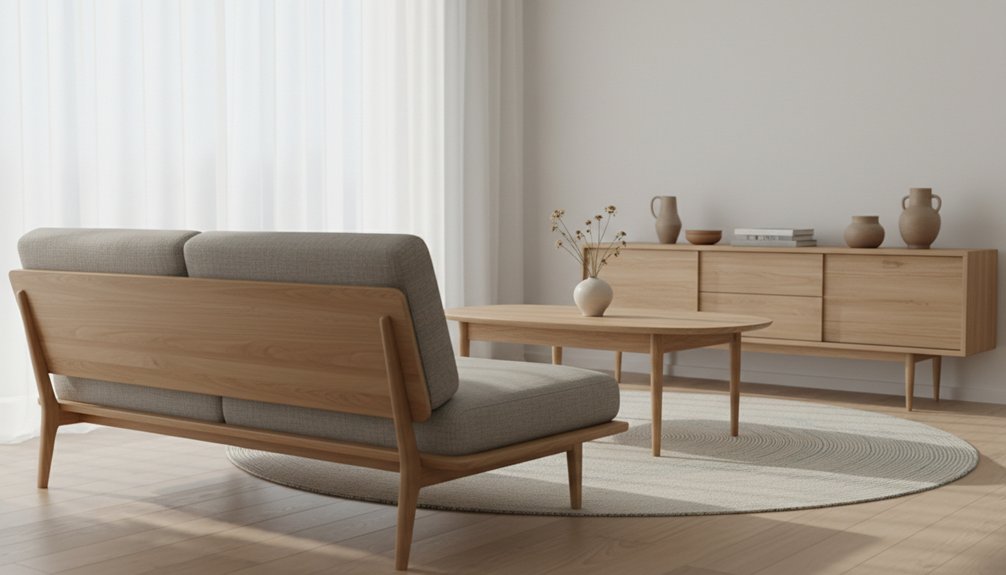
Scandinavian furniture focuses on minimalist design, practical functionality, and the use of light-colored woods such as birch, ash, and pine. This style features clean lines, smooth surfaces, and organic shapes, allowing for maximum usability while avoiding excessive ornamentation. The light wood tones enhance the brightness of a space, creating an airy atmosphere. Additionally, incorporating natural materials like leather and wool introduces warmth, complementing the overall aesthetic.
This design philosophy emphasizes quality craftsmanship. Each piece is built to last, ensuring durability while maintaining a simple visual appeal. For instance, a typical Scandinavian dining table may feature a solid birch top with tapered legs, promoting both stability and elegance.
Key characteristics of Scandinavian furniture include functionality, which means that every piece serves a purpose without unnecessary elements. For example, a storage ottoman provides seating and additional storage, maximizing utility in smaller living areas.
Moreover, the commitment to sustainability is significant in this style. Manufacturers often source materials responsibly, ensuring that wood is harvested from managed forests. This approach not only supports environmental conservation but also enhances the aesthetic quality of the furniture.
Overall, Scandinavian furniture combines minimalist design with practical elements, ensuring that each item not only looks good but also fits seamlessly into daily life.
What Makes Furniture Scandinavian: Key Design Features
Scandinavian furniture showcases a distinct design philosophy rooted in Nordic countries, primarily developed in the early 20th century. This style prioritizes clean lines, minimal ornamentation, and functional simplicity. Designers select light-colored woods such as birch, pine, and ash to brighten spaces and create an airy feel. Each piece of furniture serves a specific function, eliminating unnecessary decorative elements.
Scandinavian furniture features smooth surfaces, tapered legs, and organic shapes that combine comfort with practicality. This simplicity highlights the use of natural materials and showcases expert craftsmanship. The color palette typically includes neutral tones, primarily whites, grays, and natural wood finishes, allowing these pieces to fit seamlessly into various environments. Quality construction remains a central tenet of Scandinavian furniture design, ensuring that each item is built to last for generations while retaining its visual appeal. Additionally, the choice of wood types can influence the durability and aesthetic of the furniture. Limitations include the need for careful maintenance to preserve the natural wood finishes and the potential for less ornate designs to not appeal to all tastes.
Why Scandinavian Furniture Uses Light Wood and Natural Materials
Scandinavian furniture designers prioritize light-colored woods and natural materials to enhance brightness in interior spaces. They specifically choose birch, beech, ash, and pine due to their lighter tones. These woods create a bright and airy atmosphere that counteracts the long, dark winters experienced in Nordic countries.
Natural materials like wood, leather, wool, and cotton play a crucial role in Scandinavian furniture design. The durability of wood ensures that furniture withstands daily use and lasts for generations. Additionally, the organic warmth of these materials adds comfort to minimalist interiors, making spaces feel inviting.
Scandinavian designers intentionally avoid synthetic materials to maintain a connection to nature. This choice reflects the Nordic philosophy of living in harmony with the environment.
Scandinavian vs Mid-Century Modern Furniture: Spotting the Differences
Scandinavian and Mid-Century Modern furniture represent two distinct design styles, each with its own origins and purposes. Scandinavian design prioritizes functionality and comfort for everyday living, while Mid-Century Modern emphasizes bold artistic expression.
Color Palettes: Scandinavian furniture uses a color palette dominated by whites, grays, and natural wood tones. In contrast, Mid-Century Modern furniture features vibrant colors such as oranges, teals, and mustard yellows. This distinction in color reflects the cultural influences of each design style.
Wood Types: Scandinavian pieces typically utilize light woods like birch and pine, which contribute to a bright and airy aesthetic. On the other hand, Mid-Century Modern furniture often incorporates darker woods such as walnut and teak, lending a richer, more dramatic appearance.
Ornamentation: Scandinavian designs emphasize minimalism, focusing on clean lines and simple forms without excessive decoration. Conversely, Mid-Century Modern furniture can include decorative geometric patterns, adding visual interest and complexity to the pieces.
Leg Styles: Scandinavian furniture often features straight, simple legs that enhance its unembellished style. Mid-Century Modern furniture, however, showcases tapered and angled legs, which contribute to its dynamic and artistic look.
In both styles, understanding proper furniture sizing ensures that the pieces fit well within the space, enhancing both functionality and aesthetic appeal.
Understanding the differences in color palettes, wood types, ornamentation, and leg styles allows you to accurately identify and appreciate each design style’s unique characteristics.
Best Scandinavian Furniture Pieces for Small Spaces
Small spaces require furniture that prioritizes functionality while ensuring a stylish appearance. Scandinavian design addresses this need effectively. Look for multifunctional furniture that can save space and maintain a minimalist aesthetic. Select pieces that serve dual purposes and feature light wood finishes to enhance the feeling of openness in your home. The Scandinavian design emphasizes simplicity with clean lines and neutral colors, making it perfect for compact living environments.
| Furniture Piece | Primary Function | Space-Saving Benefit |
|---|---|---|
| Storage Bench | Seating | Offers hidden storage compartment |
| Nesting Tables | Side tables | Can be stacked when not in use |
| Wall-Mounted Desk | Workspace | Folds flat against the wall |
| Slim Console | Display surface | Narrow depth fits into tight spaces |
These furniture pieces incorporate Scandinavian design principles while addressing practical needs. Investing in these items means you choose adaptable solutions that avoid cluttering your living area. The minimalist design ensures each piece has a meaningful purpose in your home.
To summarize, prioritize furniture that multiplies functionality in small spaces. Focus on specific pieces that can serve more than one purpose while maintaining a clean, light aesthetic. This approach not only maximizes your space but also aligns with the timeless appeal of Scandinavian design.
Where to Buy Affordable Scandinavian Furniture Online and In-Store
Finding affordable Scandinavian furniture requires understanding where to look for quality options. You can find budget-friendly choices both online and in physical stores.
IKEA sells authentic Scandinavian designs at accessible prices. West Elm and CB2 offer mid-range Scandinavian-inspired furniture and frequently run sales to help you save. Article and Joybird provide modern Scandinavian furniture and allow for flexible payment plans.
Major retailers like IKEA, West Elm, and Article make Scandinavian design accessible through competitive pricing and flexible payment options.
When shopping online, you have a variety of retailers to consider:
- Wayfair features a wide selection of Scandinavian collections along with customer reviews to guide your purchase.
- Overstock consistently offers discounted Nordic-style furniture, making it a reliable choice year-round.
- Amazon provides affordable replicas of classic Scandinavian designs, allowing you to find budget-friendly options.
- Target’s Project 62 line delivers cost-effective Scandinavian aesthetics for those on a tight budget.
You should also explore local thrift stores and estate sales for vintage Scandinavian pieces. These venues often sell items at a fraction of their original retail costs.
Facebook Marketplace and Craigslist are additional platforms where you can find quality secondhand Scandinavian furniture.