

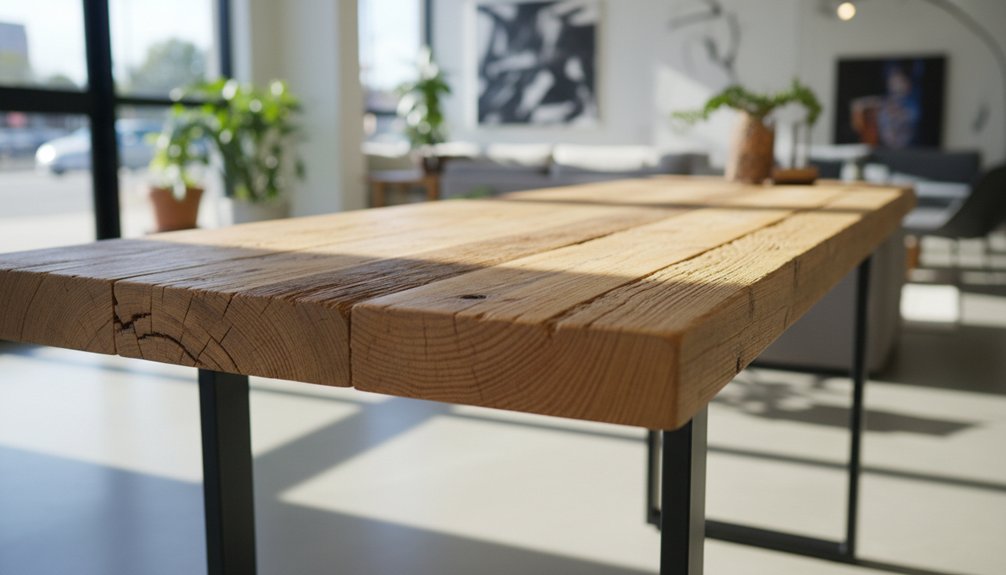
Stocking reclaimed wood furniture can increase your profit margins significantly because these pieces command prices that are 30-50% higher than mass-produced furniture. European consumers actively seek sustainable furniture options, drawn to the authentic weathered appearance and documented histories of reclaimed wood. Each piece’s unique grain patterns and natural imperfections create a strong emotional connection for buyers, allowing you to maintain premium pricing and reduce the need for frequent discounts.
Reclaimed wood furniture stands out in the market due to its one-of-a-kind nature. Retailers can leverage this uniqueness to attract customers who appreciate individuality in their home decor. Additionally, the durability of old-growth lumber serves as a concrete selling point. This durability not only ensures customer satisfaction but also builds long-term loyalty.
When you focus on stocking reclaimed wood furniture, you provide consumers with a sustainable choice that aligns with their values. Highlighting the environmental benefits of reclaimed wood can further enhance its appeal. As you introduce these pieces, emphasize their unique stories to engage customers on a deeper level.
To maximize your success with reclaimed wood furniture, ensure your inventory reflects a diverse selection. Include various styles, finishes, and sizes to cater to different tastes. By doing so, you’ll create a compelling offering that can effectively meet the demands of eco-conscious consumers.
Profit Margins and Pricing Power for Reclaimed Wood Furniture
Reclaimed wood furniture commands premium prices due to its scarcity and historical significance. Customers regularly pay 30-50% more for authentic reclaimed pieces compared to mass-produced furniture. This pricing strategy enhances profit margins for your retail business.
To maximize sales, highlight the unique story and environmental benefits of each reclaimed wood piece. The distinct character of reclaimed wood justifies higher price points and attracts environmentally conscious consumers.
Managing inventory for reclaimed wood furniture requires careful planning because you can’t reorder identical items. However, this exclusivity benefits your business. Limited availability creates buyer urgency, allowing you to maintain strong prices without frequent discounting. You’re selling unique, one-of-a-kind pieces rather than generic products.
Vetted European Reclaimed Wood Suppliers: Certifications and Lead Times
When sourcing reclaimed wood furniture from European suppliers, verify their certifications and understand delivery schedules. Reputable suppliers hold certifications like FSC or PEFC. These certifications confirm that their practices are sustainable and that the materials are genuinely reclaimed.
Lead times for orders depend on the supplier’s location and the size of the order. Here are the typical delivery times:
| Supplier Region | Average Lead Time |
|---|---|
| Western Europe | 6-8 weeks |
| Eastern Europe | 8-12 weeks |
| Scandinavia | 7-10 weeks |
| Mediterranean | 5-9 weeks |
| UK/Ireland | 4-6 weeks |
Quality assurance is critical. Suppliers should conduct third-party inspections and provide material testing reports. Always request samples before placing large orders to ensure the quality meets your expectations. Established suppliers often offer container shipping, which can lower your per-unit costs while ensuring reliable delivery.
These steps help you source reclaimed wood effectively while maintaining quality and sustainability standards.
How to Calculate Markup on Reclaimed vs. New Wood Inventory
To effectively calculate markup on reclaimed versus new wood, you must first understand the cost differences between these two types of materials. Start by examining the base material costs. For reclaimed wood, factor in expenses related to sourcing and processing, which can vary widely based on the wood’s condition and species.
For new wood, consider the market price and availability of the specific types you want to sell.
Next, assess shipping expenses. Reclaimed wood often incurs higher shipping costs if sourced from distant locations, while new wood may have more predictable shipping rates due to established supply chains.
After determining material and shipping costs, calculate preparation time. Reclaimed wood typically requires more labor for cleaning and processing, while new wood might need minimal preparation.
Once you have these baseline numbers, apply your desired profit margin. Remember that customers often value the sustainability aspect of reclaimed materials, allowing you to set a higher markup. For example, if reclaimed wood costs $3 per board foot after processing, and you want a 40% markup, you’d sell it for $4.20 per board foot.
Additionally, the unique grain patterns and color variations in reclaimed wood often attract customers seeking aesthetic appeal, which can enhance your pricing strategy.
In summary, calculating markup requires a clear understanding of costs associated with both reclaimed and new wood, including material prices, shipping, and preparation time.
This process allows you to set competitive prices that reflect the value of reclaimed wood in the sustainable materials market.
Base Cost Comparison Analysis
Reclaimed wood often has a higher initial cost per board foot compared to new lumber. However, to understand the true cost, you need to examine several factors that contribute to the overall value.
Reclaimed wood allows for higher markup potential. Customers typically pay 30-50% more for reclaimed wood furniture than for comparable new pieces. This means that your profit margins can surpass those of standard inventory. The unique character of reclaimed wood reduces price resistance among buyers who want authentic, one-of-a-kind items.
You also experience quicker inventory turnover with reclaimed furniture. Reclaimed pieces often sell within 60-90 days, while conventional furniture may take 120 days or longer to sell.
Faster sales mean you can reinvest your capital sooner, which improves your cash flow and significantly reduces storage costs.
It’s essential to consider that while reclaimed wood may be more expensive upfront, the potential for higher profits and quicker sales makes it a viable product for those in the furniture business.
This understanding helps you make informed decisions about your inventory and pricing strategy.
Profit Margin Calculation Methods
To determine whether reclaimed wood or new wood inventory yields better returns for your furniture business, follow three straightforward calculations.
First, calculate your profit margin percentage by subtracting the product cost from the selling price and then dividing that number by the selling price. For example, if a reclaimed wood chair costs $100 to produce and sells for $250, your profit margin is (($250 – $100) / $250) = 60%.
Second, compare the wholesale costs of reclaimed wood furniture versus new wood furniture. For instance, if reclaimed wood pieces cost $80 wholesale while new wood pieces cost $120, the price difference clearly favors reclaimed wood.
Third, analyze your pricing strategies by calculating the markup multiplier. You determine this by dividing your retail price by the wholesale cost. For example, if you sell a reclaimed wood table for $400 and it costs $200 wholesale, your markup multiplier is $400 / $200 = 2.0.
When you analyze profit margins, you often find that reclaimed furniture allows for higher markups. Customers frequently perceive greater value in sustainable materials, which can justify a higher price point.
Track these calculations monthly for both reclaimed and new wood inventory. This consistent data analysis will reveal which inventory type generates stronger returns, enabling you to make informed purchasing decisions and ultimately enhance your profit margins.
European Consumer Demand: Why Shoppers Seek Reclaimed Pieces
European consumers are increasingly choosing reclaimed wood furniture over mass-produced options due to their focus on sustainability and unique aesthetics. This shift reflects a strong preference for environmentally responsible choices and distinctive designs that stand out in their homes.
| Consumer Priority | Reclaimed Wood Appeal | Purchase Impact |
|---|---|---|
| Environmental concern | Reduces deforestation | Higher willingness to pay |
| Unique character | No two pieces identical | Increased perceived value |
| Heritage connection | Historical authenticity | Emotional attachment |
| Quality expectation | Durable, aged timber | Long-term investment |
| Home distinctiveness | Conversation-worthy pieces | Brand loyalty |
Many European buyers recognize that reclaimed wood furniture offers both environmental benefits and unique styles. They appreciate that these pieces reduce the demand for new timber, which helps combat deforestation. Shoppers often express a higher willingness to pay for items that align with their values, indicating that sustainability directly impacts purchasing decisions.
Reclaimed wood furniture provides unique character since each piece is different, created from timber with its own history. This uniqueness increases the perceived value of the furniture, as buyers seek items that reflect their individuality. Customers want furniture that stands out and tells a story, rather than generic mass-produced alternatives.
Moreover, reclaimed furniture often carries a sense of heritage, connecting buyers to historical authenticity. This emotional attachment to the past influences their purchasing behavior, as they prefer items that evoke a sense of history and craftsmanship. The expectation for quality also drives the demand for reclaimed wood. Buyers recognize that aged timber typically offers superior durability, making it a long-term investment for their homes. Additionally, the importance of measuring your space can further enhance the purchasing experience as consumers seek pieces that fit seamlessly into their homes.
The Sustainability Advantage: Why Reclaimed Beats New Timber
Reclaimed wood provides significant environmental benefits compared to newly harvested timber. By choosing reclaimed wood, consumers actively reduce the demand for logging operations that harm forests and ecosystems. Understanding these impacts is crucial for informed purchasing decisions.
Here are the primary advantages:
- No new trees are cut down – This action preserves wildlife habitats and maintains forests that absorb carbon.
- Less manufacturing energy is used – Reclaimed wood eliminates the need for industrial processing, which typically occurs when converting raw logs into usable lumber.
- Landfill waste is significantly reduced – Reclaimed wood salvages materials that would otherwise decompose and release harmful methane.
Each of these points highlights how selecting reclaimed wood contributes to a more sustainable environment.
Aged Patina and Unique Grain: Visual Selling Points That Command Premium Prices
Reclaimed wood offers a weathered appearance and distinct grain patterns that differentiate it from standard lumber. Customers appreciate these visual characteristics, such as natural color variations, nail holes, and saw marks, because they convey a unique history. This authenticity allows sellers to price reclaimed wood furniture higher, as buyers understand they’re investing in one-of-a-kind pieces with genuine historical character.
When you showcase reclaimed wood, emphasize its unique features. Highlight the natural imperfections that tell a story, such as old nail holes and the distinctive grain. These elements attract buyers who value authenticity over mass-produced alternatives. By focusing on these specific traits, you can effectively justify premium pricing.
To maximize sales, clearly communicate the craftsmanship involved in sourcing and finishing reclaimed wood. Explain how each piece is carefully selected for its unique qualities, ensuring it stands out in the marketplace. This approach builds trust with customers, reinforcing the idea that they’re purchasing a special item rather than just another piece of furniture.
Limitations exist with reclaimed wood, such as availability and variations in supply. Some customers may seek consistency in color and grain, which reclaimed wood can’t always provide. Address these concerns by educating customers about the beauty of imperfection and the charm of each unique piece.
Natural Character Drives Demand
Reclaimed wood offers unique visual appeal due to its weathered texture and irregular patterns. Each piece of reclaimed wood has distinct markings, nail holes, and color variations that new lumber lacks. Customers appreciate these characteristics, which set your inventory apart from mass-produced furniture and support higher price points.
Customers buy reclaimed wood furniture not just as functional items, but as one-of-a-kind pieces with real history. The eco-friendly nature of reclaimed wood aligns with sustainable practices, making it an attractive choice for environmentally conscious buyers who want to enhance their homes with meaningful statement pieces.
Focus on these emotional drivers that boost sales:
- Authenticity: Customers value real age marks and imperfections that can’t be artificially created.
- Exclusivity: Each piece of reclaimed wood is unique, ensuring that no two items are identical.
- Heritage: Reclaimed wood connects buyers to historical buildings and traditional craftsmanship.
These factors foster strong customer attachment and reduce price sensitivity. When customers invest in reclaimed wood furniture, they choose items that reflect their values and personal style, leading to lasting satisfaction and loyalty.
Premium Pricing Strategy Justification
Reclaimed wood’s unique visual features allow you to charge premium prices. Each piece of reclaimed wood showcases aged patina that can’t be reproduced with new materials. The weathered surfaces reveal decades of natural oxidation, resulting in rich color variations that immediately catch your customers’ attention.
Distinct grain patterns illustrate the wood’s history, whether it originated from old barns or factory floors. These authentic characteristics justify premium pricing because each piece is genuinely one-of-a-kind.
Current market trends indicate that consumers are willing to pay 30-50% more for furniture made from verified reclaimed materials. You aren’t just selling tables or shelves; you’re offering items with documented histories and irreplaceable aesthetic qualities.
This visual distinction sets your inventory apart from mass-produced alternatives and supports higher profit margins. Your products meet customer expectations for unique, sustainable furniture that stands out in the market.
Why Old Wood Outlasts New: Durability You Can Market
When lumber comes from old-growth forests or century-old structures, it provides distinct advantages over modern wood.
Old-growth lumber features denser grain patterns due to slower growth rates, which leads to increased resistance against warping and splitting. Additionally, reclaimed wood has a moisture resistance that often surpasses that of newer alternatives because it has already undergone decades of environmental exposure, allowing it to stabilize.
Decades of natural seasoning create superior moisture resistance and dimensional stability that modern lumber simply cannot match.
Here’s how these durability traits translate into marketable benefits:
- Historic Proven Performance: Lumber that has lasted 50 to 100 years shows real-world longevity, reassuring customers of its reliability.
- Tighter Grain Structure: This characteristic creates furniture that withstands daily wear and tear effectively.
- Natural Seasoning Process: The aging process helps eliminate future issues related to shrinkage and expansion, providing a more stable product. Moreover, the use of reclaimed wood aligns with Scandinavian design principles that emphasize sustainability and natural materials, appealing to eco-conscious consumers.
These durability features directly enhance customer satisfaction and result in fewer warranty claims for businesses in the furniture and construction industries.
Tables, Shelving, and Bed Frames: Top-Selling Reclaimed Wood Categories
Furniture retailers analyze reclaimed wood sales data to identify top-selling product categories. The three categories that consistently lead the market are dining tables, shelving units, and bed frames. These categories not only demonstrate design versatility but also align with customer preferences for sustainable sourcing.
| Product Category | Average Price Point | Customer Appeal Factor |
|---|---|---|
| Dining Tables | $800-$2,500 | Family gathering centerpiece |
| Shelving Units | $200-$800 | Functional storage solution |
| Bed Frames | $600-$1,800 | Daily-use statement piece |
Dining tables sell at higher price points because they serve as the centerpiece for family gatherings. Shelving units attract budget-conscious buyers due to their accessible entry prices. Bed frames yield strong profit margins since customers often see them as long-term investments. Each of these categories benefits from reclaimed wood’s unique characteristics, including distinct grain patterns and weathered textures that cannot be replicated with new lumber.
Retailers should focus on these three categories to maximize sales while meeting consumer demand for eco-friendly furniture options.
In-Store Signage and Displays That Highlight Wood Provenance
Effective in-store signage communicates the origins of reclaimed wood. Customers want clear information about where the wood comes from. Signage should include details like the history of each piece, photographs of original structures, maps of geographic locations, and salvage dates. This information builds trust and justifies premium pricing.
Incorporate specific display elements to connect emotionally with shoppers. Use vintage photographs that show barns or warehouses before they were demolished. Display sample wood pieces that show original paint, nail holes, or signs of weathering. Provide certificates of authenticity that detail salvage dates and locations.
Shoppers spend more time examining furniture when they understand its background. Well-designed signage turns shopping into a storytelling experience. This approach makes each purchase feel meaningful and environmentally responsible.