

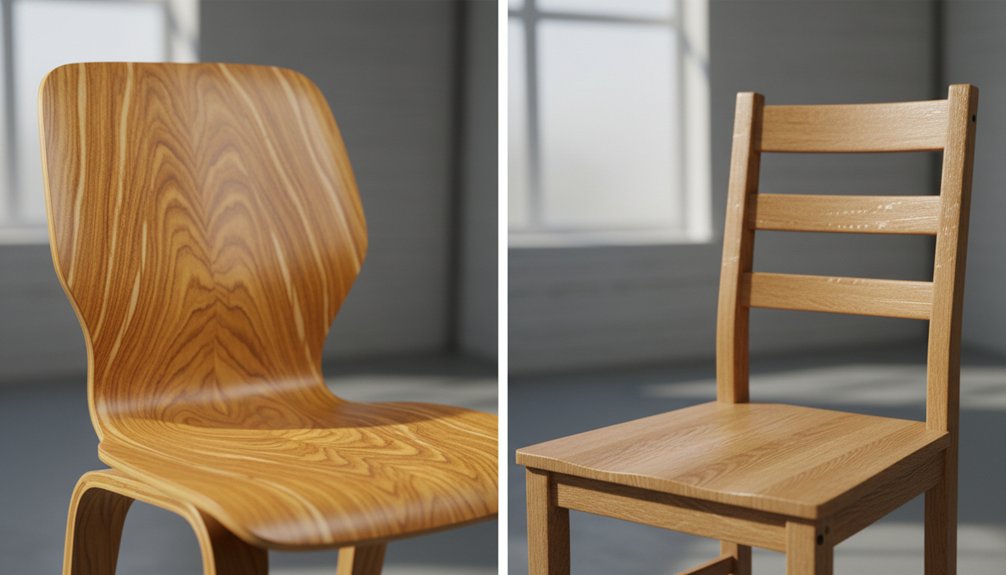
Mango wood furniture typically costs less upfront than oak furniture, with prices around $300 for a mango wood dining table compared to $600-$1,200 for an oak dining table. Mango wood offers better sustainability due to its 15-20 year harvest cycle, making it an eco-friendly choice. However, oak wood provides superior durability, lasting between 50-100 years, while mango wood lasts around 15-25 years. Oak also has a higher Janka hardness rating of 1,300, compared to mango’s rating of 1,070, indicating that oak is more resistant to dents and scratches.
In terms of resale value, oak retains 40-60% of its original value, whereas mango wood retains only 20-30%. Your decision should reflect your priorities: if you value budget and sustainability, mango wood may be the better option for you. If you prefer long-term investment and classic aesthetics, oak furniture is the more suitable choice. Both types of wood can fit various design styles and maintenance requirements, which will be explored further below.
Mango Wood vs Oak: Key Physical and Visual Differences
When choosing between mango wood and oak for furniture, focus on their specific characteristics to make an informed decision.
Mango wood is lighter and has a softer density than oak. Its golden-brown color features darker streaks and unique grain patterns. Spalting often appears in mango wood, creating attractive dark lines throughout the piece. This wood is less durable than oak, making it more susceptible to scratches and dents. However, mango wood’s exotic visual appeal can enhance the aesthetic of your space. Additionally, mango wood is considered eco-friendly as it is sourced from fruit-bearing trees, making it a sustainable choice for those conscious of environmental impact.
Mango wood offers distinctive golden-brown hues with spalted grain patterns, though its softer density means reduced durability compared to hardwoods.
In contrast, oak is a much harder and denser wood, resulting in a heavier material. There are two main types of oak: red oak, which has pinkish tones, and white oak, which exhibits cooler, gray undertones. Both varieties showcase prominent grain patterns with characteristic rays and flecks.
Oak’s durability makes it resistant to scratches and dents, making it a practical choice for furniture that sees heavy use.
Which Wood Lasts Longer? Durability and Hardness Compared
Oak wood lasts significantly longer than mango wood when used in furniture. Oak typically endures 50-100 years, while mango wood generally lasts 15-25 years under proper care. This longevity difference is important when considering furniture investments.
In terms of hardness, oak measures 1,300 on the Janka scale, indicating superior resistance to dents and scratches. Mango wood scores around 1,070, making it more prone to surface damage during regular use.
Oak’s dense grain structure contributes to its durability by preventing moisture damage and minimizing warping under heavy weight.
Mango wood has moderate hardness but shows wear patterns more quickly than oak. Additionally, mango wood is more susceptible to humidity fluctuations, which can further reduce its lifespan.
For furniture makers and buyers, understanding these durability and hardness differences is crucial for making informed choices about long-lasting furniture.
Mango Wood vs Oak Price: Which Offers Better Value?
When you compare the prices of mango wood and oak furniture, you’ll find that mango wood is generally more affordable than oak. For instance, a mango wood dining table may cost around $300, while an oak dining table can range from $600 to $1,200.
Choosing between these two types of wood involves understanding both the initial purchase price and the long-term value over the furniture’s lifespan.
Mango wood furniture is often less expensive due to its quicker growth rate and availability. In contrast, oak is a denser hardwood that takes longer to mature, resulting in higher prices. Therefore, if you’re on a tight budget, mango wood offers a better upfront cost.
However, oak tends to have better durability and longevity, which may save you money on replacements over time. Furniture for Every Room highlights the importance of considering specific usage when selecting materials for your home.
Consider the specific usage of your furniture. For example, if you need a coffee table that will endure heavy use, oak may be the wiser investment due to its sturdiness. If you’re furnishing a guest room with occasional use, mango wood could suffice without breaking the bank.
Ultimately, the choice between mango wood and oak should align with your budget, intended use, and your long-term furniture goals.
Evaluate the costs, durability, and aesthetics to determine which wood type will provide better value for your needs.
Initial Investment Comparison
Mango wood furniture costs significantly less than oak furniture, making it an appealing option for budget-conscious buyers. At checkout, mango wood pieces generally range from $400 to $800, while comparable oak furniture starts at $800 and can go up to $1,500. This price difference can make mango wood a practical choice for those furnishing entire rooms or setting up starter homes.
When considering long-term value, oak furniture offers durability that can last for decades. This means that the annual cost of ownership for oak might be lower despite the higher initial investment.
In contrast, mango wood furniture, while aesthetically pleasing, may need to be replaced sooner, especially in high-traffic areas like dining rooms or living spaces.
For a starter home or rental property, the affordability of mango wood furniture can be advantageous. However, if you’re looking for heirloom-quality pieces to pass down, investing in oak furniture is likely to provide better long-term value due to its longevity and sturdiness.
Ultimately, your choice between mango wood and oak should reflect your budget, usage needs, and the desired longevity of your furniture.
Long-Term Cost Analysis
When assessing the true cost of furniture, focus on the expected lifespan of each piece. Oak furniture typically lasts between 20 to 30 years, while mango wood furniture averages a lifespan of 10 to 15 years with proper maintenance. This difference in longevity means that oak’s higher upfront cost can offer a better value when you calculate the cost per year of use.
Additionally, consider the resale value of the furniture. Oak furniture retains approximately 40 to 60% of its original price in the secondary market, making it easier for you to recover your investment when you decide to sell. In contrast, mango wood furniture usually retains only about 20 to 30% of its value, which may not be as beneficial if you plan to sell or upgrade in the future.
If you intend to keep the furniture for an extended period, investing in mango wood may seem financially sensible due to its lower initial cost.
However, if there’s a possibility that you might sell or upgrade your furniture later, oak presents a more favorable financial return, due to its higher resale value and longer lifespan.
Comparing Grain, Color, and Visual Style
When comparing mango wood and oak furniture, you’ll see clear differences in their grain patterns and visual textures.
Mango wood features a varied grain with unique swirls and knots, while oak presents a more uniform and straight grain. These differences directly impact the overall aesthetic of your space.
Mango wood typically has warm, rich hues ranging from golden yellow to deep brown, often enhanced by its natural markings. In contrast, oak tends to have lighter tones, usually in shades of beige or light brown, with less variation in color.
When selecting wood for your furniture, consider how these color differences will fit into your existing design scheme.
For practical applications, if you’re aiming for a more rustic or eclectic look, mango wood can add character and depth. Additionally, the use of natural markings in mango wood can create a unique and personalized touch in your decor.
On the other hand, if your style leans toward a classic or contemporary feel, oak might be the better choice due to its timeless appearance.
Lastly, keep in mind that mango wood can be more susceptible to scratches and dents compared to the harder oak.
If durability is a concern, oak may offer better long-term resistance to wear.
Natural Grain Pattern Differences
Mango wood and oak each exhibit distinct grain patterns that significantly impact the aesthetic of furniture and the overall look of a room. Mango wood features wavy, irregular lines with varying spacing. This creates a dynamic, contemporary appearance that draws attention. In contrast, oak showcases straight, consistent lines and prominent rays that yield a traditional, uniform look.
| Feature | Mango Wood | Oak |
|---|---|---|
| Pattern Type | Wavy, unpredictable grain with swirling figures | Straight, parallel grain with medullary rays |
| Visual Style | Bold contrast between light and dark tones | Subtle appearance with gentle color variation |
| Overall Effect | Modern character with unique markings | Classic elegance with timeless appeal |
Choosing between these two types of wood affects your design choices. Mango wood suits modern and eclectic spaces, while oak complements traditional and formal environments. Understanding these grain patterns allows you to select the right wood for your design preferences.
When working with furniture, consider how the grain patterns of mango wood and oak create different visual impacts. The wavy grain of mango wood adds artistic flair, while the straight grain of oak offers a refined look. This knowledge helps you make informed decisions about material selection based on the desired aesthetic of your space.
Wood Color Tone Variations
Grain patterns and color tones work together to define the character of each type of wood, influencing their suitability for various spaces.
Mango wood features warm golden-brown hues with darker streaks, creating a color range from light tan to deep chocolate. This range results in striking color variations within individual pieces, making each furniture item distinct.
Oak, on the other hand, offers a more uniform appearance with lighter and cooler tones. White oak presents pale beige to light brown shades, while red oak has pinkish undertones. The color variations in oak are more subtle and predictable compared to mango wood.
When designing modern or eclectic spaces, the bold coloring of mango wood complements vibrant aesthetics.
In contrast, traditional or minimalist interiors benefit from the consistent and understated palette of oak.
Consider the existing colors in your space to guide your wood selection effectively.
Which Wood Is More Sustainable? Environmental Impact Breakdown
Mango wood is more sustainable than oak wood due to its harvesting process and rapid growth cycle. Mango trees are typically harvested after they stop producing fruit, which occurs around 15 to 20 years of age. This practice repurposes the wood instead of burning it as waste.
Mango wood repurposes fruit trees after their productive years, offering a sustainable alternative to slow-growing hardwoods like oak.
In contrast, oak trees require significantly longer to mature, taking anywhere from 60 to 150 years. This slow growth makes oak less sustainable in comparison.
Mango wood supports sustainable forestry practices because farmers continuously plant new mango trees for fruit production. This cycle ensures a steady supply of wood while promoting reforestation.
On the other hand, while oak furniture often comes with environmental certifications like FSC (Forest Stewardship Council) that guarantee responsible harvesting, the inherent nature of mango wood as upcycled agricultural waste means it often doesn’t require such certifications.
The carbon footprint associated with both types of wood also varies. Transporting mango wood from tropical regions can offset some of its environmental benefits, especially when compared to sourcing oak locally.
Therefore, while mango wood presents a more sustainable option overall, considerations such as transportation impact must be taken into account when evaluating its environmental performance.
Best Rooms and Design Styles for Each Wood Type
When selecting between mango wood and oak furniture, it’s important to understand how each wood type fits into various rooms and design styles based on their specific characteristics.
Mango wood enhances casual living spaces, bedrooms, and dining areas that aim for a relaxed, bohemian ambiance. Its warm golden tones and unique grain patterns align well with tropical, contemporary, and eclectic design styles.
Mango wood furniture creates inviting conversation areas and introduces organic texture, making it a great choice for modern interiors. For example, a mango wood dining table can serve as a focal point in an informal dining setting, encouraging a laid-back atmosphere.
In contrast, oak furniture thrives in more formal environments such as home offices, traditional dining rooms, and master bedrooms. Oak’s durability and classic look make it suitable for craftsman, farmhouse, and traditional design styles.
Oak pieces can anchor sophisticated spaces, providing a sense of timeless elegance. For instance, an oak desk can elevate the professionalism of a home office, while oak dining chairs add refinement to a formal dining room.
Oak’s neutral tones blend effortlessly with both warm and cool color palettes, enhancing its versatility across different decorating schemes.
Understanding these characteristics will help you make informed decisions about which wood type best suits your intended design and space.
Maintenance and Care: Mango Wood vs Oak Requirements
Maintaining the appearance and longevity of mango wood and oak furniture requires specific actions tailored to each material. Both types of wood need regular cleaning and protective measures to stay in great shape.
Cleaning Frequency: Dust mango wood and oak furniture weekly using a soft cloth. This keeps dirt and debris from building up and damaging the surface.
Deep Cleaning: Perform Deep Cleaning on both mango wood and oak furniture once a month. Use a damp cloth with mild soap to remove any stubborn grime without harming the finish.
Protective Finishes: Apply an oil-based sealant on mango wood every 6 to 12 months for optimal protection. In contrast, use polyurethane or wax on oak furniture once a year to maintain its durability and shine.
Moisture Sensitivity: Mango wood has high Moisture Sensitivity; avoid wet conditions to prevent warping or damage. Oak has moderate water resistance, making it less susceptible to moisture-related issues, but it’s still wise to keep it dry.
Refinishing Needs: Expect to refinish mango wood every 3 to 5 years to keep its surface looking fresh. Oak typically requires refinishing every 5 to 10 years, reflecting its sturdier nature.
In summary, mango wood requires more consistent maintenance due to its softer characteristics, while oak’s durability allows for less frequent care.
Understanding these specific maintenance needs helps preserve the beauty and functionality of your furniture over time.