

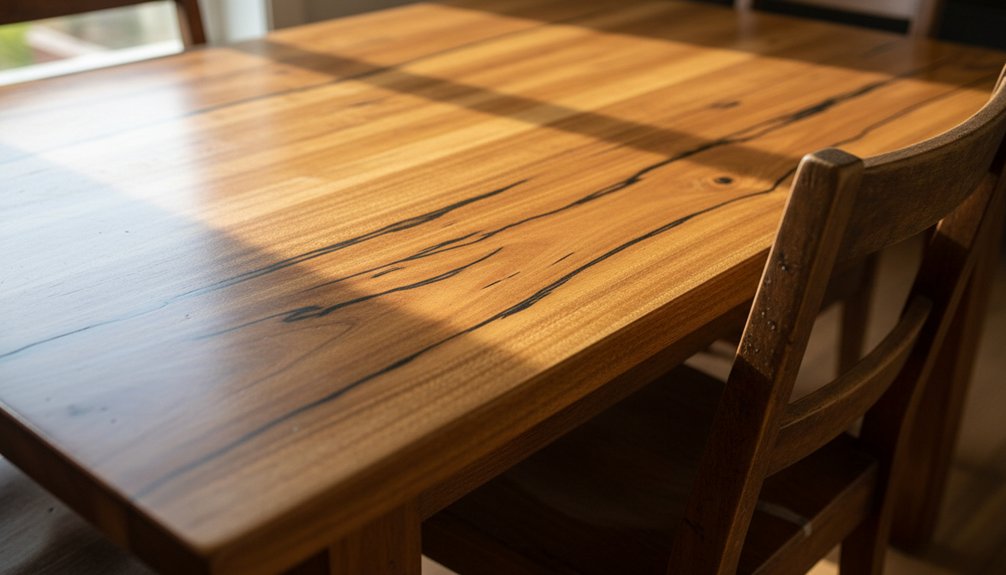
Mango wood furniture features a Janka hardness rating of 1,600. This rating indicates that mango wood is more resistant to scratches than oak and walnut, while typically costing 30-50% less. Manufacturers source mango wood after the trees complete their 15-20 year fruit-bearing cycle. This practice ensures a sustainable furniture option with unique grain patterns that range from golden to deep brown.
With proper care, mango wood furniture lasts between 10 to 15 years. It performs best in stable indoor environments where moisture levels are controlled. To help you maintain your mango wood furniture, I will provide guidance on maintenance techniques, finishing options, and specific recommendations for different rooms.
Regular maintenance involves cleaning with a soft, damp cloth to remove dust and debris. Avoid using harsh chemicals that can damage the finish. For finishing, consider applying a natural oil or wax to protect the wood and enhance its appearance.
In terms of room-specific recommendations, mango wood furniture works well in living rooms and dining areas. However, avoid placing it in high-moisture areas like bathrooms or basements, as excessive humidity can lead to warping and deterioration.
By understanding these properties and best uses, you can maximize your investment in mango wood furniture.
What Is Mango Wood and Why Furniture Makers Use It?
Mango wood is sourced from tropical mango trees, which produce sweet fruit for about 15-20 years. Once these trees stop yielding fruit, farmers cut them down to harvest the timber. This practice prevents waste and makes mango wood a sustainable choice for furniture manufacturing.
Mango wood features unique grain patterns with color variations that range from light golden hues to deep browns with darker streaks.
Furniture makers value mango wood for its workability and durability. These qualities enable craftsmen to produce both modern and traditional furniture pieces. Additionally, its eco-friendly attributes align with the growing consumer preference for sustainable materials.
As the demand for sustainable materials increases, more manufacturers and consumers are choosing mango wood for its eco-friendly attributes.
How Durable Is Mango Wood Furniture Compared to Oak and Walnut?
When comparing mango wood furniture to oak and walnut, you need to focus on durability. Mango wood has a Janka hardness rating of about 1,600, which makes it moderately durable. In contrast, oak has a hardness rating of approximately 1,300 to 1,400, while walnut is rated around 1,000 to 1,200. This means mango wood generally resists dents and scratches better than both oak and walnut.
Mango wood furniture can handle everyday wear and tear effectively, making it a practical choice for households with high traffic. However, mango wood may not be as resistant to moisture as oak or walnut. Therefore, if you’re considering furniture for humid environments, oak or walnut might be a better option.
In practical terms, if you invest in mango wood furniture, expect it to last several years with proper care. Regular maintenance, like polishing, can extend its lifespan.
In contrast, oak and walnut furniture can often last decades, particularly in less demanding environments.
Ultimately, mango wood offers a good balance of durability and aesthetics for those looking for unique furniture. However, if extreme durability is your primary concern, oak or walnut might be the better investment.
Mango Wood Hardness Rating
Mango wood has a Janka hardness rating of approximately 1,070 pounds-force (lbf), placing it within the medium-hardness category of hardwoods. This rating indicates that mango wood offers a suitable balance of durability and workability for various furniture applications.
For comparison, red oak has a hardness rating of around 1,290 lbf, while black walnut comes in at about 1,010 lbf. This means mango wood is a viable option between these two well-known hardwoods.
Mango wood is appropriate for making dining tables, chairs, and shelving units due to its moderate hardness. Under normal use, mango wood surfaces won’t experience excessive denting or scratching. However, dragging heavy objects across these surfaces can lead to damage.
The hardness level of mango wood provides adequate durability for most household furniture needs without the higher price tag associated with harder woods.
Comparative Longevity Analysis
Mango wood furniture typically lasts 10-15 years with proper care and regular use. In contrast, oak furniture often lasts 20-25 years, while walnut pieces generally last 15-20 years.
This longevity difference primarily arises from mango wood’s lower density and its higher susceptibility to moisture damage. Mango wood performs best in controlled indoor environments where humidity levels remain stable.
Mango wood lacks the extended lifespan of oak or walnut, but it offers an attractive and budget-friendly option for homeowners. For moderate use, mango wood provides adequate durability.
However, potential buyers should be aware that mango wood may not withstand heavy wear or extreme environmental conditions as well as oak or walnut.
Resistance to Wear
Mango wood provides moderate wear resistance, making it a good choice for everyday use in furniture. It sits between softer woods like pine and poplar and harder hardwoods like oak. While mango wood can handle typical daily impacts reasonably well, it doesn’t match oak’s high durability.
In terms of scratch resistance, oak outperforms mango wood due to its tight grain structure, followed by walnut and then mango.
Mango wood has a medium density of about 650 kg/m³, which means you’ll see surface marks more easily than on denser woods. However, it does hold up better against wear compared to softer woods like pine and poplar.
To protect mango wood furniture, use coasters, placemats, and felt pads under items to minimize damage. Regular application of appropriate wood oils can enhance the finish and the protective layer of the wood.
In moderate-traffic areas, mango wood performs well without requiring frequent refinishing. This combination of wear resistance and ease of maintenance makes mango wood a practical choice for furniture that needs to endure daily use.
What Mango Wood Furniture Actually Costs?
Understanding Mango Wood Furniture Costs****
Mango wood furniture typically ranges from $100 to $5,000, depending on the type and size of the furniture. Knowing these price ranges helps you plan your furniture budget effectively.
Mango wood is a sustainable hardwood that generally costs less than traditional options like oak or walnut, making it a popular choice for budget-conscious buyers.
Price Ranges for Mango Wood Furniture:
- Small Accent Pieces: Expect to pay between $100 and $300 for items like side tables or shelves. These pieces provide an affordable way to add mango wood to your decor.
- Medium Furniture: Coffee tables and chairs usually fall within the $300 to $700 range. This price reflects the balance of quality and functionality that mango wood offers.
- Large Items: For dining tables and beds, prices range from $700 to $2,000. The size and craftsmanship involved in these pieces often contribute to the higher costs.
- Premium Collections: Complete bedroom sets can range from $2,000 to over $5,000. These sets typically feature intricate designs and superior craftsmanship.
Several factors affect these prices. For example, handcrafted mango wood pieces generally cost more than mass-produced items due to the labor and skill required.
Additionally, the complexity of the finish and design can also impact the final price. Overall, mango wood furniture provides excellent value compared to similar hardwood options.
Why Mango Wood Is an Eco-Friendly Furniture Choice
When mango trees reach the end of their productive life after about 15 to 20 years, farmers typically cut them down and burn them to clear space for new crops.
By using mango wood for furniture, we turn this waste into a valuable resource. Choosing mango wood prevents unnecessary burning and reduces carbon emissions.
This practice also provides financial benefits to farmers. Farmers earn additional income by selling their old trees instead of simply disposing of them.
This eco-friendly approach promotes better land management and supports rural communities.
Mango trees grow faster than traditional hardwoods like oak and mahogany, which can take decades to mature.
By selecting mango wood, you choose a renewable resource that doesn’t contribute to deforestation.
The furniture industry reclaims wood that would otherwise be burned, creating a circular economy that benefits both the environment and local economies.
Mango Wood Grain Patterns and How to Choose Finish Colors
Mango wood features unique grain patterns that give each furniture piece its character. You can find variations in the grain, such as straight lines, subtle curves, and dramatic swirls. These patterns influence how you should select pieces to fit your décor.
Mango wood’s distinctive grain patterns—from straight lines to dramatic swirls—give each furniture piece unique character that shapes your décor choices.
Mango wood colors range from light golden to deep brown, with darker heartwood creating distinct contrasts.
When choosing a finish for mango wood, consider these factors:
- Natural oil finishes enhance the wood grain, highlighting its organic look without altering its natural beauty.
- Dark stains accentuate bold grain patterns and help conceal minor flaws in the wood.
- Light finishes bring out the wood’s golden hues, contributing to a fresh, modern aesthetic.
- Matte coatings protect the surface while maintaining a non-reflective appearance.
Mango wood’s adaptability to various finishes allows you to coordinate with existing furniture styles effectively.
Always remember that the finish can significantly impact the final look and feel of your piece, so choose wisely based on your design goals.
Which Mango Wood Furniture Pieces Work Best by Room?
Choosing the right mango wood furniture for each room involves understanding the function of the space and daily needs. Specific pieces suit particular areas of your home based on their size, style, and practical use. Below, I’ll break down which mango wood furniture works best in your living room, bedroom, and dining area.
Living Room: Select Functional Mango Wood Furniture
In the living room, prioritize mango wood coffee tables and entertainment units. A sturdy coffee table provides a central spot for drinks and decor, while an entertainment unit offers storage for electronics and media. It’s essential to maintain at least 30 inches of clearance for walkways to facilitate movement around your furniture.
Consider a mango wood side table for extra surface area beside a sofa. Avoid oversized pieces in small living rooms, as they can make the space feel cramped.
Bedroom: Choose Comfortable Mango Wood Furniture
In the bedroom, opt for mango wood beds and dressers. A solid mango wood bed frame adds durability and style, while a matching dresser provides storage for clothes and accessories.
A mango wood nightstand is useful for holding lamps and personal items. Steer clear of bulky furniture in smaller bedrooms to maintain an open feel.
Dining Area: Utilize Practical Mango Wood Furniture
In the dining area, select mango wood dining tables and chairs. A robust dining table serves as the centerpiece for family meals, while comfortable chairs encourage long dinners.
A mango wood sideboard can offer additional storage for dishes and utensils. Avoid using too many pieces in a small dining area, as this can limit movement and accessibility.
Living Room Mango Pieces
Mango wood furniture provides durable and visually appealing options for living room design. This hardwood features distinct grain patterns and warm tones that create an inviting atmosphere while handling everyday use effectively.
Mango wood suits various design styles, including modern minimalism and rustic farmhouse.
Essential living room pieces made from mango wood include:
- Coffee tables: Mango wood coffee tables offer low-maintenance surfaces that resist scratches and water rings. They provide a practical spot for beverages and snacks during gatherings.
- TV stands: Mango wood TV stands feature sturdy construction that supports heavy electronics. They also include ample storage for media devices and accessories, ensuring a tidy living space.
- Bookcases: Mango wood bookcases utilize open shelving to display décor and books. Their robust design prevents sagging, allowing you to showcase your collection without worry.
- Accent chairs: Mango wood accent chairs feature solid frames that guarantee comfort and structural integrity. These chairs enhance seating options while complementing the overall aesthetic.
Each of these mango wood pieces adds both functionality and visual appeal to your living room.
The unique natural variations in the wood ensure that no two items are identical, contributing to the character of your space.
Bedroom Furniture Options
Mango wood furniture offers durability and aesthetic appeal, making it an excellent choice for bedroom furniture. This type of wood has warm tones and distinct grain patterns that complement various bedroom styles. You can find practical storage solutions that enhance functionality while adding visual interest.
| Furniture Piece | Key Features | Best Bedroom Styles |
|---|---|---|
| Platform Beds | Sturdy frames, natural finish | Modern, rustic, bohemian |
| Dressers | Multiple drawers, solid construction | Traditional, contemporary |
| Nightstands | Compact design, drawer space | All styles |
| Wardrobes | Vertical storage, hanging space | Minimalist, farmhouse |
| Benches | End-of-bed placement, open storage | Shifted, eclectic |
Mango wood furniture withstands daily wear from regular use, ensuring it maintains its appearance over time. For example, platform beds provide a strong foundation while enhancing the room’s design. Dressers offer ample storage with multiple drawers, while nightstands add convenience with their compact design. Wardrobes maximize vertical space for hanging clothes, and benches provide extra storage at the end of the bed.
Each piece of mango wood furniture supports various bedroom styles, making it versatile in design. However, ensure that your chosen pieces fit your specific space and style needs to maximize their benefits.
Dining Area Essentials
When you furnish your dining area, selecting mango wood furniture enhances both practicality and aesthetics for daily meals.
Mango wood features natural grain patterns and warm tones that create an inviting space for family and friends. This durable material withstands everyday use while preserving its appealing look.
Consider these essential mango wood pieces for your dining area:
- Dining table – Choose a table that comfortably fits your family and any guests. Measure your space to ensure the right size.
- Dining chairs – Select dining chairs with cushioned seats to enhance comfort during long meals. Ensure the height suits your table for a proper fit.
- Buffet cabinet – Use a buffet cabinet to store dishes, linens, and serving utensils within easy reach. Ensure it has enough storage space for your needs.
- Display hutch – A display hutch showcases decorative items and provides additional storage. Look for one that complements your dining table and chairs.
These mango wood furniture pieces work together to offer practical solutions for your dining area.
You’ll find that mango wood’s resistance to scratches and stains maintains a fresh look over time.
Remember to regularly clean and care for your furniture to keep it in optimal condition.
How to Clean and Protect Mango Wood Furniture?
Mango wood furniture needs regular cleaning and protection to maintain its appearance and durability. Dust surfaces weekly using a soft, dry cloth to remove dirt and prevent scratches.
For deeper cleaning, lightly dampen a cloth with mild soap, wipe the furniture, and immediately dry it to prevent water damage. Avoid using harsh chemicals or abrasive cleaners, as these can strip mango wood of its natural oils and lead to deterioration.
Apply protective coatings like furniture wax or wood oil every three to six months. This will help maintain the finish and prevent cracking.
Use coasters under drinks and placemats during meals to protect the wood from heat and moisture rings. Position mango wood furniture away from direct sunlight and heating vents, as exposure can cause warping and fading over time.
Consistent care will ensure your mango wood furniture remains beautiful and lasts for years.
Common Mango Wood Furniture Problems and How to Fix Them
Mango wood furniture can face various issues, even with regular care. Understanding these common problems and their solutions will help you maintain your furniture effectively. Consistent maintenance prevents minor issues from escalating into major repairs.
Regular maintenance of mango wood furniture prevents small problems from becoming costly repairs, keeping your pieces beautiful and functional longer.
Common Problems and Solutions:
- Water Rings and Stains: To remove white water rings, gently rub mayonnaise or toothpaste on the affected area. Afterward, wipe the surface clean and apply a wood polish to restore shine.
- Surface Scratches: For shallow scratches, use a matching wood marker or walnut meat to fill in the scratches. Buff the area gently to blend the repair with the surrounding wood.
- Warping or Cracking: To prevent warping or cracking, maintain humidity levels between 40-60%. Keep mango wood furniture away from heat sources like radiators or direct sunlight.
- Fading Color: To combat fading, regularly apply furniture oil or wax as part of your care routine. This application helps restore the wood’s natural luster and protects against further fading.
These straightforward fixes can significantly extend the lifespan of your mango wood furniture, ensuring it remains in good condition for years to come.