

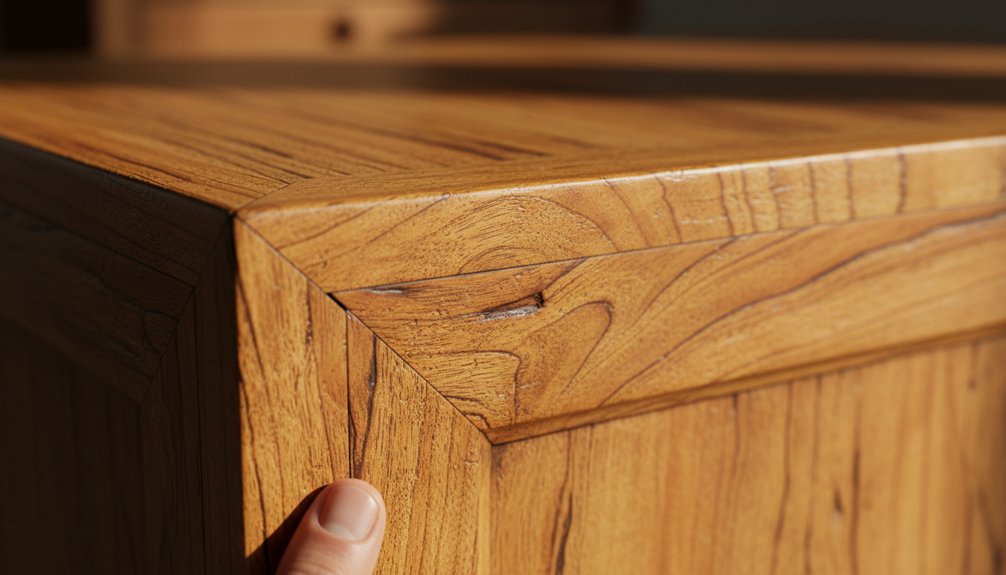
Mango wood furniture typically lasts between 15 to 20 years when you maintain it properly. This wood has a Janka hardness rating of 1,070, making it softer than oak or walnut. Because of this softness, mango wood is more susceptible to scratches and dents, especially in high-traffic areas of your home.
To keep your mango wood furniture in good condition, apply protective finishes every 12 to 18 months. Regularly keeping the furniture out of direct sunlight and promptly cleaning up spills will help prevent moisture damage. Over time, mango wood actually enhances in appearance, transitioning from honey tones to a deeper amber as it ages.
For specific maintenance techniques, you should regularly dust the surface with a soft cloth to prevent dirt buildup. Use coasters and placemats to avoid heat and moisture damage. If a scratch occurs, you can lightly sand the area and reapply the finish to restore its look. Following these practices will extend the lifespan of your mango wood furniture.
How Long Does Mango Wood Furniture Last?
Mango wood furniture lasts between 15 to 20 years when properly maintained. The actual lifespan depends on construction quality and the owner’s commitment to care.
With proper care and quality construction, your mango wood furniture can serve you faithfully for 15 to 20 years.
To extend your mango wood furniture’s life, clean spills immediately and dust regularly. Apply wood polish every few months to maintain its finish. Mango wood has natural density, which helps it resist everyday wear and tear.
As you care for mango wood furniture, you’ll notice that its aesthetics improve over time. The grain patterns develop a richer patina, adding character to each piece.
However, be cautious of extreme humidity and direct sunlight, as these conditions can significantly reduce the lifespan of mango wood furniture.
Is Mango Wood as Hard as Oak or Walnut?
Mango wood has a Janka hardness rating of around 900, which places it below oak and walnut. Oak typically rates between 1,200 and 1,400, while walnut measures around 1,000 to 1,200 on the Janka scale. This means that oak is generally the hardest, followed closely by walnut, with mango wood being softer than both.
When assessing how mango wood performs in practical applications, consider its density and real-world wear. Mango wood’s density is lower than that of oak and walnut, which can affect durability in high-traffic furniture scenarios. For example, a dining table made from oak or walnut will likely withstand daily use better than one made from mango wood.
It’s essential to recognize the limitations of mango wood. Due to its lower hardness, it may dent or scratch more easily than oak or walnut, especially in environments with heavy use, such as busy homes or commercial spaces. Additionally, solid wood furniture crafted from mango wood is often eco-friendly, making it a sustainable choice for those who prioritize environmental considerations.
While mango wood can be appealing for its unique appearance and cost-effectiveness, it may not be the best choice for every application.
Janka Hardness Scale Comparison
The Janka hardness test measures wood’s resistance to denting and wear, which is crucial for evaluating different wood species for furniture. Mango wood has a hardness rating of 1,070 on the Janka scale, categorizing it as moderately hard. Red oak, a commonly used hardwood, scores higher at 1,290, while walnut has a slightly lower rating at 1,010.
Mango wood’s hardness positions it between these two popular options, providing sufficient durability for various furniture applications. Mango wood’s density allows it to take finishes well, which further enhances its natural wear resistance. This combination of hardness and the sustainable sourcing of mango wood makes it a viable choice for furniture manufacturing.
When properly maintained, mango wood furniture can endure regular use without showing significant dents or surface damage. Limitations do exist; for instance, while mango wood is durable, it may not be as resistant to heavy impacts as harder woods like hickory or maple.
Therefore, it’s essential to consider the intended use and potential wear factors when selecting mango wood for specific furniture pieces.
Mango Wood Density Ratings
Mango wood has a density range of 37 to 42 pounds per cubic foot. This density places mango wood firmly in the medium-density category, which is important for both its structural integrity and durability.
Compared to softer woods like pine, mango wood offers more strength, yet it remains lighter than denser hardwoods like oak.
The moderate density of mango wood enhances its workability. Craftsmen can easily cut, shape, and finish mango wood, making it a practical choice for various furniture projects.
This ease of manipulation doesn’t compromise the wood’s strength, allowing for the creation of sturdy furniture pieces that withstand daily use.
Mango wood’s density also influences its weight, stability, and resistance to warping. This balanced density means that furniture made from mango wood isn’t only durable but also light enough for effortless rearrangement in your home.
Practical Wear Test Results
Mango wood has a Janka hardness rating of 1,070 pounds-force, which indicates moderate hardness. This rating places mango wood below oak, which rates at 1,290, and above walnut, which rates at 1,010.
As a result, mango wood furniture will show scratches more easily than oak furniture, but it offers better wear resistance than walnut.
In practical terms, mango wood tables can develop surface marks from regular use within six months if not protected.
To enhance the durability of mango wood furniture, follow these maintenance steps: use coasters and placemats to prevent scratches, and place furniture pads under decorative items to avoid dents.
Additionally, apply wood oil every three months to preserve the finish and protect the surface.
How Well Does Mango Wood Resist Scratches and Daily Wear?
Mango wood ranks moderately in scratch resistance, making it essential to evaluate when selecting furniture for daily use. The Janka hardness scale measures mango wood at around 1,070 pounds-force. This rating indicates that mango wood is softer than oak but harder than pine.
Although mango wood doesn’t resist scratches as well as maple or walnut, applying a high-quality finish can enhance its durability.
The scratch resistance of mango wood furniture is influenced by three primary factors:
- Surface finish quality: High-quality finishes, such as polyurethane or lacquer, form a protective barrier that significantly increases scratch resistance.
- Wood grain density: Tighter wood grain patterns provide better resistance to surface damage, making furniture less prone to scratches.
- Placement location: Positioning mango wood furniture in high-traffic areas can lead to accelerated wear and tear, affecting its overall longevity.
For daily maintenance, implement straightforward practices. Use coasters under drinks, placemats under hot dishes, and felt pads under decorative items.
These measures help protect your mango wood furniture from scratches and extend its lifespan considerably.
Can Mango Wood Handle Moisture and Humidity?
Mango wood has moderate natural resistance to moisture, but it isn’t fully waterproof like teak or other high-end hardwoods. The density of mango wood allows it to handle occasional spills and humidity better than softer woods, but prolonged exposure to water can still lead to issues such as warping, cracking, or mold growth.
To protect mango wood furniture and extend its lifespan, you should implement specific measures against water damage, particularly in humid climates or areas with high moisture levels. Regularly applying a water-repellent finish can help create a barrier against moisture.
Additionally, promptly wiping up spills and avoiding placing mango wood items in direct contact with water will help maintain the integrity of the wood.
Mango Wood’s Natural Resistance
Mango wood has a natural ability to resist moisture, making it suitable for humid environments. Mango wood originates from tropical climates, where it adapts to high humidity levels better than many hardwoods from temperate regions.
The wood contains natural oils that create a barrier against moisture damage and warping. These characteristics make mango wood a sensible option for furniture used in various settings.
Mango wood offers key protective features:
- Natural oils form a barrier that prevents water from penetrating and minimizes the risk of cracking.
- Insect resistance helps keep common wood-boring pests at bay, although termites can still damage untreated wood.
- The dense grain structure enhances protection against environmental stressors.
However, mango wood isn’t completely waterproof. While it performs well in everyday humidity, prolonged exposure to standing water or extreme moisture can lead to damage over time.
When considering mango wood for furniture, keep in mind its limitations and take care to avoid excessive moisture exposure to maintain its integrity.
Protecting Against Water Damage
Mango wood has a natural resistance to moisture, but it still requires regular maintenance to protect against water damage. Apply waterproof finishes every 12-18 months to create a moisture barrier that seals the wood’s pores. This barrier prevents water from penetrating and causing issues such as warping, cracking, or discoloration.
Wipe up spills immediately, even on treated surfaces, because prolonged exposure can damage the finish. Avoid placing mango wood furniture in humid areas like bathrooms without proper ventilation, as high humidity can lead to deterioration.
Use coasters under glasses and placemats under hot dishes to prevent condensation rings from forming on the surface. Additionally, position mango wood furniture away from humidifiers, air conditioners, and windows where temperature changes can create excessive moisture.
How to Make Your Mango Wood Furniture Last Decades
To ensure your mango wood furniture lasts for decades, you must follow specific maintenance practices. Mango wood is more resistant to decay than many softwoods, but proper care is essential for longevity. By implementing the following maintenance tips, you can keep your furniture both beautiful and functional for years.
Apply protective finishes regularly. You should apply a protective finish every 12 to 18 months. This seals the wood and protects it from moisture and environmental damage, preventing warping and cracking.
Position furniture strategically. Keep your mango wood furniture away from direct sunlight. This helps prevent fading and degradation caused by UV exposure.
Maintain humidity levels. Keep indoor humidity between 40% and 60%. This helps minimize wood expansion and contraction, reducing the risk of damage.
Clean spills promptly. When spills occur, clean them immediately using a soft cloth. This prevents moisture from penetrating the wood grain, which can lead to long-term damage.
Conduct regular inspections. Check your furniture for minor issues regularly. Tighten any loose hardware and address scratches quickly. This helps maintain the structural integrity of your mango wood furniture.
What Does Well-Aged Mango Wood Look Like?
Well-aged mango wood furniture changes noticeably over time. As the wood ages, its color deepens from honey to a rich amber or dark brown. These color changes add character, which many collectors find appealing.
The grain patterns become more defined, showing intricate lines and swirls that weren’t as visible when the wood was new.
A natural patina develops on well-aged mango wood, giving it a subtle sheen from years of use and light exposure. High-contact areas, such as armrests and tabletops, may darken slightly, enhancing the vintage look.
Small surface checks or minor cracks can form, especially in dry climates. These imperfections usually contribute to the furniture’s charm rather than detract from it.