
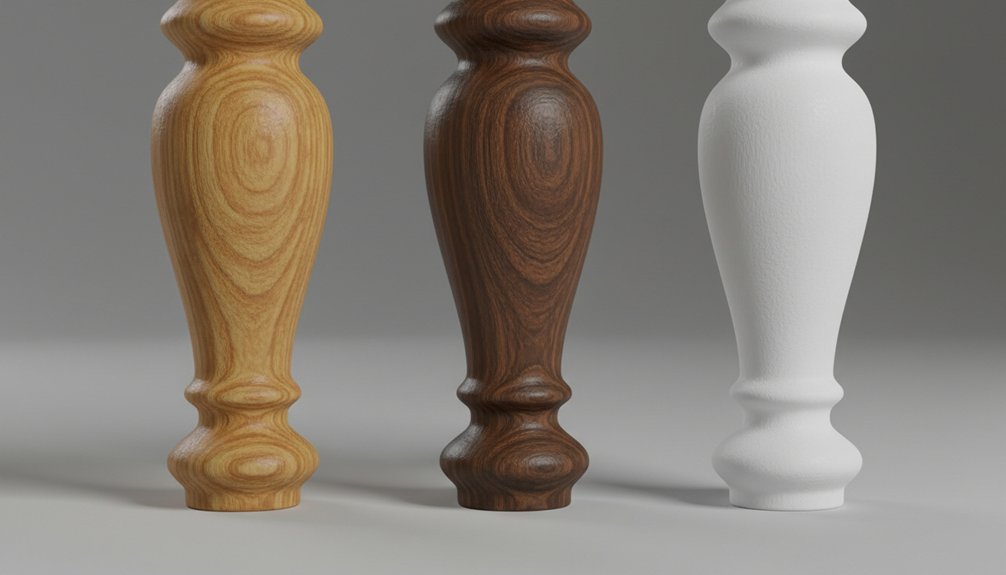
Mango wood furniture finishes offer a range of options that enhance the wood’s natural beauty. You can apply natural oils, like tung or Danish oil, to accentuate the golden grain of mango wood. Alternatively, you can use gel or oil-based stains to introduce rich mahogany or gray tones. Hand-painted finishes allow for custom colors that make a statement in any space.
Mango wood has a medium-density cellular structure that absorbs color evenly, which prevents blotching during the staining process. This makes mango wood versatile for any room in the home. For minimalist spaces, natural finishes create a clean look. In contrast, stained options with polyurethane topcoats provide durability, making them suitable for high-traffic areas.
If you have an active household, consider using protective sealants. These sealants can withstand daily wear and tear, keeping your furniture looking its best. Below, I will explain how to choose the right finish based on your lifestyle needs.
Why Mango Wood’s Grain and Density Work With Any Finish
Mango wood features a diverse grain pattern that includes straight and slightly interlocked configurations. This variety allows mango wood to accept stains and finishes uniformly, making it a reliable choice for woodworking projects.
The wood density of mango is classified as medium, which means that it has the right level of porosity to absorb finishes effectively while ensuring stability during application.
Mango wood’s medium density provides optimal porosity for effective finish absorption while maintaining structural stability throughout the application process.
When you apply a stain or finish to mango wood, the cellular structure allows for proper penetration without excessive absorption. This characteristic helps prevent common issues like blotching and uneven color distribution that often occur with softer woods.
The unique grain patterns of mango wood add visual interest, whether you decide to use natural, stained, or painted finishes.
For practical applications, oil-based and water-based products work well with mango wood. The wood’s ability to absorb these finishes means you can achieve consistent results across various finishing techniques. This reliability makes mango wood an excellent choice for furniture projects where a consistent appearance is crucial.
However, it’s important to note that while mango wood performs well with a variety of finishes, some extreme conditions—like high humidity or direct sunlight—can affect the final look. Always consider these factors when planning your project. Additionally, understanding proper furniture placement can enhance the overall aesthetic and functionality of your finished pieces.
Comparing Mango Wood Finishes by Durability and Upkeep
When you select a finish for mango wood furniture, you must consider the balance between durability and maintenance.
Natural oil finishes require reapplication every six months, which means you’ll need to invest time in upkeep. However, they allow for easy spot repairs, making them a good choice if you expect minor dings and scratches.
Stained finishes with polyurethane topcoats deliver robust protection against scratches and water damage. The downside is that when these finishes get damaged, touching them up is more challenging. You’ll likely need to sand the affected area before applying a new coat.
Paint finishes provide the most durable surface for heavy-use furniture. However, if chips occur, you’ll need to sand down the area and repaint, which can be labor-intensive and time-consuming.
In summary, low-maintenance options like polyurethane require less frequent care compared to natural oils.
However, the trade-off is that oils penetrate the wood, allowing for straightforward repairs.
In contrast, film finishes such as paint and varnish demand more effort for repairs due to their surface nature. Quality joinery techniques can significantly enhance the overall durability of your furniture, making it less susceptible to damage despite the finish used.
Your choice should depend on how you use the furniture and how much maintenance you’re willing to commit to.
Natural Oil and Wax Mango Wood Finishes That Showcase Grain
Natural oil and wax finishes effectively highlight mango wood‘s unique grain patterns and warm golden-brown tones. Applying natural oil penetrates the wood fibers, enhancing color and offering moisture protection. To achieve optimal results, apply thin coats of oil using a clean cloth. Allow each coat to absorb completely before adding the next layer. Tung oil and Danish oil are particularly effective for finishing mango wood furniture. Wax finishes create a smooth, lustrous surface on mango wood. Buffing the wax allows you to achieve your desired sheen level, ranging from a subtle matte finish to a gentle gloss.
These wax finishes require reapplication every few months to maintain their appearance. To refresh the surface, clean the wood and apply fresh oil or wax when the wood looks dry. Both oil and wax finishes require regular maintenance, but they’re straightforward to apply, ensuring that the beauty of mango wood remains prominent. Additionally, using traditional furniture styles can enhance the overall aesthetic when paired with mango wood finishes, making each piece a striking focal point in your home.
Stained Mango Wood Finishes for Richer Color and Depth
Mango wood benefits from staining because it allows you to alter its color to fit your design needs. Staining mango wood provides deeper browns, rich mahogany tones, or gray finishes. The staining process involves applying a product that penetrates the porous surface of the wood, resulting in a durable color change.
Staining mango wood transforms its natural color into deeper browns, rich mahoganies, or modern grays to match your design vision.
When you stain mango wood, the natural texture variation of the wood becomes more pronounced. The lighter grain patterns absorb less stain compared to the denser areas, leading to a striking contrast that enhances visual depth.
You can choose between gel stains for controlled application or traditional liquid stains for deeper absorption. Water-based stains dry quickly and have a low odor, while oil-based stains deliver richer color saturation. After staining, always apply a protective topcoat to seal and safeguard your furniture investment.
Keep in mind that not all stains work the same on mango wood. Some stains may not penetrate as effectively, especially if the wood hasn’t been properly prepared. Always ensure the wood surface is clean and sanded before applying any stain to achieve the best results.
Hand-Painted Mango Wood Finishes for Custom Bold Looks
Hand-painted finishes on mango wood furniture provide unlimited opportunities for creative expression. This approach allows artisans to turn ordinary pieces into stunning focal points that enhance any décor. By applying custom color combinations, artists create unique designs on natural or stained mango wood, featuring geometric patterns, florals, or abstract motifs.
During the painting process, artisans use multiple layers of specialty furniture paint, followed by protective sealants to ensure durability. Hand-painted mango wood furniture comes in a range of vibrant hues, from bold jewel tones to soft pastels. Many artisans also incorporate traditional techniques, such as distressing or color washing, to add depth and character to the finishes.
These custom finishes are particularly effective on accent pieces like cabinets, chairs, and decorative tables, where the artistic flair contributes significantly to the room’s overall personality.
Limitations exist in the hand-painting process. For instance, certain paint types may not adhere well to all mango wood surfaces, and excessive moisture can damage the finishes. Therefore, selecting the right paint and applying it in a controlled environment is crucial.
Choosing Your Mango Wood Finish by Room and Lifestyle
To determine the best mango wood finish for different areas in your home, evaluate the style and purpose of each space. Focus on how the finish impacts the room’s aesthetics and durability based on daily use and traffic.
Living Rooms: Choose natural or stained finishes that highlight the wood grain. These finishes add warmth and enhance the inviting atmosphere of the living room.
Kitchens and Dining Areas: Select durable, sealed finishes that withstand moisture and daily wear. These finishes protect the wood from spills and scratches, ensuring longevity in high-use areas.
Bedrooms: Opt for softer painted finishes that promote a calming environment. These finishes can match your bedroom decor and create a serene atmosphere for relaxation.
Entryways: Use finishes with protective topcoats to guard against scuffs and dirt. High-traffic entryways require finishes that can handle frequent use without showing wear.
For active households with children or pets, prioritize finishes that include protective sealants. If you want low-maintenance furniture, darker stains are ideal as they conceal scratches effectively.
Light natural finishes work well in minimalist spaces, while bold painted options suit eclectic styles.