

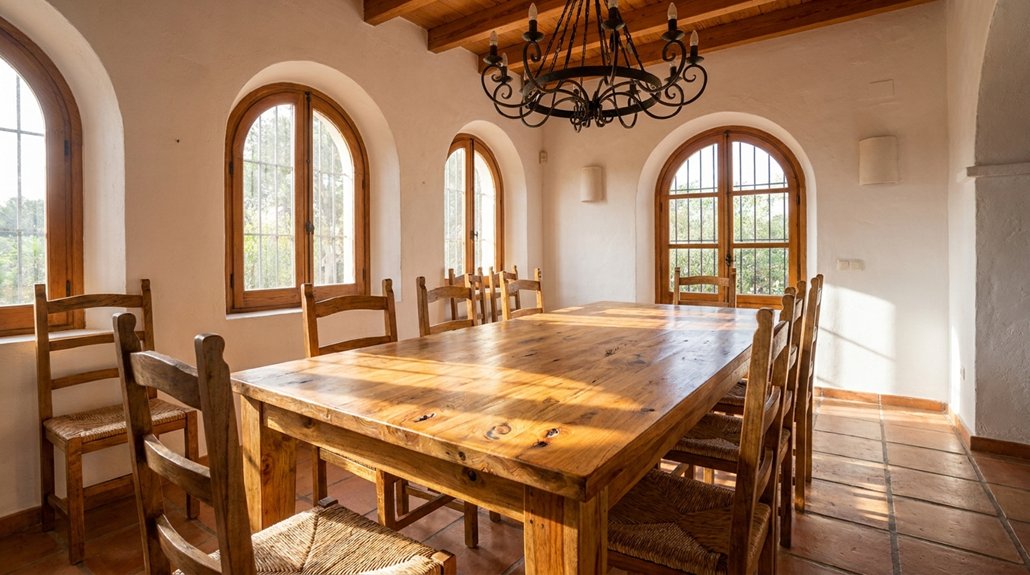
Mango wood furniture is gaining popularity in Spanish homes due to its durability, sustainability, and aesthetic appeal. The dense grain of mango wood provides resistance against warping and cracking, ensuring longevity with proper maintenance. Regularly sealing mango wood furniture protects it from Spain’s dry climate, while maintaining indoor humidity levels between 40% and 60% helps prevent damage.
Mango wood furniture complements various interior styles, including rustic, modern, and Mediterranean designs. To maintain its appearance, clean surfaces with a soft cloth and avoid harsh chemicals. For any scratches or dents, use wood filler and sand the area smoothly before applying a matching finish.
When choosing mango wood furniture, consider pieces that fit your specific style and functional needs. Look for tables, chairs, and storage solutions that showcase the wood’s natural beauty while providing practical use. By understanding how to care for and style mango wood furniture, you can enhance your home’s aesthetic while ensuring durability.
Why Mango Wood Furniture Is Dominating Spanish Homes
Mango wood furniture is increasingly popular in Spanish homes due to its aesthetic appeal and sustainability. The warm tones and unique grain patterns of mango wood enhance the elegance and comfort of living spaces. Spanish homeowners prioritize sustainable materials, and mango wood aligns with this preference.
Craftsmanship influences this trend, as Spain has a strong tradition of valuing quality and handcrafted items. Homeowners seek furniture that offers character and durability, and mango wood meets these criteria effectively.
Mango wood furniture is versatile, fitting seamlessly into living rooms, dining areas, and bedrooms. Its adaptability allows it to complement both modern and rustic designs, making it a practical choice for various interior styles. This flexibility in application is a significant factor in its rising popularity among Spanish households.
While mango wood furniture excels in aesthetics and sustainability, it’s essential to consider its limitations. For example, mango wood may not suit environments with high humidity, as excessive moisture can lead to warping. Additionally, some homeowners may prefer other materials for specific design goals or personal preferences.
Moreover, the unique grain patterns and color variations of mango wood contribute to its charm and appeal, setting it apart from more conventional materials.
What Makes Mango Wood Furniture More Durable Than It Looks
Mango wood furniture offers impressive durability, making it a reliable choice for various settings. The dense grain structure of mango wood provides strength, helping it resist warping, cracking, and everyday wear. When mango wood is properly harvested and finished, its longevity significantly increases.
Dense Grain Structure
Mango wood features tightly packed fibers that absorb impact. This dense grain helps the furniture resist dents and scratches, ensuring that it maintains its appearance over time.
Natural Hardness
Mango wood ranks in hardness alongside teak, making it a robust option for furniture. This natural hardness means that mango wood can withstand heavy use without showing significant signs of wear.
Moisture Resistance
Properly sealed mango wood can handle high humidity levels without swelling or warping. This moisture resistance is particularly beneficial in climates where humidity fluctuates, ensuring that the furniture remains stable. Additionally, ensuring at least 30 inches of clearance around furniture helps maintain its longevity and usability.
Overall, mango wood furniture combines these attributes to create a practical choice for homes, especially in regions with challenging climate conditions and heavy daily use.
Why Mango Wood Is One of the Most Sustainable Wood Choices
Mango wood is a sustainable wood choice due to its unique harvesting process. Farmers harvest mango trees for timber after the trees stop producing fruit. This method prevents waste by utilizing trees that have fulfilled their primary purpose. Instead of clearing forests for new timber, this practice maintains existing agricultural landscapes.
Farmers replace harvested mango trees with new saplings, ensuring a continuous cycle of growth. This replanting strategy helps sustain local ecosystems. Unlike many hardwood species, mango trees grow rapidly, reaching maturity in about 5 to 7 years. This quick growth rate means that mango wood is a renewable resource that can be harvested more frequently.
For consumers in Spain seeking environmentally responsible furniture, mango wood offers a practical solution. Choosing mango wood means selecting high-quality furniture while supporting sustainable practices. This decision helps reduce deforestation and promotes responsible sourcing in the furniture industry. Additionally, incorporating sustainable wood choices in furniture design can enhance both aesthetics and longevity in your home.
Mango Wood Furniture Styles Spanish Homes Love Right Now
Spanish homes currently favor mango wood furniture styles that combine natural warmth with modern design. This furniture offers a balance of rustic charm and contemporary elegance, making it suitable for various interior styles.
Popular Mango Wood Furniture Styles
Minimalist Dining Tables: These tables feature smooth mango wood surfaces paired with simple metal legs. The minimalist design emphasizes the natural beauty of the wood while maintaining a sleek profile.
Rustic Sideboards: Rustic Sideboards showcase the unique grain patterns of mango wood. Carved detailing enhances the wood’s character, adding depth and interest to dining or living spaces.
Contemporary Bedroom Sets: Bedroom sets made from mango wood include frames that blend with neutral upholstery. This combination creates a refined look that fits well in modern Spanish bedrooms.
These mango wood styles integrate seamlessly into both traditional and modern Spanish interiors. Homeowners can pair these pieces with white walls and terracotta accents for a cohesive look.
The natural color variations in mango wood ensure that each piece is unique, adding a personalized touch to the home.
Limitations and Considerations
Mango wood is durable but can be sensitive to humidity. Homeowners should avoid placing mango wood furniture in overly damp areas to prevent warping.
Additionally, while mango wood is beautiful, it may require regular maintenance to keep its finish looking fresh.
Conclusion
Mango wood furniture styles are a practical choice for Spanish homes. These pieces combine functionality with aesthetic appeal, providing homeowners with options that fit their design preferences.
Mango Wood Furniture Across Rustic, Modern, and Mediterranean Interiors
Mango wood furniture integrates seamlessly into rustic, modern, and Mediterranean interiors, making it a top choice for Spanish homes. The natural grain patterns and warm tones of mango wood enhance rustic settings, complementing exposed stone walls and terracotta floors.
In modern environments, clean-lined mango wood pieces fit well with neutral color palettes and minimalistic décor. For Mediterranean styles, honey-brown finishes of mango wood harmonize with coastal tiles and linen textiles.
Mango wood designs allow for versatile pairings. You can mix mango wood with metal, glass, or fabric to maintain visual balance. Additionally, mango wood furniture represents an eco-friendly option, as it comes from sustainably harvested trees.
The timeless appeal of mango wood ensures that these pieces remain stylish over the years, making them a practical, long-lasting investment for any interior.
When selecting mango wood furniture, consider the specific design that best fits your space. Rustic designs often emphasize organic shapes, while modern styles may feature sleek lines. Mediterranean pieces typically showcase intricate carvings or warm finishes.
Understanding these characteristics allows you to choose furniture that enhances the overall aesthetic of your home.
Moreover, mango wood furniture has limitations. Its susceptibility to water damage means you should avoid placing it in overly humid environments. Regular maintenance, such as polishing and avoiding direct sunlight, will help preserve the wood’s appearance and durability.
How to Clean and Maintain Mango Wood Furniture at Home
To maintain mango wood furniture, wipe surfaces daily with a soft, dry cloth. This action removes dust and prevents buildup.
Use coasters and placemats to protect the wood from moisture. Direct contact with wet surfaces can lead to warping and staining, so always keep mango wood away from excess water.
Apply a quality wood conditioner or polish every three to six months. This action nourishes the wood and preserves its natural luster.
Avoid using any products with harsh chemicals, as they can damage the finish. If the furniture gets wet, dry it immediately with a clean, dry cloth to prevent water damage.
For deeper cleaning, use a damp cloth with mild soap, but ensure the cloth isn’t soaking wet. This method allows you to clean without saturating the wood.
Always follow up with a dry cloth to remove any moisture.
Daily Cleaning Techniques
Keeping mango wood furniture clean requires straightforward methods. Use a soft, dry microfiber cloth daily to dust surfaces. Avoid using harsh chemicals, as they can damage the wood’s natural finish.
Regular maintenance, such as daily dusting, prevents dirt buildup and keeps the furniture looking fresh.
Daily Cleaning Steps
- Dust Surfaces: Wipe mango wood surfaces with a dry microfiber cloth to remove dust and debris effectively.
- Clean Sticky Spots: Use a slightly damp cloth to tackle sticky areas, followed by drying the surface immediately to prevent water damage.
- Avoid Liquid Buildup: Don’t leave water or other liquids on the surface, as this can lead to warping or staining.
These daily cleaning habits preserve the integrity of mango wood furniture over time.
Consistent care reduces the need for extensive cleaning sessions, helping to keep your furniture in excellent condition longer.
Preventing Moisture Damage
Preventing Moisture Damage to Mango Wood
Mango wood requires consistent care to prevent moisture damage. Wipe spills immediately with a dry cloth to remove moisture. Never allow liquids to rest on the surface, as they can seep into mango wood, leading to warping or cracking.
Always use coasters under glasses to protect the surface, and avoid placing wet items directly on mango wood furniture.
Maintain humidity levels between 40% and 60% to safeguard mango wood. Use a humidifier or dehumidifier as necessary to achieve this range.
Keep mango wood furniture away from windows, air conditioning vents, and heating sources. Extreme temperature fluctuations can accelerate moisture damage.
Apply a wood sealant or wax every three to six months. This creates a protective barrier against moisture absorption.
Regular application helps maintain the integrity of mango wood over time.
Polishing And Conditioning Wood
Polishing and Conditioning Mango Wood
Maintaining mango wood requires regular polishing and conditioning to enhance its appearance and durability. Proper techniques and products play a crucial role in preserving the wood’s natural beauty.
Apply Wax for Shine and Protection
Use beeswax or carnauba wax to restore the wood’s shine and create a protective layer. Apply the wax in circular motions, covering the entire surface evenly.
This process not only enhances appearance but also safeguards the wood from moisture damage.
Use Oil-Based Conditioners
Select oil-based furniture conditioning products like teak oil or linseed oil to nourish the wood. These oils penetrate the surface, preventing drying and cracking.
Apply the oil generously, ensuring complete coverage, and allow it to soak in for about 15-30 minutes before proceeding.
Buff for a Smooth Finish
After applying wax or oil, buff the surface with a soft, lint-free cloth. This step ensures an even finish and maximizes shine.
Use a light hand to avoid removing the product you’ve just applied.
Establish a Regular Conditioning Schedule
Condition mango wood furniture every three to six months to maintain its strength and vibrancy.
This routine helps the wood resist everyday wear and keeps it looking its best over time. Regular maintenance not only preserves aesthetics but also prolongs the lifespan of the furniture.
Where to Buy Quality Mango Wood Furniture in Spain
If you want to buy quality mango wood furniture in Spain, check retailers like El Corte Inglés, IKEA España, and specialty stores such as Muebles La Fábrica.
These retailers offer a solid selection of sustainable mango wood furniture. You can also shop online at platforms like Amazon España, Wayfair, and ManoMano. These sites provide extensive catalogs, allowing you to compare prices and read customer reviews before making a decision.
When shopping, always verify the retailer’s return policy. Additionally, check for certifications that confirm the quality and ethical sourcing of the mango wood. This ensures that your purchase supports sustainable practices.
Mango wood furniture typically features durability and unique grain patterns. Look for pieces that clearly state their origin and production practices to ensure you’re making an informed choice.
Avoid stores that don’t provide this information, as it may indicate lower quality or unsustainable practices.
Top Spanish Furniture Retailers
Spain offers a diverse range of retailers specializing in quality mango wood furniture, ideal for various settings like coastal villas and city apartments.
These retailers focus on sustainable sourcing and provide customization options to meet specific needs.
Explore Top Spanish Furniture Retailers
- El Corte Inglés provides a broad selection of solid wood furniture, including mango wood pieces. Customers can visit multiple locations nationwide to find styles that fit their home.
- Maisons du Monde features stylish mango wood collections that prioritize ethical sourcing practices. Shoppers can choose from a variety of designs that reflect contemporary aesthetics.
- Sklum operates as an online retailer offering custom designs in mango wood furniture at competitive prices. Customers benefit from a convenient online shopping experience while accessing unique styles.
Each retailer has unique strengths, enabling customers to compare styles, pricing, and sourcing standards effectively before making a purchase.
This approach ensures informed decisions tailored to individual preferences and requirements.
Online Buying Options
Online Options for Buying Mango Wood Furniture in Spain
Online shopping provides extensive options for purchasing mango wood furniture in Spain. You can explore various platforms such as Amazon España, El Corte Inglés online, and Wayfair España.
These marketplaces allow you to compare styles and prices effectively. Use filters to narrow results by material, size, and price range. This process saves time and helps you find what you need efficiently.
Before making a purchase, read customer reviews. Reviews provide insights into product quality, durability, and sizing accuracy. Focus on verified reviews that specifically mention mango wood construction, as these will give you the most relevant information.
Check return policies and shipping costs before finalizing your order. Many Spanish online retailers offer free delivery for larger furniture pieces, which can help reduce your overall expenses.
Mango Wood Mistakes Spanish Buyers Should Avoid
Common Mistakes When Buying Mango Wood Furniture in Spain
Buying mango wood furniture in Spain can lead to costly mistakes if you’re not careful. Understanding the unique properties of mango wood is crucial for making informed decisions. Here are common pitfalls to avoid:
Inspect Quality Before Purchase
Always check the quality of mango wood furniture before buying.
Before purchasing mango wood furniture, always inspect it carefully for consistent grain patterns and a smooth, quality finish.
Look for consistent grain patterns and a smooth finish.
Inconsistent grain or rough surfaces can indicate poor quality, which may affect durability over time.
Verify Certifications for Sustainability
Confirm that your mango wood pieces have proper certifications for sustainable sourcing.
Products without these documents may come from unsustainable practices, undermining your investment and contributing to environmental harm.
Consider Humidity Effects on Mango Wood
Understand how Spain’s dry climate impacts untreated mango wood.
Low humidity can cause untreated mango wood to crack.
Choose finished products or those treated for climate resilience to avoid this issue.
Research Sellers Thoroughly
Take time to research sellers who specialize in mango wood furniture.
Ask direct questions about sourcing, treatment, and care.
Knowledgeable sellers can provide valuable insights that help you make better choices.
Conclusion
By focusing on quality checks, certifications, and climate factors, you can avoid common mistakes when purchasing mango wood furniture in Spain.
Make informed decisions to protect your investment and ensure lasting satisfaction with your furniture.