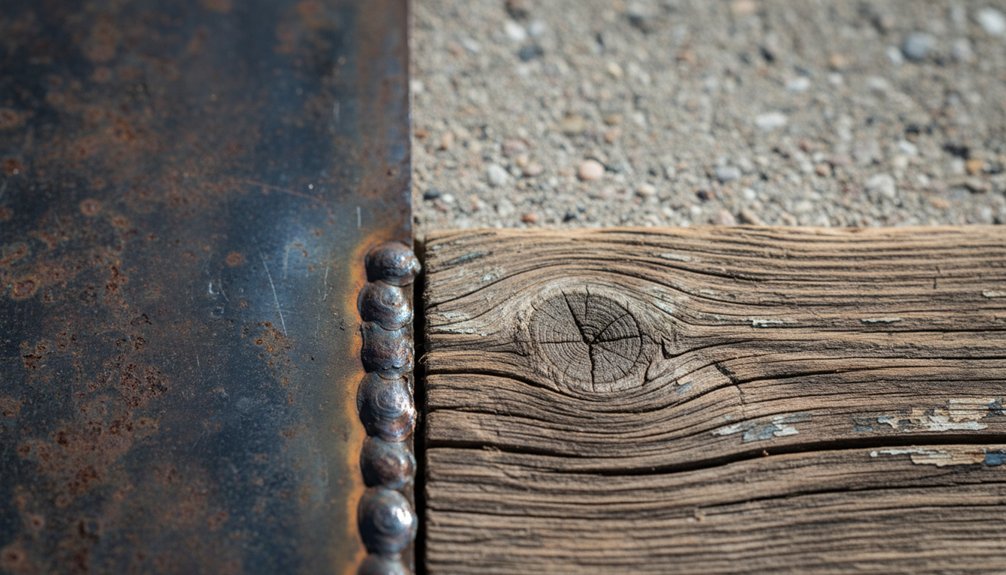
Industrial furniture combines raw steel or iron with reclaimed wood to create authentic and durable pieces. The materials used greatly influence the functionality and aesthetic of the furniture. For example, powder-coated finishes provide weather resistance and require less upkeep than other finishes. In contrast, oil-rubbed finishes develop natural patinas that enhance the vintage character of the piece over time.
The ratio of wood to metal directly affects the overall design. A 70/30 wood-to-metal ratio introduces warmth and a more inviting feel, while a 30/70 ratio highlights the industrial aesthetic, emphasizing the raw materials. Quality industrial furniture features welded joints, robust hardware, and tight wood grain patterns that convey durability and craftsmanship.
Exposed bolts and rivets play dual roles in industrial furniture. They contribute to the structural integrity while adding a decorative element that enhances the industrial look.
When sourcing materials, prioritize reclaimed wood and high-quality metal for longevity. Applying aged patinas requires specific techniques to ensure even coverage and authentic results. Finally, choose sealants that maintain the raw textures of both wood and metal without compromising their natural appearance. This guide offers practical steps for selecting materials, applying finishes, and preserving the integrity of industrial furniture.
Raw Steel vs. Iron in Industrial Furniture Construction
When selecting materials for industrial furniture, raw steel and iron present distinct choices that impact performance and aesthetics.
Raw steel offers superior strength and resistance to warping, making it suitable for heavy-duty applications like tables and shelving units. Steel’s lighter weight simplifies transportation and installation, which is crucial in furniture manufacturing.
In contrast, iron is more brittle and requires proper treatment to prevent rust, limiting its use in structural components. Designers often choose iron for decorative elements and accent pieces due to its authentic vintage appeal.
However, steel remains the preferred choice for modern industrial furniture because it’s more affordable and easier to work with. Additionally, when considering durability, solid wood furniture provides exceptional longevity that can complement industrial designs.
Consider your specific project requirements when deciding between raw steel and iron. If you need durable, heavy-duty furniture, raw steel is the better option.
If your focus is on aesthetics and vintage appeal, iron might be the way to go, but keep in mind its limitations in structural integrity and susceptibility to rust.
Where to Source Reclaimed Wood for Industrial Projects
Finding quality reclaimed wood for industrial furniture projects requires knowing where to look and who to connect with. Salvage yards, demolition companies, and specialized lumber dealers focus on recovered materials and often have a variety of wood types suitable for industrial designs.
You can find barn siding, factory flooring, and warehouse beams in these locations. Online marketplaces and architectural salvage stores also offer unique reclaimed pieces that can enhance your project.
When you evaluate suppliers, make sure to inspect the wood’s condition and ask about its origin. Many reclaimed wood suppliers provide documentation about where the wood came from, which adds authenticity and value to your work.
Local building deconstruction sites can be a valuable resource. You should negotiate directly for materials at these sites to secure quality reclaimed wood.
Building relationships with reliable suppliers ensures you have consistent access to the reclaimed wood you need for your projects.
Powder-Coated and Oil-Rubbed Metal Finish Options
When you choose metal finishes for industrial furniture, you can select from two main options: powder-coating and oil-rubbed finishes. Both methods provide unique aesthetics and protective features that influence the longevity and appearance of your furniture.
Understanding Powder-Coating
Powder-coating applies a dry powder to metal surfaces and cures it under heat. This process creates a hard, durable finish that resists chipping, scratching, and fading.
Manufacturers often use powder-coating for outdoor furniture due to its weather-resistant properties. However, if the metal surface isn’t properly prepared before coating, the finish may peel or bubble over time.
Exploring Oil-Rubbed Finishes
Oil-rubbed finishes involve applying a mixture of oils and waxes to the metal surface. This method enhances the metal’s natural beauty and provides a rich, antique look.
While oil-rubbed finishes can be stunning, they require regular maintenance to maintain their appearance. Without periodic reapplication, the finish may wear away, exposing the bare metal underneath.
When deciding between these options, consider the environment where your furniture will be used. For high-traffic or outdoor settings, powder-coating is often the better choice due to its resilience.
For indoor settings where aesthetics are a priority, oil-rubbed finishes may be more suitable, provided you’re willing to commit to regular upkeep.
Powder-Coating Application Process
Metal furniture typically requires a robust finish to withstand wear and tear. Powder coating provides that durability and is now the go-to method for achieving long-lasting results. The powder coating process involves applying dry powder to metal surfaces using an electrostatic charge. After this application, the furniture is cured in an oven, which causes the powder to melt and form a strong protective layer. This method surpasses traditional painting techniques in terms of quality and performance.
Enhanced Durability: Powder coating creates a finish that resists chipping, scratching, and fading. This significantly extends the lifespan of metal furniture compared to standard liquid paints.
Environmental Advantages: Powder coating generates fewer volatile organic compounds (VOCs) during application, making it a more eco-friendly choice. The process also produces less hazardous waste than liquid coatings, reducing the environmental impact.
Cost Efficiency: The application of powder coating typically requires fewer coats than traditional paint, which saves both time and materials. Additionally, any overspray can be collected and reused, minimizing waste and lowering overall costs.
Oil-Rubbed Bronze Aesthetics
Oil-rubbed bronze finishes provide a unique, aged look to metal furniture, making them suitable for both traditional and industrial styles. These finishes feature dark brown tones with copper highlights, which develop naturally over time, creating visual depth. You can apply oil-rubbed bronze finishes effectively on furniture hardware, table bases, and chair frames.
| Feature | Description | Best Use |
|---|---|---|
| Color Variation | Dark brown with copper highlights | Accent pieces, hardware |
| Durability | Moderate wear resistance | Indoor furniture |
| Maintenance | Requires occasional cleaning | Low-traffic areas |
| Style Match | Traditional to industrial | Mixed design schemes |
When you choose oil-rubbed bronze finishes, you select a practical option that conceals minor scratches and adds character over time. The patina develops with use, ensuring that each piece becomes distinct.
This finish works best in environments where furniture is handled frequently, as the natural wear enhances its aesthetic. However, avoid using oil-rubbed bronze in high-traffic areas because it may wear down faster than other finishes. For long-lasting results, clean the surfaces regularly to maintain the finish and prevent buildup. Overall, oil-rubbed bronze is a versatile choice that blends well with various design elements while offering durability and a unique appearance.
Durability and Maintenance Comparison
When choosing between powder-coated and oil-rubbed bronze finishes, it’s essential to understand their daily performance differences. Both finishes serve distinct purposes, and your selection should depend on your specific needs.
Powder-coated finishes provide excellent weather resistance and require minimal maintenance. You can easily clean powder-coated surfaces using soap and water.
In contrast, oil-rubbed bronze finishes develop a natural patina over time, which adds character but requires specific cleaning techniques to maintain their appearance.
Key Performance Differences:
1. Scratch Resistance: Powder-coated surfaces resist scratches due to their hard coating.
In comparison, oil-rubbed bronze shows wear marks more quickly, making it less suitable for high-traffic areas.
2. Moisture Protection: Powder-coated metal offers superior water resistance.
On the other hand, oil-rubbed bronze needs periodic sealing, especially in humid environments, to prevent corrosion.
3. Cleaning Requirements: You can use standard cleaners on powder-coated finishes without harm.
However, oil-rubbed bronze requires gentle, pH-neutral cleaning solutions to avoid damaging the finish.
In summary, if you prioritize durability and ease of maintenance, go for powder-coated finishes.
If you appreciate the unique look of oil-rubbed bronze and are willing to invest time in maintenance, then that option may be suitable for you.
Just remember, the right choice ultimately depends on your specific application and environment.
Creating Aged Patina on New Industrial Furniture Materials
To make industrial furniture look genuinely aged, you must employ specific techniques that effectively replicate years of wear. These aging methods convert new materials into distinctive pieces that tell a story.
For metal surfaces, apply a vinegar and salt solution to create a rust effect. Alternatively, use chemical patina solutions to achieve a verdigris finish.
For wooden elements, distressing techniques like wire brushing, chain marking, and strategic sanding expose the wood’s natural grain patterns. To darken wood, use steel wool soaked in tea or coffee as a surface treatment.
You can also layer different stains and selectively remove them to mimic natural wear patterns. Studying genuinely aged pieces provides valuable insights into authentic wear characteristics, allowing you to replicate those features on your new furniture.
Limitations include avoiding overly aggressive distressing methods that can compromise the material’s integrity. Understanding the balance between aged appearance and structural soundness is crucial.
Always test your techniques on scrap material before applying them to your final product to ensure the desired effect.
Exposed Bolt and Rivet Hardware That Adds Industrial Detail
When you add bolts and rivets to industrial furniture, determine if their purpose is structural support or aesthetic enhancement. The placement of bolts and rivets directly impacts the overall design. Position bolts and rivets evenly across metal plates or wooden panels to create a balanced appearance. Place them strategically at edges, corners, and seams to enhance the industrial aesthetic while ensuring the furniture remains sturdy.
Consider the size and type of bolts and rivets you choose. Use larger bolts for heavy-duty applications, while smaller rivets work well for decorative elements. Ensure the materials you select match the overall design of the furniture. For example, stainless steel bolts complement modern designs, while blackened steel rivets enhance a vintage look.
Be mindful of spacing. Maintain consistent distances between bolts and rivets to create visual rhythm. For instance, spacing bolts every six inches along a metal beam provides a uniform look. Additionally, avoid overcrowding hardware, as this can detract from the industrial style and weaken structural integrity.
Test the strength of your assembly. After positioning bolts and rivets, check for any movement or looseness. Tighten any loose hardware to ensure the furniture can bear its intended load without compromising safety.
Functional vs Decorative Hardware
Hardware plays a crucial role in defining the character of industrial furniture. You need to differentiate between functional hardware, which holds components together, and decorative hardware, which enhances the aesthetic appeal. Both types are important in industrial design.
When you choose hardware for your furniture, focus on these three categories:
- Functional Hardware: Use bolts, rivets, and brackets that provide structural support. Ensure these components remain visible to highlight the industrial style.
- Dual-Purpose Hardware: Select hardware that combines structural integrity with visual appeal. Choose finishes and placements that complement the overall design while maintaining strength.
- Decorative Hardware: Incorporate non-structural elements like faux rivets or bolt caps. These accents reinforce the industrial theme without affecting the functionality of the piece.
Understanding these categories allows you to create balanced designs that respect industrial furniture’s utilitarian roots while achieving your desired visual impact.
Strategic Placement and Spacing
Three principles guide the effective placement of exposed bolts and rivets in industrial furniture design: layout, spacing, and balance.
Establish a Strategic Layout****
Designers should create a layout that aligns with the furniture’s structural lines and load-bearing points. This approach enhances the authenticity of the piece and strengthens its overall framework.
For instance, place bolts along the edges of shelves or at the joints where the legs meet the tabletop to reinforce these critical areas.
Maintain Consistent Spacing****
Consistent spacing between hardware elements is crucial. Typically, bolts and rivets should be spaced 6 to 12 inches apart. This spacing helps achieve a visual rhythm while preventing overcrowding on surfaces.
For example, if you place a bolt at one end of a beam, position the next one 6 to 12 inches away along the same beam.
Focus on Spatial Balance****
Distributing bolts and rivets evenly across visible surfaces ensures spatial balance. Avoid clustering hardware in one area while leaving other sections bare.
Instead, mirror placements on opposite sides or create symmetrical patterns. For instance, if you place a rivet on one side of a table leg, add a corresponding rivet on the opposite side. This method guides the eye naturally and maintains the piece’s overall aesthetic.
Wood-to-Metal Ratios in Industrial Furniture Design
The wood-to-metal ratio directly influences the visual weight and structural integrity of industrial furniture. Designers need to assess how wood grain interacts with metal elements to create functional and appealing pieces. Choosing the right ratio is crucial for achieving both aesthetics and durability.
Common wood-to-metal ratios include:
- 70/30 wood-dominant – This ratio allows wood to create a warm appearance while using metal for support and accents. Use this ratio in residential spaces where comfort and character are priorities.
- 50/50 balanced – This ratio provides equal prominence to both wood and metal. It works well in contemporary industrial designs that seek a harmonious look for various applications.
- 30/70 metal-dominant – This ratio shifts focus to metal, emphasizing an industrial aesthetic. Use wood as a secondary accent material to enhance the overall design.
Higher metal ratios typically suit commercial environments due to durability and maintenance factors, while wood-dominant designs are more appropriate for homes, where warmth and comfort are essential. Additionally, creating distinct zones during furniture arrangement can further enhance the functionality of industrial spaces. Experimenting with these combinations during the design phase allows you to meet specific aesthetic and functional requirements.
Best Sealants for Industrial Furniture That Preserve Texture
To protect industrial furniture while preserving its texture, you need the right sealants that penetrate wood and metal without forming thick, glossy layers.
Penetrating oils, like Danish oil and tung oil, effectively soak into wood fibers and maintain the raw texture. These oils enhance the natural grain and provide moisture resistance.
Danish oil and tung oil penetrate deep into wood, preserving raw industrial texture while delivering essential moisture protection.
For metal parts, clear wax-based sealants protect without changing the desired weathered look.
Avoid using polyurethane and varnish as these create thick, plastic-like coatings that obscure authentic textures.
Instead, apply thin coats of penetrating sealants to achieve the best results. Allow each layer to dry completely before applying the next coat.
This method ensures that you preserve the texture of your industrial furniture while giving it the durability needed for everyday use.
How to Spot Quality Materials in Industrial Furniture Pieces
Quality materials distinguish durable industrial furniture from items that may only last a few years. To ensure longevity, evaluate the authenticity of materials and the quality of craftsmanship before buying.
Start by assessing metal components. Quality steel should feel substantial, not flimsy or hollow. Look for welded joints instead of bolted connections; welded joints indicate better construction.
Key inspection points include:
- Inspect metal surfaces. Look for a consistent finish free from rust spots, uneven coatings, or sharp edges that reveal poor manufacturing practices.
- Examine wood components. Ensure tight grain patterns, proper joinery, and solid construction are evident. Avoid pieces with veneer peeling or made from particle board.
- Check hardware elements. Test hinges, handles, and brackets for smooth operation. Quality hardware should feel substantial, not lightweight or plastic-coated.
These inspection details help you determine whether you’re investing in genuine industrial furniture or settling for inferior alternatives. Additionally, the use of raw materials in industrial design can significantly enhance the aesthetic and functional quality of furniture pieces.