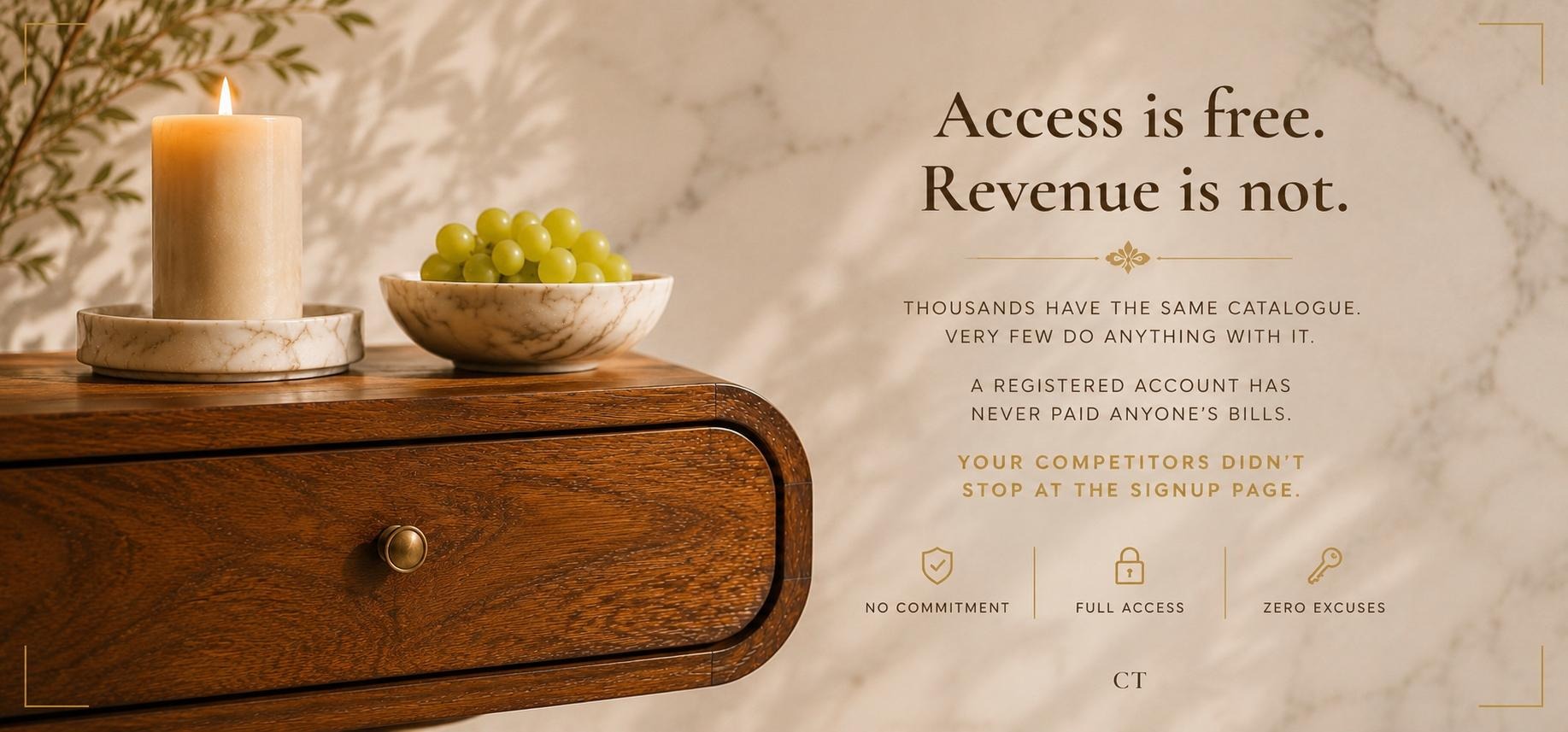


Select 3-5 key pieces for your console table that provide both function and style. Use a table lamp as your focal point, and arrange medium and low-height items around it. Group objects in odd numbers following the rule of three, keeping at least two inches of space between each item to prevent clutter. Position a mirror or artwork above the console to create depth and visual interest. Incorporate natural elements like fresh flowers to add warmth to the space. Choose a color palette that complements your existing décor, and change seasonal accents regularly to maintain a fresh and inviting entrance throughout the year.
Essential Items for Every Console Table
When styling a console table, begin with essential items that establish balance and functionality in the space. Place a mirror or a piece of artwork centered above the console table to draw the eye upward and enhance the room’s depth.
Add a table lamp on one end to provide light and create visual interest. Use a decorative tray or bowl on the table to neatly organize small items like keys and mail. These foundational elements create the anchor points for your arrangement.
Foundational pieces like a table lamp and decorative tray establish both function and visual balance for your console arrangement.
Incorporate organic elements, such as a vase filled with fresh flowers or greenery, to introduce a natural touch and life to the display. Stack two or three books horizontally on the table to create height variation and add dimension.
Finally, include a personal object that reflects your style, like a unique sculpture or a framed photograph, to personalize the space further. Remember to maintain at least 30 inches of clearance around the table to ensure comfortable movement and accessibility.
Avoid overcrowding the table with too many items, as this can create visual clutter. Instead, focus on a few well-chosen pieces that harmonize with your overall decor.
Prioritize functionality alongside aesthetics to ensure the console table serves its purpose effectively while also enhancing the room’s style.
The Rule of Three for Balanced Arrangements
The Rule of Three enhances visual arrangements by grouping objects in odd numbers, which naturally captures attention and provides a dynamic feel.
To create a balanced display, place one tall object in the center and position two shorter items of equal height on either side. This method works effectively in traditional or formal settings, ensuring a symmetrical look.
For a more modern approach, consider using playful asymmetry. Choose three objects of varying heights and sizes. Position the tallest object off-center, and arrange the other two pieces at different heights. This variation generates visual interest and adds personality to contemporary spaces.
When applying the Rule of Three, ensure proper spacing between the items. Each piece should have enough room to stand out individually while still being part of a cohesive arrangement.
Avoid crowding the objects, as too little space can lead to a cluttered look. Additionally, be mindful of the limitations; not all objects work well together. For example, avoid combining items that clash in style or color, as this can detract from the overall effect.
Add Height With Lamps and Lighting
Lamps add height to console tables by providing essential lighting while enhancing the verticality of your display. Choose lamps that match the table’s width to ensure they don’t dominate other decorative elements. Always consider the existing lighting in the room when selecting your lamps.
Proper lamp placement increases functionality and improves aesthetics:
- Position matching lamps at both ends of the console table for a balanced, traditional appearance.
- Use a single bold lamp off-center and complement it with smaller decorative objects to create visual interest.
- Opt for lamps with translucent or patterned shades to produce soft, ambient lighting that enhances the room’s atmosphere.
Ensure the height of your lamps allows for unobstructed sightlines across the room. Designers typically recommend lamp heights between 24 to 32 inches for standard console tables to maintain a comfortable viewing experience. Incorporating solid wood furniture adds warmth and character to your entryway, creating a welcoming atmosphere.
Avoid using lamps that are too short or too tall, as they can disrupt the visual balance of the space.
How to Style Mirrors Above Your Console Table
Mirrors enhance console tables by reflecting light and making rooms feel larger. When selecting mirrors, consider the style that complements your console table and the overall room design. Different mirror styles serve various aesthetics, from ornate to minimalist. Proper placement and proportion are crucial for achieving balance. Incorporating traditional furniture styles can help you choose a mirror that aligns with the desired aesthetic of your entrance.
| Mirror Style | Best Table Match | Room Size |
|---|---|---|
| Round | Modern/Curved | Small-Medium |
| Rectangular | Traditional/Linear | Any |
| Sunburst | Mid-Century | Medium-Large |
| Leaning | Rustic/Casual | Large |
| Gallery Wall | Eclectic/Mix | Medium-Large |
Hang the mirror 4-6 inches above the console table. This distance creates a visual connection and allows space for decorative items on the table without crowding.
To summarize, choose a mirror style that matches your console table, consider the size of your room, and maintain the recommended distance for optimal styling.
Displaying Personal Collections Without Clutter
Showcasing personal collections on your console table creates an attractive focal point in your living space. To achieve an organized display, group your items based on a specific theme, like vintage cameras or travel souvenirs. This method fosters visual cohesion and prevents a haphazard look.
Next, arrange these themed groups at varying heights to enhance depth. Use books, small pedestals, or tiered trays to elevate certain pieces. This technique avoids a flat appearance and ensures your display feels intentional and curated.
Additionally, limit the number of items you showcase to maintain clarity. Aim for three to five pieces per group, which allows each item to stand out. Avoid overcrowding your console table, as too many items can create visual clutter.
Finally, consider the lighting in your space. Position your display near a light source to enhance visibility and draw attention to your collection. This strategic placement highlights the unique characteristics of each piece and invites viewers to appreciate your curated display.
Group By Theme
When you group collections by theme, you enhance the visual appeal of your console table. This method creates a cohesive look and avoids a cluttered appearance. To achieve minimalist decor, choose items that match in color, material, or origin. For example, travel souvenirs from beach destinations look great together, while vintage items from the same period can create a unified display.
Here are effective strategies for thematic grouping:
- Combine natural elements such as driftwood, shells, and botanical prints. This arrangement fosters an organic feel in your space.
- Display family photos in matching frames alongside decorative books focused on photography. This combination personalizes your decor while maintaining a consistent look.
- Arrange seasonal decorations with warm textiles and eclectic items that reflect the current season. This setup brings a fresh touch to your space throughout the year.
Each themed collection narrates a specific story without overwhelming your area. This method turns random objects into intentional decor choices that enhance your entrance while preserving visual balance.
Use Varying Heights
Creating a console table display with varying heights enhances visual interest and guides the viewer’s eye through the arrangement effectively. Start by selecting a tall item, such as a lamp or a large vase, to serve as your anchor piece.
Next, incorporate medium-height objects, like framed photos or small plants, to build upon the height variation. Position shorter items, such as decorative boxes or candles, at the front to finalize your layered arrangement.
This tiered approach ensures that your display doesn’t appear flat or one-dimensional. By placing taller pieces toward the back and progressively reducing height as you move forward, you establish depth in your display.
To elevate smaller objects, stack books or utilize decorative pedestals. The use of varying heights allows for the integration of different textures throughout your display, ensuring that each piece is visible and accessible while maintaining an organized, cohesive look.
When designing your arrangement, remember that balance is key. Avoid overcrowding and ensure that each item has enough space to be appreciated.
For instance, if you use a tall lamp, consider whether it overwhelms the other items or if it complements them. Aim for a harmonious blend of sizes and shapes while sticking to a consistent color palette to unify your display.
Console Table Styling for Small vs. Large Spaces
Your console table’s size directly impacts your styling choices. In small spaces, aim for vertical arrangements and select lightweight accessories that won’t crowd the area. For example, use slim vases or tall books to draw the eye upward. In contrast, larger spaces allow for horizontal spreads and bolder pieces, like oversized sculptures or wide trays. The goal is to align your décor’s scale with the space available.
When styling a console table in a small area, prioritize fewer, well-chosen pieces. Limit your accessories to two or three items, ensuring they complement each other without overwhelming the viewer. For instance, pair a small plant with a decorative box and a picture frame.
In larger areas, you can incorporate more items, but still, maintain balance. Consider grouping items in odd numbers for visual interest, such as three varying-sized candles.
To achieve a cohesive look, consistently use color and material themes throughout your accessories. For example, if you choose a wooden console table, consider wooden trays or ceramic vases that incorporate similar tones. Avoid mixing too many contrasting styles as this can create visual chaos.
Be mindful of lighting as well. In small spaces, use soft lighting that enhances your accessories without making the area feel cramped. In larger areas, consider statement lamps or layered lighting for added depth.
Ultimately, the key to successful console table styling is a thoughtful approach to space management. Use your available area wisely by selecting accessories that suit the scale of your table and the room, ensuring each piece has a clear purpose and placement.
Scale and Proportion Matters
When styling console tables, consider the specific dimensions of both the table and the room. Your décor choices should either enhance the space or maintain balance. For example, a tall vase on a narrow table can create visual imbalance, while oversized accessories can overwhelm small entryways.
Match accessory height to table width: Ensure that accessories don’t exceed two-thirds of the table’s length. This keeps the overall look proportional.
Layer varying heights: Use a mix of tall, medium, and low items to create visual interest. This layering technique adds depth and dimension to your styling.
Consider wall space: Maintain sufficient distance between the table’s top décor and any wall art. This breathing room prevents a cluttered appearance and enhances the overall design.
The surface area of your table will dictate how many items you can display without creating a messy look. Larger tables can accommodate multiple groupings, while smaller tables require careful selection of fewer pieces.
Stay mindful of these principles to ensure your console table styling remains balanced and visually appealing.
Vertical Versus Horizontal Space
When you design spaces with limited square footage, prioritize vertical organization. Use tall vases, mirrors, or artwork to create height and draw the eye upward. This method keeps your console table looking organized and maximizes display space.
For wider console tables, focus on horizontal balance. Distribute decorative items across the table using the rule of thirds: divide the table into three sections and place items in each section to create visual rhythm and avoid gaps.
Evaluate your wall space as well. In narrow entryways, select tall and slim accessories that fit the vertical space.
For expansive walls, choose broader arrangements that effectively occupy the horizontal plane. This approach ensures that your decor complements the dimensions of your space, enhancing both functionality and aesthetics.
Strategic Accessory Placement Tips
Strategic accessory placement organizes a console table effectively, enhancing both small and large spaces. Arrange accessories by layering items at varying heights and depths. Position taller pieces at the back and place shorter items in front to create a sense of dimension. Use color coordination to ensure the display looks curated rather than random.
To achieve a visually appealing arrangement, follow these guidelines:
- Group items in odd numbers. Use three or five pieces to establish balance and visual interest.
- Leave negative space between groupings. This spacing prevents a cluttered look and allows each piece to stand out.
- Position focal points slightly off-center. Applying the rule of thirds creates a more engaging display.
In small spaces, focus on minimal accessories that make a strong impact. For larger tables, consider multiple vignettes that can coexist without overwhelming the viewer.
Balance decorative items with functional pieces, such as key bowls or mail trays, to maintain both style and practicality.
Seasonal Console Table Ideas That Feel Fresh
Rotating your console table decor with each season creates an inviting and dynamic space. For spring, use fresh flowers and pastel accents to brighten the area.
In summer, incorporate coastal elements like shells or coral to evoke a beachy vibe. For fall, decorate with pumpkins, autumn foliage, and warm metallic finishes that reflect the season’s rich colors.
In winter, focus on simplicity. Use evergreen branches, pinecones, and metallic candleholders to add seasonal charm without cluttering the table.
Select three to five key pieces for each season to maintain a clean look. Store off-season decor in labeled bins to simplify the rotation process.
This method keeps your entrance feeling fresh and well-curated all year round.
Console Table Color Palettes That Work
Choosing the right color palette enhances your console table’s visual appeal. Neutral tones establish a solid base, while bold accents introduce personality. Monochromatic schemes promote a modern minimalist look, ideal for contemporary interiors. In contrast, using contrasting colors injects energy into traditional spaces.
Here are some effective strategies:
- Classic Elegance: Combine neutral tones with warm textures and natural materials, such as wood or stone. This approach evokes vintage charm and sophistication.
- Contemporary Style: Utilize monochromatic schemes with clean lines. This method emphasizes simplicity and modern aesthetics.
- Bohemian Flair: Incorporate contrasting colors with layered patterns and an eclectic mix of items. This technique showcases unique personality and creativity.
Your color selections should enhance existing décor and create a focal point. Incorporating natural elements and warm textures can soften bold choices. This combination ensures your console table feels intentional rather than overwhelming.
Balance bold color choices with natural textures to create an intentional focal point that enhances rather than overwhelms your space.
For practical application, assess your current décor first, then choose a palette that complements it. Avoid overly bright or conflicting colors that may clash with your surroundings. Aim for a balanced look that draws the eye without dominating the space.
Console Table Styling Mistakes to Avoid
Even with a carefully selected color palette, console table styling can fail if you overlook common decorating mistakes. Recognizing what to avoid enables you to create balanced and functional spaces. Pay close attention to console table materials and layouts to steer clear of these pitfalls.
| Mistake | Problem | Solution |
|---|---|---|
| Overcrowding | Placing too many items creates visual clutter | Limit your décor to 3-5 key pieces that complement each other |
| Wrong scale | Objects may look too small or too large for the table | Ensure item height aligns with the table’s proportions |
| Ignoring function | Decorative items can obstruct practical use | Keep essential items easily accessible for daily use |
Maintain proper spacing between decorative elements. Leave at least two inches between objects to create breathing room. Mix various heights and textures while respecting the characteristics of your table’s material. For example, avoid placing heavy items on delicate surfaces, such as glass, and refrain from using lightweight decorations on sturdy, heavy tables.
When styling your console table, focus on creating a cohesive look that enhances both aesthetics and functionality. Each piece should serve a purpose while contributing to an overall pleasing design. Regularly reassess your arrangement to ensure it meets your needs without sacrificing style.