

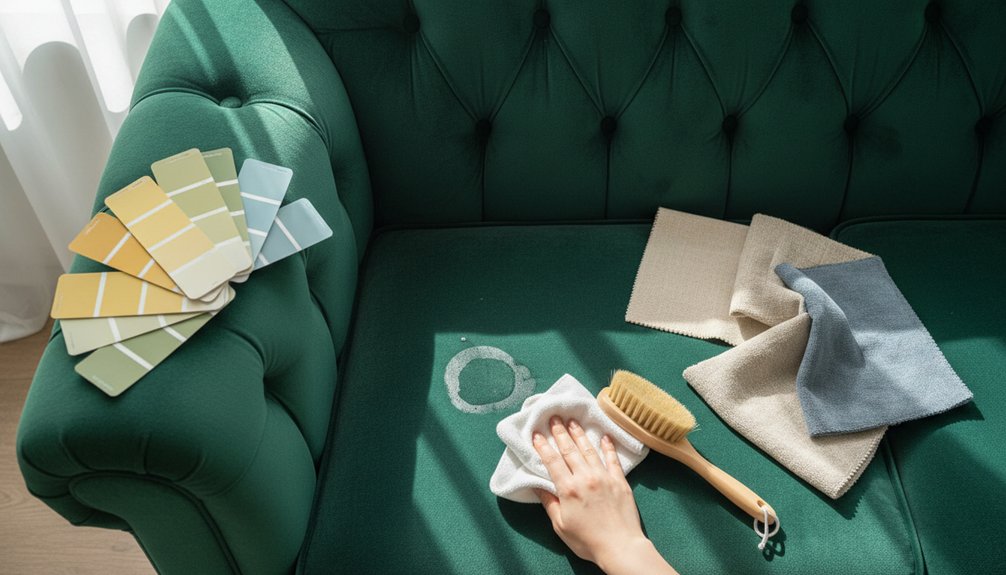
Upholstered furniture features various fabric options with distinct lifespans and characteristics. Leather, a durable option, lasts 15 to 25 years. Velvet, while luxurious, typically endures 5 to 7 years. Natural fabrics like cotton and linen provide breathability, while synthetic options such as polyester excel in stain resistance. Quality upholstered pieces incorporate hardwood frames, hand-tied springs, and high-density foam cushions, which enhance longevity and justify higher prices.
To maintain upholstered furniture, you must adapt your cleaning routine based on the fabric type. For velvet, use a gentle brush to keep the fibers looking fresh. Leather requires regular conditioning to prevent cracking and preserve its appearance. Fabric upholstery needs weekly vacuuming to remove dust and debris. Understanding these maintenance needs helps you select furniture that aligns with your household’s activity level and aesthetic preferences while maximizing your investment.
What Makes Quality Upholstered Furniture Worth the Price?
When you shop for upholstered furniture, you’ll notice a significant price gap between budget options and high-quality pieces. Investing in quality upholstery is worthwhile because it offers durability and comfort that budget furniture can’t match.
Quality furniture features strong frames made from hardwood, not particleboard. This use of hardwood provides structural integrity that lasts for decades.
Quality furniture also employs hand-tied springs, arranged in eight directions. This construction prevents sagging and ensures long-lasting comfort. The cushions use high-density foam wrapped in down, allowing them to retain their shape longer than cheaper foam alternatives.
Attention to design details is another hallmark of quality upholstery. Reinforced corner blocks and double-welted seams enhance durability and resist wear. The fabric used is typically more durable, with higher thread counts and protective treatments to withstand daily use.
Furthermore, quality furniture construction involves gluing, screwing, and doweling joints rather than relying on staples. This level of meticulous construction means the furniture can endure daily wear and tear while maintaining its appearance and comfort.
Cotton, Linen, Velvet, and Leather: Fabric Pros and Cons
Choosing the right fabric for upholstered furniture directly impacts its appearance and durability.
Selecting upholstery fabric is a critical decision that determines both how your furniture looks and how long it lasts.
Cotton provides breathability, softness, and easy cleaning, making it suitable for high-traffic areas. However, cotton wrinkles easily and can fade with prolonged exposure to sunlight.
Linen delivers natural elegance and strong durability, but it requires careful treatment to avoid frequent wrinkling and staining.
Velvet produces a luxurious aesthetic with a rich texture, yet it demands regular brushing to maintain its appearance and needs careful spot cleaning to handle stains effectively.
Leather, on the other hand, requires ongoing conditioning to prevent cracking and drying. Despite this, leather naturally resists spills and develops a beautiful patina over time with proper care.
Each fabric has distinct pros and cons. When selecting upholstery material, consider household activity levels, the presence of pets, cleaning preferences, and the desired aesthetic. Additionally, understanding the durability of solid wood furniture can help you select complementary materials that enhance the overall design and longevity of your living space.
Prioritize these factors to make an informed decision that meets your specific needs.
Comparing Velvet, Leather, and Boucle for Durability
Understanding the durability of upholstery fabrics is crucial for selecting furniture that can withstand daily use.
Durability Rankings:
- Leather lasts the longest among upholstery options, typically enduring 15-25 years with proper care. Leather resists tears, stains, and damage from pets effectively, making it ideal for high-traffic areas.
- Boucle offers moderate durability, lasting around 7-10 years. Its looped texture can snag easily on jewelry or pet claws, which may reduce its longevity in active households.
- Velvet has the shortest lifespan, lasting 5-7 years. Velvet requires frequent maintenance to prevent crushing and fading, which can be a drawback in busy environments.
Leather develops a natural patina over time, enhancing its aesthetic while maintaining structural integrity.
Boucle’s textured surface can conceal minor wear, but it requires professional cleaning for deep stains to ensure it remains in good condition.
Velvet maintenance involves regular brushing to restore the pile direction and immediate attention to spills to prevent permanent damage.
When choosing upholstery, consider the level of household activity. High-traffic homes benefit most from leather due to its resilience, while boucle and velvet may not hold up as well in similar conditions.
Natural vs Synthetic Upholstery Fabrics for Upholstered Furniture
Natural and synthetic upholstery fabrics each have unique characteristics that affect furniture performance and durability.
Natural fabrics such as cotton, linen, and wool offer breathability and comfort. Cotton is soft and hypoallergenic but wrinkles easily and may fade over time. Linen provides durability and a refined look but creases quickly. Wool naturally resists stains, making it a good choice for furniture, though its cost is typically higher.
Synthetic fabrics including polyester, nylon, and microfiber excel in stain resistance and durability. Polyester maintains shape well and is affordable, while nylon is ideal for heavy use due to its strength. Microfiber effectively repels spills and is easy to clean. However, synthetic materials can trap heat and may not feel as luxurious as natural fabrics.
When selecting upholstery fabric, consider your lifestyle and budget. For high-traffic areas, synthetic options work well due to their durability and ease of care. For furniture used less frequently, natural fabrics can enhance comfort and aesthetic appeal.
Mixing both types allows you to balance performance with comfort, ensuring your furniture meets your specific needs.
Cleaning Velvet, Leather, and Fabric Upholstery Daily
To keep your upholstery looking fresh and extend its lifespan, clean it daily. Daily maintenance preserves the appearance and durability of your furniture. Regular care prevents dirt buildup and protects your investment.
Each upholstery type requires specific care:
- Velvet: Brush velvet gently with a soft-bristled brush to restore the pile direction and remove surface dust. This action maintains its luxurious appearance.
- Leather: Wipe leather upholstery with a dry microfiber cloth to eliminate dust and prevent moisture damage. Regular wipes keep leather supple and prevent cracking.
- Fabric: Vacuum fabric upholstery weekly using an upholstery attachment to extract embedded particles. This action prevents dirt from settling deep into the fibers.
Address spills immediately, regardless of the upholstery material. Quick action limits stain absorption.
Applying fabric protection sprays creates a barrier against stains, making future cleanups easier. Always check manufacturer tags for cleaning codes before using cleaning products.
These daily habits minimize wear, maintain color vibrancy, and reduce the need for expensive deep cleaning services.
Consistent care is key to preserving your upholstery investment.
Removing Stains and Deep-Cleaning Upholstered Furniture
Stains will occur on your upholstered furniture, no matter how diligently you maintain it. To effectively treat these stains, you must identify the type of spill and the fabric involved.
Water-based stains include coffee or juice, oil-based stains come from grease or makeup, and protein-based stains are from blood or dairy products. Knowing exactly what type of stain you’re dealing with allows you to choose the correct cleaning solution and method. For example, using a water-based cleaner on oil-based stains won’t yield good results.
If the fabric is delicate, consider contacting a professional cleaner to avoid damage during the cleaning process. Professionals have the expertise and tools to handle tough stains without harming the upholstery.
Always remember that the sooner you address a stain, the easier it will be to remove. Waiting too long can set the stain and make it more difficult to treat.
Identify Common Stain Types
To effectively treat a stain on upholstered furniture, first identify the stain type. Understanding the stain category allows you to choose the most suitable cleaning solution and method for removal.
Common stain types fall into three primary categories:
- Water-based stains – These stains include food spills such as juice, coffee, and soda. You can treat these stains using water or water-based cleaners, as they dissolve easily in water.
- Oil-based stains – Stains from grease, butter, and makeup require solvent-based cleaners for removal. Directly apply the solvent to the stain and blot it with a clean cloth until the stain lifts.
- Protein-based stains – Blood, milk, and pet accidents contain proteins that need enzyme cleaners. Apply the enzyme cleaner directly to the stain and follow the product instructions for effective treatment.
Ink stains are unique because they can be either water-based or solvent-based. Determine the pen type to decide on the appropriate treatment method.
Always test any cleaning solution on a hidden area of the fabric first to avoid damage.
Effective Cleaning Solutions
Identify the type of stain on your upholstery. Match the stain type with a cleaning solution that corresponds to its category and the fabric code of your upholstery. Use DIY cleaning methods for most stains; these methods often utilize eco-friendly solutions you can find at home.
| Stain Category | Recommended Solution |
|---|---|
| Water-based | Mix mild dish soap with warm water and apply to the stain. |
| Oil-based | Apply rubbing alcohol or a dry-cleaning solvent directly to the stain. |
| Protein-based | Use an enzyme cleaner or cold water mixed with detergent on the affected area. |
| Combination | First, treat the area with a water-based solution, then follow up to address any oil residue. |
Always test any cleaning solution on a hidden area of your upholstery before full application. Blot stains gently, avoiding any rubbing, and work from the outside of the stain toward the center. If deeper cleaning is required, consider using a steam cleaner that is suitable for your specific upholstery fabric. For a more eco-friendly approach, use white vinegar or baking soda as effective alternatives to harsh chemicals.
Keep in mind that some stains may require multiple treatments or professional cleaning, especially if they have set in over time.
Professional Deep-Cleaning Methods
Professional deep-cleaning services effectively target deeply embedded dirt, stubborn odors, and years of grime in upholstery. While DIY methods can manage surface stains, they often fall short on tougher challenges. Professional cleaners use specialized techniques to revitalize furniture appearance and improve hygiene.
Professional Cleaners Use Three Main Methods
- Steam Cleaning: Steam cleaning uses high-temperature water extraction to remove dirt located deep within fabric fibers. This method effectively lifts embedded particles without damaging the upholstery.
- Hot Water Extraction: Hot water extraction employs a pressurized cleaning solution that penetrates stubborn stains and allergens. This method is particularly effective for removing tough spots that regular cleaning can’t handle.
- Dry Cleaning Solvents: Dry cleaning solvents are suitable for delicate fabrics that can’t tolerate moisture. These chemical treatments effectively clean without introducing water that could harm sensitive materials.
Additional Benefits of Professional Cleaning
Professional cleaning services also provide upholstery sanitization. This process eliminates bacteria, dust mites, and allergens that regular vacuuming misses.
By assessing fabric types before selecting a method, professionals avoid damage and achieve optimal cleaning results.
Limitations of DIY Methods
DIY cleaning methods aren’t always sufficient for large or heavily soiled areas. They may struggle with persistent odors or deeply set stains.
In contrast, professional services can address these challenges effectively, restoring both the look and hygiene of your upholstery.
Pairing Upholstered Furniture With Wood and Painted Pieces
When you furnish a room, focus on how upholstered furniture interacts with wood and painted pieces. Combining different wood tones can enhance the overall aesthetic, while balancing fabric choices with paint colors creates a cohesive look. Establishing a unified color scheme is crucial for a well-designed space.
Start by selecting your primary upholstered piece. This selection will guide your choices for wood and painted furniture. Choose wood tones that either match or complement the upholstery. For example, a light beige sofa pairs well with light oak or whitewashed furniture, while a dark navy couch looks great alongside walnut or black-painted pieces.
Next, consider the fabric used in your upholstered furniture. If your sofa has a bold pattern, opt for simpler wood and painted pieces to avoid overwhelming the space. Conversely, if your upholstery is solid, you can introduce more intricate wood grains or painted designs to add visual interest.
Finally, create a unified color scheme by incorporating accent colors from the upholstery into your wood and painted pieces. For instance, if your chair is a soft pastel, choose a coffee table in a similar shade or with accents that reflect that color. Additionally, consider the scale of your furniture to ensure that it fits comfortably within the space, maintaining at least 30 inches of clearance for walkways.
Limitations exist when mixing materials. Avoid mismatched wood tones that clash, such as pairing a warm cherry wood with a cool-toned upholstered chair. Also, ensure that your paint colors don’t compete with the colors in your fabrics, as this can create a disjointed appearance.
Mixing Wood Tone Finishes
Mixing different wood tones can enhance the visual appeal of a room when done correctly. Homeowners often think that all wood furniture must match, but integrating various wood finishes can add depth and character to your space.
When combining upholstered pieces with wood furniture, you need to assess the wood grain patterns to ensure they work well together. Creating harmony in finishes doesn’t require identical matching; it involves achieving a balanced look.
To effectively mix wood tones, follow these steps:
- Limit your selection to three distinct wood tones. This approach prevents visual clutter and maintains a cohesive aesthetic in the room.
- Combine wood tones based on temperature. Pair warm undertones with cool ones to create a more dynamic visual experience. For example, blend a warm oak with a cool walnut.
- Spread wood finishes evenly throughout the space. Distributing the different wood tones prevents clustering and helps maintain balance. For instance, if you have a dark coffee table, balance it with lighter wood accents on shelves or frames elsewhere in the room.
Your upholstered furniture acts as a neutral element that bridges the various wood tones, ensuring a smooth transition between them.
Balancing Fabric With Paint
Painted furniture adds color and character to your space while linking upholstered items with natural wood components. Coordinating paint finishes with fabric patterns creates a cohesive look in your room. Different paint finishes reflect light uniquely, which influences the overall atmosphere of your environment.
Paint Finishes and Fabric Pairings
| Paint Finish | Best Fabric Match | Design Effect |
|---|---|---|
| Matte | Bold fabric patterns | Matte finishes absorb light and promote a calming effect. |
| Satin | Medium-scale prints | Satin provides a subtle sheen and works well with various designs. |
| Semi-gloss | Solid or textured fabrics | Semi-gloss finishes reflect light, introducing a dramatic element. |
| High-gloss | Simple geometric patterns | High-gloss paint maximizes reflection, contributing to a modern aesthetic. |
When choosing painted furniture, ensure the undertones in your upholstery align with the paint colors. For instance, cool-toned fabrics work best with gray-based paints, while warm textiles pair well with cream or beige finishes.
Practical Considerations
When selecting paint and fabric, consider the specific relationship of paint finish to fabric type. Each combination can significantly alter the visual impact of your room. For example, a matte finish with bold patterns can create a serene environment, while high-gloss paint with geometric designs can energize the space.
Limitations and Edge Cases
Avoid mixing too many finishes and patterns, as this can lead to visual clutter. Stick to one or two dominant finishes and ensure that fabric patterns complement each other. This approach maintains a balanced design without overwhelming the viewer.
Conclusion
Incorporating painted furniture into your design scheme requires careful consideration of paint finishes and fabric pairings. Focus on creating harmony through color undertones and light reflection to achieve the desired atmosphere in your room.
Creating Cohesive Color Palettes
Selecting upholstery, wood, and painted elements requires a focused color strategy to ensure all pieces work together. Understanding color theory helps create harmonious combinations that flow naturally in your space.
Color psychology shows that warm tones energize rooms while cool shades promote calmness.
Follow these steps to coordinate your furniture effectively:
- Identify a dominant color from your upholstery. Use this color in 60% of the room’s elements to create visual cohesion.
- Choose wood tones that complement your upholstery’s undertones. For example, if your upholstery features warm tones, select woods with similar warm undertones.
- Incorporate painted elements that include accent colors from your upholstery. This bridges the gap between fabric and wood, creating a seamless look.
Test your combinations by placing fabric samples against wood finishes and paint chips. This helps you determine which pairings enhance the overall design or create visual conflict.
This methodical process ensures your furniture selections work together cohesively.