

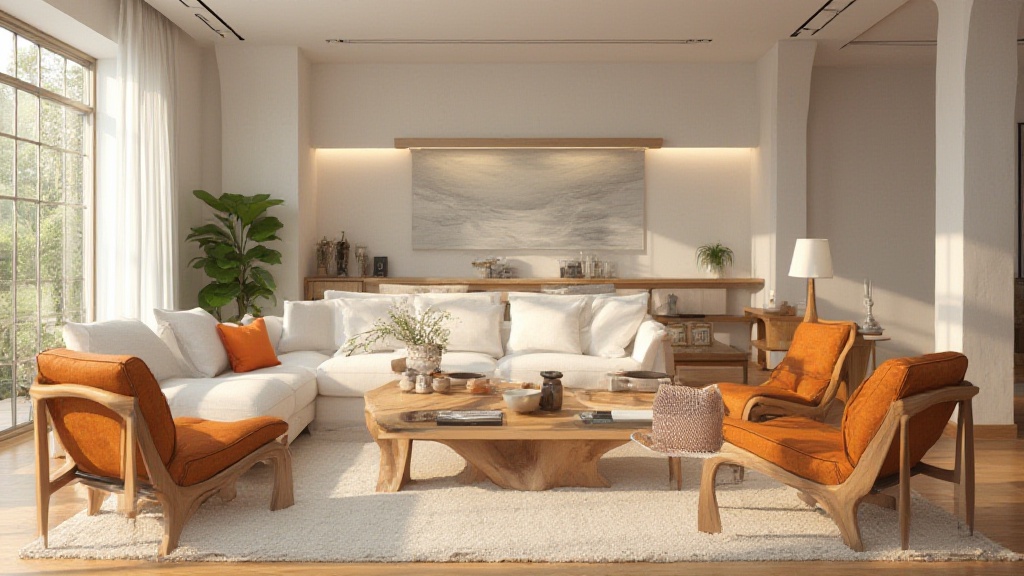
Choosing the right type of wood for your furniture significantly impacts both aesthetics and durability. Mango wood has gained traction, captivating modern design enthusiasts with its distinct charm.
In contrast, classic Oak stands as a time-honored choice, renowned for its strength and versatility.
By examining the features of each wood type, consumers can make informed decisions regarding their home furnishings.
Durability factors and aesthetic appeal differ notably, influencing how each material shines in various furniture styles. Ultimately, both options offer unique advantages to enhance your living space.
Click here to learn more about: mango wood vs oak furniture
Mango Wood Vs Oak: A Furniture Comparison
Delving into the unique properties of Mango wood uncovers its surprising resilience paired with a softer texture.
This wood excels in decorative pieces, highlighting intricate grain patterns that captivate viewers. Oak, conversely, is synonymous with lasting durability, perfect for high-traffic items like dining sets.
Its natural beauty complements a range of design aesthetics, establishing it as a timeless option.
When selecting between these woods, consider the intended use: Mango wood is ideal for accent pieces, while Oak stands out in furnishings where longevity and furniture quality are essential.
Tip: Consider your lifestyle and the furniture’s purpose when making a choice between these two popular wood types.
Properties of Mango Wood
Mango wood is a sustainable material known for its eco-friendly qualities.
Its rich hues and natural finishes create an inviting charm, perfect for enhancing indoor decor. The wood durability of mango allows for beautiful custom furniture options that showcase artisan craftsmanship.
Since it is softer than oak, it may not be as resistant to wear, making it better suited for low-traffic areas.
Properties of Oak
Oak embodies a classic aesthetic with its prominent grain patterns and rich texture variety. Celebrated for its strength and longevity of materials, this wood withstands seasonal changes and is less likely to warp.
Its versatility in design allows it to fit seamlessly into both traditional and contemporary pieces, making it an ideal choice for long-lasting furnishings.
Oak’s furniture maintenance requirements are generally straightforward, ensuring it remains a practical option over time.
Practical Tips for Selection
- Evaluate the environmental impact of your wood choice to prioritize sustainability.
- Consider color variations and how they match your existing decor.
- Assess wood treatments to enhance durability and resist wear.
- Explore finishing techniques to achieve the desired look for your furniture.
Ultimately, whether you lean towards Mango wood or Oak, each wood offers distinct characteristics that can elevate your furniture and complete your home’s style. Explore the unique charm of aged weathered finishes to add depth and character to your pieces, enhancing their overall visual appeal.
Exploring Hardwood Varieties For Your Home
Selecting the right hardwood varieties significantly influences the aesthetic appeal of your home furnishings and their functionality. Hardwood options like oak and mango wood are widely celebrated for their wood durability, ensuring longevity and resilience against wear.
To identify different hardwoods, closely observe their grain patterns and color variations, which offer distinct clues to each species’ unique characteristics.
For example, oak features striking grain patterns, while mango wood showcases a remarkable visual appeal.
Ultimately, selecting the appropriate hardwood variety enhances both the ease of furniture maintenance and the aesthetic appeal of your interiors, creating an inviting atmosphere in your living space.
Identifying Different Hardwood Varieties
When examining hardwood species for your design aesthetics, grain orientation is essential. Here are some tips to help you identify various hardwoods:
- Oak: Recognizable for its pronounced grain patterns and strength, oak often comes in light or dark tones, contributing to classic styles.
- Maple: Characterized by its smooth surfaces, maple has a fine, uniform grain that often features color matching with various stains.
- Cherry: Known for its rich color variations, cherry wood develops a beautiful patina over time, enhancing its aesthetic appeal.
- Mango: Offers unique visual appeal due to its colorful grain and durability, making it a versatile option for custom furniture.
Understanding The Importance of Sustainable Materials
Furniture choices directly impact our environment, emphasizing the need for sustainable materials in home design. Sourced responsibly, ecofriendly wood embodies renewable resources, promoting sustainable forestry practices that ensure future availability.
By thoughtfully incorporating sustainable wood into your indoor decor, you can enhance your home’s aesthetic while actively working to minimize your carbon footprint.
Consider using vintage or reclaimed timber, as it contributes to unique designs and rustic charm.
Ways to Incorporate Sustainability in Home Design
Embracing sustainable materials within your home can be seamlessly integrated into various aspects of design. Here are some effective methods:.
- Utilize reclaimed wood for flooring or furniture, offering both character and history to your space.
- Select furnishings crafted from eco-friendly wood, ensuring minimal environmental impact.
- Experiment with aged weathered finishes that enhance your decor through artisan craftsmanship and vintage aesthetics.
- Prioritize natural finishes that highlight the unique characteristics of each wood species and its longevity.
Every choice toward sustainable materials enriches your living space and plays a significant role in preserving the planet for future generations.
Hardwood and Sustainability
- Hardwoods like oak and maple are known for their durability, providing long-lasting furniture solutions.
- Using reclaimed wood reduces waste and minimizes the demand for new timber, supporting sustainable forestry practices.
- Eco-friendly wood options help lower your home’s carbon footprint while maintaining aesthetic appeal.
- Natural finishes on wood furniture enhance its beauty and longevity, showcasing the unique characteristics of each species.
Exploring Wood Durability In Furniture Choices
Selecting furniture with lasting appeal involves a deep dive into wood durability. Various factors influencing longevity encompass wood type, environmental conditions, and the commitment to ongoing maintenance.
Hardwoods like oak are renowned for their remarkable durability, whereas softer wood species might sustain damage more readily.
Humidity and temperature variations can significantly compromise the integrity of wood, underscoring the necessity for thoughtful care.
A regular cleaning routine is essential; simply dusting with a soft cloth can mitigate grime buildup. Applying a protective finish not only enhances wood durability against moisture and scratches but also ensures that your furniture continues to enhance your home furnishings for years to come.
Analyzing Grain Patterns: Mango Vs Oak
The appeal of furniture often lies in its grain patterns, which significantly influence both aesthetics and choice.
Mango wood showcases a vibrant and varied grain that catches the eye, while oak delivers a classic and sophisticated appearance with its distinctive lines. These wood species characteristics affect durability and help frame your selection process.
Dense, tightly packed grains are generally indicators of better resistance to wear, making oak a preferred option for long-term investment.
While evaluating your options, consider your space and aesthetic: choose mango for a pop of liveliness or oak for a more formal tone.
Ultimately, aligning with your taste is key to ensuring both visual and practical satisfaction.
The Role of Grain Patterns in Durability
Grain patterns do not merely enhance visual appeal; they also connect back to the wood durability previously discussed. Choosing wood with a robust structure can contribute to long-lasting furniture.
Comparing hardwood varieties like mango and oak allows for informed decisions that reflect both style and strength.
Practical Tips for Selecting Based on Grain Preference
When making a decision influenced by grain preference, consider the following practical tips:.
- Assess weight distinctions: Heavier woods often provide greater durability.
- Consider texture differences: Smoother surfaces may be easier to maintain.
- Evaluate color variations: Ensure aesthetic appeal aligns with your overall design theme.
“Choosing the right grain pattern can enhance not just the look of your furniture, but its longevity and structural integrity. ”
These elements combined will allow you to strike a balance between design aesthetics and functional longevity while selecting your ideal, durable furniture.
Wood Durability and Grain Patterns
- Hardwoods like oak are more resistant to wear and tear compared to softer wood species.
- Humidity and temperature fluctuations can negatively affect the integrity of wood, making maintenance crucial.
- Dense grain patterns are generally indicative of better durability and longevity in furniture.
- Choosing the right grain pattern can enhance both the aesthetic appeal and structural integrity of furniture.
The Role Of Aged Weathered Finishes In Aesthetics
Aged weathered finishes create an engaging visual narrative for wood, infusing it with distinctive character that resonates with a time-worn beauty. These finishes enhance the wood’s inherent charm while transforming its appearance, making it an integral part of the wood selection process.
Techniques such as distressing and color washing can significantly highlight the rustic charm and textural depth of surfaces, ensuring that each piece stands out as a captivating focal point in your decor.
Choosing the Right Finish
When considering wood finishes for your furniture, it’s essential to match the finish with the wood type.
For example:.
- Deep stains effectively enhance rich woods like Mango.
- Lighter washes showcase the elegance of finer grains such as Oak.
By understanding the relationship between wood species and finishing techniques, you can achieve a balanced aesthetic that enhances your space.
How Do Furniture Styles Affect Your Decor
The ambiance of a room is largely shaped by furniture styles, which are profoundly impacted by wood selection. Different styles resonate with unique wood characteristics. For example:.
- Rustic styles often incorporate reclaimed wood, bringing warmth and character with aged finishes.
- Modern designs typically feature sleek woods like Maple, promoting clean lines and smooth surfaces for a contemporary vibe.
Defining A Room’s Aesthetic
Choosing compatible wood species plays a critical role in defining your room’s overall aesthetic. To seamlessly blend various styles and enhance your interior design compatibility, consider the following tips:.
- Mix woods in similar tones, such as pairing Birch with warmer shades to create a cohesive look.
- Incorporate furniture trends that reflect artisan craftsmanship and unique designs to add character.
This approach cultivates a dynamic decor scheme that harmonizes different elements, enhancing the overall visual appeal of your space.
Aged Weathered Finishes
- Aged finishes can increase the perceived value of furniture by adding a unique character.
- Distressing techniques can enhance the visual texture, making each piece one-of-a-kind.
- Wood finishes can influence the mood of a space, with darker stains providing warmth and lighter washes creating an airy feel.
- Incorporating various wood types can enhance the design narrative, creating a more inviting atmosphere.
Evaluating Cost Analysis For Mango And Oak Furniture
Analyzing the cost analysis of Mango wood versus Oak reveals important insights for homeowners. Mango wood presents a budget-friendly option, typically costing around $500 for a dining table, while Oak, valued for its longevity, may range up to $1,200.
The initial price difference is significant, but durability factors must also be considered.
- Mango Wood:
- Less expensive, making it accessible for various budgets.
- Moderate durability, suitable for low to medium traffic areas.
- Oak Wood:
- Higher initial investment, recognized for its strength and longevity.
- Often results in fewer replacements, leading to long-term savings.
Investing in quality furniture often translates to cost savings over time.
When evaluating the cost-benefit relationship of each wood type, those who prioritize sustainable materials might lean towards Mango, as it can be sourced from responsibly managed forests. Meanwhile, Oak’s robust characteristics contribute to its environmental impact by ensuring furniture lasts for many years. This longevity aids in reducing waste over time and adds versatility in design.
Practical Example of Budgeting for Wood Furniture
Creating a practical budget for wood furniture involves understanding wood species characteristics and their respective market availability. Here’s a simple breakdown:
- Identify your design aesthetics and choose between Mango or Oak based on your style.
- Research prices in your area—typically, Mango offers more affordable options.
- Consider any finishing techniques you may want, as this can alter the final cost.
For example, selecting a rustic charm Mango dining table, complete with aged weathered finishes, allows for a unique piece that remains aesthetically appealing while staying within budget constraints. In contrast, opting for an Oak table might involve higher costs initially but would result in a timeless piece with serious longevity of materials.
By weighing these options carefully, homeowners can navigate the furniture comparison effectively and make informed decisions that meet both their financial and aesthetic needs.
- Mango wood is typically priced around $500 for a dining table, making it a more affordable choice for homeowners.
- Oak wood, while more expensive at around $1,200, is known for its strength and long-lasting durability.
- Investing in quality furniture can lead to significant cost savings over time due to reduced replacements.
- Mango wood can be sourced from sustainably managed forests, appealing to environmentally conscious consumers.