

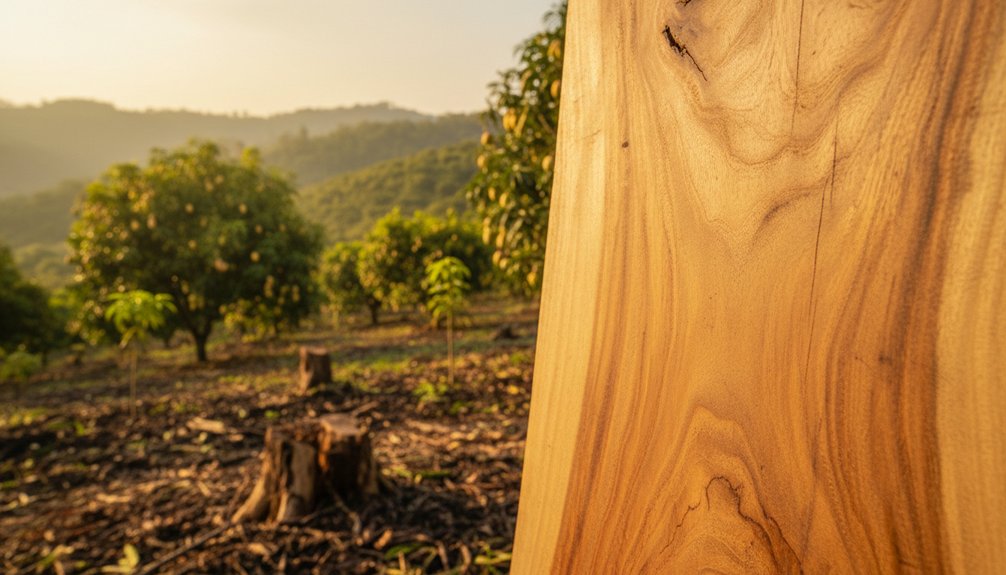
Mango wood furniture qualifies as a sustainable option because it utilizes wood from mango trees that have reached their 15-20 year productive lifespan. Farmers cut down these trees to make room for new saplings, which keeps the cycle of growth continuous. This practice repurposes wood that would otherwise be discarded or burned, reducing waste.
Mango wood furniture offers durability and strength comparable to traditional hardwoods, yet it avoids the long growth periods associated with those materials. Sustainable sourcing of mango wood furniture hinges on several factors, including manufacturing practices, transportation distances, and finishing treatments. It is crucial for consumers to inquire about these aspects before making a purchase to ensure they are supporting environmentally sound practices.
When evaluating mango wood furniture, consider the entire supply chain. Check where the wood is sourced, how it is processed, and what treatments are applied. Understanding these details will help you make an informed decision that aligns with your sustainability goals.
Is Mango Wood Furniture Actually Sustainable?
Mango wood furniture represents a sustainable choice in the eco-friendly furniture market. Farmers cultivate mango trees primarily for fruit production. After approximately 15-20 years, when the trees no longer produce mangoes, farmers typically cut them down. Instead of burning or discarding the wood, furniture makers repurpose it into durable furniture. This repurposing reduces waste and helps avoid deforestation of other hardwood species.
By using mango wood, manufacturers significantly lessen the environmental impact associated with virgin forest destruction. Additionally, mango wood requires fewer chemical treatments compared to other types of wood because it naturally resists certain pests. This means that when you purchase mango wood furniture, you support the recycling of material that would otherwise be discarded.
How Does Mango Wood Compare to Teak, Oak, and Pine Environmentally?
Mango wood provides an environmentally friendly option compared to traditional hardwoods like teak, oak, and pine. Mango wood comes from reclaimed fruit trees that are no longer productive, offering a sustainable alternative to timber sourced from virgin forests.
Teak takes 25-50 years to mature, while mango trees become ready for harvest after just 15-20 years of fruit production. This shorter growth cycle makes mango wood a more sustainable choice.
Oak trees require 80-120 years to reach harvest size, significantly impacting the environment. In contrast, pine grows faster, taking about 25-30 years, but its wood is softer and less durable than mango wood. Mango wood matches the durability of these hardwoods while minimizing environmental depletion.
Using mango wood reduces the carbon footprint because it repurposes agricultural byproducts instead of relying on purpose-grown timber. Additionally, solid wood furniture made from mango wood offers unique color variations and grain patterns, enhancing its aesthetic appeal while maintaining sustainability.
Furthermore, cultivating mango trees supports farming communities economically, as it utilizes land that would otherwise be unproductive. This approach not only provides quality furniture material but also promotes sustainable practices within the agricultural sector.
Why Mango Tree Harvesting Is Considered Renewable
Mango tree harvesting is renewable because it maintains a cycle of continuous fruit production. Mango trees progress through clear life stages, and each stage supports sustainable harvesting practices in the following ways.
| Life Stage | Primary Function | Timeline |
|---|---|---|
| Young trees (0-10 years) | Begin producing fruit | Start yielding usable quantities |
| Mature trees (10-15 years) | Achieve maximum fruit yield | Optimal harvesting period |
| Old trees (15+ years) | Produce less fruit | Suitable for lumber conversion |
Farmers actively replace aging mango trees with new saplings. This replacement ensures that mango orchards continue to produce fruit throughout the years. When old trees are cut down, farmers utilize the wood for furniture or other products instead of letting it go to waste. This practice supports local agricultural communities and prevents deforestation.
Sustainable harvesting methods keep mango orchards productive. By maintaining a cycle where young trees grow alongside old trees, farmers create economic value. This approach allows the land to be used effectively, providing continuous fruit without depleting resources. Harvesting mangoes, therefore, exemplifies a responsible agricultural practice that benefits the environment and local economies.
What’s the Carbon Footprint of Mango Wood Furniture?
Mango wood furniture has a carbon footprint that varies significantly based on multiple factors. The environmental impact starts with the harvesting of mango wood, which is a renewable resource, but it doesn’t end there. You must also consider the distances for transportation, the methods used in manufacturing, and the types of finishing treatments applied. Conducting a lifecycle analysis helps to clarify the total environmental impact of mango wood furniture.
Mango trees sequester carbon effectively while they grow, absorbing carbon dioxide (CO2) from the atmosphere for a period of 15 to 30 years. This carbon sequestration is beneficial, but it can be negated by long-distance shipping. For instance, when mango wood furniture is transported from Asia to Western markets, the transportation emissions can add significantly to the overall carbon footprint.
On the other hand, local manufacturing greatly reduces these emissions. The finishing process can also influence the carbon footprint. Natural oils and water-based treatments result in lower emissions compared to chemical varnishes.
Local production paired with natural finishes dramatically cuts emissions, making mango wood furniture a genuinely sustainable choice.
When you choose locally-made mango wood furniture with eco-friendly finishes, you enhance sustainability by minimizing both transportation emissions and the environmental impact from manufacturing processes. This approach maximizes the renewable benefits of the wood while reducing overall emissions.
How Long Does Mango Wood Furniture Last?
When you invest in mango wood furniture, expect it to last between 10 to 20 years. Several factors influence this lifespan, such as the quality of craftsmanship, environmental conditions, and maintenance practices. Proper care can significantly extend the durability of your mango wood pieces beyond the average lifespan.
To maximize the lifespan of mango wood furniture, focus on regular maintenance. Clean surfaces with a soft, damp cloth to remove dust and avoid harsh chemicals that can damage the finish. Additionally, keep mango wood furniture away from direct sunlight and humidity to prevent warping and fading.
Understand that while mango wood is durable, it isn’t impervious to damage. Scratches can occur from heavy use, and exposure to extreme temperatures can weaken the wood. Use coasters and placemats to protect surfaces from heat and moisture.
When considering the lifespan of mango wood furniture, look for high-quality pieces from reputable manufacturers. Inspect joints and finishes for signs of craftsmanship. Well-made furniture will typically withstand wear and tear better than lower-quality alternatives.
Average Lifespan Expectancy
Mango wood furniture has a lifespan of 15 to 25 years when you maintain it properly. This longevity positions mango wood as a strong eco-friendly alternative to traditional hardwoods. The lifespan of mango wood furniture depends on several key factors.
Quality of construction impacts the furniture’s durability. Well-built pieces utilize effective joinery techniques, which enhances their longevity.
Environmental conditions also play a crucial role. High humidity and fluctuating temperatures can destabilize the wood, leading to potential damage over time.
Maintenance routines are essential. Regular cleaning and periodic oiling keep the wood in good condition, preserving its structural integrity.
Usage intensity directly affects the furniture’s lifespan. Daily wear and tear can weaken the structural components, reducing overall durability.
Mango wood has natural resistance to warping and splitting when treated correctly. Investing in high-quality mango wood furniture and following proper maintenance practices can significantly extend its functional life, often exceeding the average lifespan of 15 to 25 years.
Factors Affecting Durability
Understanding the factors that influence mango wood’s durability helps you make informed decisions when purchasing furniture and maintaining it. Key factors determine how long your mango wood pieces will last.
Wood density directly affects durability. Mango wood has a moderate density, which provides a balance of strength and workability. Higher density increases resistance to dents and scratches, enhancing the wood’s longevity.
Moisture content significantly impacts the wood’s lifespan. Properly kiln-dried mango wood, with a Moisture content of 8-12%, resists warping, cracking, and decay. Excess moisture can lead to mold growth and weaken the wood structure, reducing durability.
The quality of the finish plays an important role in protecting mango wood furniture. High-quality sealants guard against water damage and UV exposure. Regular maintenance, including dusting and applying conditioner occasionally, helps extend the lifespan of the furniture.
Environmental conditions also affect mango wood’s durability. Extreme temperature changes and high humidity can accelerate deterioration. Maintaining a stable indoor environment preserves the integrity of the wood, allowing it to last longer.
Proper Maintenance Extends Life
Mango wood furniture requires consistent maintenance to last between 20 and 25 years or even longer. Following specific care practices protects the furniture and keeps its appearance intact. A routine maintenance schedule helps prevent common issues such as warping, cracking, and fading.
Essential care practices include:
- Dust weekly using a soft, dry cloth to stop dust buildup that can scratch the surface.
- Clean spills immediately with a damp cloth and then dry the area thoroughly to prevent water damage.
- Apply furniture polish every few months to nourish the wood and keep its natural luster.
- Avoid placing furniture in direct sunlight or near heat sources to prevent discoloration and drying.
Implementing these maintenance practices ensures the structural integrity and beauty of mango wood furniture are preserved for decades.
Regular attention to these details will greatly extend the life of your investment.
Does Mango Wood Require Toxic Chemical Treatments?
Mango wood doesn’t require toxic chemical treatments to be durable. Manufacturers typically utilize kiln-drying to reduce moisture content, which prevents warping and cracking without using harmful substances.
Some producers apply natural oils or water-based finishes to protect the wood’s surface, which are much safer alternatives compared to traditional chemical varnishes.
However, it’s essential to confirm that your furniture maker adheres to sustainable practices. Some companies still use chemical preservatives or stains, which can compromise the eco-friendliness of the product.
Look for certifications or ask the manufacturer directly about their treatment processes to ensure safety.
Reputable manufacturers usually avoid toxic chemicals because mango wood has natural density and resistance to decay. This characteristic makes aggressive treatments unnecessary for indoor furniture applications.
Always prioritize manufacturers who emphasize eco-friendly practices in their production processes.
Can You Recycle or Compost Old Mango Wood Furniture?
Disposing of old mango wood furniture requires considering the treatments used during its manufacturing.
Before discarding mango wood furniture, identify whether it’s chemically treated or natural, as this determines safe disposal options.
Untreated mango wood is more eco-friendly for recycling and composting compared to chemically treated wood.
Composting Untreated Mango Wood****: You can compost untreated mango wood by breaking it down into smaller pieces. These smaller pieces can be added to your home composting system, where they’ll decompose naturally over the course of 1-2 years.
Repurposing Old Furniture: If the mango wood furniture is still in decent condition, consider repurposing it. You can transform it into new items such as shelving units, picture frames, or garden planters before deciding to discard any remnants.
Utilizing Recycling Programs**: Reach out to local wood recycling centers that accept finished mango wood furniture. These centers typically separate treated wood from untreated wood, ensuring proper recycling processes** are followed.
Donating to Biomass Facilities****: If the mango wood furniture is unusable, donate it to biomass facilities. These facilities convert wood waste into renewable energy through controlled burning.
Limitations for Chemically Treated Wood: Don’t compost or burn chemically treated mango wood at home. Treated wood can release harmful substances, making it unsuitable for both composting and burning.
Always check the type of treatment applied to your mango wood furniture before deciding on a disposal method.
Are Mango Wood Suppliers Certified for Sustainable Harvesting?
Certification systems verify whether mango wood suppliers engage in sustainable harvesting practices. Reputable furniture manufacturers prioritize suppliers with Forest Stewardship Council (FSC) certification or similar credentials. These certifications ensure that the mango wood comes from responsibly managed sources that maintain ecological balance.
However, many suppliers operate smaller farms where formal certification may not be financially viable. As a result, not all mango wood carries official certification.
When you shop for mango wood furniture, seek brands that emphasize supplier transparency. Companies committed to sustainability typically provide clear information about their wood sources and harvesting methods. You can find this information in product descriptions or on company websites. Additionally, contacting customer service directly can help you learn about the suppliers’ practices and any certifications they may hold.
It’s important to recognize that while certification is a strong indicator of sustainable practices, it isn’t the only measure. Smaller suppliers may still adhere to sustainable harvesting methods even without formal certification. Therefore, evaluating a supplier’s practices and transparency is crucial when choosing mango wood furniture.
What Are the Hidden Emissions in Mango Wood Production?
Understanding the carbon footprint of mango wood furniture involves examining the emissions generated during its production. While mango trees absorb carbon as they grow, various production processes introduce hidden emissions that buyers should recognize.
Transportation generates significant emissions. Moving raw mango lumber from tropical farms to manufacturing facilities and then to global markets consumes a lot of fossil fuels. This transportation phase contributes heavily to the overall carbon footprint.
Kiln drying is another source of emissions. Industrial kilns require substantial energy to reduce the moisture content in mango wood before it can be used for furniture. This energy consumption adds to the carbon impact of the wood.
Manufacturing equipment also contributes to emissions. Power tools, sanders, and finishing machinery use electricity, which often comes from non-renewable sources. The electricity required for these processes increases the environmental burden of mango wood production.
Chemical treatments present additional emissions. The application of protective coatings and stains releases volatile organic compounds, which can harm air quality. These compounds contribute further to the overall emissions associated with mango wood furniture.