

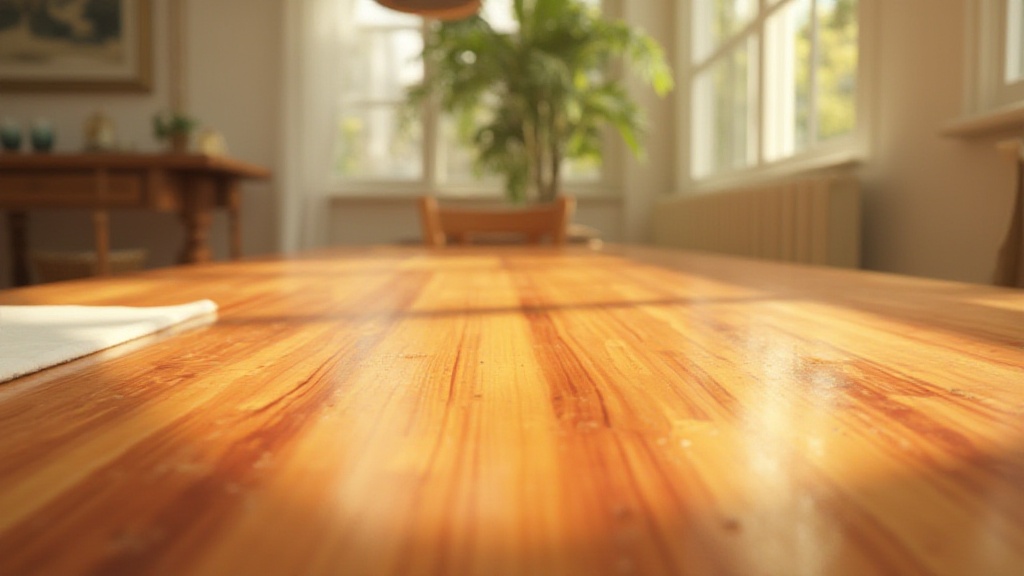
Polishing mango wood can transform your furniture into a stunning centerpiece, showcasing its natural beauty and grain. Begin by gathering essential wood care products for effective results.
Thoroughly clean the surface to remove dust and dirt, which is critical for optimal polishing.
Next, select a finish that enhances the wood grain, ensuring it aligns with your piece’s aesthetic.
For superior luster enhancement, utilize eco-friendly wood oils or polishing compounds that nourish the wood. Employ soft buffing cloths to achieve a brilliant shine, applying protective layers that extend longevity.
Click here to learn more about: mango wood furniture care made easy
Preparing Your Mango Wood Surface
Surface preparation heralds a beautiful finish on mango wood.
Assess the type of aged weathered finish you want to apply, ensuring its compatibility with the specific wood characteristics. Effective sanding techniques refine the wood’s texture, enhancing its natural beauty and imparting rustic charm.
Always sand in the direction of the grain to avoid scratches and promote a uniform appearance.
After sanding, meticulous cleaning of the surface is essential, eliminating dust and preparing it for a stunning finish that showcases the wood’s aesthetic appeal.
Aged Weathered Finishes
Using aged weathered finishes adds a sense of time-worn charm and character to mango wood.
This technique mimics the aging process, lending authenticity to your furniture. Common methods include distressing, layering, and color washing, creating a look that feels both rustic and vintage.
Choosing the Right Finish
Selecting the right natural wood finish enhances the overall aesthetic.
Finishes such as waxing or using eco-friendly oils can add depth and a protective sheen. A gloss finish reflects light beautifully, while a matte finish offers a subtle, understated look.
Applying the Finish
Application of your chosen finish is crucial for achieving the desired results.
Use quality polishing oils and ensure even distribution across the surface.
Employ polishing pads for a smooth application process.
Take care to apply multiple thin coats, maximizing wood preservation and enhancing the natural wood texture.
Maintenance Tips
For ongoing furniture maintenance, routinely apply suitable wood care products to sustain the polished look. Regular dusting and occasional reapplication of furniture polish or oils will maintain the integrity and beauty of your mango wood furniture.
What Are Effective Wood Polishing Techniques
Employing effective wood polishing techniques significantly enhances the beauty of aged weathered finishes. Utilizing these methods is essential for improving the longevity of wooden surfaces while preserving their rustic charm.
For mango wood care, applying a gentle polishing cloth along with natural oils can remarkably restore its luster without overwhelming its unique grain pattern.
When addressing harder woods like oak, incorporating proper sanding techniques before applying a protective coat can emphasize its character and depth.
Regular polishing, ideally every six months, plays a pivotal role in ensuring that the wood retains its desired appearance and withstands the test of time. Here are some effective polishing techniques to consider:
- Utilize a soft buffing cloth for optimal results.
- Incorporate natural oils for a nourishing effect.
- Apply finishing wax to enhance sheen levels.
- Consider polishing pads for easier application.
Choosing The Right Polishing Compounds
The selection of appropriate polishing compounds can profoundly influence the overall aesthetic appeal of aged weathered finishes. Matching compounds to the characteristics of various wood species ensures authentic results, showcasing their natural beauty. For instance, utilizing natural wood finishes such as oils or waxes serves to enhance the allure of mango wood, while opting for silicone-free products is advisable for softwoods to prevent buildup. Here are some important considerations:
Testing Polishing Compounds
Before full application, conducting a small test on inconspicuous areas is crucial. This practice helps determine compatibility and ensures the achievement of the desired finish without any mishaps. Pay attention to the following:.
- Ensure grain filler aligns with the wood characteristics.
- Evaluate sheen enhancement based on personal preference.
- Explore different polishing methods for various effects.
Considering Wood Aesthetics
Understanding the unique grain pattern and texture of your wood type can guide you in selecting the right products. For example, finishes that provide moisture resistance and UV protection can extend the life of your surfaces, enhancing their rustic appeal. By carefully selecting the right polishing compounds, you can achieve an authentic look that resonates with timeless aesthetics.
Wood Polishing Techniques
- Regular polishing can extend the lifespan of wooden surfaces by protecting them from wear and tear.
- Natural oils not only restore luster but also nourish the wood, preventing it from drying out.
- Proper sanding before finishing enhances the wood’s character and allows for better adhesion of protective coatings.
- Testing polishing compounds on inconspicuous areas can prevent potential damage and ensure compatibility with the wood type.
How To Enhance Wood Grain Aesthetics
Highlighting wood grain aesthetics begins with the right finishing techniques. Various methods, such as staining and oiling, significantly influence how light interacts with the grain.
By utilizing rustic aesthetic techniques, it is possible to enhance the natural grain patterns of the wood while ensuring its inherent beauty remains intact.
For instance, employing distressing techniques like sanding or scraping can elevate imperfections, establishing a captivating time-worn charm.
Layering clear finishes enhances the grain’s depth, preserving its natural luster while contributing to the overall aesthetic appeal. Experimenting with color washes not only highlights unique grain patterns but also enriches the visual experience, embodying the essence of artisan wood finishes.
Tips For Maintaining Your Furniture Finish
To safeguard the rustic charm of your furniture and extend its longevity, proper maintenance strategies are essential.
Begin by opting for gentle cleaning solutions that protect aged finishes from damage. Regularly dust and wipe surfaces using a soft, dry cloth to maintain their natural sheen.
Incorporate routine inspections to monitor for scratches or wear that may need touch-ups.
Implementing protective layers, such as wax or ecofriendly wood oils, can significantly enhance durability.
Following these furniture care tips ensures that the aesthetic appeal of your treasured pieces endures for years to come, maintaining their character and charm through every season.
Enhancing Wood Grain Aesthetics
- Staining wood can enhance color and contrast, making grain patterns more pronounced.
- Oiling wood not only nourishes the surface but also enhances the depth of the grain.
- Distressing techniques can create a unique character in wood, adding to its rustic charm.
- Regular maintenance with gentle cleaning solutions helps preserve the finish and aesthetics of furniture.
Exploring Ecofriendly Wood Oils Benefits
Embracing sustainability in wood care practices opens the door for ecofriendly wood oils as effective alternatives. These natural wood finishes enhance the aesthetic appeal of aged surfaces while complementing traditional techniques.
When treated with eco-friendly options, wooden surfaces achieve a weathered look that exemplifies rustic charm and fosters environmental responsibility.
Ecofriendly wood oils, sourced from sustainable materials, not only contribute to wood preservation but also promote environmental sustainability.
To maximize effectiveness during application, ensure to use thin coats with appropriate brushes for better absorption, resulting in a refined finish.
Choosing eco-conscious products allows for a greener future while highlighting the natural beauty of wood grain and texture.
Application Techniques for Ecofriendly Wood Oils
For optimal results with ecofriendly wood oils, proper application techniques play a critical role. Start by preparing the surface with sanding techniques to enhance wood grain enhancement.
Applying oils with soft brushes in a circular motion promotes even absorption, ensuring a consistent sheen level and preserving the characteristics of the wood.
Utilizing natural oils as a wood conditioner not only nourishes but also provides moisture resistance. Incorporating these practices into your furniture maintenance regimen supports long-term durability and aesthetic appeal, making it a win-win for both the wood and the environment.
Best Practices For Using Buffing Cloths
Choosing the right buffing cloth significantly influences the final rustic appearance of your wood finishes.
Opting for materials like natural fibers or microfiber helps avoid scratches while ensuring a smooth texture.
Effective wood polishing techniques heavily rely on this selection, enhancing the shine of aged surfaces without causing damage.
Buffing Techniques that Enhance Shine
Employ gentle, circular motions during buffing to safeguard against surface damage.
Keeping your cloth clean is essential to prevent debris scratches that can detract from the finish. Integrating these best practices into your furniture care tips will elevate the natural luster of your aged surfaces, ensuring they maintain their vintage charm.
This careful approach yields beautifully polished results that celebrate the unique characteristics of your wood.
Utilizing polishing pads in conjunction with ecofriendly wood oils further boosts the natural luster of wood. For a seamless blend between traditional and modern methods, combining these techniques ensures your finishes not only shine but also contribute positively to the environment, reflecting a commitment to both craftsmanship and sustainability.
Ecofriendly Wood Oils and Buffing Techniques
- Ecofriendly wood oils are derived from sustainable sources, contributing to both wood preservation and environmental sustainability.
- Using thin coats during application enhances absorption and achieves a refined finish on wooden surfaces.
- Natural fibers and microfiber buffing cloths prevent scratches and enhance the shine of aged wood finishes.
- Employing gentle, circular motions while buffing protects the surface and elevates the natural luster of the wood.