

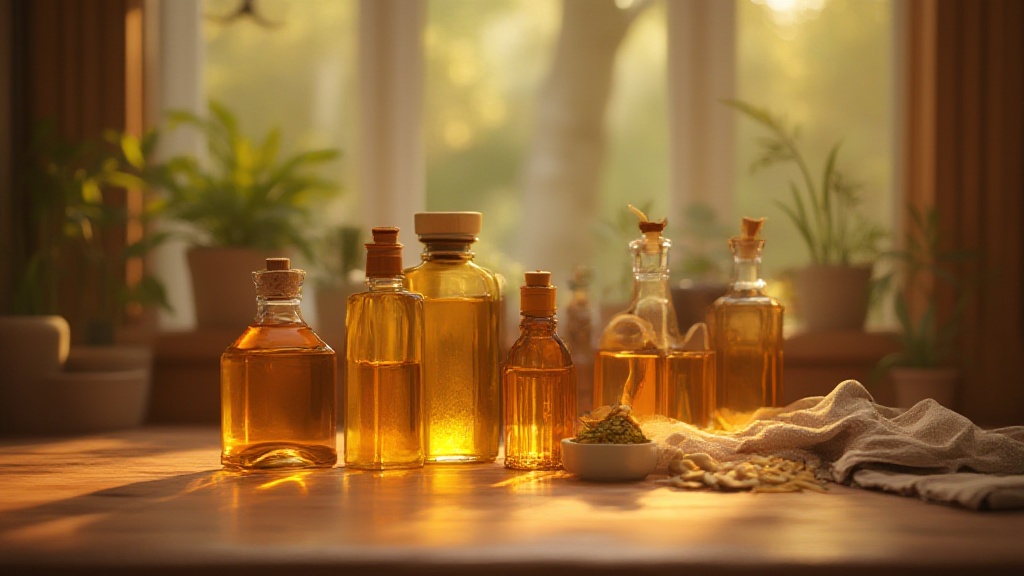
Choosing the best oils for oak wood significantly impacts its beauty and longevity. Natural oils, like linseed oil and tung oil, are excellent choices that nourish the wood while highlighting its inherent charm.
These oils offer surface protection, allowing the oak to breathe, which promotes a healthier finish.
Selecting the right oils can enhance the overall luster of your oak furniture, ensuring it stands the test of time.
Applying a penetrating finish is essential for protecting the wood grain and achieving a lasting shine. Incorporating appropriate wood treatment into your maintenance routine guarantees both aesthetics and durability.
‘Click here to learn more about:’ best oils for oak wood care revealed
Choosing the Right Wood Treatment
Adequate knowledge about oak wood’s unique characteristics is imperative for effective care.
Wood treatment methods should correspond to the wood’s intended use, whether for furniture, cabinetry, or outdoor decking. Eco-friendly oils are becoming increasingly popular, combining sustainability and safety.
Here are some considerations when selecting a wood treatment:.
- Type of use: Identify whether the oak will be indoors or outdoors.
- Eco-friendly options: Consider treatments low in VOCs, promoting a healthier environment.
- Testing: Always test on a small, inconspicuous area before full application to ensure compatibility.
Testing treatments prevents potential damage and helps achieve the exact finish you desire.
By applying these principles, you can maintain the strength and allure of oak wood while ensuring its beauty lasts for years.
Aged Weathered Finishes
The charm of aged weathered finishes evokes rustic aesthetics, lending character to oak wood. These techniques create a time-worn appearance, enhancing the wood’s surface to reach a beautifully aged effect:.
- Distressing: This technique involves creating intentional imperfections on the wood.
- Layering: Applying multiple finishes can create depth and history.
- Color washing: This technique allows the original wood grain to show through while adding a hint of color.
These methods are suitable for various DIY projects and professional restorations alike. Experimenting with different approaches can help you find your unique style.
Essential tools for achieving aged weathered finishes include brushes, spray guns, sandpaper, and staining cloths. Remember to prioritize safety when working with chemical finishes to maintain a healthy workspace.
Benefits Of Mineral Oil For Wood
Utilizing mineral oil for wood treatment results in numerous advantages. Primarily, its nontoxic nature ensures safety for kitchen items, so food and utensils remain free from contamination.
This characteristic makes mineral oil the ideal choice for cutting boards and wooden bowls.
This oil penetrates deeply, promoting grain enhancement while enriching the natural color of wood.
The outcome is a warm, vibrant finish that preserves its beauty over time. For optimal maintenance, consider reapplying mineral oil every 4 to 6 weeks.
Utilize a clean cloth for application and gently buff the surface for the best results.
How To Use Tung Oil Effectively
Achieving the best results with tung oil begins with meticulous surface preparation. Ensure the wood is free of dust and properly sanded, which creates optimal adhesion for the oil.
This attention to detail leads to a lasting finish.
The benefits of multiple coats become evident as additional applications enhance both durability and visual richness.
Allow for 24-hour drying times between layers; this facilitates thorough absorption and maximizes effectiveness. Tung oil shines in applications such as tabletops and wooden furniture, delivering a robust, water-resistant finish that embodies a natural, hand-rubbed look.
With each application, the craftsmanship and longevity of your wooden pieces are significantly enhanced.
Aged Weathered Finishes
Aged weathered finishes provide a sense of time-worn charm and character, often highlighted in rustic decor and vintage aesthetics. Techniques used for aging wood and other materials help achieve an authentic, worn appearance, making it suitable for furniture, walls, and various applications.
- Common Techniques: Distressing, layering, and color washing.
- Applications: Ideal for home decor, furniture restoration, and artistic creations.
- Aesthetic Appeal: These finishes lend a historical depth and authenticity to designs.
Whether for DIY projects or professional craftsmanship, aged weathered finishes can be skillfully applied to wood, metal, glass, and textiles. Popular in farmhouse styles and rustic interior design, techniques like sanding, staining, and glazing yield unique results.
Tip: Experiment with various methods on sample pieces to refine your techniques and discover your personal style.
Always prioritize safety when working with chemical finishes. It is essential to utilize eco-friendly products where possible for a sustainable approach.
- Mineral oil is safe for food contact, making it ideal for kitchen utensils and cutting boards.
- Tung oil provides a water-resistant finish, enhancing the durability of wooden surfaces.
- Aged weathered finishes can add historical depth and authenticity to furniture and decor.
- Techniques like sanding and glazing can yield unique aesthetic results in rustic design projects.
Linseed Oil: A Timeless Choice
Linseed oil remains a quintessential choice for woodworkers due to its rich history and effectiveness. Dating back centuries, ancient civilizations utilized linseed oil to protect and enhance wood surfaces.
Modern applications reflect its enduring relevance, as artisans embrace its natural appeal and eco-friendliness.
The drying process of linseed oil involves oxidation, which can vary in time based on conditions, influencing application techniques.
For best results, consider applying multiple thin coats, as this oil finish allows for better penetration and durability. Blending linseed oil with other finishes, such as varnish, can yield unique textures and depths, enhancing the overall aesthetic of the wood.
Application Techniques
When applying linseed oil, the right techniques can significantly improve results.
It is advisable to use a clean cloth or brush to ensure an even application of the oil treatment. Wiping off excess oil after application helps achieve a smooth and polished look.
Combining with Other Finishes
Blending linseed oil with tung oil or varnish creates a beautiful enhancement that showcases the wood grain.
This oil blend offers a protective layer while enriching the natural charm of the surface.
Each mixture can be tailored to achieve different effects, such as a satin finish or a glossy shine.
Understanding Danish Oil For Furniture
Danish oil provides a unique blend of oil and varnish that beautifully enhances wood while providing robust protection.
This combination ensures both penetration and surface sealing, making it ideal for various furniture types. Crafting a flawless finish requires careful application; using a brush or cloth ensures even distribution.
Following manufacturer guidelines on drying times is essential to prevent issues during the drying process.
Application Techniques
To maximize the protective qualities of Danish oil, proper application techniques are vital. Consider using a brush for detailed work and a cloth for larger surface areas.
This method ensures that the protective oil penetrates deeply and evenly.
Maintenance Tips
Regular upkeep can extend the finish’s life.
Suggested practices include:
- Dusting regularly to prevent buildup.
- Reapplication every few years to refresh the finish.
- Using gentle cleaners to maintain the surface without damaging the oil.
This care regimen will help preserve the durability and beauty of furniture treated with Danish oil, ensuring it retains its warm undertones and rich character for years to come.
Aged Weathered Finishes
Aged weathered finishes evoke a sense of time-worn charm and character, often seen in rustic decor and vintage aesthetics. Techniques to achieve this effect involve aging wood and other materials to create a rustic, worn look. Commonly used in home decor, furniture restoration, and artistic applications, these methods can include processes such as distressing, layering, and color washing.
Techniques Overview
Applying aged weathered finishes can add a sense of history and depth to designs. Tools commonly required may include brushes, spray guns, sandpaper, and rags. Experimentation is key to finding a personal style within the realm of aged finishes, so practice different methods on sample pieces to refine your techniques.
Eco-friendly Considerations
Using eco-friendly products is encouraged for a sustainable approach when working on aged finishes. Each technique can vary significantly based on the desired level of aging and finish, making it essential to choose products that align with your values while achieving the desired aesthetic.
Linseed Oil and Danish Oil
- Linseed oil has been used for centuries by ancient civilizations for wood protection.
- Danish oil combines oil and varnish, providing both penetration and surface sealing for enhanced protection.
- Regular maintenance, such as dusting and reapplication, can significantly extend the life of finishes on furniture.
- Eco-friendly products can be used in aged weathered finishes to promote sustainability while achieving desired aesthetics.
What Is Teak Oil And Its Uses
Teak oil serves as a highly effective wood treatment derived from natural sources. This ecofriendly oil is specially formulated to protect outdoor furniture from the elements. It generates a robust barrier against moisture, UV rays, and mildew, which helps in maintaining the integrity of wood furniture over time.
Periodic application of teak oil minimizes the risk of cracking and warping, especially in climates prone to harsh weather conditions.
Teak oil contributes to wood grain enhancement, revealing rich colors and patterns that create a warm, inviting finish, perfectly suited for outdoor settings.
For optimal performance, apply teak oil every 6-12 months; adjust this frequency based on prevalent climate conditions for best results.
Best Practices For Wood Conditioner
Utilizing a wood conditioner before finishing is essential for ensuring a smooth application of stains and paints. This method effectively prevents blotchiness and uneven absorption of finishes. Various wood species, such as oak and pine, require different conditioning techniques to achieve the best results.
For oak, consider a wood conditioner designed to enhance grain without overpowering its natural beauty. Pine may call for a different strategy due to its resin content; using a solvent-based conditioner can yield better outcomes.
Select a conditioner based on the specific wood species to ensure compatibility and effectiveness.
Always conduct a test on a small area to determine the best match for the desired outcome, enhancing the success of your wood treatment project.
| Teak Oil Benefits | Wood Conditioning Techniques |
|---|---|
| Protects against moisture and UV rays | Prevents blotchiness in finishes |
| Enhances wood grain and color | Different techniques for various wood species |
| Minimizes risk of cracking and warping | Conduct tests on small areas for best results |
Enhancing Finish Durability With Natural Oils
Using natural oils significantly enhances the durability of wood finishes. These oils penetrate deeply into the wood, creating a protective barrier that improves resistance to wear and tear.
For projects where moisture resistance is essential, like kitchen or bathroom surfaces, tung oil excels in delivering a water-resistant finish while providing surface protection.
Selecting the right oil for your specific project type can lead to tailored results.
For example, linseed oil is ideal for items that will experience moderate use, offering a moisturizing oil that enhances wood grain while preserving the finish’s integrity.
A perfect illustration of this is an oak table project, where applying tung oil resulted in a stunning, rich finish. This application beautifully highlights the natural beauty of the oak while ensuring the longevity of the finish against daily wear.
Choosing the Right Oil for Your Project
When selecting natural oils for your woodworking projects, consider the following factors:
- Project Type: Determine whether your project will be subjected to moisture or high traffic, which affects the choice between oils like tung oil and Danish oil.
- Desired Finish: Decide if you prefer a satin finish or a gloss finish as different oils will yield varying luster effects.
- Application Method: Consider how you will apply the oil, whether through brushing or cloth application, to achieve a smooth penetrating finish.
Effective oil application techniques can lead to remarkable results, enhancing the wood’s character and durability. Applied correctly, the oils can act as a wood conditioner, enriching the wood grain and providing long-term wood preservation.
Natural Oils in Wood Finishing
- Natural oils like tung oil provide excellent moisture resistance, making them suitable for high-humidity areas such as kitchens and bathrooms.
- Linseed oil enhances the natural grain of wood while offering a protective layer, making it ideal for moderately used items.
- Different application methods can affect the finish quality, with brushing and cloth application yielding distinct results.
- Proper oil application can serve as a wood conditioner, promoting long-term preservation and enhancing the wood’s character.