

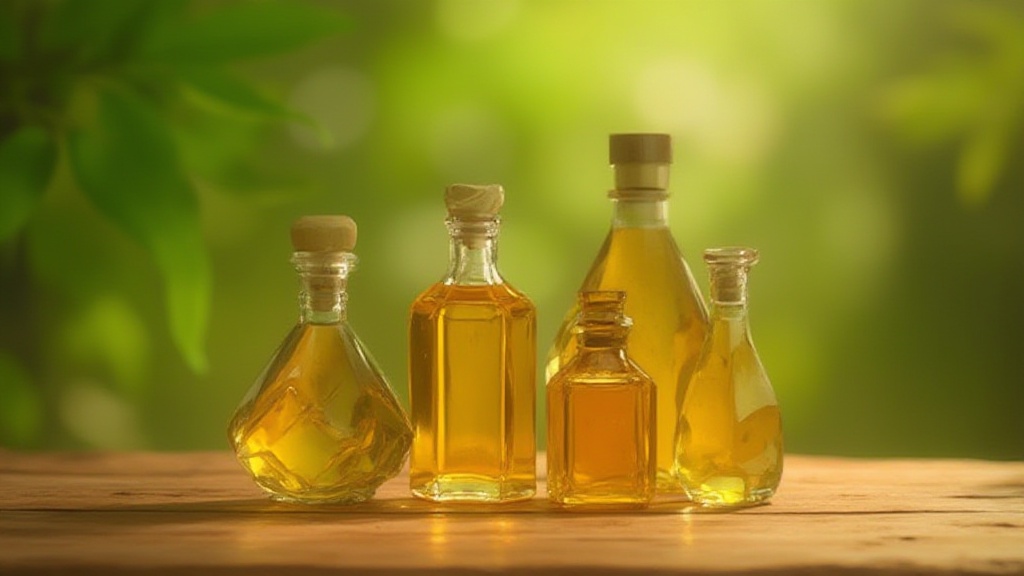
Choosing the right oils for mango wood can significantly enhance its natural beauty. Coconut oil and linseed oil stand out as exceptional options, providing nourishing properties and a protective coat.
These natural oils deeply penetrate the wood, enriching its luster and preventing issues like drying and cracking.
To maintain the eco-friendliness of your furniture, consider utilizing organic finishes.
Regular oil application is key for ensuring the longevity and attractiveness of your mango wood items while highlighting their unique grain and colors.
The right oil not only protects but enhances the character of mango wood.
Click here to learn more about: mango wood furniture care made easy
Choosing The Right Wood Conditioner
It is essential to evaluate the type of wood when selecting a wood conditioner for mango wood. The absorption rate of each product plays a crucial role in its effectiveness.
Various conditioners can alter grain visibility, so focus on one that enhances the natural patterns of the wood. When considering your project, keep these factors in mind:
- Compatibility: Choose a conditioner that aligns with the intended use, whether it’s furniture or crafts.
- Technique: Proper wood treatment techniques will significantly rejuvenate the surface.
- Desired Finish: Whether you prefer a matte, satin, or gloss finish, ensure your choice reflects your aesthetic preferences.
Each of these aspects contributes to maintaining the beautiful character of your mango wood items while providing necessary protection. A thoughtful selection of wood conditioners ensures that your projects not only look stunning but also last for years to come.
Benefits Of Tung Oil For Mango Wood
Utilizing tung oil on mango wood significantly enhances its natural beauty and durability. This oil effectively highlights the rich colors and intricate grain patterns, giving mango wood a stunning appearance that captivates the eye.
Tung oil creates a robust protective coat that guards against wear and tear, ensuring longevity.
This oil forms a water-resistant barrier, making it ideal for humid tropical climates where mango wood often thrives.
For optimal results, apply several thin coats with a clean cloth or brush, allowing each coat to absorb properly, enhancing wood grain and sheen.
How To Apply Mineral Oil
Effectively applying mineral oil is essential for maintaining mango wood. Begin by cleaning the surface with a damp cloth to eliminate dust and debris.
Next, use a soft cloth to generously apply mineral oil, following the wood’s grain to ensure even coverage. Afterward, wait for the oil to absorb for 15-30 minutes before buffing any excess to prevent a sticky finish.
Regular reapplication every 1-3 months maintains a food-safe finish while preserving the wood’s integrity and aesthetic appeal.
Tung Oil and Mineral Oil for Mango Wood
- Tung oil is derived from the seeds of the tung tree and is known for its water-resistant properties.
- Mango wood is naturally dense and durable, making it an excellent candidate for oil finishes that enhance its appearance.
- Regular maintenance with mineral oil helps prevent drying and cracking, ensuring the longevity of mango wood items.
- Applying oils in thin coats allows for better absorption and a more even finish, enhancing the wood’s natural beauty.
Enhancing Wood Grain With Walnut Oil
Using walnut oil effectively reveals the natural beauty in various types of wood, making it a standout choice for wood grain enhancement. This food-safe oil penetrates deeply, highlighting unique grain patterns and rich colors.
Walnut oil significantly enhances natural wood hues, delivering a warm luster that captivates the eye.
When discussing drying times, walnut oil dries within 24-48 hours, permitting quicker application than linseed oil, which typically requires a longer drying period.
For optimal care, a reapplication every three to six months ensures that wood surfaces stay vibrant and well-protected, accentuating the beauty of your furnishings.
The Benefits of Walnut Oil Application
- Provides a protective finish against wear and tear.
- Enhances wood beauty through rich color saturation.
- Allows for oil application techniques that are straightforward and effective.
Maintaining Mango Wood With Danish Oil
When considering the maintenance of mango wood, Danish oil serves as an excellent choice due to its ability to enhance the wood’s natural color while creating a protective finish. This wood preservation oil merges oil and varnish, establishing a durable layer that adds a beautiful sheen. For effective application, it is recommended to reapply Danish oil every 3-4 months for frequently used items. Decorative pieces, on the other hand, may only require treatment every six months. Prior to application, ensure to sand the surface lightly. This preparation helps achieve a clean and smooth foundation, allowing the oil to absorb effectively and maximize wood grain enhancement.
Tips for Applying Danish Oil
Tip: Lightly sand the surface before application to ensure optimal absorption and enhance the wood’s aesthetic appeal.
Why Choose Danish Oil?
- Provides a protective coat while enhancing color.
- Offers an aesthetically pleasing sheen that uplifts any decor.
- Supports eco-friendly oils for sustainable wood treatment.
Wood Finishing Oils
- Walnut oil is derived from the nuts of the walnut tree, making it a natural and food-safe option for wood finishing.
- Danish oil is a blend of oil and varnish, providing both nourishment to the wood and a protective layer against damage.
- Regular maintenance with these oils can significantly extend the lifespan of wooden furniture and enhance its visual appeal.
- Both walnut and Danish oils are easy to apply, making them suitable for DIY enthusiasts and professional woodworkers alike.
What Is A Foodsafe Finish?
A foodsafe finish guarantees that kitchenware remains safe for food contact. Such finishes should be non-toxic and compliant with health regulations, often gaining FDA approval.
The coatings enhance not only the protective qualities but also the wood’s natural beauty, particularly in mango wood items.
Natural foodsafe oils include mineral oil and tung oil, recognized for their safety and performance.
These finishes form a protective barrier while maintaining the wood’s integrity. Alternatives like shellac also serve well, functioning as a natural resin that is food-safe when adequately cured.
- Food-grade mineral oil: Ideal for cutting boards and utensils.
- Tung oil: Offers protection without toxic chemicals.
- Shellac: Natural resin that is food-safe when properly cured.
Tips For Using Protective Finishes
Considering the nuances of various protective finishes helps achieve desired results. Each finish—be it oils, varnishes, or waxes—serves different purposes while offering varied durability. Preparing surfaces before application is essential for optimal adherence; sanding and cleaning contribute to the process. Specific oil application techniques suggest maintaining ideal temperature and humidity for the best outcomes. Adequate ventilation remains important, especially for chemical-based finishes. Proper application of these coats ensures lasting beauty and functionality in kitchenware.
Surface preparation: Achieving a flawless finish significantly relies on effective surface preparation.
- Temperature and humidity: Optimal conditions for application ensure high-quality results.
- Ventilation: Confirm adequate airflow while applying chemical-based finishes to avoid harmful fumes.
Aged Weathered Finishes
Aged weathered finishes evoke a sense of time-worn charm and character, often ideal for rustic decor aesthetics. These techniques age wood and other materials, imitating the natural aging process to bring authenticity to furniture and surfaces. Commonly utilized in home decor, furniture restoration, and artistic applications, these methods include distressing, layering, and color washing, contributing to a rich sense of history.
- Distressing techniques: Create textures that add depth.
- Weathered paint effects: Enhance the visual appeal with vintage looks.
- DIY furniture restoration: Achievable through various artistic methods.
Applying aged weathered finishes to wood, metal, glass, and textiles proves popular in farmhouse styles and rustic interior design. Techniques such as sanding, staining, and glazing yield unique results, while eco-friendly products offer a sustainable approach. Experimentation becomes essential in discovering personal style within the realm of aged finishes, with resources available for tutorials.
Safety measures: Important when working with chemical finishes to ensure a safe working environment.
Tools required may include brushes, spray guns, sandpaper, rags, and staining cloths, making it accessible for both DIY enthusiasts and professional craftsmen.
Foodsafe Finishes
- Foodsafe finishes must be non-toxic and compliant with health regulations, often requiring FDA approval.
- Natural oils like mineral oil and tung oil create a protective barrier while preserving the wood’s integrity.
- Proper surface preparation, including sanding and cleaning, is crucial for achieving a flawless finish.
- Aged weathered finishes can enhance the aesthetic appeal of various materials, making them popular in rustic decor.
Revitalizing Oils For Longlasting Beauty
Enhancing the aesthetic appeal of wooden surfaces can be vastly achieved with revitalizing oils. These natural oils, including tung oil and walnut oil, effectively rejuvenate wood, bringing forth its natural grain and luster.
Regular oil application not only prevents drying and cracking but also creates a protective coat that can significantly extend the lifespan of your furniture.
Choosing the Right Oil Based on Wood Type
For optimal results in wood preservation, understanding the properties of different oils is essential.
For example, teak oil is particularly suited for dense types of wood, while lighter oils are beneficial for porous varieties.
This careful selection helps in maximizing the benefits of the chosen oil during the oiling technique, ensuring proper penetration and surface enhancement.
Handy Tip for Oil Application
For an effective oiling technique, it’s advisable to apply oils liberally using a clean cloth, allowing the product to absorb properly. Regular maintenance with hydrating oils enables a radiant finish that showcases the natural beauty and texture of the wood grain.
Well-applied oils not only boost the sheen of the surface but also provide UV protection, making it a critical part of wood treatment practices for furniture.
Revitalizing Oils
- Natural oils like tung and walnut oil enhance the wood’s natural beauty and grain.
- Regular application of revitalizing oils can significantly prevent wood from drying and cracking.
- Teak oil is ideal for dense woods, while lighter oils are better for porous varieties, ensuring effective penetration.
- Hydrating oils not only improve sheen but also provide UV protection, prolonging the life of wooden furniture.