

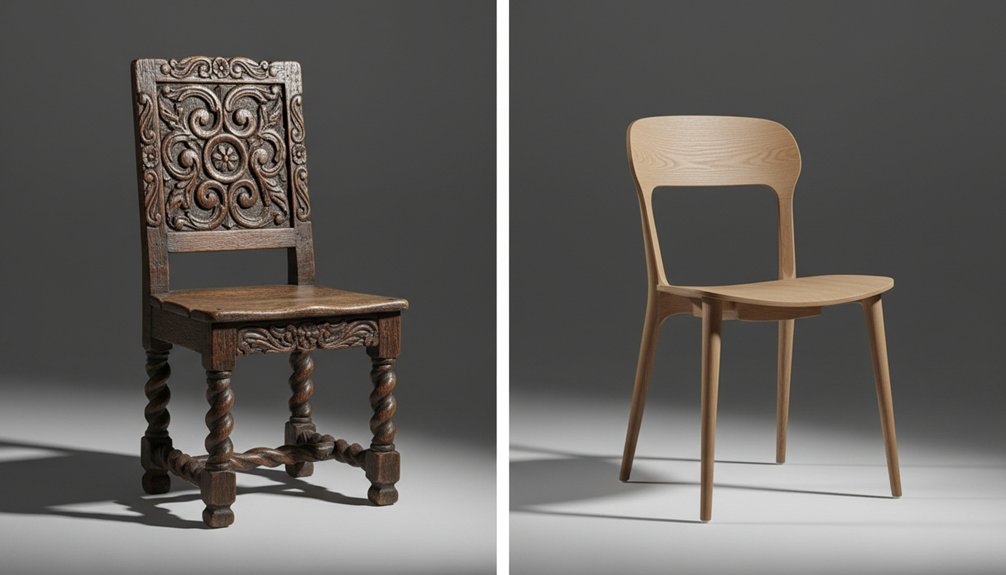
Oak furniture styles changed significantly over the centuries due to evolving priorities and manufacturing capabilities. Medieval craftsmen focused on creating heavy, functional pieces that prioritized durability. In contrast, Tudor and Georgian designers aimed to enhance status through classical elegance, crafting furniture that reflected wealth and taste.
The Victorian era introduced industrialization, which led to mass production of furniture. This shift sparked the Arts and Crafts movement, where artisans emphasized high-quality handmade pieces, responding to the impersonal nature of factory production.
Mid-century designers then shifted their focus toward minimalism, creating furniture that prioritized simplicity and function. Today’s furniture makers emphasize sustainability and adaptability, responding to modern consumer demands for eco-friendly materials and versatile designs.
This progression illustrates how oak furniture has continuously evolved, reflecting the social, economic, and aesthetic values of each period. Each historical phase has contributed to the rich tapestry of oak furniture design we see today.
Medieval Oak Furniture: Heavy Construction and Gothic Influences
During the Medieval period, which lasted from the 11th to the 15th century, craftsmen focused on creating oak furniture that served a functional purpose. Artisans selected thick oak planks for their durability and constructed massive chests, benches, and tables. They joined these pieces using heavy iron hardware to ensure they could withstand constant use in drafty castles and manor houses.
Medieval craftsmen built oak furniture for function first, using thick planks and iron hardware to survive centuries in cold stone castles.
As the Medieval period progressed, Gothic design began to influence furniture construction. Craftsmen incorporated elements like pointed arches, trefoil patterns, and carved tracery into their designs. These features mirrored the architecture of churches and added a touch of style to otherwise practical furniture.
Craftsmen used simple hand tools to carve these decorations, although they kept ornamentation minimal compared to later styles. The weight and solid construction of the furniture reflected the values of the era.
People prioritized permanence over portability or elaborate design. This focus on durability and functionality defined the oak furniture of the Medieval period.
Tudor and Jacobean Periods: Ornate Carving and Status Symbols
The 16th and 17th centuries marked significant advancements in oak furniture design as England’s increasing wealth created a demand for pieces that showcased social status.
Tudor furniture featured intricate carvings of roses, mythical creatures, and family crests. These detailed carvings elevated basic chairs and tables into prominent statement pieces.
During the Jacobean period, artisans enhanced decoration with turned legs, complex inlays, and deep relief carvings. Wealthy families ordered large cupboards and court cabinets adorned with geometric patterns and architectural motifs. Each carved element represented status, signaling the owner’s affluence to visitors.
Craftsmen utilized specialized techniques such as linenfold paneling and strap work designs for added detail. You can identify furniture from these periods by their characteristic bulbous legs and substantial proportions that complement the elaborate surface decorations.
Georgian Era: Refinement and Classical Proportions
In the 18th century, Georgian designers transformed oak furniture by shifting from elaborate ornamentation to a focus on straightforward elegance. Designers drew inspiration from Classical influences rooted in ancient Greece and Rome, which established a commitment to balance and mathematical precision in furniture design.
Georgian designers embraced classical principles, replacing ornate complexity with balanced elegance and mathematical precision in their revolutionary oak furniture designs.
This refinement in appearance matched society’s increasing value on rational and functional design.
Key Features of Georgian Oak Furniture:
- Designers created symmetrical designs that reflect the proportions found in classical architecture, ensuring each piece is visually balanced.
- Craftsmen incorporated restrained decorative elements, utilizing subtle inlays and delicate moldings instead of bold carvings, which helped maintain a clean aesthetic.
- Manufacturers focused on lighter construction methods, allowing furniture to remain durable while presenting an appearance that feels graceful.
- Artisans designed curved legs and pediments that take cues from Greek and Roman temples, enhancing the overall elegance of the pieces.
These features highlight how Georgian oak furniture prioritizes both function and aesthetic harmony, marking a clear evolution away from the more ornate styles of earlier periods.
Victorian Age: Mass Production and Revival Movements
During the Victorian Age, oak furniture underwent significant changes due to mass production. Factories replaced traditional workshops, allowing manufacturers to create furniture at a much lower cost. This shift made oak furniture more affordable and accessible to a wider audience.
The introduction of steam-powered machinery enabled faster production, which increased output but often led to concerns over the quality of craftsmanship. Many skilled artisans criticized this decline in quality, as they valued traditional methods and attention to detail.
At the same time, designers sought inspiration from the past, leading to the Gothic Revival movement. This movement incorporated medieval elements into furniture design, such as pointed arches and intricate carvings.
As a result, Victorian homes began to feature these decorative details, blending modern manufacturing techniques with historical aesthetics. This combination of mass production and revivalist design shaped the oak furniture landscape of the era, making it a unique time in furniture history.
Industrial Manufacturing Transforms Production
Victorian England’s factories changed how oak furniture reached households. The industrial revolution made furniture more accessible by introducing steam-powered machinery and assembly-line techniques.
Factories replaced individual craftsmen with workers producing standardized pieces. These manufacturing innovations allowed middle-class families to buy oak furniture that was once only available to the wealthy.
Key manufacturing developments included:
- Steam-powered sawmills cut oak lumber quickly and evenly, outperforming hand-sawing.
- Mechanized carving machines replicated intricate designs, reducing the need for skilled artisans.
- Railway networks enabled efficient transportation of finished furniture across the country.
- Standardized components allowed factories to produce matching sets at lower costs.
This shift democratized furniture ownership. More people could furnish their homes with oak pieces, expanding the market beyond just the wealthy elite.
Gothic Revival Design Influence
Factories produced affordable oak furniture while a design movement sought inspiration from medieval architecture. The Gothic Revival influenced Victorian oak furniture design between the 1840s and 1880s. This design style featured pointed arches, trefoil patterns, and intricate carvings inspired by medieval churches.
Designers integrated gothic elements into various furniture pieces, ranging from dining chairs to wardrobes, thereby connecting these items to the grandeur of ancient cathedrals.
Medieval symbols, such as carved roses, lions, and heraldic shields, adorned oak furniture in middle-class homes. Augustus Pugin championed this movement, advocating that furniture should embody moral values through historical design.
The natural grain of oak suited the heavy and ornate style of Gothic Revival pieces. This movement represented more than mere decoration; it reflected a longing for traditional craftsmanship amidst rapid industrialization.
Arts and Crafts Movement: Return to Traditional Craftsmanship
As industrialization changed furniture manufacturing in the late 1800s, craftsmen and designers noticed a decline in the quality and artistry of everyday objects.
The Arts and Crafts Movement formed as a response, emphasizing traditional craftsmanship and reviving artistry in oak furniture design. This movement prioritized handmade quality over machine production.
Craftsmen applied specific principles to transform oak furniture:
- Craftsmen used hand-joinery techniques instead of mechanized assembly methods.
- Designers highlighted visible wood grain to celebrate oak’s natural beauty, avoiding heavy varnishes.
- Makers created simple, functional forms that eliminated unnecessary ornamentation.
- Artisans sourced local materials to support sustainable production practices.
These principles resulted in sturdy, honest furniture that showcased the maker’s skill.
You can identify Arts and Crafts oak pieces by their straightforward construction and exposed joinery details. Each piece reflects a commitment to craftsmanship and quality, standing in contrast to mass-produced furniture.
Mid-Century Modern: Minimalist Approaches to Oak Design
The Arts and Crafts Movement prioritized handcrafted quality in furniture design.
After World War II, mid-century modern designers shifted this focus toward minimalist aesthetics. They redefined oak furniture by removing ornate details and emphasizing clean lines. Designers like Hans Wegner and Charles Eames created functional pieces that served practical purposes without unnecessary embellishment. They chose lighter oak finishes, which highlighted the wood’s warm tones and natural grain.
This design philosophy emphasized space efficiency and versatility, making furniture suitable for smaller homes. Mid-century modern style rejected the ornate excess of Victorian design, focusing instead on the principle that form follows function.
You can identify mid-century oak pieces by their tapered legs, geometric shapes, and uncluttered surfaces. These characteristics contribute to the enduring popularity of this style in contemporary design.
Contemporary Oak Furniture: Sustainable Materials and Adaptive Styles
Oak furniture makers today focus on environmental responsibility while crafting visually appealing products. They source oak from certified sustainable forests, ensuring that their materials come from responsibly managed resources.
These manufacturers apply eco-friendly finishes that minimize harmful emissions during production.
In the workshop, skilled craftsmen blend traditional woodworking techniques with modern, innovative methods. This combination allows them to create pieces that meet the changing needs of customers. For example, a dining table can transform into a workspace or a console can serve as extra storage.
By prioritizing sustainability and adaptability, oak furniture makers contribute to a greener future while delivering high-quality, functional pieces for everyday life.
Each piece reflects their commitment to both craftsmanship and environmental stewardship, making oak furniture a smart choice for eco-conscious consumers.
Eco-Friendly Sourcing Practices
Modern oak furniture manufacturers adapt their sourcing to meet environmental standards and consumer expectations for sustainability.
These manufacturers prioritize eco-friendly sourcing practices that protect forests while fulfilling market demands. They source materials from responsibly managed woodlands with replanting initiatives, ensuring that future generations can also enjoy quality oak furniture.
Contemporary oak furniture manufacturers implement several essential practices:
- FSC Certification: Manufacturers obtain Forest Stewardship Council certification to ensure their wood comes from responsibly managed forests.
- Local Sourcing: Manufacturers purchase oak from nearby forests to reduce transportation emissions.
- Waste Reduction: Companies convert sawdust and offcuts into composite materials or biofuel, minimizing waste.
- Reclaimed Wood: Manufacturers use salvaged oak from old buildings and barns, giving this wood a new purpose in modern furniture.
These practices ensure that oak furniture production maintains environmental health while meeting consumer needs.
Modern Design Innovations
Today’s oak furniture makers focus on practical design and construction methods that meet the needs of modern homes. They combine traditional oak with innovative materials such as metal, glass, and resin. This blend enhances the durability and appeal of the furniture.
Designers prioritize functional aesthetics, ensuring that each curve and angle serves a specific purpose. For instance, many pieces feature hidden storage compartments, modular components, and adjustable elements that cater to varying lifestyle demands.
Craftspeople utilize computer-aided design tools to assess structural integrity before starting production. This practice minimizes waste and improves the quality of the final product.
Additionally, manufacturers offer customizable options, allowing customers to choose finishes, hardware, and dimensions that suit their spaces. This customization transforms oak furniture from static items into versatile solutions that adapt to contemporary living needs.