

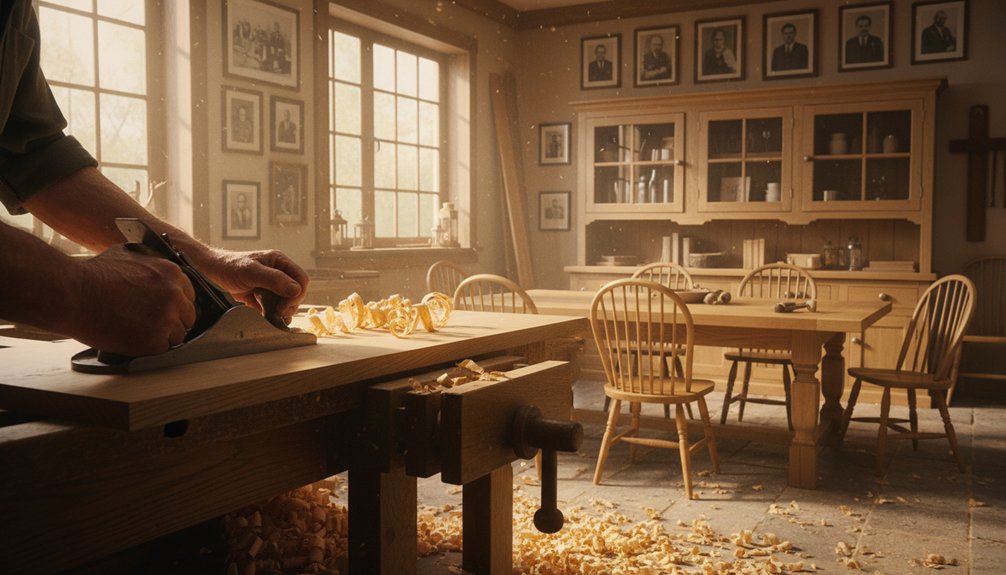
Oak furniture holds cultural significance because it embodies over a thousand years of European craftsmanship and social tradition. This type of furniture symbolizes strength, wisdom, and endurance across various cultures. Wealthy families historically used oak pieces to showcase their status and to pass down family legacies through generations. Different regions developed distinctive styles, such as the intricately carved English Tudor designs and the clean lines of Scandinavian minimalism.
Today’s renewed interest in oak furniture connects sustainable practices with historical craftsmanship. Many people choose oak furniture not only for its durability but also for its environmental benefits. This combination makes oak furniture a practical choice for modern living while still serving as a meaningful heirloom.
In summary, oak furniture represents a rich cultural heritage that combines skilled craftsmanship with social significance. It remains both a functional item in homes and a symbol of enduring quality and tradition.
Oak’s Deep Roots in European Heritage and Craftsmanship
Oak furniture represents a significant aspect of European craftsmanship, with a history that spans over a thousand years. Craftsmen chose oak for its strength and durability, using it to build essential items such as castle doors and dining tables. This preference for oak led to the development of specific techniques, which skilled woodworkers continue to use today, passing down their knowledge through generations.
The symbolism of oak in European culture is notable; it signifies strength, wisdom, and endurance. This symbolism appears in royal furnishings and religious buildings, highlighting the cultural importance of oak.
When you look at antique oak pieces, you’re observing the results of centuries of skill and the values that these societies held dear. The use of oak in European homes served not only practical purposes but also acted as a marker of status and a connection to tradition that families cherished.
Symbolism and Status: Oak Furniture Through the Centuries
Wealthy families and nobility used oak furniture to display their social standing throughout history.
Oak’s durability and attractive appearance made it a preferred material for creating significant pieces in grand homes and estates. Each carved detail and solid construction in oak furniture represented power, permanence, and family legacy. Families passed down these pieces through generations, reinforcing their position in society.
Oak furniture embodied wealth and power, with each carved detail serving as a lasting testament to family status and legacy.
Churches and government buildings selected oak furniture for its association with authority and tradition.
When you examine historical oak pieces today, you observe clear evidence of how societies valued strength and lasting quality in their essential spaces.
Regional Traditions and Distinctive Oak Furniture Styles
As a craftsman working with oak furniture, I observe that regional styles across Europe showcase the unique characteristics shaped by local culture and resources. Each area produces furniture that reflects its specific craftsmanship techniques, tools, and design preferences.
For example, English Tudor furniture features heavy, carved designs and Gothic-inspired linenfold panels. Craftsmen focus on intricate detailing in each piece, giving it a robust and historical feel.
In contrast, French Provincial furniture emphasizes elegance with its curved lines, ornate moldings, and cabriole legs. The craftsmanship here prioritizes graceful shapes and decorative elements that enhance its aesthetic appeal.
German Renaissance furniture incorporates architectural elements like columns and pediments. The builders emphasize structural integrity and grandeur, making each piece a statement of sophistication.
Scandinavian furniture stands out for its simplicity and functionality. Craftsmen design pieces with minimal decoration, prioritizing practicality while ensuring the furniture remains visually appealing.
By examining the joinery methods, carving patterns, and proportions, you can identify the origin of a piece. Each regional style adapts oak furniture to meet local needs and aesthetic values, making the craftsmanship relevant to its community.
Oak’s Role in Preserving Family History and Heirlooms
Oak furniture pieces serve as essential carriers of family history. These durable items withstand years of use while retaining their strength and beauty. Each piece acts as a tangible connection to past generations, preserving family memories through their enduring presence in your home.
When families gather around an oak dining table, they engage in shared storytelling. Family members connect with their heritage as they occupy the same space their grandparents once did. Each scratch and patina mark on the table reflects a unique family story.
These oak pieces aren’t just functional; they act as physical reminders of shared experiences, helping families maintain cultural continuity and strengthen their bonds over time.
Oak furniture preserves family memories and strengthens bonds across generations through its enduring presence in our homes.
In my work with oak furniture, I see firsthand how these pieces become cherished heirlooms. Each crafted item represents a commitment to quality and longevity, ensuring that the stories they hold can be passed down through generations.
Modern Revival: Why Oak Furniture Remains Culturally Relevant Today
Oak furniture has seen a resurgence in popularity, driven by a blend of traditional craftsmanship and modern design. Manufacturers today combine established woodworking techniques with contemporary styles to create pieces that fit seamlessly into various home settings. This revival is influenced by several key factors:
- Sustainable design: Oak is a renewable and biodegradable material. Choosing oak furniture supports environmentally responsible practices by minimizing waste and promoting sustainability.
- Contemporary aesthetics: Modern oak furniture features clean lines and minimalist forms. This design approach allows oak to enhance the look of both urban apartments and suburban homes.
- Durability: Oak is a strong wood that withstands the test of time. Investing in oak furniture means acquiring pieces that can last for decades, reducing the need for replacements and contributing to lower consumption rates.
- Versatility: Oak furniture adapts to various interior styles. Whether displayed in a traditional setting or a modern space, oak maintains its appeal and functionality.
The resurgence of oak furniture illustrates its ability to connect historical craftsmanship with current design trends.
This connection reflects a societal shift towards valuing quality craftsmanship and sustainable living practices. By choosing oak furniture, consumers support a movement that prioritizes authenticity and durability in home furnishings.