

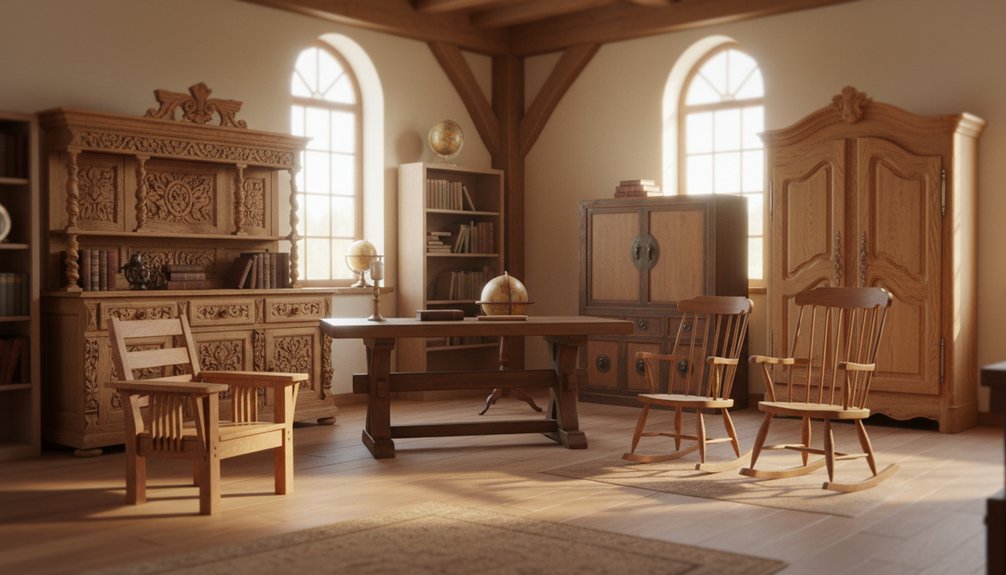
Oak furniture holds significant cultural importance due to its strong symbolism and historical relevance. Many civilizations view oak as a symbol of strength and endurance. Traditional craftsmanship techniques for creating oak furniture have been passed down through generations, ensuring that the skills required to produce these pieces remain intact.
In historical societies, oak furniture often served as a marker of wealth. Different regional designs, such as the practical English styles or the ornate French designs, showcase distinct cultural identities. Many oak furniture pieces become family heirlooms, preserving living history through their durability. Each piece tells a story that connects families to their past.
Today, the revival of oak furniture aligns with sustainability efforts while honoring cultural heritage. Proper preservation techniques are crucial for maintaining the historical value of these pieces. Understanding the craftsmanship, cultural significance, and preservation methods enhances our appreciation for oak’s enduring legacy. The following sections will delve deeper into each aspect, highlighting the importance of oak furniture in our lives.
Oak Furniture as a Symbol of Strength and Endurance Across Civilizations
Oak furniture serves a practical purpose beyond everyday use.
Ancient civilizations recognized oak wood for its durability and strength, making it an ideal material for crafting long-lasting furniture. Many cultures revered the oak tree and associated it with influential deities. For example, Greeks connected the oak with Zeus, while Norse cultures associated it with Thor.
This cultural importance extended to the furniture made from oak. Oak furniture symbolizes resilience, wisdom, and protection, which is why it became a favored choice for important buildings and affluent households.
The Role of Oak in Traditional Craftsmanship and Generational Heritage
When I work with traditional oak furniture, I focus on precise joinery and finishing techniques that I’ve honed over years of practice. I use hand-planing to create smooth surfaces, ensuring each piece feels just right.
I rely on mortise-and-tenon joints for their strength and durability, allowing the furniture to last through generations. I apply oil finishes that enhance the wood’s natural beauty while protecting it from wear and tear.
Oak’s durability makes it an ideal choice for heirloom pieces that families cherish. I see oak tables and cabinets that have been in use for over 200 years, still serving their purpose without any issues.
This longevity is a testament to the craftsmanship I strive to uphold. By passing down my knowledge to apprentices, I ensure that these time-tested methods remain alive.
Each piece I create isn’t just furniture; it’s a part of a family’s history, ready to be handed down for generations to come.
Master Craftsmen’s Time-Honored Techniques
Master craftsmen pass down their oak woodworking skills through generations, creating a living tradition that connects modern furniture makers to their medieval predecessors.
These artisans select quarter-sawn oak because it offers strength and beautiful grain patterns. They use traditional joinery methods, such as mortise-and-tenon joints, to create strong connections without relying on modern fasteners.
Craftsmen carefully apply natural oils and waxes during the oak finishing process. This enhances the wood’s character while protecting its surface. They hand-plane each piece, ensuring smooth textures and precise dimensions.
These time-honored methods produce furniture that lasts for generations, maintaining both strength and visual appeal through years of use.
Each step in the process builds on the last. The choice of quarter-sawn oak influences the joinery techniques used, which in turn affects the finishing process.
The goal is to create durable, aesthetically pleasing pieces that honor the craft’s rich history while meeting modern needs.
Heirloom Furniture Across Generations
Families treasure heirloom furniture for its craftsmanship and history. When you inherit an oak piece, you receive a functional item that serves as a connection to your family’s history.
Each heirloom comes with a story that details its origins, the relatives who used it, and the major events it witnessed. Oak’s durability ensures that these pieces can last for generations, provided they’re well cared for.
You strengthen family bonds when you gather around the same dining table that your great-grandparents used or sit in chairs that have supported multiple generations.
Religious and Ceremonial Significance of Oak in Historical Homes
Oak holds significant spiritual value in historical homes due to its durability and symbolism. Craftsmen in medieval times chose oak to construct sacred altars and church furnishings. They believed that the strength of oak represented eternal divine power.
Earlier pagan traditions also recognized oak as a sacred material for ceremonial spaces. This belief influenced families who incorporated oak furniture into their prayer areas and rituals.
The consistent use of oak in both religious and domestic settings highlights its importance in fostering a spiritual atmosphere. By understanding this connection, we can appreciate the role of oak in enhancing the sanctity of historical homes.
Sacred Altar Construction Materials
Throughout medieval Europe and colonial America, craftsmen constructed religious altars using oak wood. Oak’s durability suited the demands of sacred altars in private chapels and family prayer rooms. This wood provided a strong foundation for rituals performed across generations. The strength of oak signified spiritual permanence, while its natural grain patterns enhanced the visual appeal of the altars.
| Time Period | Oak Altar Features | Religious Purpose |
|---|---|---|
| Medieval Era | Hand-carved crosses | Daily prayer services |
| Renaissance | Ornate inlays | Family ceremonies |
| Colonial Period | Simple construction | Protestant worship |
| Victorian Age | Gothic details | Anglican rituals |
Estate owners selected oak because it effectively withstood the effects of candle wax, incense, and regular use. This choice ensured that the altars remained functional and visually appealing over time. Many of these historic altars can still be observed in preserved manor houses, where they have maintained their structural integrity for centuries.
Medieval Church Oak Furnishings
Medieval churches utilized oak furnishings to provide essential seating and support for congregations during worship services. Craftsmen built oak pews, choir stalls, and pulpits from this durable wood, ensuring the structures could withstand the test of time. The strength of oak symbolized God’s enduring presence, while its longevity ensured that these church furnishings remained functional for generations of worshippers.
Artisans appreciated oak for its rich grain patterns, which they enhanced with detailed carvings depicting biblical scenes and saints. These carvings served a practical purpose; they conveyed religious stories to largely illiterate congregants, effectively teaching scripture through visual means.
Today, many original oak church furnishings still exist across Europe, highlighting oak’s resistance to decay and wear. This durability is why medieval builders consistently chose oak for constructing spaces dedicated to divine worship.
The choice of oak ensured that these environments remained reverent and functional for centuries, continuing to serve the needs of communities long after their initial construction.
Pagan Ritual Oak Symbolism
Long before Christianity spread across Europe, ancient pagan communities regarded oak trees as sacred symbols of powerful deities. These communities worshipped oak trees, associating them with gods such as Thor in Norse mythology and Zeus in Greek culture. These oak deities represented strength, protection, and divine authority.
| Culture | Oak Deity | Symbolic Meaning |
|---|---|---|
| Norse | Thor | Thunder and protection |
| Greek | Zeus | Supreme power |
| Celtic | Dagda | Wisdom and abundance |
When examining historical homes, you will find oak furniture served a purpose beyond decoration. Families believed oak furniture provided spiritual protection and connected them to divine forces. Craftsmen selected oak for important household items, as they believed this wood channeled sacred energy into their daily lives. Using oak in furniture and household items reflected a deep respect for the tree’s significance in their spiritual practices.
Oak Furniture’s Status as a Marker of Wealth and Social Standing
Oak furniture has long represented wealth and social status in European households, dating back to medieval times. Families invest in oak pieces because the durability and aesthetic appeal of the wood require skilled craftsmanship. Wealthy households order intricate oak tables, chairs, and cabinets to visibly assert their economic power to guests and competitors.
This tradition of luxury in furniture remains relevant today. When consumers buy high-quality oak items, they connect with a historical practice of social signaling. Historic estates and manor houses prominently display oak furnishings in public rooms, showcasing the owner’s financial strength.
The long-lasting nature of oak allows families to pass these status symbols down through generations, reinforcing their social position in the community.
Regional Variations in Oak Furniture Design and Cultural Identity
Oak furniture designs vary significantly across European regions, and each design reflects the cultural values and traditions of its origin.
English oak furniture features sturdy, practical designs with minimal ornamentation. This focus on functionality stems from the English cultural appreciation for utility in design.
In contrast, French oak furniture displays elaborate carvings and curved lines, which illustrate a strong emphasis on artistic expression in French culture.
German craftsmen prioritize geometric patterns and heavy construction in their oak furniture. This choice reflects a cultural preference for durability and structure.
Scandinavian oak furniture, on the other hand, emphasizes clean lines and simplicity, showcasing a cultural inclination toward minimalist design.
These regional variations in oak furniture aren’t random. Each style serves as a representation of the unique cultural aesthetics and priorities of its region.
Oak furniture designs mirror the distinct cultural values and artistic traditions of their European regions of origin.
When examining oak furniture from different areas, you can recognize the distinct identity of the communities that created these pieces.
Each design offers insights into the values, skills, and artistic preferences of the people involved in the woodworking process.
Preservation of Oak Pieces as Family Heirlooms and Living History
Many families pass down oak furniture through generations. These pieces become treasured heirlooms that hold personal and historical significance. Oak furniture connects you to your ancestors and their stories, providing sentimental value beyond its monetary worth.
Preserving oak furniture maintains living history. Each piece reflects craftsmanship techniques, design preferences, and family traditions from different eras. Scratches, repairs, and modifications tell parts of your family’s narrative. You can document these pieces by recording their origins, previous owners, and the occasions they witnessed.
Proper maintenance of oak furniture includes regular cleaning, avoiding direct sunlight, and controlling humidity levels. Cleaning prevents dust buildup that can scratch the surface. Avoiding direct sunlight protects the finish from fading. Controlling humidity helps prevent warping and cracking.
The Revival of Oak Furniture in Contemporary Cultural Movements
Oak furniture is making a comeback in contemporary design due to increased environmental awareness. Designers are choosing oak for its sustainability and durability.
Durable oak furniture lasts for generations, which reduces waste and minimizes the need for replacements. The natural beauty of oak enhances modern designs, from minimalist Scandinavian to industrial urban styles.
Craftspeople are using traditional joinery techniques and combining them with clean lines that resonate with today’s consumers. You can find oak furniture in eco-conscious homes and businesses, showcasing its versatility.
Designers create pieces that respect traditional craftsmanship while fulfilling modern functional requirements. This resurgence illustrates how oak furniture aligns with current values of quality and sustainability.