

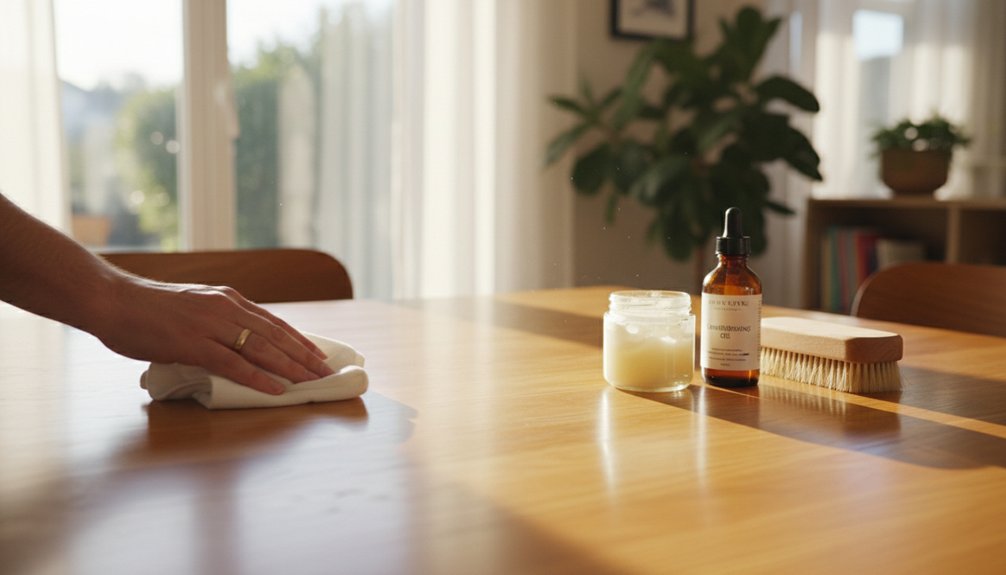
To extend the lifespan of your wood furniture, dust it regularly with microfiber cloths to remove dirt and debris. Use pH-balanced cleaners to avoid damaging the finish. Keep indoor humidity levels between 40-45% to prevent wood from warping. Clean spills immediately to avoid water rings forming on the surface. Apply treatments based on the finish type: oil oiled wood every 3-6 months, wax waxed surfaces twice a year, and polish sealed pieces monthly. Protect surfaces by using coasters and placemats to prevent scratches and heat damage. Position furniture away from direct sunlight and heat sources to prevent fading and cracking. Maintain room temperatures between 60-75°F for optimal wood stability. The following sections will provide specific cleaning techniques, damage repair methods, and seasonal maintenance schedules to ensure your wood furniture remains in excellent condition.
Why Wood Furniture Needs Regular Care
Wood furniture requires regular care to maintain its integrity and appearance. Wood is a natural material that reacts to changes in humidity and temperature. When the environment shifts, wood expands and contracts. Over time, this movement can create cracks, warping, and other structural issues.
Wood naturally responds to environmental changes through expansion and contraction, which can lead to cracks and warping without proper care.
Regular maintenance helps you avoid these problems and significantly extends the lifespan of your furniture.
To keep your wood furniture in top shape, gather essential maintenance tools. Use soft cloths, suitable cleaners, and polish designed for wood surfaces. Dust builds up on furniture and acts as an abrasive; if not removed, it scratches the finish.
Clean your furniture regularly to prevent dust accumulation. Address spills immediately, as moisture can seep into the wood and cause permanent stains and discoloration. Additionally, understanding the importance of proper finishes can enhance your furniture’s durability and appearance.
Consistent maintenance allows you to catch minor issues before they escalate into costly repairs. By caring for your furniture, you preserve its appearance and structural integrity.
Well-maintained wood furniture can last for generations, making your maintenance efforts worthwhile.
How to Clean Wood Furniture Without Causing Damage
Cleaning wood furniture correctly helps protect its finish and extends its lifespan. To do this effectively, you need to choose the right cleaning products, use appropriate dusting techniques, and avoid practices that can damage the wood surface.
First, select cleaning products specifically designed for wood furniture. Products like pH-balanced cleaners and natural oils work well. Avoid using harsh chemicals, ammonia-based cleaners, or abrasive pads, as these can strip the finish or scratch the wood.
Next, use proper dusting methods. Use a microfiber cloth to trap dust without scratching the surface. Dust regularly, at least once a week, to prevent dirt buildup. Always dust in the direction of the wood grain to avoid damaging the finish.
Finally, recognize harmful practices. Don’t place hot items directly on wood surfaces, as this can cause burns. Avoid using wet cloths, which can lead to water damage or warping. Ensure humidity levels in your home remain stable to prevent wood from cracking or splitting.
Choose Gentle Cleaning Solutions
When you clean wood furniture, your choice of cleaning products directly impacts its longevity and appearance. Using the right products helps preserve the wood’s finish while avoiding damage. Stick to gentle, natural ingredients and eco-friendly options that clean effectively without risking harm.
Safe Cleaning Solutions for Wood Furniture
- Mild Dish Soap with Water: Mix a few drops of mild dish soap in warm water. This solution effectively removes dirt without harming the wood finish.
- Diluted White Vinegar: Combine equal parts white vinegar and water. This mixture cleans and deodorizes without causing damage.
- Olive Oil Mixtures: Blend equal parts olive oil and vinegar. This solution nourishes and adds shine to the wood.
- Commercial Wood Cleaners: Use products specifically designed for wood furniture. These cleaners maintain the finish and appearance without causing damage.
- Microfiber Cloths: Use microfiber cloths for cleaning. They trap dust and dirt without scratching the surface.
Cleaning Products to Avoid
- Ammonia-Based Cleaners: These products can strip away finishes and should be avoided.
- Bleach Products: Bleach can discolor wood and damage its surface.
- Abrasive Scrubbers: Avoid scrubbers that can scratch the wood.
- All-Purpose Sprays: Many all-purpose cleaners contain harsh chemicals that aren’t suitable for wood finishes.
- Rough Scouring Pads: These can cause irreversible scratches and damage to the wood surface.
Before applying any cleaning solution, always test it on a hidden area of the furniture. This step helps ensure that the product doesn’t adversely affect the wood.
Apply the cleaner to your microfiber cloth instead of directly onto the wood. This method prevents excess moisture from seeping into joints, which can lead to swelling and further damage.
Proper Dusting Techniques
Regular dusting is essential for maintaining wood furniture and preventing dirt buildup that can lead to scratches and dull finishes. To achieve effective results, follow specific dusting techniques that protect the wood surface. Microfiber cloths are the best choice because they capture dust particles without pushing them around or risking scratches.
Here are the key dusting practices:
- Dust in the direction of the wood grain. This practice prevents visible streaks and maintains the appearance of the wood.
- Use a dry or slightly damp microfiber cloth. Unlike feather dusters that tend to scatter dust, microfiber cloths trap the particles effectively.
- Start dusting from the top of furniture pieces and work downward. This method ensures that any dust or debris falls to areas that you’ll clean later.
- Dust at least once a week. Regular dusting prevents dirt from accumulating and embedding into the wood finish, which can cause long-term damage.
Avoiding Common Cleaning Mistakes
Wood furniture requires careful cleaning to maintain its durability and appearance. Avoid using harsh cleaning products with ammonia, bleach, or silicone, as these chemicals strip protective finishes and dry out wood, leading to damage. Instead, use gentle cleaners specifically designed for wood.
When applying cleaners, always spray them onto your cloth rather than directly onto the furniture surface. This method prevents excess moisture from seeping into the wood, which can cause warping and discoloration. Limit water use during cleaning to avoid these issues.
Consider furniture placement carefully. Avoid placing wood furniture near heat sources or windows, as fluctuating temperatures and direct sunlight can accelerate finish deterioration.
Choose cleaning tools wisely. Skip abrasive scrubbers like steel wool, which scratch surfaces. Instead, opt for soft microfiber cloths that offer gentle cleaning without causing damage.
Lastly, avoid over-polishing your furniture. Excess polish creates a buildup that attracts dust and leaves a sticky residue, making future cleaning more difficult.
Regular maintenance with the right products and techniques will keep your wood furniture looking its best.
When to Oil, Wax, or Polish Different Wood Types
Understanding the right treatment for your wood furniture requires knowledge of its finish and wood type. Different wood species respond better to specific treatments. For example, oil treatments work best on unfinished or oiled woods like teak and walnut because they penetrate deeply and nourish the grain.
Wax is ideal for finished pieces, creating a protective barrier and enhancing shine. Polish is suitable for lacquered or polyurethane-coated surfaces.
Here are the treatment guidelines:
- Oiled finishes: Apply Danish oil or tung oil every 3 to 6 months to keep the wood hydrated.
- Waxed surfaces: Reapply paste wax twice a year to ensure optimal protection.
- Polished furniture: Use spray polish monthly on sealed surfaces to maintain the finish.
- Raw wood: Start with an oil treatment before applying any wax.
Avoid mixing treatments on the same piece of furniture. If you’re unsure about the finish, test products in inconspicuous areas to prevent damage.
This approach ensures that your wood furniture remains in excellent condition, preserving its beauty and longevity.
Protecting Wood From Scratches, Stains, and Water Rings
Protecting wood furniture from scratches, stains, and water rings requires consistent daily attention and effective strategies. Wood furniture encounters threats from various sources, including careless placement of items and accidental spills. Use coasters and placemats to safeguard surfaces from heat and moisture. When damage occurs, address it promptly to prevent further deterioration.
To prevent scratches, always place items on coasters. Coasters absorb moisture and prevent marks. Additionally, use felt pads under decorative items to minimize surface contact. For water rings, promptly wipe the area with a damp cloth, then dry it thoroughly. If a stain occurs, use a wood cleaner designed specifically for your furniture type.
When treating scratches, assess the depth first. Light scratches can often be buffed out with a soft cloth and a matching wood polish. For deeper scratches, consider using a wood filler that matches your furniture’s finish. Apply the filler according to the manufacturer’s instructions, let it dry, and then sand it lightly to blend with the surrounding area.
Understanding these preventive measures and treatments allows you to maintain the integrity of your wood furniture. Regular care and immediate action against damage will preserve your furniture’s appearance and extend its lifespan.
Preventive Measures and Coasters
To preserve the beauty of wood furniture, focus on prevention rather than relying on repairs. Implement preventive measures to protect your investment and maintain its appearance over time. Use coasters and placemats to create barriers between wood surfaces and items that can cause damage.
Understanding the types of coasters helps you select the best protection for your furniture:
- Cork coasters absorb moisture and cushion impacts, making them ideal for everyday use.
- Felt-bottomed coasters slide easily on surfaces and prevent scratches caused by movement.
- Marble or stone coasters provide elegant protection but require felt backing to prevent surface scratches.
- Silicone coasters create a waterproof barrier and stay firmly in place, preventing spills from reaching the wood.
Always place coasters under beverages to protect the wood from heat and moisture, regardless of the temperature of the drink.
Use placemats during meals to shield the surface from food spills and stains. Position trivets under hot dishes to prevent heat damage.
Additionally, place felt pads beneath decorative objects, lamps, and electronics to avoid scratches from daily movement.
Treating Existing Surface Damage
Wood furniture will develop scratches, stains, and water rings over time through normal use, despite your best efforts to prevent damage.
To effectively treat these surface issues, follow specific techniques tailored to each type of damage.
For light scratches, apply commercially available scratch cover products or rub walnut meat directly into the scratch.
For deeper scratches, use wood filler that matches your furniture’s color. After applying the filler, allow it to dry completely, sand it smooth, and then refinish the area.
Water rings often respond well to gentle rubbing. Apply mayonnaise or non-gel toothpaste with a soft cloth to the affected area until the ring diminishes.
For dents, place a damp cloth over the dent and apply heat using an iron. The heat will raise the compressed wood fibers, helping to restore the surface.
Always test these methods on inconspicuous areas to ensure they won’t cause further damage.
Managing Humidity and Temperature for Wood Furniture
Wood furniture behaves like a living material because it constantly reacts to its surrounding environment. Changes in moisture levels cause wood to expand and contract, leading to potential issues such as warping, cracking, or joint separation. To protect your wood furniture and extend its lifespan, maintain proper humidity control and temperature regulation.
Keep indoor humidity levels between 40-45% throughout the year. Maintaining these levels will help prevent most moisture-related damage. During dry winter months, use a humidifier to add moisture to the air, and during humid summer months, use a dehumidifier to remove excess moisture.
To protect wood furniture effectively, follow these key strategies:
- Keep furniture away from heat sources: Position furniture at least a few feet away from radiators, vents, and fireplaces. Heat sources can cause uneven drying and lead to damage.
- Avoid direct sunlight: Place furniture in areas where it won’t be exposed to direct sunlight. Sunlight can create uneven temperature changes, leading to cracks and fading.
- Monitor room conditions: Use a hygrometer to regularly check humidity levels in your home. This tool provides real-time feedback, allowing you to make adjustments as needed.
- Maintain a consistent temperature: Keep indoor temperatures between 60-75°F year-round. Fluctuating temperatures can strain wood, leading to structural issues.
These straightforward practices help preserve the structural integrity and appearance of wood furniture. By actively managing humidity and temperature, you can significantly reduce the risk of damage and maintain the quality of your investment.
Spring and Fall Wood Furniture Maintenance Tasks
Spring and fall maintenance tasks are crucial for preserving the quality of wood furniture. During spring cleaning, inspect each piece for winter damage. Look for cracks or loose joints that dry indoor heating may have caused.
Apply a fresh coat of polish or wax to restore protective layers lost during the winter months. Check for water rings or heat marks that may have accumulated over time.
In the fall, prepare your furniture for the heating season by deep-cleaning surfaces and reapplying protective finishes. Tighten any loose hardware before the temperature begins to fluctuate.
Move furniture away from heating vents and radiators to prevent direct exposure to heat. Apply an additional coat of wax to create a moisture barrier against the dry winter air.
Performing these maintenance tasks twice a year helps prevent long-term damage and significantly extends the lifespan of your wood furniture.