

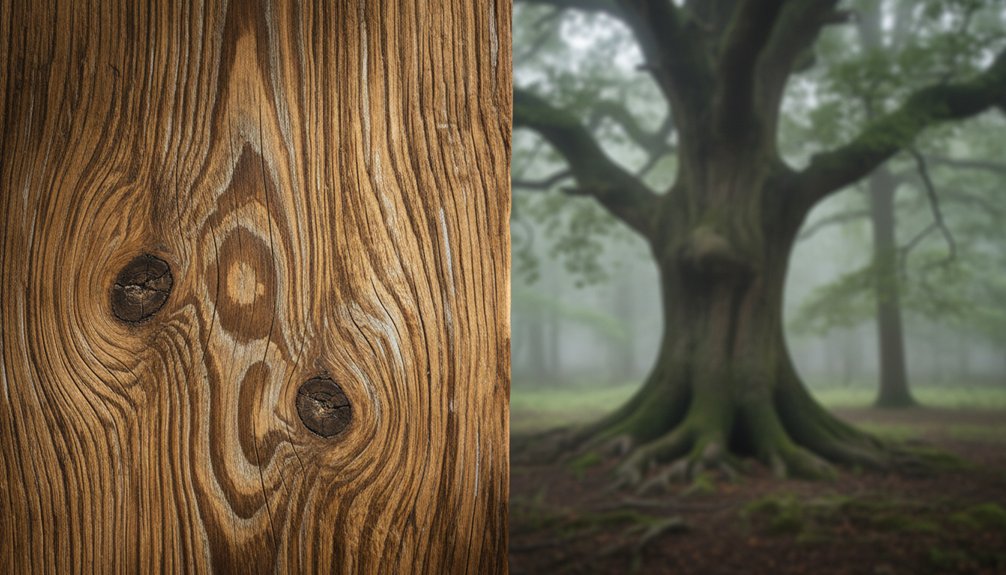
Choosing oak furniture is a practical decision for sustainability. Oak furniture comes from renewable forests that responsibly replant trees after harvesting. This practice ensures a continuous supply of wood without depleting natural resources. Oak’s dense grain structure allows furniture to last over 50 years, which minimizes the need for replacements. Fewer replacements lead to less landfill waste and a reduced environmental footprint.
Manufacturing oak furniture requires significantly less processing compared to synthetic alternatives. This means lower carbon emissions throughout the furniture’s lifecycle. When the time comes for your oak pieces to be retired, they naturally biodegrade without releasing harmful chemicals into the environment.
The classic designs of oak furniture are not subject to changing trends, which means you won’t need to replace them frequently. This durability and timelessness translate into long-term value for your investment. Each of these factors contributes to the overall sustainability of oak furniture, making it a responsible choice for consumers.
Oak Trees: A Renewable and Abundant Natural Resource
When you select oak furniture, you choose a material that nature can regenerate. Oak trees grow abundantly across North America and Europe, providing a reliable source for furniture production. These hardwood trees take about 50 to 150 years to reach maturity, depending on the species and the conditions in which they grow. During their prime years, many oak species can grow one to two feet in height each year.
Sustainable harvesting practices play a critical role in maintaining healthy oak forests. Responsible forestry companies actively plant new oak seedlings to replace the trees they harvest. These companies adhere to strict regulations that ensure only mature trees are cut down, allowing younger trees to continue their growth.
This cycle of planting and harvesting establishes a renewable resource that supports oak forest populations for future generations. By choosing oak furniture, you support a system that values sustainable forestry and contributes to the health of our natural resources.
Exceptional Durability Reduces Furniture Replacement Needs
Oak furniture lasts longer than furniture made from softer materials. This durability means you won’t need to replace oak pieces as often, reducing the overall demand for manufacturing and transportation.
Oak’s dense grain structure protects it from scratches, dents, and wear, ensuring it remains functional and attractive for decades.
Choosing oak furniture has financial benefits. Although the initial cost is higher, you save money over time because oak furniture can last fifty years or more. In contrast, particle board furniture typically requires replacement every five to ten years.
By investing in one quality oak piece, you avoid the expense of buying multiple cheaper alternatives. This longevity not only saves you money but also helps reduce waste in landfills.
Lower Carbon Footprint Compared to Alternative Materials
Oak furniture generates lower carbon emissions throughout its lifecycle compared to metal and plastic furniture.
Manufacturing metal involves high energy consumption, which leads to significant pollution. Producing plastic relies on petroleum-based processes that emit harmful greenhouse gases.
Metal and plastic production demands massive energy input and releases significant greenhouse gases, contributing heavily to environmental degradation.
In contrast, oak trees absorb carbon dioxide as they grow, effectively storing carbon within the wood. This process means that oak furniture not only remains carbon-neutral but also actively sequesters carbon.
Furthermore, processing oak timber requires less energy than manufacturing synthetic materials.
When selecting eco-friendly furniture, solid oak is a responsible choice. Choosing oak furniture helps you lower your environmental impact while ensuring you have durable and stylish pieces for your home.
Biodegradable Properties Support Environmental Health
Natural oak furniture breaks down completely after its useful life, unlike synthetic materials that can last for centuries in landfills. When you dispose of oak furniture, the wood decomposes naturally without releasing harmful chemicals into the soil or groundwater.
This biodegradable property significantly lowers the environmental impact of oak furniture compared to plastic or metal alternatives.
Choosing oak means you select a material that safely returns to the earth. Oak furniture doesn’t contribute to the increasing amounts of non-degradable waste that harms our ecosystems. The decomposition process enriches the soil instead of contaminating it.
Minimal Processing Requirements Conserve Energy
When you select oak furniture, you choose a material that requires minimal processing to achieve functionality and beauty.
Oak’s inherent strength allows manufacturers to utilize energy-efficient air drying methods. This method reduces reliance on industrial kilns, resulting in a lower carbon footprint during production.
The appealing grain patterns of oak also mean we can limit the need for heavy chemical treatments and multiple finishing layers. This approach conserves energy and resources throughout the manufacturing process, making oak a sustainable choice for furniture.
Natural Drying Methods Used
| Drying Method | Energy Required | Duration |
|---|---|---|
| Air Drying | Minimal | 6-12 months |
| Kiln Drying | High | 2-4 weeks |
| Combination | Moderate | 3-6 months |
In the lumber industry, air drying plays a vital role in preparing wood for use. We stack lumber in ventilated sheds to promote natural airflow, which gradually removes moisture from the wood. This method requires minimal energy and does not depend on fossil fuels or electricity. The wood reaches optimal moisture levels, making it suitable for long-lasting furniture. Choosing air-dried oak furniture means you are supporting sustainable practices, as this method minimizes environmental impact while ensuring the quality of the wood.
Kiln drying, on the other hand, uses high energy to rapidly reduce moisture content in a matter of weeks. This method is useful when time is a constraint, but it can be less environmentally friendly due to its energy demands.
Combining both methods can offer a balance, using moderate energy and taking a few months to achieve the desired results. Each drying method serves its purpose in the lumber industry, depending on the specific needs of the project at hand.
Simple Finishing Techniques Applied
As oak furniture transitions from the drying stage to its final form, manufacturers often opt for finishing techniques that prioritize energy conservation and simplicity.
Natural oils, beeswax, and water-based sealants protect the wood without the need for high temperatures or extensive chemical processes. These eco-friendly treatments preserve the wood’s integrity while minimizing the carbon footprint associated with production.
When you choose furniture with minimal finishing, you support manufacturing methods that use less electricity and produce fewer emissions.
This approach highlights the wood’s natural grain and color, eliminating the need for artificial stains or heavy lacquers. The result is furniture that’s both sustainable and visually appealing, demonstrating that responsible practices can be straightforward and efficient.
Supporting Responsible Forest Management Practices
Oak furniture represents a significant investment, so it’s essential to ensure your purchase supports sustainable forest management. When selecting oak pieces, look for eco-friendly certifications like FSC (Forest Stewardship Council) or PEFC (Programme for the Endorsement of Forest Certification). These labels indicate that the furniture comes from responsibly managed forests.
Certified manufacturers adhere to strict guidelines. They protect biodiversity, prevent illegal logging, and ensure trees are replanted after harvesting. Additionally, they uphold the rights of workers and local communities.
Timeless Design Reduces Waste From Changing Trends
When you select oak furniture with classic designs, you invest in pieces that maintain their appeal over time.
Oak furniture, such as Shaker cabinets, Mission chairs, and farmhouse tables, blends seamlessly with various decorating styles. This enduring popularity means these traditional designs won’t feel out of place in your home in five or ten years.
By choosing these timeless pieces, you avoid frequently replacing furniture as trends change. This decision reduces waste and conserves resources, ultimately saving you money in the long run.
Investing in classic oak furniture is a smart choice for sustainable living and a well-decorated home.
Classic Styles Never Expire
Oak furniture maintains its appeal over time. Its classic designs prevent the need for replacements due to changing trends.
Traditional oak tables, chairs, and cabinets feature clean lines and straightforward shapes. These designs fit well in both modern and traditional spaces. The craftsmanship of oak furniture ensures it remains relevant as décor styles evolve. Oak pieces purchased today will still look suitable in your home in twenty or thirty years.
The natural grain patterns and warm tones of oak contribute to its timeless elegance. These characteristics avoid trends that can quickly become outdated.
Investing in oak furniture with classic designs means choosing sustainable options. You minimize landfill waste when design trends change, making oak a responsible choice for your home.
Investment Pieces Last Generations
Quality oak furniture serves as a family heirloom, providing value that lasts for generations. When you choose solid oak pieces, you’re purchasing furniture designed to endure multiple lifetimes. This investment goes beyond the initial cost, as these durable items don’t require frequent replacement. Your children and grandchildren inherit functional and attractive furniture, reducing landfill waste.
Oak furniture withstands daily use thanks to its strength and durability. You won’t encounter loose joints or sagging surfaces that often affect cheaper materials. The robust nature of oak furniture encourages repair instead of disposal. Simple refinishing projects can restore these pieces, allowing them to maintain their original beauty.
This durability directly counters the cycle of buying and discarding furniture. By selecting oak, you’re making a sustainable choice that prioritizes longevity.