

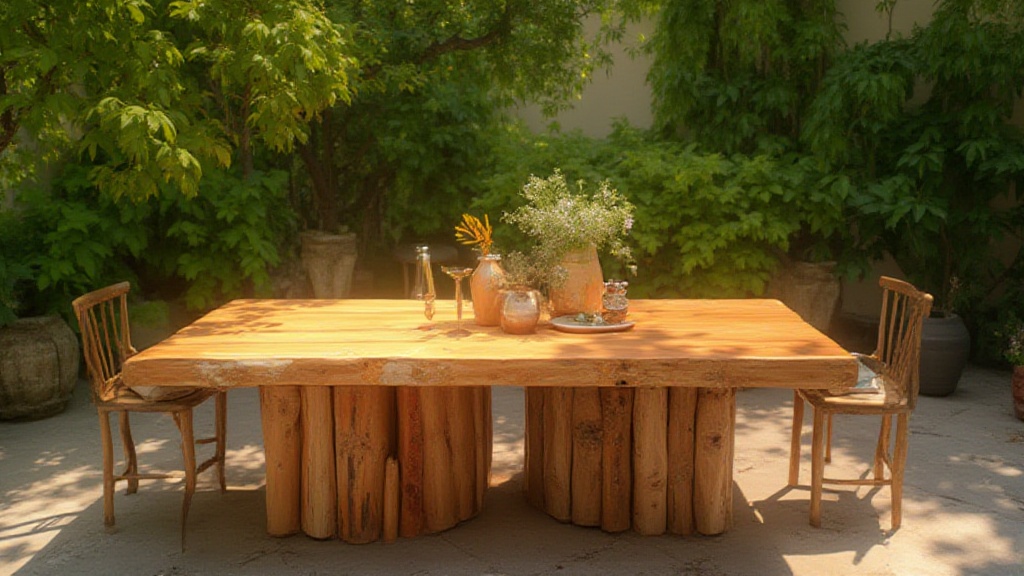
The contrast between mango wood and teak showcases fascinating variances in overall durability. Mango wood showcases a robust structure, offering significant resistance to decay and pests, thereby making it an excellent choice for furniture designed to last.
While teak is celebrated for its remarkable tensile strength, mango wood provides a more cost-effective alternative without compromising on quality.
Its enhanced moisture resistance further elevates its durability compared to other hardwoods, making it a smart option when choosing materials for home decor.
Let’s explore the unique durability features of both wood species.
Click here to learn more about: mango wood furniture durability
Mango Wood And Its Durability
Mango wood stands out due to its impressive natural resistance to both decay and pests. This wood species is less susceptible to warping than many other hardwoods, ensuring its resilience over an extended period.
When compared with oak and walnut, mango wood exhibits notable durability while requiring minimal treatment to maintain its lasting quality. To prolong its lifespan, applying a protective finish and routinely cleaning the surface is essential.
This maintenance helps keep mango wood away from excessive moisture and sunlight, preserving its beauty and durability for many years.
Enhancing Durability with Aged Weathered Finishes
Applying aged weathered finishes can amplify the natural appeal of mango wood.
This technique invokes a sense of time-worn charm, enhancing surfaces to mimic the aging process authentically.
Various distressing techniques can be utilized to achieve a rustic, worn look that adds character to furniture crafted from mango wood.
These methods often involve sanding, staining, and glazing, allowing for unique results that breathe life into any piece.
Explore DIY furniture restoration using aged weathered finishes to create a gorgeous patina that speaks to the history and depth in design, appealing to those who appreciate artisan craftsmanship.
Maintaining the Beauty of Mango Wood
For optimal care, it is important to understand the maintenance of mango wood.
Regularly polishing and staining can help prevent scratches and enhance the wood’s natural grain patterns. Proper surface treatment can increase moisture resistance and ensure its longevity, making it a top choice for both indoor and outdoor furniture.
Overall, mango wood offers resilience, strength, and aesthetic appeal, making it a versatile option for various furniture designs.
How Does Teak Compare In Strength
Teak wood showcases remarkable tensile strength, significantly surpassing that of mango wood. This impressive strength solidifies teak’s status as a preferred material among craftsmen creating high-quality furniture.
The greater durability of teak is thoroughly documented by extensive studies, affirming its reputation as a reliable choice.
The inherent natural oils found within teak enhance its long-lasting resilience against wear and tear.
Teak is famously known for its ability to withstand challenging environments, making it ideal for outdoor use.
A prime example of teak’s strength can be observed in its application in outdoor furniture, where it effectively endures harsh weather conditions.
The unique properties of teak not only enrich its reputation but also guarantee longevity and reliability across diverse applications. These characteristics make teak an exceptional choice for those looking to invest in durable and aesthetically pleasing furniture.
Understanding Moisture Resistance In Woods
The impact of moisture content on wood longevity cannot be overstated, as it often leads to complications such as swelling and decay.
Teak, enriched with natural oils, offers exemplary moisture resistance compared to mango wood. When selecting wood for outdoor furniture, assessing moisture resistance becomes essential for maintaining durability.
Practical Advice on Storing Wood
- Store in a climate-controlled environment: Protect wood from extreme temperature fluctuations that can harm its integrity.
- Avoid direct ground contact: Implement moisture barriers to prevent wood from absorbing ground moisture.
- Use proper ventilation: Ensure air circulation around stored wood to mitigate moisture build-up.
By adhering to these practical guidelines, the lifespan of both teak and mango wood can be significantly prolonged, helping to maintain their beauty and functionality over time. Implementing appropriate care instructions and maintenance practices is essential for preserving the appeal of these wood species.
| Wood Type | Tensile Strength | Moisture Resistance | Durability |
|---|---|---|---|
| Teak | High | Excellent | Long-lasting |
| Mango | Moderate | Good | Less durable |
What Affects The Lifespan Of Furniture
The longevity of furniture is significantly shaped by several key factors. Material choice plays a fundamental role, as hardwoods such as teak and mango wood exhibit remarkable durability against wear.
Teak, in particular, is renowned for its superior weather resistance, while mango wood stands out for its unique grain patterns and aesthetic appeal.
Another essential aspect affecting furniture quality is the construction quality, which encompasses the craftsmanship of joints and finishing techniques.
To improve your furniture’s lifespan, it’s beneficial to implement a routine involving regular cleaning and wood conditioning with natural oils, promoting both beauty and durability.
Maintenance Tips For Mango Wood Pieces
Caring for mango wood is imperative for preserving its inherent beauty and durability. Start by adopting gentle cleaning methods; a damp cloth combined with a mild soap solution will suffice, while avoiding soaking the wood to prevent warping.
For any spills, it’s advisable to use soft cloths to blot rather than rub, ensuring minimal surface disruption. Regular conditioning with natural oils is essential; this practice maintains the wood’s luster and mitigates dryness.
To facilitate ongoing care, consider implementing a seasonal maintenance checklist:
- Spring: Deep clean and assess for moisture damage.
- Summer: Apply protective coatings to shield against heat.
- Fall: Inspect joints for tightness and stability.
- Winter: Keep humidity levels consistent to prevent cracking.
Regular maintenance aids in enhancing the natural charm of your mango wood furniture while ensuring its longevity.
Furniture Lifespan and Maintenance
- Hardwoods like teak and mango wood can last for decades with proper care.
- Teak wood is known to resist weathering and is often used for outdoor furniture.
- Regular conditioning with natural oils can prevent wood from drying out and cracking.
- Seasonal maintenance helps identify potential issues early, extending the life of furniture.
The Appeal Of Teaks Natural Oils
Teak’s natural oils offer significant benefits that enhance its appeal for a variety of uses. Primarily, these oils contribute to teak’s weather resistance, allowing the wood to withstand moisture and pests, making it an ideal choice for outdoor furniture.
The rich grain patterns and warm tones enhanced by the aesthetic qualities of teak’s oil finish create stunning visual effects that evolve over time.
To maintain this beauty, artisans should regularly reapply teak oil every 6 to 12 months, ensuring lasting furniture quality while preserving its natural luster.
This simple care routine greatly enhances the overall longevity and charm of teak pieces.
The Aesthetic Aspects of Teaks Oil Finish
The appeal of teak’s oil finish lies in its ability to highlight the wood’s natural beauty. With each application, the warm hues deepen, creating unique color variations that enhance the furniture’s overall character.
Artisans appreciate how the oil brings out the intricate grain patterns, adding to the beauty and versatility of teak products.
Enhancing Teak’s Oil Finish Over Time
To ensure lasting quality, periodic maintenance of the oil finish is essential. Regular polishing not only enhances the surface but also protects it from scratches and wear.
Consider using eco-friendly oils that enrich the wood while being sustainable.
This proactive approach significantly contributes to the wood’s resilience and helps maintain its exquisite appearance.
Crafting With Mango Wood Vs Teak
When evaluating the workability of mango wood and teak, artisans encounter unique characteristics that define each wood’s appeal.
Mango wood is known for its versatility and is easier to shape and carve, making it ideal for intricate designs. Conversely, teak’s density presents a challenge, yet its exceptional strength offers advantages for long-lasting projects.
Tools and Techniques for Mango Wood
For projects involving mango wood, utilizing sharp chisels and fine-grit sandpaper is recommended to achieve smooth finishes.
Artisans find that the ease of craftsmanship allows for intricate detailing and creativity.
Consider using distressing techniques to enhance the rustic charm of the final product.
Tools and Techniques for Teak
Teak requires high-quality saw blades due to its density, and pre-drilling is often beneficial to ensure clean joints.
Artisans often turn to specialized woodworking tools to handle the challenges posed by teak’s toughness.
For a creative project, consider crafting a rustic dining table from mango wood to showcase its vibrant grain, while outdoor furniture made from teak exemplifies its remarkable durability and weather resistance.
Teak and Mango Wood
- Teak’s natural oils enhance its weather resistance, making it ideal for outdoor furniture.
- Regular application of teak oil every 6 to 12 months preserves the wood’s luster and longevity.
- Mango wood is easier to shape and carve, allowing for intricate designs in craftsmanship.
- Teak’s density requires high-quality tools, ensuring durability and clean joints in projects.
Exploring The Aesthetics Of Different Grains
The visual allure of wood significantly relies on its distinct grain patterns. Mango wood, known for its rich and varied textures, brings warmth and character to furnishings, making it ideal for artistic projects.
On the other hand, teak wood is favored for its smooth finish and straight grain, often utilized in outdoor furniture due to its exceptional durability and resistance to environmental elements.
When selecting wood, it is essential to consider the aesthetics you want to achieve.
For example, the unique grains of mango can enhance rustic designs, creating a cozy atmosphere, while the classic appearance of teak complements elegant, modern styles.
It’s vital to evaluate how the grain patterns interact with the overall design of your project. Here are some tips for selecting wood based on its aesthetic appeal:
- Evaluate Grain Patterns: Look for the unique textures that resonate with your design.
- Consider Color Variations: Different wood species offer a wide range of colors that can enhance the beauty of your project.
- Think About Finish: Techniques like staining or natural oils can amplify the inherent features of the wood.
Choosing the Right Wood for Your Project
Matching the wood species to your project type is crucial for achieving desired results. Hardwood choices like mango and teak provide durability and longevity, making them suitable for both indoor and outdoor use. The crafting options available influence not just the appearance, but also the maintenance needed over time. When it comes to woodworking, consider these factors:
- Durability: Assess the wear and moisture resistance of the wood, especially for outdoor projects.
- Tensile Strength: Ensure the selected wood can withstand the stress of your application without deforming.
- Cultural Aesthetic: Choose wood that aligns with the overall theme of your design, be it rustic, contemporary, or vintage.
Utilizing eco-friendly and reclaimed wood not only promotes sustainability but also adds unique historical value to your projects. Each wood type has its specific strength and character, contributing to the final appeal of your furniture pieces.
By understanding the grain patterns and their impact on the overall aesthetics, you can make informed decisions that enhance the beauty and functionality of your creations.
Wood Aesthetics and Selection
- Mango wood can feature a variety of colors and patterns, making each piece unique and ideal for artistic designs.
- Teak wood’s natural oils provide resistance to water, making it a preferred choice for outdoor furniture.
- Hardwoods like mango and teak are known for their longevity, often lasting for decades with proper care.
- Using reclaimed wood can reduce environmental impact while adding character and history to furniture pieces.
Mango Wood Furniture Lifespan Explained
Mango Wood Furniture Durability Matters