

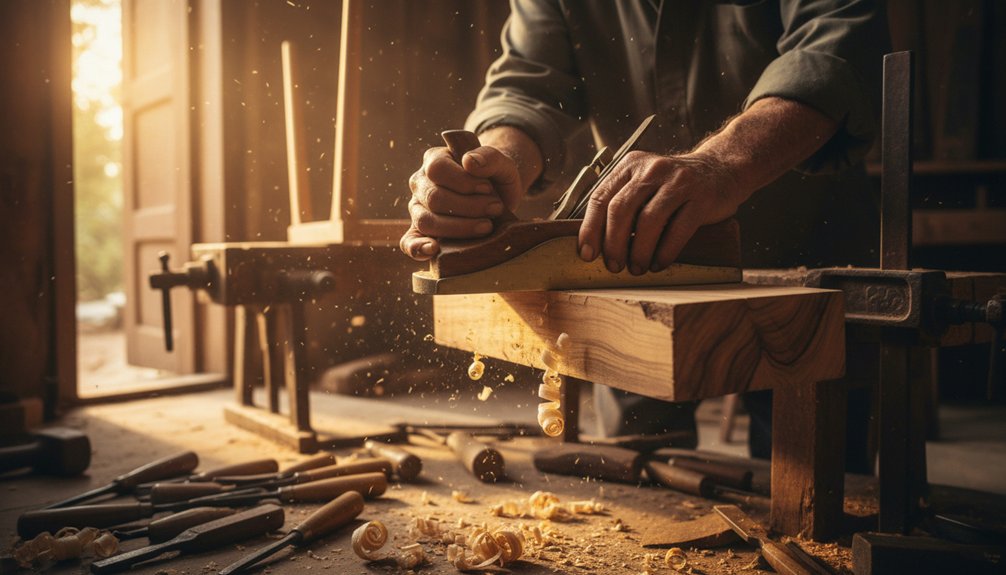
Mango wood furniture production begins with the harvesting of mature mango trees, which typically take 15-20 years to reach a productive age for fruit. Once harvested, the wood undergoes kiln-drying, reducing its moisture content from 40-60% to a stable 6-8%. This drying process is crucial for preventing warping and cracking in the finished furniture.
After drying, craftsmen employ traditional mortise-and-tenon joinery to assemble the furniture. This method allows for strong connections without the need for nails or screws, accommodating the natural expansion and contraction of wood. Each joint is carefully crafted to ensure durability.
Artisans then enhance the aesthetic appeal of the furniture by adding hand-carved details using chisels and gouges. These intricate designs give each piece a unique character and showcase the skill of the craftsman. This step requires precision and an understanding of wood grain patterns to achieve the best results.
Finally, artisans apply multiple coats of natural oils, such as tung or linseed oil, to protect the wood and highlight its golden-brown grain patterns. This finishing process not only enhances the visual appeal but also provides a protective barrier against moisture and wear.
In summary, mango wood furniture is made through a series of precise steps: harvesting mature trees, kiln-drying for stability, assembling with mortise-and-tenon joints, hand-carving details, and applying protective oil finishes. Each step is essential for creating durable and beautiful furniture.
What Makes Mango Wood Ideal for Furniture
Mango wood is a leading material for furniture construction due to its durability and sustainable sourcing. Furniture makers use mango wood harvested from trees that have finished their fruit production cycle, typically after 15 to 20 years. Farmers replace these mature trees with younger ones, ensuring a continuous supply of this renewable resource.
Mango wood offers excellent strength, comparable to well-known hardwoods like oak and maple. The unique grain patterns in mango wood result in visually appealing furniture with rich golden-brown colors. This wood is also resistant to water damage and warping, which contributes to its longevity.
Craftsmen appreciate mango wood’s density because it allows for detailed carvings and smooth finishes, enhancing the aesthetic value of the furniture.
How Sustainable Harvesting Preserves Orchard Ecosystems
When fruit-bearing trees reach the end of their productive lifespan, sustainable harvesting practices convert these trees into valuable resources while preserving orchard health. These practices benefit both the environment and local farming communities.
Sustainable harvesting practices ensure ecosystem balance through several essential methods:
Thoughtful orchard management balances immediate harvest needs with long-term environmental stewardship, creating thriving ecosystems that benefit multiple generations.
- Selective harvesting removes only non-productive trees, allowing younger trees to continue growing and producing fruit.
- Replanting programs introduce new saplings to replace harvested trees, maintaining optimal orchard density and productivity.
- Soil preservation techniques mitigate erosion and maintain nutrient levels during the tree removal process, ensuring soil health.
- Wildlife habitat protection preserves nesting areas and food sources for local species, promoting biodiversity within the orchard.
- Chemical-free processing avoids harmful substances, preventing contamination of the surrounding environment.
These practices establish a renewable cycle where orchards consistently produce fruit while supplying quality wood for furniture manufacturing.
Kiln-Drying Mango Lumber to Prevent Warping
After harvesting, mango lumber requires kiln-drying to prepare it for furniture making. This process involves controlled heating to remove excess moisture from the wood. Specifically, kiln-drying lowers the moisture content from approximately 60% to the ideal range of 6-8%. If mango lumber isn’t properly kiln-dried, the wood will likely crack, twist, or warp as moisture levels fluctuate over time.
Kiln-drying works by placing the lumber in a kiln where warm air circulates. This warm air evaporates moisture from the wood fibers, preventing uneven drying that can cause warping. When mango lumber reaches the target moisture content, it becomes stable and suitable for crafting items like tables and chairs.
Without kiln-drying, mango wood furniture faces significant risks. For example, unseasoned mango lumber may develop cracks or twists after being exposed to indoor humidity changes. This instability undermines the quality and appearance of finished furniture products.
In practice, kiln-drying takes several days, depending on the thickness of the lumber and the initial moisture content. Typically, thinner boards dry faster while thicker pieces may require more time. It’s essential to monitor the drying process closely to achieve the desired moisture level without damaging the wood.
The Kiln-Drying Process
When mango lumber arrives from the sawmill, manufacturers must reduce its moisture content to ensure stability for furniture construction. Fresh-cut mango wood typically contains 40-60% moisture, which is too high for effective crafting. The kiln-drying process effectively addresses this issue by controlling environmental conditions.
During kiln-drying, workers stack mango lumber inside large heated chambers, ensuring proper spacing for air circulation. The kiln temperature gradually increases from 110°F to 180°F, which helps prevent cracking in the wood. The drying duration usually lasts between 4-8 weeks, depending on the thickness of the lumber.
Throughout this process, moisture meters monitor the wood’s moisture content until it reaches the desired 6-8% range. Adjustments to humidity levels occur continuously to balance the drying speed with the quality of the wood.
This precise control during kiln-drying prevents warping, splitting, and shrinkage that can damage the finished furniture pieces. Without proper drying, manufacturers risk producing unstable furniture that may not hold up over time.
Optimal Moisture Content Levels
Kiln-drying effectively reduces moisture content in mango wood furniture. Achieving a moisture content between 6% and 8% is essential to prevent defects. This target range ensures the wood remains stable in typical indoor environments.
Manufacturers measure moisture content throughout the drying process using specialized moisture meters. These meters penetrate the wood’s surface and provide accurate readings at various depths. Continuous monitoring is necessary to ensure optimal drying.
Over-dried mango wood can become brittle and crack, while under-dried wood may shrink and warp after construction.
Furniture makers must adjust moisture levels according to regional humidity conditions. Wood intended for humid climates should maintain slightly higher moisture content than wood for drier areas. This adjustment is crucial for ensuring the durability and functionality of the furniture in its intended environment.
Rushing the drying process can lead to significant issues down the line, so patience and precision are key. Consistent adherence to these moisture content guidelines will yield high-quality mango wood furniture that withstands the test of time.
Mortise-and-Tenon Joinery for Nail-Free Construction
After kiln-drying mango lumber, craftsmen use mortise-and-tenon joinery to assemble furniture pieces without nails or screws. This technique involves shaping a tenon, which is a protruding piece of wood, and fitting it into a corresponding rectangular hole, known as the mortise, carved into another piece of wood. The tenon and mortise connection creates a strong bond that withstands stress better than traditional fasteners.
Mortise-and-tenon joints allow for natural expansion and contraction of the wood as humidity changes occur. This characteristic helps maintain the structural integrity of the furniture over time. For example, a dining table constructed using this method can endure decades of use, resisting warping or loosening.
In contrast, modern joinery methods that rely on screws or nails can weaken over time, as fasteners may loosen and the joints can fail. The mortise-and-tenon joinery method ensures a more reliable and durable connection. Crafting these joints requires precision; the tenon must fit snugly into the mortise to achieve the desired strength. Additionally, this method reflects traditional craftsmanship techniques that emphasize quality and durability in furniture making.
What Is Mortise-and-Tenon
Mortise-and-tenon joinery creates strong, durable connections in woodworking. Craftsmen have used this technique for thousands of years to build furniture without relying on nails or screws. The mortise-and-tenon joint consists of two key components that fit together: the mortise, which is a rectangular hole carved into one piece of wood, and the tenon, a projecting tab shaped to fit snugly into that hole.
Key components of mortise-and-tenon joints include:
- The mortise: This is the rectangular cavity cut into the receiving wood piece. Craftsmen carefully measure and carve this space to ensure a perfect fit for the tenon.
- The tenon: The tenon is the precisely shaped projection on the adjoining piece of wood. It must match the dimensions of the mortise exactly to create a strong joint.
- Tight fit: A tight fit between the tenon and mortise is crucial. The tenon should slide into the mortise snugly but not so tightly that it can’t be inserted without force.
- Wood glue: Applying wood glue to the joint strengthens the bond and ensures longevity. The glue fills any gaps and adds additional stability to the connection.
- Furniture durability: Mortise-and-tenon joints provide exceptional durability. They can withstand stress and strain, making them ideal for furniture that lasts for decades.
While mortise-and-tenon joints are highly effective, they do have limitations. For instance, they require precise measurements and skilled craftsmanship to create. If either the mortise or tenon is poorly shaped, the joint will be weak.
Additionally, this technique may not be suitable for softer woods, as they may not hold the joint’s integrity over time.
In practical applications, a craftsman might use mortise-and-tenon joints in table legs, chair frames, or cabinet doors. By ensuring that each component fits perfectly, woodworkers can create furniture that not only looks great but also stands the test of time.
Benefits of This Joinery
Mortise-and-tenon joinery provides significant advantages for constructing high-quality mango wood furniture. This joinery method delivers superior strength when compared to screws or nails. Craftsmen create a mechanical lock by fitting the tenon into the mortise, which spreads stress across a larger surface area. This connection remains tight and secure over time, unlike traditional fasteners that can loosen.
The durability of mortise-and-tenon joints is impressive. Furniture crafted using this technique can endure for generations. The interlocking wood fibers resist pulling and twisting forces, enhancing the overall stability of the piece.
Additionally, the absence of multiple drilled holes preserves the wood’s structural integrity. This joinery method accommodates wood expansion and contraction due to humidity changes without compromising the furniture’s stability.
Traditional Assembly Process
Craftsmen assemble mango wood furniture using mortise-and-tenon joinery by following a series of precise steps that ensure the furniture’s strength without relying on metal fasteners.
This method, honed over generations, results in durable furniture. The assembly process requires attention to detail and skilled execution.
Dry-fitting components comes first. Craftsmen check that all joints align perfectly before proceeding.
Next, applying wood glue is crucial. Craftsmen spread glue evenly in both mortise holes and on tenon projections to ensure a strong bond.
Then, craftsmen insert tenons into mortises. They apply controlled pressure and employ slight twisting motions to fit the pieces together securely.
After this, craftsmen clamp assemblies tightly. They ensure that joints remain square and aligned, preventing any misalignment during the curing process.
Finally, craftsmen allow adequate curing time for the adhesive. This step is essential for achieving maximum strength in the bonds.
Throughout the assembly, experienced craftsmen routinely check measurements. This practice maintains accuracy and prevents errors, ensuring that each piece of furniture meets quality standards.
Hand-Carved Details That Define Artisan Quality
Skilled artisans hand-carve intricate details into mango wood furniture, ensuring each piece possesses unique character. These craftspeople use traditional tools like chisels, gouges, and mallets to create patterns that include geometric designs and floral motifs. Generational techniques guarantee authenticity and craftsmanship in every item produced.
Artisans focus on key areas such as drawer fronts, table legs, and cabinet doors for intricate carvings. They score the wood’s surface, then carefully remove material in controlled layers to avoid splits or tears. This meticulous process may take several hours or even days, depending on the complexity of the design.
Each carved detail requires patient, layered removal of wood—a process demanding hours or days of meticulous artisan skill.
The hand-carved details enhance the value of mango wood furniture, elevating functional pieces into artistic works that reflect genuine craftsmanship. In contrast, modern machinery may produce furniture quickly, but it lacks the distinctive hand-carved features that define artisan-quality pieces.
The reliance on skilled artisans ensures that each mango wood item stands out, showcasing the dedication and skill involved in its creation.
Natural Oil Finishes That Highlight Golden Grain
Natural oil finishes protect mango wood furniture while enhancing its unique golden-brown grain patterns. I apply these finishes by hand to ensure the wood’s natural beauty shines through without hiding its character. The natural oil seeps deep into the wood fibers, forming a protective barrier against moisture and daily wear.
The finishing process includes these crucial steps:
- Tung oil or linseed oil penetrates mango wood, deepening its warm tones and highlighting grain patterns.
- Multiple thin coats of oil build up gradually. I avoid thick applications to ensure even coverage and prevent issues like uneven drying.
- Sanding between coats is essential. I sand lightly to create smooth surfaces and improve oil absorption, which helps achieve a flawless finish.
- Hand-rubbing techniques enhance the visibility of the golden grain. I use a cloth to work the oil into the wood, bringing out its natural beauty.
- Drying time of 24-48 hours between coats is necessary. This allows the oil to cure properly and ensures each layer bonds well with the previous one.
This careful method results in furniture that feels satin-smooth while retaining the wood’s breathability and natural warmth. The goal is to create durable, beautiful pieces that showcase the unique characteristics of mango wood.
Spotting Quality Craftsmanship Before You Buy
Before you invest in mango wood furniture, focus on key indicators of quality craftsmanship. Check joints first, looking for dovetail or mortise-and-tenon connections. These joints indicate superior craftsmanship compared to basic glue or staples.
Next, run your hand across the surfaces to feel for smoothness and consistency in the finish. Quality mango wood shows a uniform grain pattern and minimal knots or cracks.
Inspect drawers and doors to ensure they operate smoothly and align properly. Look underneath and behind the furniture; these areas often reveal the true construction standards. Well-made mango wood furniture should feel sturdy, with no wobbling or gaps between components.
Examine the finish for evenness and proper sealing to ensure durability. Check the hardware on the furniture. Quality hardware should feel substantial and operate without stiffness.
Remember, heavier pieces typically indicate solid wood construction instead of veneers over particle board. This weight confirms that you’re purchasing authentic mango wood furniture.